


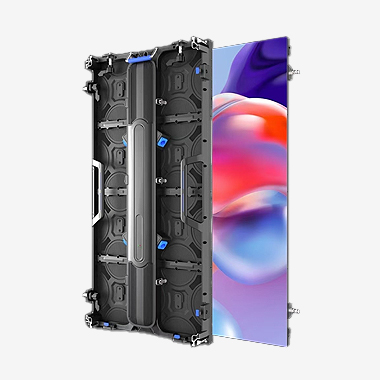
Electronics shows are the epicenter of technological innovation, where brands showcase the latest smartphones, laptops, smart home devices, and consumer electronics to a global audience of industry professionals, journalists, and tech enthusiasts. In this fast-paced, competitive environment, the abi

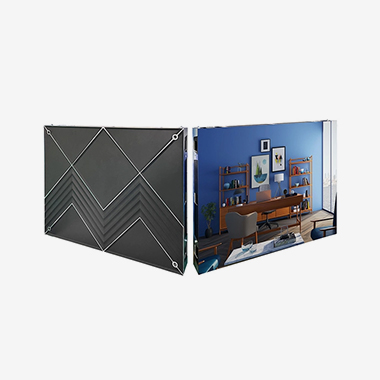
Furniture exhibitions are a vital platform for furniture brands to showcase their latest designs, connect with retailers, and inspire consumers. Unlike other industries, furniture is a product that relies heavily on visual presentation—its shape, texture, color, and functionality must be clearly com
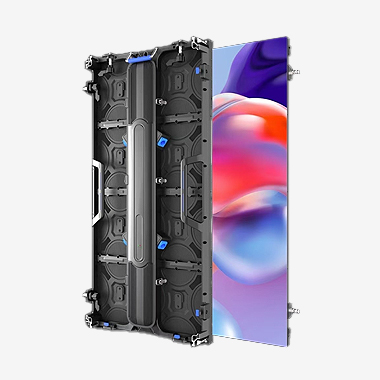
Car shows are more than just gatherings of vehicles; they are immersive brand experiences that blend technology, design, and emotion to showcase the latest automotive innovations. In this dynamic environment, the visual presentation of vehicles is paramount—every curve, finish, and feature must be h

Wine tasting events are a celebration of craftsmanship, tradition, and sensory exploration, bringing together wine enthusiasts, connoisseurs, and industry professionals to experience and appreciate the nuances of different wines. In recent years, these events have evolved beyond traditional tastings
A book launch is more than just an event—it’s a celebration of an author’s hard work, a chance to connect with readers, and a critical opportunity to generate buzz and drive book sales. In today’s competitive literary landscape, book launches need to stand out from the crowd, offering unique and mem
Art exhibitions are a celebration of creativity, expression, and human ingenuity, serving as a platform for artists to showcase their work and for audiences to engage with art in meaningful ways. In recent years, the art world has embraced digital technology as a means to enhance the exhibition expe
In the dynamic landscape of modern recruitment, job fairs remain a cornerstone for connecting employers with potential candidates, serving as a physical bridge between talent and opportunity. As the competition for top talent intensifies and job seekers become more discerning, the need to create eng
Christmas parties are a time of joy, celebration, and togetherness—whether it’s a corporate holiday gathering, a family reunion, a community event, or a friends’ festive get-together. The ambiance of a Christmas party plays a crucial role in setting the mood, and visual decorations are key to creati
Exhibitions and trade shows are critical platforms for businesses to showcase their products, connect with potential customers, and stand out in a competitive market. In a crowded exhibition hall, where hundreds of booths vie for attention, creating a visually striking and engaging display is essent


Copyright © 2026 Shenzhen Cogo Technology Co.,Ltd.
All Rights Reserved
