Author: sznbone Release date: Mar 02, 2026
IP20 rated LED indoor fixed screens are specialized display solutions designed exclusively for indoor environments, where protection against solid objects and liquids is minimal but performance and reliability are paramount. The IP (Ingress Protection) rating system, established by the International Electrotechnical Commission (IEC), classifies the degree of protection provided by electrical equipment against foreign bodies and moisture. An IP20 rating indicates that the screen is protected against solid objects larger than 12.5mm (such as fingers) but provides no protection against liquids. This makes IP20 LED screens ideal for controlled indoor spaces where there is no risk of water exposure or heavy dust accumulation, such as offices, conference rooms, hotels, shopping malls, and residential buildings.
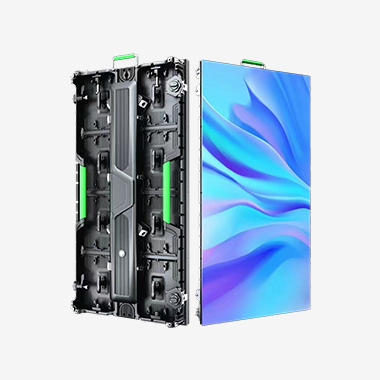
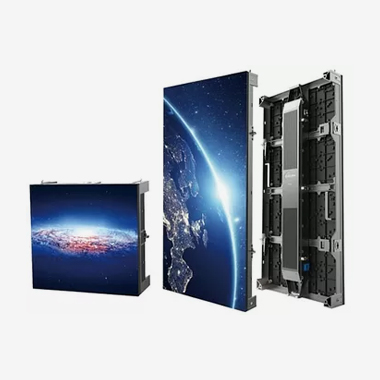
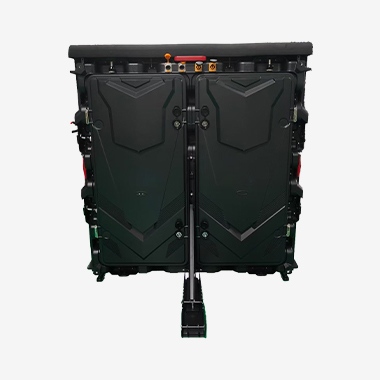
The design and construction of IP20 rated LED indoor fixed screens are optimized for indoor use, focusing on image quality, energy efficiency, and seamless integration with indoor aesthetics. Unlike outdoor LED screens, which require robust waterproof and dustproof enclosures, IP20 screens have a sleek, lightweight design that allows for easy installation and blending with various indoor decors. The absence of heavy protective casings also reduces the overall weight of the screen, making it suitable for wall-mounted, ceiling-mounted, or floor-standing installations in spaces where structural load is a consideration.
Superior visual performance is a hallmark of IP20 rated LED indoor fixed screens. These screens utilize high-quality SMD (Surface Mount Device) LEDs, which offer better color reproduction, higher brightness uniformity, and wider viewing angles compared to traditional DIP (Dual In-line Package) LEDs. The brightness of IP20 LED screens typically ranges from 300cd/㎡ to 800cd/㎡, which is perfectly suited for indoor environments with ambient lighting levels between 100lux and 500lux. This brightness level ensures that the screen content is clearly visible without causing eye strain, even during extended viewing sessions—making them ideal for conference rooms, classrooms, and home theaters.
Color accuracy is another critical feature of IP20 LED screens. With a high color gamut (often exceeding 90% of the NTSC standard), these screens can reproduce realistic colors that are true to the original content, whether it is a video presentation, a live stream, or a digital artwork. This makes them suitable for applications that require precise color representation, such as design studios, art galleries, and high-end retail stores. Additionally, IP20 LED screens offer high contrast ratios (typically 1000:1 or higher), which enhance the depth and clarity of the image, making dark scenes more detailed and bright scenes more vibrant.
Energy efficiency is a key advantage of IP20 rated LED indoor fixed screens. LEDs are inherently energy-efficient, consuming significantly less power than LCD or plasma displays. IP20 screens further optimize energy consumption through advanced technologies such as intelligent brightness adjustment, which automatically adjusts the screen brightness based on the ambient lighting conditions. This not only reduces energy costs but also extends the lifespan of the LEDs, as lower brightness levels reduce wear and tear. With a typical lifespan of 50,000 to 100,000 hours, IP20 LED screens offer long-term reliability and cost savings for indoor applications.
Installation flexibility is another benefit of IP20 rated LED indoor fixed screens. These screens are available in a wide range of sizes and configurations, from small modular panels (320mm x 160mm) that can be combined to create custom-sized displays to large pre-assembled screens for large-scale installations. Modular designs allow for easy transportation and installation, even in spaces with limited access, such as high-rise offices or narrow corridors. Additionally, IP20 screens support various installation methods, including wall mounting, ceiling mounting, and floor standing, making them adaptable to different indoor spaces and layout requirements.
Reliability and durability are essential for indoor applications where screens are often in continuous operation. IP20 rated LED indoor fixed screens are built with high-quality components, including durable LED chips, stable power supplies, and robust control systems. They undergo rigorous testing to ensure stable performance under normal indoor operating conditions, including temperature fluctuations (typically between 0℃ and 40℃) and humidity levels (between 10% and 85% non-condensing). Additionally, most IP20 screens come with built-in diagnostic tools that monitor the performance of individual LEDs and modules, allowing for quick troubleshooting and maintenance. This minimizes downtime and ensures that the screen remains operational for extended periods.
IP20 rated LED indoor fixed screens are widely used in various indoor applications. In offices and conference rooms, they are used for presentations, video conferencing, and data visualization, enhancing collaboration and communication among team members. In hotels and lobbies, they display welcome messages, event schedules, and promotional content, creating a professional and engaging atmosphere for guests. In shopping malls and retail stores, they are used for advertising and product showcases, attracting customers and boosting sales. In residential buildings, they are used as home theater displays, providing an immersive viewing experience for homeowners.
When selecting an IP20 rated LED indoor fixed screen, several factors should be considered. Pixel pitch is a critical parameter, as it determines the image clarity at different viewing distances. For close-up viewing (such as in small conference rooms), a small pixel pitch (2mm to 4mm) is recommended, while for large-scale displays viewed from a distance (such as in shopping malls), a larger pixel pitch (5mm to 10mm) can be more cost-effective. Brightness levels should be matched to the ambient lighting conditions of the space, with higher brightness levels required for well-lit areas such as lobbies and retail stores. Additionally, buyers should consider the screen’s refresh rate (preferably 60Hz or higher for smooth video playback), content management system compatibility, and after-sales service and warranty.
In summary, IP20 rated LED indoor fixed screens are ideal for controlled indoor environments where protection against liquids and heavy dust is not required. With their superior visual performance, energy efficiency, installation flexibility, and reliability, these screens offer a versatile and cost-effective display solution for a wide range of indoor applications. As indoor display technology continues to advance, IP20 LED screens will remain a popular choice for businesses and homeowners seeking high-quality, long-lasting display solutions.


Copyright © 2026 Shenzhen Cogo Technology Co.,Ltd.
All Rights Reserved

 Previous article