Author: sznbone Release date: Jan 28, 2026
Office buildings are busy, long-term environments where display systems play a crucial role in communication, productivity, and branding. From lobby digital signage and meeting room presentations to elevator displays and control room monitoring, LED indoor fixed screens are integrated into various areas of office buildings to serve multiple purposes. For office managers and facility owners, the lifespan of these screens is a critical consideration—long lifespan LED screens reduce replacement costs, minimize downtime, and ensure consistent performance over the years. A long lifespan LED indoor fixed screen for office buildings is engineered with high-quality components, efficient cooling systems, and durable designs to withstand continuous use and the unique conditions of office environments. This article explores the factors that contribute to long lifespan in LED indoor fixed screens, their benefits for office buildings, applications, technical features, and considerations for selection.
First, it is important to define what constitutes a "long lifespan" for LED indoor fixed screens. Typically, LED screens are rated for a lifespan of 50,000 to 100,000 hours of operation. For office buildings, where screens may be in use for 8-12 hours a day, 5 days a week, a 100,000-hour lifespan translates to approximately 20-25 years of use—far exceeding the lifespan of other display technologies such as LCD (typically 30,000-50,000 hours) or projection systems (bulb lifespan of 2,000-5,000 hours). This long lifespan is made possible by the inherent durability of LED technology, as well as specific design features that minimize wear and tear and extend the life of critical components. Unlike traditional display technologies, LED screens do not suffer from burn-in (when static images are displayed for extended periods) as easily, and their brightness degrades gradually over time—allowing for consistent performance for many years.
The primary factor contributing to the long lifespan of LED indoor fixed screens is the quality of the LED chips. LED chips are the core components of the screen, responsible for producing light and color. High-quality LED chips—manufactured by reputable brands such as Cree, Nichia, and Osram—are designed to withstand high temperatures, voltage fluctuations, and continuous use. These chips have a low failure rate and degrade slowly over time, ensuring that the screen maintains its brightness and color accuracy for years. In contrast, low-quality LED chips may fail prematurely, leading to dead pixels, color distortion, or complete module failure. For office buildings, which require reliable performance, investing in LED screens with high-quality chips is essential for achieving a long lifespan.
Efficient cooling systems are another critical factor in extending the lifespan of LED indoor fixed screens. LED chips generate heat during operation, and excessive heat can accelerate component degradation and reduce lifespan. Office buildings often have controlled temperatures, but LED screens—especially large-format ones—can generate significant heat when in use for extended periods. Long lifespan LED screens are equipped with advanced cooling systems that dissipate heat effectively, keeping the internal components at a stable, safe temperature. These cooling systems may include high-efficiency fans, heat sinks, or passive cooling designs. Passive cooling systems, which use heat sinks to dissipate heat without fans, are particularly beneficial for office environments, as they are silent, require no maintenance, and eliminate the risk of fan failure. Active cooling systems (with fans) are also effective but require periodic maintenance to ensure that fans are clean and functioning properly.
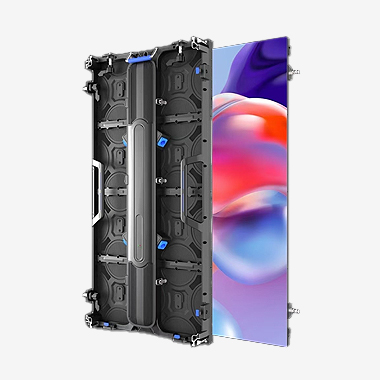
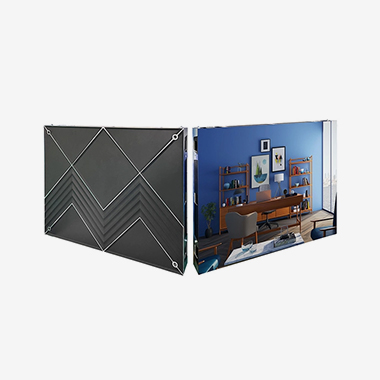
Durable design and construction also play a key role in the long lifespan of LED indoor fixed screens for office buildings. Office environments can be harsh on display systems—with high foot traffic, occasional bumps, dust, and exposure to sunlight (in lobbies or near windows). Long lifespan LED screens are built with robust enclosures made of aluminum, steel, or high-impact plastic that protect internal components from physical damage and dust. Additionally, the screen surface is often treated with a scratch-resistant, anti-glare coating that prevents damage from accidental contact and reduces glare from overhead lights or sunlight. Some models also feature IP-rated enclosures (such as IP54) that provide dust and water resistance, making them suitable for areas with higher humidity or dust levels—such as open-plan offices or lobbies.
Power management and voltage regulation are additional features that contribute to long lifespan. LED screens are sensitive to voltage fluctuations, which can damage internal components and reduce lifespan. Long lifespan LED screens are equipped with high-quality power supplies and voltage regulators that stabilize the input voltage, protecting the screen from power surges, brownouts, and other electrical issues. Additionally, these screens may feature energy-saving modes that reduce power consumption when the screen is not in use—such as dimming the brightness or entering standby mode. This not only reduces energy costs but also minimizes wear and tear on the LED chips, extending lifespan.
The benefits of long lifespan LED indoor fixed screens for office buildings are numerous, spanning financial, operational, and user experience aspects. From a financial perspective, the most significant benefit is reduced replacement costs. Office buildings are long-term investments, and replacing LED screens every few years can be expensive—including the cost of the screen, installation, and downtime. A long lifespan LED screen (20+ years) eliminates the need for frequent replacements, resulting in substantial long-term savings. Additionally, long lifespan screens require minimal maintenance—reducing labor costs and downtime. For example, a screen with a 100,000-hour lifespan may only require occasional cleaning and minor component checks, whereas a shorter lifespan screen may need frequent repairs or replacements.
Operational reliability is another key benefit. Office buildings rely on LED screens for critical functions—such as displaying important announcements, meeting presentations, or security feeds. A long lifespan LED screen ensures that these functions are not disrupted by frequent failures, minimizing downtime and ensuring smooth operations. For example, a lobby digital signage screen that displays company announcements and wayfinding information needs to be operational at all times to avoid confusing visitors. A long lifespan screen reduces the risk of unexpected failures, ensuring that the screen remains functional for years. Additionally, long lifespan screens maintain consistent brightness and color accuracy over time, ensuring that content remains clear and professional—enhancing the office’s brand image.
Energy efficiency is another advantage of long lifespan LED indoor fixed screens. High-quality LED chips and efficient cooling systems are often paired with energy-saving technologies that reduce power consumption. For example, LED screens use less power per square meter than LCD displays or projection systems, and energy-saving modes can further reduce consumption during off-hours. This not only lowers energy bills for office buildings but also reduces environmental impact—aligning with corporate sustainability goals. Many modern office buildings are focused on reducing their carbon footprint, and investing in energy-efficient, long lifespan LED screens is a practical way to achieve this.
Long lifespan LED indoor fixed screens are suitable for a wide range of applications within office buildings. One common application is lobby digital signage. Lobby screens are often the first point of contact for visitors, displaying company branding, announcements, wayfinding information, and event schedules. A long lifespan screen ensures that this critical communication tool remains operational for years, maintaining a professional appearance and avoiding the need for frequent replacements. Meeting rooms are another key application—LED screens in meeting rooms are used for presentations, video conferences, and collaborative work. Long lifespan screens ensure that meetings are not disrupted by technical failures, enhancing productivity and efficiency. Additionally, these screens maintain color accuracy and brightness, ensuring that presentations are clear and engaging.
Elevator displays are another application for long lifespan LED screens in office buildings. These screens display floor numbers, advertisements, or safety information, and are in use 24/7. A long lifespan screen is essential for elevator displays, as frequent replacements would be costly and disruptive. Control rooms—such as those for building management systems (BMS) or security—also benefit from long lifespan LED screens. These screens are used to monitor HVAC systems, security cameras, and other building operations, requiring 24/7 reliability. A long lifespan screen ensures that operators have continuous access to critical data, minimizing the risk of operational disruptions. Additionally, open-plan offices may use LED screens for team updates, project timelines, or corporate communications—benefiting from the screen’s long lifespan and low maintenance requirements.
When selecting a long lifespan LED indoor fixed screen for an office building, there are several key considerations. First, LED chip quality: inquire about the brand and specifications of the LED chips, ensuring that they are high-quality and rated for long-term use. Second, cooling system: choose a screen with an efficient cooling system—passive cooling is preferred for quiet office environments, while active cooling may be necessary for large-format screens. Third, build quality: look for a screen with a robust enclosure, scratch-resistant surface, and IP rating (if needed) to withstand office conditions. Fourth, power management: ensure the screen has a high-quality power supply and energy-saving modes to reduce power consumption and protect against voltage fluctuations. Fifth, manufacturer reputation and warranty: select a reputable manufacturer that offers a long warranty (5-10 years or more) on the screen and components. A comprehensive warranty indicates the manufacturer’s confidence in the screen’s lifespan and provides peace of mind for office managers.
Another consideration is the screen’s resolution and size, which should be appropriate for the application. For example, a lobby screen may require a large size (55 inches or more) and high resolution (4K) to display branding and wayfinding information clearly, while a meeting room screen may be smaller (43-55 inches) with Full HD resolution. Additionally, consider the screen’s viewing angles—office screens should have wide viewing angles to ensure that content is clear from all positions in the room. Color accuracy is also important for applications such as presentations or video conferences, so look for a screen with a wide color gamut and high contrast ratio.
Maintenance requirements should also be evaluated. While long lifespan LED screens require minimal maintenance, some models may need periodic cleaning, fan checks (for active cooling systems), or software updates. Choose a screen with easy maintenance features—such as modular design for component replacement, tool-less access, and remote monitoring—to further reduce maintenance costs and downtime. Remote monitoring systems allow office managers to track the screen’s performance in real time, receiving alerts for potential issues before they escalate into major failures.
In conclusion, long lifespan LED indoor fixed screens are the ideal display solution for office buildings, offering reliable performance, reduced costs, energy efficiency, and minimal maintenance. By investing in screens with high-quality LED chips, efficient cooling systems, durable designs, and advanced power management, office managers can ensure that their display systems remain operational for 20+ years—providing a high return on investment. Whether used for lobby signage, meeting rooms, elevators, or control rooms, these screens enhance communication, productivity, and branding while minimizing operational disruptions. As office buildings continue to evolve with technology, long lifespan LED indoor fixed screens will remain a essential component of modern office design, delivering consistent performance and value for years to come.


Copyright © 2026 Shenzhen Cogo Technology Co.,Ltd.
All Rights Reserved

 Previous article