Author: sznbone Release date: Mar 02, 2026
The hotel lobby is the first impression of a hotel, undertaking functions such as reception, rest, and information release. As an important part of the lobby's decoration and functional configuration, the display screen not only needs to have excellent visual effects to enhance the hotel's grade and atmosphere but also needs to meet the requirements of lightweight, easy installation, and energy saving. Lightweight LED indoor fixed screens for hotel lobbies have emerged as the times require, integrating the advantages of lightweight design, high-definition display, elegant appearance, and stable performance, becoming an ideal choice for hotel lobby decoration and information release. Compared with traditional heavy display devices such as LCD拼接 screens and projection equipment, lightweight LED screens can better adapt to the decorative style of the hotel lobby, while providing more flexible installation methods and richer display functions.
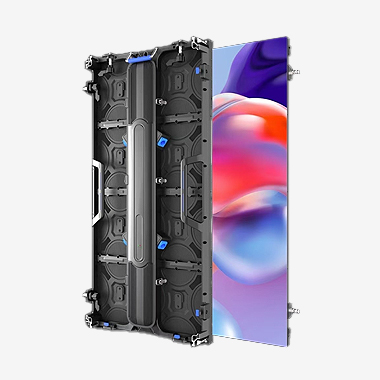
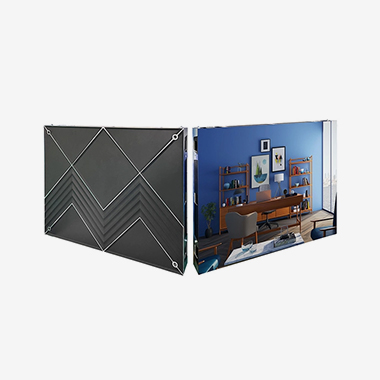
The most prominent feature of lightweight LED indoor fixed screens for hotel lobbies is their lightweight and thin design. Traditional LED screens usually have a heavy screen body and a thick frame, which not only occupy a lot of space but also affect the overall aesthetic of the hotel lobby. In contrast, lightweight LED screens adopt advanced material technology and structural design, significantly reducing the weight and thickness of the screen body. The weight per square meter can be as low as 8-12kg, which is only half of that of traditional LED screens. The thickness of the screen body is usually within 5cm, making it thin and elegant, which can be perfectly integrated with the wall, ceiling, or other decorative structures of the hotel lobby. This lightweight design not only simplifies the installation process but also reduces the load on the building structure. For example, in high-end hotel lobbies with complex decorative structures, lightweight LED screens can be easily installed on curved walls, suspended ceilings, or partition walls without the need for complex load-bearing reinforcement, avoiding damage to the original decorative style of the lobby.
High-definition display and excellent color performance are essential for hotel lobby LED screens, as they are often used to display hotel promotional videos, artistic images, event notices, and welcome messages. Lightweight LED indoor fixed screens adopt high-quality LED lamp beads and advanced color calibration technology, with a color gamut covering up to 95% of the DCI-P3 color space, which can reproduce rich and realistic colors. Whether it is the bright colors of promotional videos or the delicate tones of artistic paintings, the screen can display them perfectly, bringing a shocking visual experience to guests. At the same time, the screen has a high resolution, with pixel pitches ranging from 1.2mm to 3.9mm, which can achieve ultra-clear display effects. Even when viewed up close, there is no sense of graininess, ensuring that every detail of the content is clearly visible. For example, when displaying hotel room photos, food images, or local scenic spot introductions, the screen can present realistic textures and colors, helping guests better understand the hotel's services and surrounding environment.
Elegant appearance and customizable design are important factors for lightweight LED screens to adapt to hotel lobbies. Hotel lobbies of different styles (such as luxury, minimalist, classical, and modern) have different decorative requirements for display screens. Lightweight LED screens can be customized according to the hotel's decorative style and space size. For example, for a modern minimalist hotel lobby, the screen can adopt a frameless design, with a pure black screen body that is simple and elegant, integrating with the wall to form a perfect visual effect. For a classical style hotel lobby, the screen frame can be customized with wood grain, gold, or other decorative materials to match the overall classical atmosphere. In addition, the screen can be spliced into different shapes, such as rectangles, squares, curves, or irregular shapes, to adapt to different installation positions and decorative needs. For example, a curved lightweight LED screen installed above the reception desk can soften the lines of the space and enhance the sense of hierarchy of the lobby; a large-scale rectangular screen installed on the main wall can become the visual center of the lobby, attracting guests' attention.
Stable performance and low noise operation are also important considerations for hotel lobby LED screens. Hotel lobbies are public spaces that require a quiet and comfortable environment. Traditional LED screens may produce noise due to the operation of fans, which affects the guest experience. Lightweight LED screens adopt an optimized heat dissipation structure, using passive heat dissipation technology such as high thermal conductivity aluminum alloy shells and heat pipes, which can effectively dissipate heat without the need for fans. This realizes silent operation, ensuring that the screen does not produce any noise during operation, maintaining the quiet environment of the hotel lobby. At the same time, the screen has high stability and can operate continuously for a long time without faults. The LED lamp beads used have a long service life, and the screen body is equipped with multiple protection functions, such as overvoltage protection, overcurrent protection, and temperature protection, which can effectively prevent damage to the screen caused by various abnormalities, ensuring stable operation for a long time.
Flexible installation and easy maintenance are also advantages of lightweight LED indoor fixed screens for hotel lobbies. The lightweight design of the screen makes the installation process simple and fast. It can be installed in various ways such as wall-mounted, suspended, embedded, or floor-standing, and the installation position can be adjusted according to the layout of the lobby. For example, wall-mounted installation is suitable for small and medium-sized screens, saving space; suspended installation is suitable for large-scale screens, which can be installed above the lobby without occupying ground space; embedded installation can make the screen integrate with the wall, with a more beautiful appearance. In addition, the screen adopts a modular design, and each display module can be independently disassembled and replaced. If a certain module fails, maintenance personnel can quickly replace it without affecting the normal use of the entire screen. The screen also supports remote control and management, and hotel staff can adjust the screen brightness, switch display content, and perform fault diagnosis through a computer or mobile device, reducing the difficulty and cost of maintenance.
Energy-saving and environmental protection are in line with the development concept of modern hotels. Lightweight LED indoor fixed screens adopt energy-saving LED lamp beads and intelligent dimming technology, which can significantly reduce power consumption. Compared with traditional LCD screens, the power consumption per square meter is reduced by 30%-50%, which can save a lot of electricity costs for hotels in the long run. At the same time, the screen uses environmentally friendly materials that do not contain harmful substances such as heavy metals, complying with international environmental protection standards. The long service life of the screen also reduces the frequency of replacement, reducing environmental pollution caused by electronic waste. For hotels that pursue green and low-carbon operations, lightweight LED screens are an ideal choice.
The application scenarios of lightweight LED indoor fixed screens in hotel lobbies are diverse. First, they can be used for information release, such as displaying hotel promotional videos, room rates, event notices, weather forecasts, and traffic information, helping guests quickly obtain relevant information. Second, they can be used for atmosphere creation. During festivals, weddings, or other events, the screen can display festive patterns, warm greetings, or event-themed content, enhancing the festive atmosphere of the lobby. Third, they can be used for brand promotion. The screen can cycle display the hotel's brand story, service concept, and honorary qualifications, enhancing the hotel's brand image and influence. Fourth, they can be used for interactive experience. Some high-end lightweight LED screens support touch interaction or gesture control, allowing guests to interact with the screen to query information, book rooms, or play games, improving the guest experience. For example, in a luxury hotel lobby, a large-scale lightweight LED screen can be used to display a 4K ultra-high-definition landscape video, creating an immersive visual experience for guests; in a business hotel lobby, a small-sized lightweight LED screen can be installed at the reception desk to display check-in information and service guidelines, improving the check-in efficiency.
With the continuous upgrading of the hotel industry's consumption demand, guests have higher and higher requirements for the hotel's environment and services. Lightweight LED indoor fixed screens for hotel lobbies will continue to develop in the direction of more lightweight, higher definition, more intelligent, and more personalized. In the future, the screen will be more integrated with intelligent technologies such as AI and the Internet of Things, realizing functions such as automatic identification of guests, personalized information push, and intelligent adjustment of display content. At the same time, the appearance design will be more diversified, and the screen can be customized into various shapes and styles to better match the hotel's decorative style. The energy-saving effect will be further optimized, and more environmentally friendly materials and technologies will be adopted to meet the hotel's green development needs. In conclusion, lightweight LED indoor fixed screens have become an important part of hotel lobby decoration and functional configuration, and their wide application will help hotels improve their brand image, enhance guest experience, and gain greater competitive advantages in the market.


Copyright © 2026 Shenzhen Cogo Technology Co.,Ltd.
All Rights Reserved

 Previous article