


Sunny rooms, with their abundant natural light, are highly sought-after spaces in homes, offices, retail stores, and other commercial venues. However, the intense sunlight can pose a significant challenge for display devices, as traditional screens often suffer from glare, washed-out colors, and poo

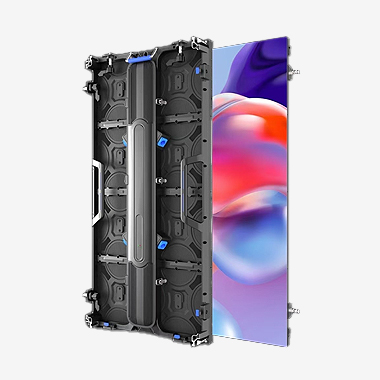
In the highly competitive beauty industry, where brand image and customer attraction are crucial to business survival and development, advertising tools play a pivotal role in shaping a salon’s reputation and driving foot traffic. LED indoor fixed screens have emerged as a game-changing advertising
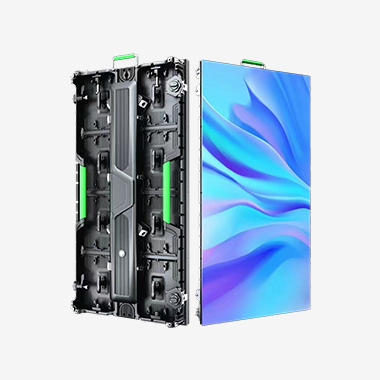
In the realm of indoor LED display technology, modular design has revolutionized the way LED screens are manufactured, installed, maintained, and upgraded. A modular design LED indoor fixed screen consists of individual LED modules that can be assembled to form a screen of any size or shape, offerin
Color accuracy is a critical parameter for LED indoor fixed screens across a wide range of applications, from professional settings such as design studios and broadcast facilities to consumer environments like retail stores and home theaters. Even the highest-quality LED screens can suffer from colo
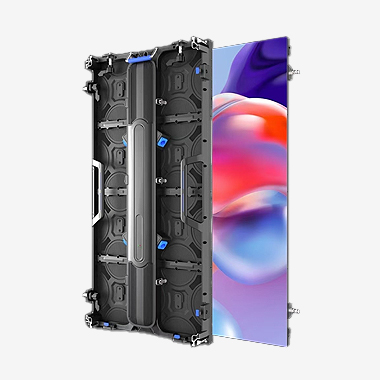
Train stations are bustling transportation hubs that serve millions of passengers every day, requiring efficient information dissemination, safety reminders, and passenger comfort enhancements. Among the various technologies deployed in train station waiting halls, LED indoor fixed screens have beco
In the dynamic landscape of television production, the visual presentation is a cornerstone of audience engagement and content credibility. TV studios, as the core venues for news broadcasting, program recording, live shows, and other productions, have increasingly stringent requirements for display
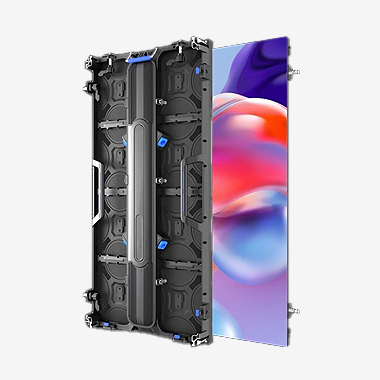
Airport terminal lounges serve as critical spaces for travelers to relax, work, and access information while waiting for their flights. These environments demand display solutions that are reliable, visible, versatile, and capable of withstanding the unique challenges of airport operations—including
As environmental sustainability becomes a global priority and businesses seek to reduce operational costs, the demand for energy-efficient display solutions has grown significantly. LED indoor fixed screens with low power consumption have emerged as a leading choice for a wide range of applications,
In the highly competitive retail landscape, brand stores are constantly seeking innovative ways to differentiate themselves, attract customers, and create memorable shopping experiences. Custom shape LED indoor fixed screens have emerged as a transformative visual marketing tool, allowing brands to


Copyright © 2026 Shenzhen Cogo Technology Co.,Ltd.
All Rights Reserved
