
Author: sznbone Release date: Mar 07, 2026
Train stations are bustling transportation hubs that serve millions of passengers every day, requiring efficient information dissemination, safety reminders, and passenger comfort enhancements. Among the various technologies deployed in train station waiting halls, LED indoor fixed screens have become a vital component, replacing traditional static signs, LCD displays, and projection systems. These screens are designed to withstand the unique challenges of train station environments—including high foot traffic, varying lighting conditions, long operating hours, and the need for reliable information delivery—and offer a range of benefits that cater to both passengers and station management. This article explores the design features, technical specifications, application scenarios, and practical advantages of LED indoor fixed screens tailored for train station waiting halls, illustrating their role in modernizing transportation infrastructure.
One of the most critical requirements for LED indoor fixed screens in train station waiting halls is high visibility and readability, even in complex lighting conditions. Waiting halls are typically large, open spaces with natural light streaming in through windows and artificial lighting from ceiling fixtures, leading to significant variations in ambient light levels throughout the day. LED screens for these environments are equipped with high-brightness LED chips, with brightness levels ranging from 800 nits to 2000 nits, ensuring that content remains clear and legible whether it is bright midday sunlight or dim evening lighting. Unlike LCD screens, which can suffer from glare and reduced visibility when exposed to direct light, LED screens offer excellent anti-glare performance, thanks to specialized surface treatments such as matte coatings. This anti-glare technology minimizes reflections, allowing passengers to read information on the screen from any angle—whether they are standing close by, sitting on a waiting bench, or walking through the hall. Additionally, these screens have a wide viewing angle, typically 160° or more horizontally and vertically, ensuring that every passenger in the waiting hall can access the information displayed, regardless of their position relative to the screen.
Reliability and durability are non-negotiable for LED indoor fixed screens in train station waiting halls, as these facilities operate 24 hours a day, 7 days a week, 365 days a year, with minimal room for downtime. Train stations are high-traffic areas, and screens are exposed to potential physical impacts from luggage, passengers, or cleaning equipment, as well as dust, humidity, and temperature fluctuations. To address these challenges, LED screens for waiting halls are constructed with rugged, impact-resistant materials. The cabinets are typically made of aluminum alloy or steel, which are lightweight yet durable, and the LED modules are protected by scratch-resistant glass or polycarbonate panels. These screens also feature advanced dustproof and waterproof designs, with an IP rating of IP54 or higher, preventing dust and moisture from entering the internal components and causing malfunctions. Moreover, the LED chips and internal circuits are designed to withstand wide temperature ranges, from -10°C to 40°C, ensuring stable operation even in unheated or poorly ventilated waiting halls during extreme weather conditions.
The primary function of LED indoor fixed screens in train station waiting halls is information dissemination, and as such, they must support real-time, dynamic content updates. Passengers rely on these screens to获取 accurate information about train schedules, delays, platform changes, ticket availability, and safety announcements. LED screens for waiting halls are equipped with advanced control systems that integrate seamlessly with the train station’s central management platform, allowing for real-time content updates. This integration ensures that any changes to train schedules—such as delays due to weather, mechanical issues, or track maintenance—are reflected on the screens immediately, keeping passengers informed and reducing confusion. Additionally, these screens support a variety of content formats, including text, images, videos, and animations, enabling station management to deliver information in a clear, engaging manner. For example, text announcements can be displayed in large, bold fonts for easy readability, while videos can be used to demonstrate safety procedures, such as how to evacuate in an emergency or how to use ticket vending machines. Animations can also be used to draw attention to important announcements, such as last-minute platform changes.
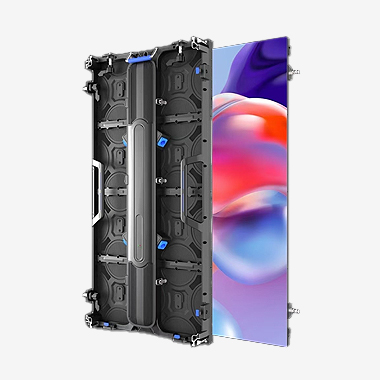
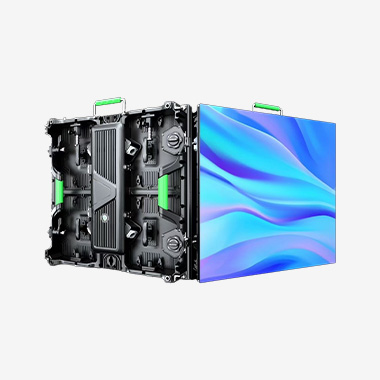
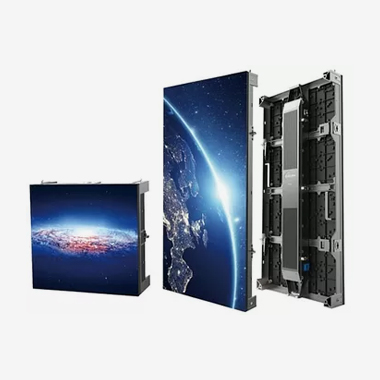
Scalability and modular design are important features of LED indoor fixed screens for train station waiting halls, as these spaces vary significantly in size and layout. Waiting halls can range from small, regional station halls to large, central hubs with multiple platforms and waiting areas, and the display system must be adaptable to these different environments. LED screens are available in a variety of sizes, from small 32-inch modules to large, custom-sized screens that span entire walls. The modular design allows for easy installation and expansion—individual LED modules can be combined to create screens of any size or shape, whether it is a rectangular screen above the ticket counter, a curved screen along the waiting area, or a large video wall at the entrance of the hall. This modularity also simplifies maintenance, as individual modules can be replaced quickly if they malfunction, without the need to take down the entire screen. This is crucial for train stations, where downtime can lead to passenger confusion and dissatisfaction.
Energy efficiency is another key consideration for LED indoor fixed screens in train station waiting halls, given their 24/7 operation and the need to reduce operational costs and environmental impact. LED technology is inherently more energy-efficient than traditional display technologies such as LCD or CRT, consuming up to 50% less power. LED screens for waiting halls are further optimized for energy efficiency, with features such as automatic brightness adjustment, which adjusts the screen’s brightness based on ambient light levels. For example, during the day when natural light is bright, the screen’s brightness increases to maintain visibility, and during the night when ambient light is low, the brightness decreases to save energy. Additionally, LED screens have a long lifespan—typically 50,000 hours or more of continuous operation—reducing the frequency of replacements and the associated environmental impact. This energy efficiency not only lowers the station’s electricity bills but also aligns with global efforts to reduce carbon emissions and promote sustainable transportation infrastructure.
Beyond information dissemination, LED indoor fixed screens in train station waiting halls can also be used to enhance the passenger experience and generate additional revenue. Station management can use the screens to display entertainment content, such as news updates, sports highlights, or travel documentaries, to keep passengers entertained while they wait. This can help reduce passenger anxiety and improve overall satisfaction. Additionally, the screens can be used for advertising, displaying ads for local businesses, restaurants, hotels, and transportation services. Advertising on LED screens in train station waiting halls offers a high reach, as millions of passengers pass through these halls every day, making it an attractive revenue stream for station operators. The dynamic nature of LED screens also allows for targeted advertising—ads can be rotated based on the time of day, the type of train service (e.g., commuter trains vs. long-distance trains), or special events, maximizing the effectiveness of the advertising campaigns.
Safety and emergency response are also enhanced by LED indoor fixed screens in train station waiting halls. In the event of an emergency, such as a fire, power outage, or security incident, the screens can be used to display real-time emergency announcements, evacuation routes, and safety instructions. Unlike audio announcements, which can be missed or misunderstood in noisy waiting halls, visual announcements on LED screens are clear and accessible to all passengers, including those with hearing impairments. The high visibility and wide viewing angle of the screens ensure that emergency information is seen by as many passengers as possible, helping to facilitate a safe and orderly evacuation. Additionally, the screens can be integrated with the station’s security system, displaying live feeds from security cameras in the event of a security incident, allowing station staff to monitor the situation and passengers to stay informed.
In terms of installation and maintenance, LED indoor fixed screens for train station waiting halls are designed to be user-friendly and low-maintenance. The modular design allows for easy installation, even in tight spaces, and the screens can be mounted on walls, ceilings, or freestanding structures, depending on the layout of the waiting hall. Many LED screens also come with dedicated installation brackets and hardware, ensuring a secure and stable installation. Maintenance is simplified by the screens’ durability and long lifespan, as well as features such as built-in diagnostic tools that alert station staff to potential malfunctions before they occur. This proactive maintenance capability reduces the risk of unexpected downtime and ensures that the screens remain operational at all times. Additionally, the modular design means that individual modules can be replaced quickly and easily, with minimal disruption to passenger flow.
As train stations continue to modernize and adapt to the changing needs of passengers, LED indoor fixed screens will play an increasingly important role in enhancing operational efficiency, passenger experience, and safety. With their high visibility, reliability, scalability, energy efficiency, and versatile content capabilities, these screens are well-suited to the unique challenges of train station waiting halls. Whether it is delivering real-time train information, entertaining passengers, generating revenue through advertising, or supporting emergency response, LED indoor fixed screens are a valuable investment for any train station looking to improve its services and infrastructure. As technology continues to advance, we can expect to see even more innovative features in these screens, such as AI-powered content personalization, interactive touch capabilities, and integration with mobile apps, further enhancing their value in train station environments.


Copyright © 2026 Shenzhen Cogo Technology Co.,Ltd.
All Rights Reserved

 Previous article