Author: sznbone Release date: Mar 07, 2026
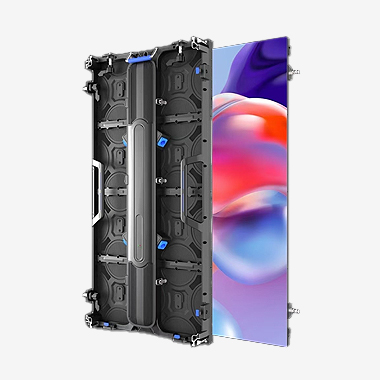
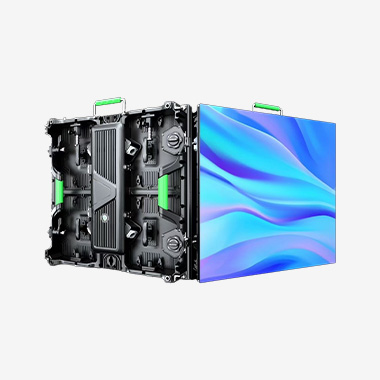
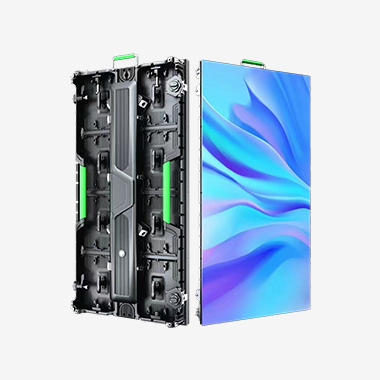
In the dynamic landscape of television production, the visual presentation is a cornerstone of audience engagement and content credibility. TV studios, as the core venues for news broadcasting, program recording, live shows, and other productions, have increasingly stringent requirements for display equipment. A high definition (HD) LED indoor fixed screen tailored for TV studios has emerged as a game-changing solution, replacing traditional display technologies such as LCD screens and projection devices. This article delves into the core characteristics, technical advantages, application scenarios, and market value of HD LED indoor fixed screens designed specifically for TV studio environments, highlighting why they have become the preferred choice for modern broadcast facilities.
First and foremost, the definition performance of HD LED indoor fixed screens for TV studios is unparalleled, which is the primary factor driving their adoption. Unlike conventional displays that may struggle with pixelation or blurred edges, these LED screens boast ultra-high pixel density, typically starting from 1920×1080 (Full HD) and extending to 4K (3840×2160) and even 8K resolution. This high pixel density ensures that every detail in the content—whether it is the facial expressions of hosts and guests, text information displayed on the screen, or subtle color gradients in background images—is presented with exceptional clarity and sharpness. For TV studios, where close-up shots and dynamic scene switching are common, this level of definition is critical. For example, in a news broadcast, the text on a breaking news ticker must be legible even when the camera zooms in; in a variety show, the intricate details of costumes and stage props need to be clearly visible to the audience. HD LED screens deliver on this demand by minimizing pixel pitch, the distance between adjacent LED pixels. For TV studio applications, pixel pitches ranging from 0.9mm to 2.5mm are commonly used, striking a balance between definition and cost-effectiveness. The smaller the pixel pitch, the higher the pixel density, and the more immersive the visual experience, making it ideal for studio environments where the screen is often within close proximity to both the talent and the camera.
Another key technical advantage of HD LED indoor fixed screens for TV studios is their superior color reproduction and brightness control. Television production requires strict adherence to color accuracy, as any deviation can distort the original content and mislead the audience. LED screens for TV studios are equipped with high-quality RGB LED chips, which can produce a wide color gamut—often covering 95% or more of the DCI-P3 color space, the standard for digital cinema and professional video production. This wide color gamut ensures that colors are displayed as they were intended, whether it is the natural skin tones of performers, the vibrant hues of stage backdrops, or the precise color matching of brand logos. Additionally, these screens feature advanced brightness adjustment technology, with brightness levels ranging from 500 nits to 1500 nits, and support smooth dimming without flicker. This is crucial for TV studios, where lighting conditions are constantly changing. During live broadcasts, the studio lights may be bright or dim depending on the program style, and the LED screen must be able to adjust its brightness accordingly to avoid overexposure or underexposure in camera shots. Flicker-free dimming also prevents eye strain for on-screen talent who stare at the screen for extended periods, ensuring a comfortable working environment.
Refresh rate is another critical parameter for TV studio LED screens. A high refresh rate ensures that dynamic content—such as fast-moving images, video clips, or live sports footage—is displayed smoothly without motion blur or ghosting. HD LED indoor fixed screens for TV studios typically offer a refresh rate of 120Hz or higher, with some premium models reaching 240Hz. This high refresh rate is essential for camera recording, as cameras capture images at a specific frame rate (usually 25fps or 30fps for TV broadcasts). A mismatch between the screen’s refresh rate and the camera’s frame rate can result in visual artifacts such as stuttering or rolling bars, which can ruin the broadcast quality. Moreover, these LED screens support global shutter technology, which eliminates the rolling shutter effect that is common with LCD screens. The rolling shutter effect occurs when the camera captures the screen line by line, leading to distorted images of fast-moving objects. With global shutter, the entire screen is refreshed simultaneously, ensuring that the camera captures a clear, undistorted image every time.
Durability and stability are also paramount for TV studio applications, as broadcast equipment is expected to operate continuously for long hours with minimal downtime. HD LED indoor fixed screens are constructed with high-quality materials, including rugged cabinets and reliable LED modules, which can withstand 24/7 operation for years. The modular design of these screens (a feature that will be discussed in more detail in a subsequent article) also enhances their reliability, as individual modules can be replaced quickly if they malfunction, minimizing disruption to studio operations. Additionally, these screens are equipped with advanced cooling systems, such as silent fans or passive cooling, which prevent overheating during prolonged use. Silent cooling is particularly important for TV studios, where background noise must be kept to a minimum to ensure clear audio recording. Unlike projection systems that require regular bulb replacements and maintenance, LED screens have a long lifespan—typically 50,000 hours or more of operation—reducing long-term maintenance costs and ensuring consistent performance.
In terms of application scenarios, HD LED indoor fixed screens for TV studios are highly versatile and can be used in a variety of settings within the studio. One common application is as a backdrop screen, replacing traditional painted backdrops or green screens. LED backdrop screens can display dynamic, high-definition images and videos, creating immersive environments that enhance the visual appeal of the program. For example, a news studio can use an LED backdrop to display live weather maps, stock market data, or scenic images that complement the news content. A talk show studio can change the backdrop dynamically to match the theme of each segment, from a cozy living room setting to a virtual concert stage. LED screens can also be used as side screens, displaying additional information such as guest introductions, audience questions, or social media feeds, enhancing audience interaction. In some cases, LED screens are used as the main display for on-set monitors, allowing directors, producers, and camera operators to monitor the broadcast in real time with high clarity.
The integration capabilities of HD LED indoor fixed screens with existing TV studio equipment are also a key advantage. These screens support a wide range of input signals, including HDMI, SDI, DP, and NDI, which are standard in professional broadcast environments. This ensures seamless integration with cameras, switchers, video servers, and other broadcast equipment, eliminating compatibility issues. Additionally, many LED screens for TV studios come with dedicated control software that allows for centralized management of multiple screens, as well as real-time adjustment of parameters such as brightness, contrast, color, and resolution. Some advanced models also support remote control, enabling technicians to monitor and adjust the screen settings from a control room, further streamlining studio operations. For live broadcasts, where real-time adjustments are often necessary, this level of integration and control is invaluable.
From a market perspective, the demand for HD LED indoor fixed screens for TV studios is growing steadily, driven by the ongoing digital transformation of the broadcast industry. Traditional TV studios are upgrading their equipment to meet the demands of 4K and 8K broadcasting, and LED screens are emerging as the preferred solution due to their superior performance. Additionally, the rise of streaming services and online content production has led to the establishment of new, smaller-scale studios, which also require high-quality display equipment to compete with traditional broadcasters. As a result, manufacturers are continuing to innovate, developing LED screens with even higher resolution, better color accuracy, and more advanced features to meet the evolving needs of TV studios. For example, some manufacturers are integrating AI technology into their LED screens, enabling automatic color calibration and brightness adjustment based on the surrounding environment, further simplifying studio operations.
In conclusion, high definition LED indoor fixed screens have become an indispensable tool for modern TV studios, offering unparalleled definition, color reproduction, refresh rate, durability, and integration capabilities. These screens enhance the visual quality of broadcasts, improve studio efficiency, and provide greater flexibility in content presentation. As the broadcast industry continues to evolve with advancements in 4K/8K technology, AI, and live streaming, HD LED indoor fixed screens will continue to play a central role in shaping the future of television production. Whether it is a large-scale news broadcast studio, a intimate talk show set, or a dynamic variety show venue, these LED screens deliver consistent, high-quality performance that meets the strict standards of professional broadcast environments.


Copyright © 2026 Shenzhen Cogo Technology Co.,Ltd.
All Rights Reserved

 Previous article