Author: sznbone Release date: Mar 09, 2026
In the realm of indoor LED display technology, modular design has revolutionized the way LED screens are manufactured, installed, maintained, and upgraded. A modular design LED indoor fixed screen consists of individual LED modules that can be assembled to form a screen of any size or shape, offering unparalleled flexibility and convenience compared to traditional monolithic LED screens. One of the most significant advantages of this design is easy replacement—individual modules can be removed and replaced quickly and efficiently, minimizing downtime, reducing maintenance costs, and extending the overall lifespan of the screen. This article explores the core principles of modular design in LED indoor fixed screens, the benefits of easy replacement, key design features that enable this functionality, applications across industries, and the future of modular LED screen technology.
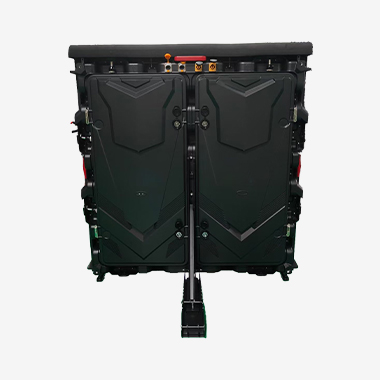
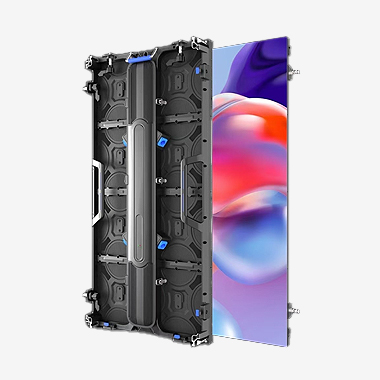
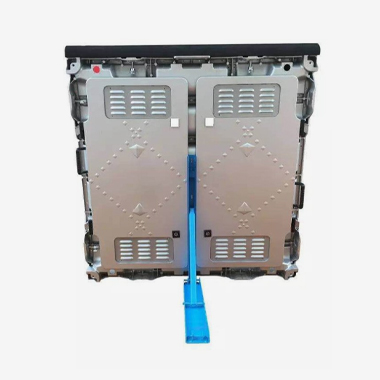
To understand the benefits of easy replacement in modular LED indoor fixed screens, it is first necessary to grasp the basics of modular design. Unlike monolithic LED screens, which are manufactured as a single, large panel, modular screens are composed of small, standardized LED modules—typically ranging in size from 320×160mm to 640×320mm. Each module contains a set of LED chips, a driver circuit, a power supply unit, and a connector, and can function independently when connected to the screen’s controller. The modules are mounted on a frame or cabinet, and connected to each other via cables for power and data transmission. This modular construction means that the screen can be customized to fit any space—whether it is a small display for a retail store or a large video wall for a convention center—by adding or removing modules. More importantly, if a single module malfunctions, it can be replaced without disrupting the entire screen, a feature that is unavailable with monolithic designs.
The primary benefit of easy replacement in modular LED indoor fixed screens is minimized downtime. In many applications—such as broadcast studios, control rooms, retail stores, and transportation hubs—LED screens are critical to operations, and any downtime can lead to significant losses. For example, a malfunctioning screen in a train station waiting hall can disrupt information dissemination, leading to passenger confusion and dissatisfaction. A screen in a retail store displaying promotional content can lose the store revenue if it is out of service. With modular design, a faulty module can be identified and replaced in minutes, rather than hours or days required to repair or replace a monolithic screen. This quick replacement ensures that the screen is back in operation as soon as possible, minimizing the impact on business operations. Additionally, the ability to replace individual modules means that the rest of the screen can continue to function normally while the replacement is being performed, further reducing disruption.
Another key advantage of easy replacement is reduced maintenance costs. Maintaining a monolithic LED screen is often expensive, as a single malfunction can require replacing the entire screen or hiring specialized technicians to perform complex repairs. With modular screens, maintenance costs are significantly lower because only the faulty module needs to be replaced, not the entire screen. LED modules are also relatively affordable compared to monolithic panels, making replacements more cost-effective. Furthermore, the ease of replacement means that maintenance can be performed by in-house staff, rather than external technicians, reducing labor costs. For example, a hotel with a modular LED screen in its lobby can train its maintenance team to replace faulty modules, eliminating the need to call in expensive external contractors. Over time, these cost savings can be substantial, especially for organizations with multiple LED screens or large-scale video walls.
Modular design with easy replacement also extends the lifespan of LED indoor fixed screens. LED modules have a finite lifespan—typically 50,000 hours or more—but individual modules may fail prematurely due to manufacturing defects, power surges, or environmental factors. With monolithic screens, a single failed component can render the entire screen useless, forcing early replacement. With modular screens, faulty modules can be replaced as needed, allowing the rest of the screen to continue functioning for its full lifespan. This means that the screen can be maintained and updated over time, rather than being replaced entirely, significantly extending its overall service life. For example, a corporate office with a modular LED video wall in its conference room can replace individual modules as they age, ensuring that the screen remains in good condition for 10 years or more, compared to the 5-7 year lifespan of a monolithic screen.
The easy replacement feature of modular LED indoor fixed screens is enabled by several key design elements. One of these elements is the standardized interface of the modules. All modules in a modular screen are designed with the same power and data connectors, ensuring that any module can be replaced with a compatible one. This standardization eliminates the need for custom parts and ensures that replacements are readily available. Another important design feature is the snap-on or quick-lock mounting system. Many modular screens use a magnetic mounting system or a simple clip-on design, allowing modules to be attached to the frame or cabinet without the need for tools. This makes it easy to remove and replace modules in tight spaces or at height. For example, a modular video wall mounted high on a wall in a stadium can have modules replaced using a ladder and basic tools, without the need for scaffolding or heavy equipment.
Additionally, modular LED indoor fixed screens are equipped with advanced diagnostic tools that help identify faulty modules quickly. Many screens come with built-in software that monitors the performance of each module, detecting issues such as dead pixels, low brightness, or color drift. The software alerts maintenance staff to the location of the faulty module, allowing for targeted replacement. Some advanced systems even provide real-time monitoring, enabling staff to identify and address issues before they affect the screen’s performance. This diagnostic capability further streamlines the replacement process, reducing the time spent identifying and locating faulty modules.
Modular design LED indoor fixed screens with easy replacement are highly versatile and find applications across a wide range of industries. In the retail industry, these screens are used for in-store displays, promotional video walls, and digital signage. Retail environments are high-traffic areas, and screens are at risk of physical damage from shopping carts, luggage, or customers. Easy replacement ensures that any damaged modules can be replaced quickly, keeping the display operational and maintaining the store’s visual appeal. For example, a supermarket with a modular LED screen above the checkout lanes can replace a damaged module during off-peak hours, minimizing disruption to customers.
In the corporate and commercial sector, modular LED screens are used in conference rooms, lobbies, and control rooms. Conference room screens are often used for presentations, video conferencing, and collaborative work, and downtime can disrupt meetings and business operations. Easy replacement ensures that any malfunctions are resolved quickly, keeping meetings on track. Control rooms—such as those used for security monitoring, traffic management, or industrial control—require 24/7 operation, and modular screens with easy replacement are ideal for these environments, as they minimize downtime and ensure continuous monitoring.
The entertainment and hospitality industry also benefits greatly from modular LED screens with easy replacement. Casinos, hotels, and concert venues use large LED video walls to create immersive environments for guests. These screens are often subjected to heavy use and may be at risk of damage from crowds or equipment. Easy replacement allows venue staff to quickly address any issues, ensuring that the screens remain operational for events and performances. For example, a concert venue with a modular LED backdrop can replace a faulty module between performances, ensuring that the show goes on without interruption.
In the transportation industry, modular LED screens are used in train stations, airports, and bus terminals to display schedules, announcements, and wayfinding information. These screens are critical to passenger flow and safety, and any downtime can lead to confusion and delays. Easy replacement ensures that faulty modules are replaced quickly, keeping passengers informed and maintaining smooth operations. For example, an airport with a modular LED screen displaying flight information can replace a damaged module during a lull in passenger traffic, ensuring that flight updates continue to be displayed.
The education sector is another user of modular LED indoor fixed screens with easy replacement. Schools, colleges, and universities use these screens in classrooms, auditoriums, and common areas for teaching, presentations, and event broadcasts. Educational institutions often have limited maintenance budgets, and the cost-effectiveness and easy replacement of modular screens make them an ideal choice. For example, a university auditorium with a modular LED screen can replace faulty modules using in-house staff, reducing maintenance costs and ensuring that the screen is available for lectures, concerts, and other events.
Advancements in modular LED screen technology continue to enhance the easy replacement feature and overall performance of these screens. One notable advancement is the development of hot-swappable modules, which can be replaced while the screen is still powered on. This eliminates the need to turn off the entire screen during replacement, further minimizing downtime. Another advancement is the integration of wireless connectivity in modules, reducing the number of cables and making replacement even easier. Some manufacturers are also developing self-diagnostic modules that can detect their own faults and send alerts to maintenance staff, streamlining the replacement process.
In conclusion, modular design LED indoor fixed screens with easy replacement offer a range of benefits that make them superior to traditional monolithic screens, including minimized downtime, reduced maintenance costs, extended lifespan, and enhanced flexibility. These screens are designed with standardized interfaces, tool-free mounting systems, and advanced diagnostic tools, making module replacement quick and efficient. From retail stores and corporate offices to entertainment venues and transportation hubs, modular LED screens with easy replacement are ideal for any application where reliability, cost-effectiveness, and flexibility are critical. As technology continues to advance, we can expect to see even more innovative features in modular LED screens, further improving their performance and expanding their applications across industries. Whether it is a small display or a large video wall, modular LED screens with easy replacement are the future of indoor LED display technology.


Copyright © 2026 Shenzhen Cogo Technology Co.,Ltd.
All Rights Reserved

 Previous article