Author: sznbone Release date: May 22, 2026
Theater performance is an art form that thrives on storytelling, emotion, and immersion, where every element—from the acting and set design to the lighting and sound—works together to transport the audience to another world. In recent years, LED indoor rental screens have emerged as a transformative tool in theater, revolutionizing the way set designers and directors bring stories to life. Unlike traditional set pieces, which are often static, heavy, and time-consuming to change, LED rental screens offer unparalleled flexibility, allowing for dynamic, ever-changing backdrops that adapt to the narrative, enhance the emotional impact of the performance, and create immersive environments that captivate the audience. Whether it’s a classic play, a modern musical, a ballet, or an experimental performance, LED indoor rental screens have become an indispensable part of contemporary theater production. This article explores the role of LED indoor rental screens in theater performances, their key features, application strategies, and how they elevate the art of storytelling to new heights.
Theater has always been about creating a sense of place and emotion, and set design plays a critical role in this. Traditional set pieces—such as painted backdrops, physical props, and movable scenery—are limited by their static nature; once a set is built, it can be difficult to change quickly, limiting the range of environments that can be portrayed in a single performance. LED indoor rental screens solve this problem by allowing set designers to create dynamic, digital backdrops that can change in an instant, transporting the audience from a cozy cottage to a bustling city street, from a moonlit forest to a futuristic spaceship, all with the push of a button. This flexibility not only enhances the storytelling but also reduces the time and cost associated with building and changing physical sets, making it easier for theater companies to produce diverse, visually stunning performances.
One of the key advantages of LED indoor rental screens for theater performances is their ability to create realistic, immersive environments. Modern LED rental screens offer high resolution (up to 4K) and color accuracy, allowing for detailed, lifelike visuals that mimic real-world settings. For example, a production of “Romeo and Juliet” could use an LED screen to display a realistic Verona street scene, complete with cobblestones, balconies, and a starry night sky, creating a immersive environment that makes the audience feel as if they are in the heart of the story. A ballet performance could use the screen to display flowing landscapes, such as a snow-covered forest or a blooming garden, enhancing the grace and beauty of the dancers’ movements. The screen can also be used to create abstract visuals, such as swirling colors or geometric patterns, to convey emotion or set the mood for a particular scene—for instance, a tense scene could feature dark, swirling visuals, while a romantic scene could use soft, pastel colors.
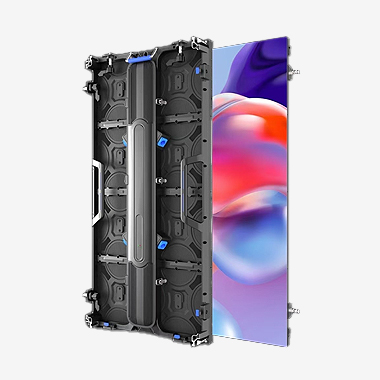
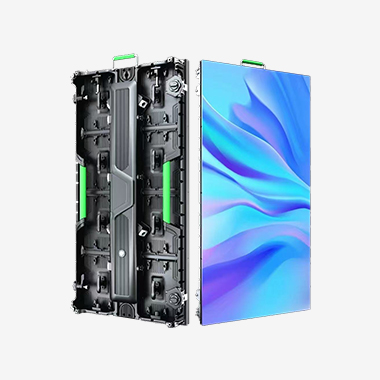
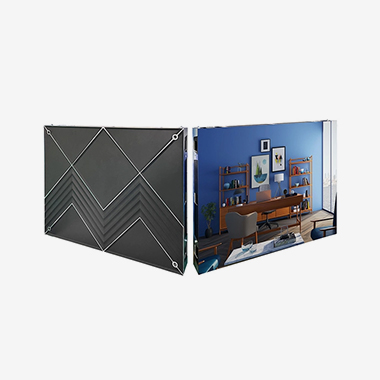
Modularity is another critical feature of LED indoor rental screens for theater performances. Theaters come in all shapes and sizes, from small black-box theaters to large proscenium stages, and rental screens can be easily assembled and reconfigured to fit any stage layout. For example, a small black-box theater might use a compact LED screen (e.g., 3m x 2m) as a backdrop, while a large proscenium stage could use a full-stage LED wall (e.g., 15m x 8m) that covers the entire back of the stage. The modular design also allows for creative configurations, such as multi-screen setups (e.g., a main screen flanked by two side screens) or curved screens that wrap around the stage, creating a more immersive experience. Additionally, the lightweight nature of LED rental panels (typically 6-8kg per panel) makes them easy to install and remove, which is critical for theater productions that often have tight rehearsal and performance schedules.
High contrast and brightness control are essential for theater performances, as the lighting in a theater is often dim, and the screen needs to be visible without overwhelming the actors or the audience. LED indoor rental screens offer adjustable brightness (typically 800-1200 nits for indoor use), allowing set designers to adjust the screen’s brightness to match the lighting of the performance. For example, during a dark, dramatic scene, the screen can be dimmed to create a moody atmosphere, while during a bright, cheerful scene, the screen can be brightened to enhance the vibrancy of the visuals. Additionally, LED screens have high contrast ratios, ensuring that dark scenes are deep and rich, and bright scenes are crisp and vivid—critical for portraying the full range of emotions in a theater performance.
Another major benefit of LED indoor rental screens for theater performances is their ability to integrate with other stage elements, such as lighting, sound, and props. The screen can be synchronized with the lighting to create a cohesive visual experience—for example, the screen’s colors can match the stage lights, or the screen can display shadows that complement the lighting design. The screen can also be synchronized with the sound, with visuals that sync with the music or dialogue, enhancing the emotional impact of the performance. For instance, in a musical, the screen could display lyrics that sync with the singers’ voices, or in a play, the screen could display sound waves or visual effects that match the dialogue or sound effects. Additionally, the screen can be used to integrate physical props with digital visuals—for example, an actor could interact with a digital object displayed on the screen, creating a seamless blend of physical and digital elements that enhances the storytelling.
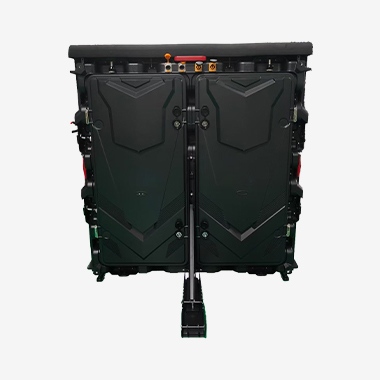
Durability and reliability are also critical for theater performances, which often run for multiple shows (sometimes dozens of shows over several weeks), and cannot afford technical glitches. LED indoor rental screens are designed to withstand frequent use, with robust cabinets made from die-cast aluminum that are resistant to damage from setup, teardown, and daily use. Many rental screens also feature dual power and signal redundancy, ensuring that if one power source or signal fails, the screen will continue to operate without interruption—critical for a theater performance where a single moment of downtime could ruin the show. Additionally, rental screens are calibrated before delivery to ensure uniform brightness and color across the entire display, eliminating any inconsistencies that could detract from the visual experience.
Cost-effectiveness is another key reason why LED indoor rental screens are the preferred choice for theater companies. Many theater companies operate on tight budgets, and purchasing a permanent LED screen is a significant investment. Rental screens eliminate the need for upfront investment, maintenance costs, and storage, allowing theater companies to allocate their budget to other aspects of the production, such as actor salaries, costumes, and marketing. Additionally, rental companies often provide full-service support, including delivery, setup, calibration, and technical assistance during the run of the show, reducing the burden on theater staff and ensuring a smooth, stress-free experience.
To illustrate the impact of LED indoor rental screens on theater performances, consider a real-world example: a production of “The Phantom of the Opera” in a mid-sized theater. The set designers used a 10m x 5m LED rental screen with a P2.5 pixel pitch as the main backdrop, replacing the traditional painted backdrop of the Paris Opera House. The screen displayed a realistic, detailed image of the opera house’s interior, including the chandelier, balconies, and grand staircase, which could be changed to different angles and lighting conditions to match the scene. During the phantom’s lair scenes, the screen displayed a dark, eerie cave with flickering candles and dripping water, creating a haunting atmosphere. During the opera scenes, the screen displayed the stage of the opera house, complete with an audience and performers, enhancing the realism of the performance. The LED screen transformed the stage into a dynamic, immersive space, allowing the audience to feel as if they were part of the story, and receiving rave reviews from critics and audiences alike.
Another example is an experimental dance performance in a black-box theater. The choreographer used a 4m x 3m LED rental screen with a P2.0 pixel pitch to create a dynamic, interactive backdrop. The screen displayed abstract visuals that synced with the dancers’ movements, with colors and patterns changing in response to the music and the dancers’ gestures. For instance, when the dancers moved slowly, the screen displayed soft, flowing lines; when the dancers moved quickly, the screen displayed sharp, angular patterns. The screen also displayed text and images that related to the theme of the performance, enhancing the emotional and intellectual impact of the dance. The LED screen allowed the choreographer to create a unique, immersive experience that blurred the line between dance and visual art, captivating the audience and pushing the boundaries of traditional theater.
When choosing an LED indoor rental screen for a theater performance, there are several key factors to consider. First, the pixel pitch: for small theaters or close viewing distances (e.g., black-box theaters), a finer pixel pitch (P1.9-P2.6) is ideal to ensure clear visuals. For larger theaters with longer viewing distances, a slightly larger pixel pitch (P2.9-P3.9) can be used to balance clarity and cost. Second, screen size: the screen should be sized to fit the stage, with the width matching the width of the stage’s proscenium (for proscenium stages) or the width of the performance area (for black-box theaters). Third, brightness and contrast: the screen should have adjustable brightness to match the theater’s lighting, and high contrast to ensure that dark scenes are deep and bright scenes are vivid. Fourth, content management: ensure that the rental screen comes with user-friendly content management software that allows for easy switching between different scenes and real-time adjustments. Fifth, integration with other stage elements: the screen should be compatible with the theater’s lighting and sound systems, allowing for seamless synchronization.
In conclusion, LED indoor rental screens have transformed the art of theater performance, offering flexibility, realism, and immersion that traditional set design cannot match. They allow set designers and directors to create dynamic, ever-changing environments that enhance the storytelling, engage the audience, and push the boundaries of what is possible in theater. Their modular design, high resolution, color accuracy, and reliability make them the perfect choice for theater companies of all sizes, from small community theaters to large professional companies. As theater continues to evolve, LED indoor rental screens will remain a key tool in bringing stories to life, captivating audiences, and preserving the magic of live performance.


Copyright © 2026 Shenzhen Cogo Technology Co.,Ltd.
All Rights Reserved

 Previous article