Author: sznbone Release date: May 22, 2026
Music festivals are a celebration of sound, art, and community, where attendees gather to immerse themselves in their favorite music and connect with like-minded people. In today’s visually driven world, the visual experience is just as important as the audio, and LED indoor rental screens have become a cornerstone of modern music festival production. Whether it’s an intimate indoor festival in a warehouse or a large-scale event in a convention center, LED rental screens enhance the musical experience by creating immersive, dynamic visuals that complement the music, engage the audience, and leave a lasting impression. Unlike permanent installations, LED rental screens offer the flexibility to adapt to different stages, venues, and artistic visions, making them the perfect choice for music festivals that often require unique, temporary setups. This article explores the role of LED indoor rental screens in music festivals, their key features, application strategies, and how they elevate the overall festival experience for both artists and attendees.
Music festivals are all about creating an immersive experience, and visuals play a critical role in setting the mood and enhancing the emotional impact of the music. Artists and festival organizers strive to create a cohesive aesthetic that aligns with the festival’s theme and the artists’ musical style, and LED indoor rental screens are the perfect tool to bring this vision to life. Unlike traditional projection systems, which are often limited by ambient light, screen size, and image quality, LED rental screens deliver bright, high-definition visuals that remain vivid even in indoor spaces with stage lighting, smoke effects, and large crowds. This is particularly important for indoor music festivals, where the venue’s walls and ceiling can reflect light and create challenging viewing conditions—LED screens cut through the noise, ensuring that every attendee can see the visuals clearly, no matter where they are in the venue.
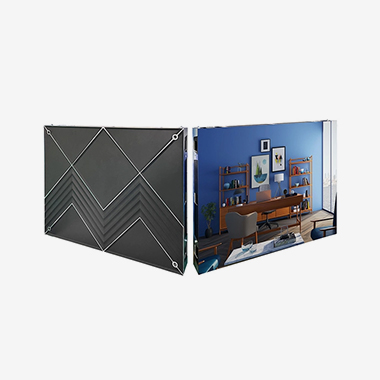
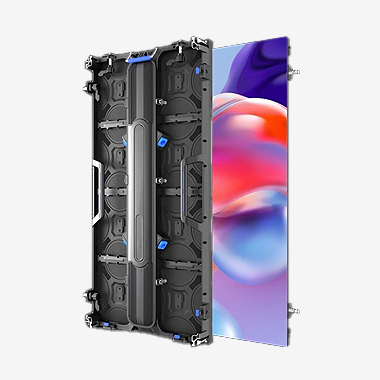
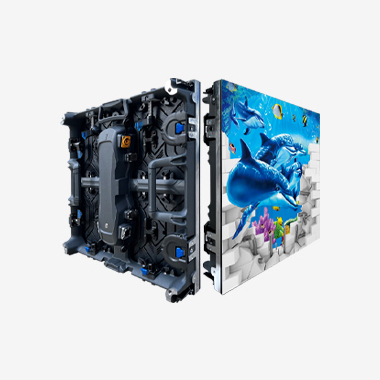
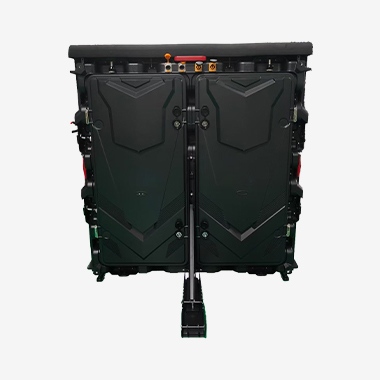
One of the key advantages of LED indoor rental screens for music festivals is their modular design. Music festivals often have multiple stages (e.g., main stage, secondary stage, DJ booth) with different sizes and layouts, and rental screens can be easily assembled and reconfigured to fit each stage’s unique needs. For example, the main stage might feature a large, curved LED wall (e.g., 12m x 6m) to create a dramatic backdrop for headliners, while a smaller secondary stage could use a compact LED screen (e.g., 4m x 2.25m) to display artist visuals and lyrics. The modular design also allows for creative configurations, such as multi-screen setups (e.g., a main screen flanked by two smaller side screens) or irregular shapes (e.g., circular, triangular screens) that add visual interest and complement the festival’s theme. Additionally, the lightweight nature of LED rental panels (typically 6-8kg per panel) makes them easy to transport and install, which is critical for music festivals that often require quick setup and teardown between stages or events.
High resolution and color accuracy are essential for music festival visuals, as they need to capture the energy and emotion of the music. Modern LED indoor rental screens offer pixel pitches ranging from P1.9 to P3.9, with finer pixel pitches (P1.9-P2.6) delivering ultra-clear images even at close viewing distances—ideal for stages where attendees are standing near the front. These screens support 16.7 million colors and high contrast ratios, ensuring that visuals such as music videos, live camera feeds, abstract animations, and stage effects are displayed with stunning clarity and vibrancy. For example, a DJ set might feature a LED screen displaying dynamic, color-changing visuals that sync with the beat of the music, creating a hypnotic effect that draws the audience into the performance. A live band might use the screen to display music videos, lyrics, or behind-the-scenes footage, enhancing the emotional connection between the band and the audience.
Another critical feature of LED indoor rental screens for music festivals is their high refresh rate. Music festivals often feature fast-paced visuals, live camera feeds, and quick scene changes, and a high refresh rate (3840Hz-7680Hz) ensures that the visuals are smooth and flicker-free, even when displayed on large screens. This is particularly important for live camera feeds, which need to be crisp and fluid to capture the energy of the performance. Additionally, many LED rental screens support high dynamic range (HDR), which enhances the contrast between light and dark areas, making visuals more vivid and realistic. For example, a rock band’s performance might feature dark, moody visuals with bright, contrasting highlights, and HDR ensures that these details are captured clearly, creating a more immersive experience.
Flexibility in content display is another major benefit of LED indoor rental screens for music festivals. Festival organizers and artists can easily switch between different types of content to match the music and the mood of the performance. This includes live camera feeds of the artists, pre-recorded music videos, abstract animations, lyrics, social media feeds (where attendees can share their festival experiences), and even interactive elements such as crowd cameras or live polls. For instance, during a headliner’s set, the LED screen might display a live feed of the artist, interspersed with dynamic animations that sync with the music. Between sets, the screen can display festival information (e.g., stage times, food vendors, restroom locations) or sponsor messages, keeping attendees informed and engaged.
Durability and reliability are also critical for music festivals, which often run for multiple days, with performances lasting late into the night. LED indoor rental screens are designed to withstand the rigors of festival life, with robust cabinets made from die-cast aluminum that are resistant to damage from transportation, setup, and teardown. Many rental screens also feature dual power and signal redundancy, ensuring that if one power source or signal fails, the screen will continue to operate without interruption—critical for a music festival where a single moment of downtime could disrupt the performance and disappoint the audience. Additionally, rental screens are calibrated before delivery to ensure uniform brightness and color across the entire display, eliminating any inconsistencies that could detract from the visual experience.
Cost-effectiveness is another key reason why LED indoor rental screens are the preferred choice for music festivals. Many festival organizers operate on tight budgets, and purchasing permanent LED screens for multiple stages is impractical. Rental screens eliminate the need for upfront investment, maintenance costs, and storage, allowing organizers to allocate their budget to other aspects of the festival such as artist fees, sound equipment, and marketing. Additionally, rental companies often provide full-service support, including delivery, setup, calibration, and technical assistance during the festival, reducing the burden on festival organizers and ensuring a smooth, stress-free experience.
To illustrate the impact of LED indoor rental screens on music festivals, consider a real-world example: an indoor electronic music festival held in a large warehouse. The festival featured three stages: a main stage, a techno stage, and a chill-out stage. The main stage used a 10m x 5m LED rental screen with a P2.5 pixel pitch, curved to create an immersive backdrop for the headlining DJs. The screen displayed dynamic, color-changing animations that synced with the music, as well as live camera feeds of the DJ and the crowd. The techno stage used a 6m x 3m LED screen with a P2.9 pixel pitch, displaying dark, industrial-style visuals that matched the genre’s aesthetic. The chill-out stage featured a 4m x 2.25m LED screen with a P3.9 pixel pitch, displaying calming, abstract visuals and nature footage to create a relaxed atmosphere. Attendees moved between stages, each time being greeted by a unique visual experience that complemented the music, making the festival feel dynamic and engaging.
Another example is a small indoor indie music festival held in a convention center. The festival’s main stage featured a 5m x 3m LED rental screen with a P2.0 pixel pitch, which displayed music videos from the performing artists, as well as live camera feeds of the bands. Between sets, the screen displayed interviews with the artists and festival information, keeping attendees engaged. The screen also featured interactive elements, such as a live feed of the crowd, where attendees could see themselves on screen and share photos on social media. The LED screen transformed the convention center into a intimate, immersive space, allowing attendees to connect with the artists and each other in a meaningful way.
When choosing an LED indoor rental screen for a music festival, there are several key factors to consider. First, the pixel pitch: for stages where attendees are close to the screen (e.g., small stages, DJ booths), a finer pixel pitch (P1.9-P2.6) is ideal to ensure clear visuals. For larger stages with longer viewing distances, a slightly larger pixel pitch (P2.9-P3.9) can be used to balance clarity and cost. Second, screen size: the screen should be large enough to be visible from all corners of the venue, but not so large that it overwhelms the stage. A general rule of thumb is that the screen width should be at least half the width of the stage for main stages. Third, brightness: indoor LED screens typically have a brightness of 800-1200 nits, but for stages with bright stage lighting, a higher brightness (1500 nits or more) may be needed to ensure visibility. Fourth, refresh rate: a high refresh rate (3840Hz or higher) is essential for fast-paced visuals and live camera feeds. Fifth, content management: ensure that the rental screen comes with user-friendly content management software that allows for easy switching between different content types and real-time adjustments.
In conclusion, LED indoor rental screens have become an essential part of modern music festival production, offering flexibility, high-quality visuals, and cost-effectiveness that traditional display solutions cannot match. They transform ordinary indoor venues into immersive, dynamic spaces that complement the music, engage the audience, and create lasting memories. Their modular design, high resolution, color accuracy, and reliability make them the perfect choice for festival organizers and artists looking to elevate the festival experience. As music festivals continue to evolve, LED indoor rental screens will remain a key tool in creating unforgettable visual experiences that enhance the power of music and bring people together.


Copyright © 2026 Shenzhen Cogo Technology Co.,Ltd.
All Rights Reserved

 Previous article