




 Chat Now
The modern urban landscape is a dynamic canvas, and at the forefront of this visual revolution is the waterproof outdoor media LED display panel. These colossal, luminous structures have transcended their role as mere advertising billboards to become integral architectural elements, public information hubs, and landmarks that define the identity of a city. From the iconic, dazzling spectacles of Times Square and Piccadilly Circus to the sleek digital façades of corporate headquarters and sports stadiums, these displays represent the pinnacle of durable, all-weather visual communication.
A waterproof outdoor media LED display panel is a high-brightness, modular electronic system engineered specifically for permanent installation in environments exposed to the elements. The term "waterproof" is not a casual descriptor but a critical performance characteristic, typically signifying a rating of IP65 or higher on the Ingress Protection scale. This means the unit is completely dust-tight (6) and protected against low-pressure water jets from any direction (5), ensuring reliable operation during heavy rain, snow, dust storms, and extreme temperature fluctuations. "Media" underscores its primary function: to serve as a dynamic platform for broadcasting a wide array of content, including commercial advertising, public service announcements, artistic performances, live event feeds, and real-time information.
The evolution of this technology is a story of overcoming environmental challenges. Early outdoor video displays were plagued by moisture ingress, which led to catastrophic failures of sensitive electronics. The development of robust sealing techniques, corrosion-resistant materials, and advanced thermal management systems has been fundamental to their success. This durability, combined with drastic improvements in LED brightness and color fidelity, has allowed these displays to move from niche applications to mainstream urban infrastructure.
Key characteristics that define these panels include:
Exceptional Environmental Resistance: Built to withstand prolonged exposure to UV radiation, rain, sleet, high winds, and particulate matter without degradation of performance or structural integrity.
High Luminous Efficacy and Brightness: Capable of producing extreme brightness levels (often 5,000 to 10,000 nits) to overcome direct sunlight and remain vividly visible at all times of day.
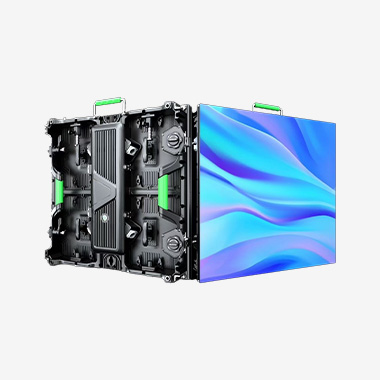
Robust Structural Design: Engineered with heavy-duty materials like die-cast aluminum and stainless steel fasteners to resist corrosion, support significant weight, and endure physical stress.
Long-Range Visibility and Scalability: Designed with a pixel pitch appropriate for viewing from tens or hundreds of meters away, and modularly constructed to create vast, seamless canvases of any size or shape.
Intelligent Remote Management: Networked for centralized control, allowing for real-time content updates, performance monitoring, and diagnostic checks from anywhere in the world.
In essence, the waterproof outdoor media LED display is a masterpiece of applied engineering. It is a permanent fusion of hardware and software, designed to deliver breathtaking visual media in the most demanding conditions imaginable. It has redefined outdoor advertising, created new possibilities for architectural design, and become a symbol of a connected, digital, and vibrant public sphere.
The ability of an outdoor media LED panel to operate flawlessly 24/7 for years, while besieged by rain, sun, and temperature swings, is a direct result of its meticulous, over-engineered construction. Every component and joint is designed with a single, unwavering goal: absolute protection of the sensitive internal electronics without compromising optical performance or thermal management.
1. The IP65 Ecosystem: A Holistic Approach
Waterproofing is not achieved by a single component but is a system-wide philosophy. It encompasses:
Cabinet Sealing: The die-cast aluminum cabinet is the first line of defense. High-grade silicone gaskets are precision-engineered to create a perfect seal between the front mask and the cabinet body, and between the back door and the cabinet. These gaskets must remain pliable and effective across a wide temperature range (-30°C to +60°C is common) to prevent cracking or compression set.
IP-Rated Connectors: Standard connectors are a primary point of failure. Waterproof displays use specialized locking connectors with integrated rubber O-rings. Common types include military-spec circular connectors or proprietary designs that seal the connection point from moisture the moment they are screwed together.
Conformal Coating: As a final layer of protection, the entire printed circuit board (PCB) of the LED module is often coated with a thin, transparent layer of acrylic, silicone, or urethane resin. This conformal coating protects the circuitry from condensation, humidity, and corrosive pollutants, preventing short circuits and electrochemical migration.
2. The Cabinet: The Structural and Thermal Backbone
The cabinet is a multifunctional marvel:
Material: Die-cast aluminum is the material of choice. It is strong, lightweight, and, most importantly, an excellent conductor of heat. The entire cabinet acts as a massive heat sink.
Passive Cooling Design: Unlike indoor displays, fans cannot be used as they would breach the IP rating. Instead, cooling is achieved through passive convection. Vents are strategically placed at the bottom and top of the cabinet, designed with labyrinthine channels or breathable membranes (e.g., Gore-Tex) that allow air to flow for pressure equalization and heat dissipation while completely blocking water and dust ingress.
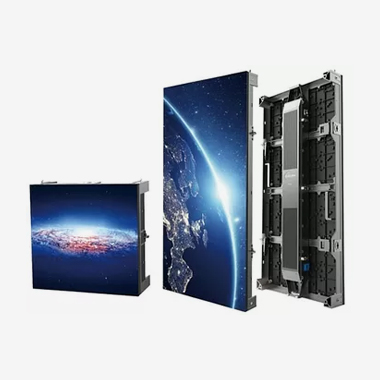
Rigging and Alignment: Cabinets feature integrated, load-rated rigging points for safe mounting onto a steel support structure. Precision-machined locating pins and tool-less locking mechanisms ensure cabinets align perfectly every time, maintaining a flat, seamless display surface that is critical for visual quality.
3. The LED Module: Protected Performance
The modules are built to thrive in a harsh environment:
Black SMD LEDs: Surface-Mounted Device (SMD) LEDs with a black packaging are standard. The black resin minimizes light reflection between pixels, significantly enhancing contrast ratio under bright ambient light. The resin is formulated with UV inhibitors to prevent yellowing and degradation from long-term sun exposure.
Robust Solder Joints: The process of soldering LEDs to the PCB is tightly controlled. Additional underfill epoxy is often applied to critical components to reinforce solder joints against failure caused by thermal expansion and contraction or vibration from wind.
4. Corrosion Resistance
Every metal component is treated to resist corrosion:
Fasteners: Stainless steel (e.g., 304 or 316 grade) is used for all screws, bolts, and locking parts.
PCB Finish: PCBs use a high-quality surface finish like Immersion Gold (ENIG) to protect the copper traces from oxidation.
Cabinet Finish: The aluminum cabinet is typically treated with an anti-oxidation coating or powder-coated for additional protection and a specific aesthetic.
5. Power and Data Infrastructure
Waterproof Power Supplies: The switch-mode power supplies (SMPS) are themselves housed in sealed compartments within the cabinet and are rated for outdoor use.
Redundant Design: Critical pathways often have redundancy. For example, data may be wired in a loop; if one receiving card fails, the signal can bypass it to keep the rest of the display operational.
In summary, the construction of a waterproof outdoor LED panel is an exercise in defensive engineering. It is a sealed, self-regulating ecosystem that manages heat, blocks environmental threats, and ensures every electronic component operates within its ideal parameters, guaranteeing a long service life and unwavering reliability under the open sky.
The operational principles of a waterproof outdoor LED display extend far beyond simply lighting up pixels. It is a continuous cycle of data processing, environmental adaptation, and system self-preservation, all orchestrated to deliver a flawless media experience regardless of external conditions.
1. The Core Visual Engine: PWM and Color Mixing
The fundamental task of creating an image remains the same: using Pulse-Width Modulation (PWM) to control the intensity of red, green, and blue sub-pixels. Driver Integrated Circuits (ICs) on each module switch each LED on and off thousands of times per second. The human eye integrates these rapid pulses into a perceived level of brightness. By independently controlling the duty cycle of each color, the display achieves additive color mixing, producing millions of colors with precision.
2. The Content Delivery and Processing Chain
The journey from a media file to a public display is a robust, networked process:
Content Creation & Management: Content is created and scheduled through a Central Management System (CMS) software platform. This can include playlists, dayparting schedules, and live feed triggers.
Data Transmission: The CMS sends the scheduled content over a secure network connection (via fiber optic, Ethernet, or 4G/5G cellular link) to the display's on-site controller.
The Video Processor: This dedicated computer performs critical real-time tasks:
Scaling: It resizes the input signal to match the native, non-standard resolution of the LED wall.
Calibration Application: It applies a unique calibration file to every single module, correcting for minute variations in LED color and brightness to ensure absolute uniformity across the entire display—a non-negotiable requirement for a professional media canvas.
Color & Brightness Optimization: It can adjust the output based on pre-set schedules or commands.
Signal Distribution: The processor outputs the corrected signal to the display array. The signal daisy-chains from cabinet to cabinet via the waterproofed data cables. Each cabinet's receiving card reads the data for its own pixels and forwards the rest.
3. Environmental Adaptation and Protection
This is where the "outdoor" operation becomes intelligent:
Ambient Light Sensors: Most displays are equipped with light sensors that continuously measure the surrounding brightness. The control system uses this data to automatically adjust the display's brightness. It ramps up to maximum (e.g., 8,000 nits) at noon under full sun and significantly dims at night. This is critical for energy savings, reducing light pollution, and complying with local regulations.
Thermal Management: Temperature sensors inside the cabinets monitor the operating temperature. The system can proactively reduce brightness if temperatures exceed safe limits, protecting the LEDs from thermal degradation. This is a key self-preservation mechanism.
Condensation Prevention: The passive ventilation system is designed to allow the cabinet to "breathe" while keeping water out. This prevents a buildup of humidity inside the cabinet that could lead to condensation on the electronics, which is a major cause of failure.
4. Remote Monitoring and Diagnostics (The "Always-On" Principle)
A waterproof outdoor display is never truly offline. It maintains a constant connection to a Network Operations Center (NOC). This allows for:
Real-Time Health Monitoring: Technicians can remotely view the status of every cabinet—temperature, power consumption, and online/offline status.
Proactive Alerting: The system can send automatic alerts via email or SMS for predefined events, such as a power supply failure, a spike in temperature, or a cluster of dead pixels.
Remote Troubleshooting: Many issues can be diagnosed and often resolved (e.g., by rebooting a component) remotely, minimizing the need for costly and dangerous service calls, especially for displays mounted high on buildings.
In essence, the working principle is a sophisticated feedback loop. It ingests content, processes it for perfection, and outputs it as light, all while continuously monitoring its own health and the external environment to adapt and protect itself. It transforms a simple video signal into a resilient, intelligent, and awe-inspiring public media platform.
The deployment of a large-scale outdoor LED media wall is a significant undertaking. Its profound advantages have made it a dominant force in advertising and architecture, but these are balanced against a set of formidable challenges that require careful consideration and expert management.
Advantages:
Unrivaled Visibility and Impact: The core advantage. The combination of massive size, extreme brightness, and dynamic motion creates an unparalleled ability to capture attention. It dominates the visual field, making it the most powerful tool for brand awareness and messaging in the public space.
24/7/365 All-Weather Reliability: The IP65 waterproof and dustproof rating ensures continuous operation regardless of weather conditions. This reliability translates to guaranteed uptime for advertisers and media owners, protecting revenue and ensuring message delivery.
Dynamic Content Flexibility: This is a revolutionary advantage over static billboards. Content can be changed instantly and remotely across a global network of displays. This enables:
Real-Time Advertising: Launching immediate campaigns tied to current events.
Dayparting: Showing relevant ads at different times of day (e.g., breakfast, lunch, evening entertainment).
Live Content Integration: Broadcasting live news, sports events, social media feeds, or stock tickers.
High Revenue Potential: Media owners can sell advertising time to multiple advertisers on a single screen, dramatically increasing the yield from a premium location compared to a static billboard that hosts one ad for weeks.
Durability and Long Lifespan: Constructed from robust materials, these displays are designed for a long service life (often 100,000 hours to 50% brightness). Their solid-state nature means there are no consumables (like projector bulbs) to replace, leading to lower long-term maintenance costs despite the high initial investment.
Modern Brand Image: Advertising on or owning a high-tech digital display projects an image of innovation, success, and market leadership, enhancing the brand equity of both the advertiser and the media company.
Challenges:
Extremely High Capital Expenditure: The upfront cost is substantial. This includes not just the LED panels, but also the structural steel support, high-power electrical installation, video processors, and significant civil engineering work for foundations and access.
Substantial Operational Costs: The primary ongoing cost is electricity. A large display can consume power equivalent to dozens of homes. While efficiency improves, the scale of power required remains a major operational expense.
Regulatory and Community Hurdles: Obtaining permits can be a lengthy, expensive, and uncertain process. Communities often have concerns about:
Light Pollution: Regulations strictly govern allowable brightness levels, especially at night.
Driver Distraction: Displays near roads face scrutiny regarding their potential impact on traffic safety.
Aesthetic Impact: There can be significant opposition to displays deemed out of character with a neighborhood's aesthetic.
Complex Maintenance and Repair: While reliable, the displays contain millions of components. Failures will occur. Maintaining and repairing displays, especially those mounted in difficult-to-access locations (e.g., high on a building), requires highly skilled technicians and can be very costly and logistically complex.
Content Production Demands: The need for a constant stream of high-quality, motion-based video content is a significant shift from static imagery. Advertisers must invest more in content creation to leverage the medium effectively.
Technical Management Complexity: Operating a networked system of complex electronic devices requires expertise in networking, video engineering, and structural monitoring. System failures, if not managed correctly, can lead to prolonged and expensive downtime.
In conclusion, the advantages of waterproof outdoor media displays—their impact, flexibility, and revenue potential—are transformative. However, the challenges are significant and are primarily financial, regulatory, and operational. Success is not guaranteed by the technology alone but depends on thorough planning, community engagement, strategic investment, and partnership with experienced experts to navigate these complexities effectively.
The application of waterproof LED technology has expanded from simple billboard replacement to a versatile tool for urban communication, architecture, and experience creation. Concurrently, technological and societal trends are shaping a future where these displays will become more intelligent, integrated, and immersive.
Applications:
Digital Out-of-Home (DOOH) Advertising: The primary application. This includes:
Billboards: Large-format displays along highways and in urban centers.
Spectaculars: Iconic, building-sized displays in world-famous locations like Times Square.
Retail & Point-of-Sale: Displays on shopping malls and stores to promote offers and brands.
Architectural Integration and Media Facades: LED panels are increasingly woven into the fabric of buildings themselves. They transform static architecture into dynamic, changeable art pieces, used for branding on corporate HQs, creating stunning visual effects on hotels, and enhancing the aesthetic of public buildings.
Sports and Entertainment Venues: Used as giant scoreboards, replay screens, and ribbon boards in stadiums and arenas. They enhance the live experience for audiences by providing close-up views, stats, and immersive graphics.
Public Information and Wayfinding: Used in transportation hubs (airports, train stations), city squares, and university campuses to display timetables, emergency alerts, news, directions, and public service announcements.
Live Event and Concert Broadcasting: Used for public viewing areas for major sporting events (e.g., World Cup, Olympics), concerts, and cultural festivals, bringing people together in shared experiences.
Corporate Communication: Companies use them at their facilities for employee communications, showcasing company performance, and welcoming visitors.
Future Trends:
Finer Pixel Pitches for Versatility: The drive for smaller pixel pitches will continue. This will allow for higher-resolution displays to be used in closer-viewing contexts, blurring the lines between traditional outdoor billboards and high-end indoor signage, and opening up new applications in urban environments.
AI-Powered Contextual Advertising: Artificial Intelligence will be the biggest game-changer. Displays will evolve from broadcast tools to intelligent, context-aware platforms.
Audience Measurement: Cameras and sensors (using anonymized, privacy-compliant data) will detect audience demographics, size, and even engagement, allowing for real-time measurement of ad effectiveness.
Programmatic DOOH: Ads will be bought and sold in real-time based on this audience data, weather conditions, traffic flow, or time of day, ensuring the most relevant ad is shown at the perfect moment.
Predictive Content: AI could predict optimal content strategies based on historical performance data.
Transparent and Flexible LED Technology: Transparent LED films will allow for digital displays to be integrated into glass façades and windows without obstructing the view. Flexible modules will enable curved, wave-like, and unconventional architectural forms, moving beyond flat screens.
Enhanced Sustainability: The focus on reducing environmental impact will intensify.
Energy Efficiency: Ongoing improvements in LED and driver efficiency will reduce power consumption. The use of solar panels to offset energy use will become more common.
Adaptive Brightness: Smarter, more responsive ambient light sensors will optimize brightness more precisely to save energy and reduce light pollution.
Circular Economy: Manufacturers will focus on designing for disassembly, recyclability, and longer product lifespans.
3D and Holographic Effects: Advances in high refresh rates, depth-sensing cameras, and software will make "glasses-free 3D" or holographic effects more robust and accessible. This will create incredibly immersive and attention-grabbing experiences for high-impact advertising campaigns.
5G and Edge Computing: The rollout of 5G networks will enable faster, more reliable content updates and facilitate the real-time data processing required for AI applications. Edge computing will allow more processing to be done locally at the display site, reducing latency.
The future of the outdoor media LED panel is one of intelligence and integration. It will shift from being a dumb screen to a smart, connected node in the urban Internet of Things (IoT), capable of delivering hyper-relevant, interactive, and sustainable visual experiences that are seamlessly woven into the cityscape.
Conclusion
The waterproof outdoor media LED display panel has cemented its role as a transformative and enduring feature of the 21st-century urban environment. It is far more than a billboard; it is a resilient, intelligent, and dynamic platform that has redefined public communication, advertising, and architecture. Its journey from a novel technological marvel to a mainstream medium is a testament to its profound effectiveness and its ability to overcome the formidable challenges of the outdoor environment.
Its value proposition is undeniable. By offering unmatched visual impact, 24/7 reliability, and unparalleled content flexibility, it provides advertisers, cities, and brands with a powerful tool to engage audiences at a massive scale. The ability to change messages in real-time has created a new, agile form of out-of-home media that is responsive to the moment, making it more relevant and effective than static advertising could ever be.
However, its future growth and acceptance hinge on responsible adoption. The industry must continue to proactively address its challenges, particularly regarding energy consumption and light pollution, through technological innovation and conscientious self-regulation. Engaging with communities and policymakers to establish sensible guidelines that balance commercial interests with public well-being is crucial for securing its long-term social license to operate.
Looking ahead, the trajectory is set for a new era of intelligent displays. The convergence of AI, data analytics, and ever-more-advanced display technology will usher in a future where outdoor media is not just seen but is contextually aware. It will respond to its environment and its audience, delivering messages that are personalized for the time, place, and people present. It will become an integrated element of smart city infrastructure, providing both beauty and function.
In conclusion, the waterproof outdoor media LED display is a cornerstone of modern digital culture. It is a durable engine of economic activity, a canvas for creative expression, and a vital tool for public information. As technology continues to evolve, its potential will only expand, ensuring that it remains at the vibrant heart of our digital cities, telling the world's stories in light, rain or shine, for years to come.


Copyright © 2026 Shenzhen Cogo Technology Co.,Ltd.
All Rights Reserved

 Previous article