




 Chat Now
In the realm of modern transportation and advertising, large outdoor media LED display panels installed along highways have emerged as a powerful and influential medium. These massive displays, towering over roadways and visible to countless motorists and passengers daily, serve as a dynamic bridge between advertisers and a vast, mobile audience. As highways are major arteries of movement, connecting cities, regions, and even countries, the LED display panels positioned along them capitalize on the high traffic volume to deliver impactful messages with remarkable reach.
The growth of large outdoor media LED display panels for highways can be attributed to several converging factors. First and foremost, the evolution of LED technology has made it possible to produce displays that can withstand the harsh outdoor conditions typical of highway environments. These panels are engineered to endure extreme temperatures, strong winds, heavy rain, and exposure to direct sunlight, ensuring consistent performance over extended periods. High - brightness LEDs, capable of emitting vivid and clear visuals even in bright daylight, are at the core of these displays, making the content highly visible to drivers and passengers traveling at high speeds.
The shift towards digital advertising has also significantly propelled the adoption of these panels. Unlike traditional static billboards, LED display panels offer unparalleled flexibility. Advertisers can update the content in real - time, allowing for targeted campaigns based on various factors such as time of day, day of the week, local events, and even traffic conditions. For example, during holiday seasons, travel - related advertisements can be prominently featured, while during peak commuting hours, messages aimed at working professionals may take center stage. This adaptability enables advertisers to optimize their marketing strategies and maximize the return on investment.
Moreover, the large size of these highway - mounted LED display panels makes them impossible to ignore. Their imposing presence and ability to display high - resolution images, videos, and animations create a powerful visual impact, effectively capturing the fleeting attention of those on the move. This has made them a preferred choice for major brands, local businesses, and even government agencies looking to communicate important messages, promote products and services, or disseminate public information on a large scale.
However, the operation of large outdoor media LED display panels on highways also comes with its fair share of challenges. Ensuring the safety of both the installation and the viewers is of utmost importance. The panels must be securely mounted to withstand the forces exerted by strong winds and vibrations from passing vehicles. Additionally, regulatory requirements regarding display brightness, size, and location must be strictly adhered to, as excessive brightness or improper placement could potentially distract drivers and pose a safety hazard.
The design and construction of large outdoor media LED display panels for highways are meticulously engineered to meet the unique demands of the highway environment while delivering outstanding visual performance.
LED Module Design
The LED module forms the fundamental building block of these massive displays. High - performance LEDs are carefully selected for each module to guarantee optimal brightness, color accuracy, and longevity. Specialized LEDs with high luminous efficacy and excellent color - rendering properties are favored, as they need to produce vivid and consistent colors under the ever - changing lighting conditions of the highway, from the intense glare of sunlight to the dim light of dawn and dusk.
In recent years, the advent of mini - LED and micro - LED technologies has started to influence the design of highway LED modules. Mini - LEDs, with their smaller form factor, allow for higher pixel densities, enabling the creation of more detailed and sharp visuals. This is crucial for highway displays, where the content needs to be clearly legible even from a distance and at high speeds. Although micro - LED technology is still in the early stages of widespread commercialization due to cost and production complexity, it holds great promise for future highway displays, potentially offering even better brightness uniformity, contrast ratios, and energy efficiency.
The layout of LEDs within the module is optimized to ensure uniform light distribution across the entire display surface. For full - color displays, red, green, and blue (RGB) LEDs are typically arranged in a specific pattern. The pixel pitch, which is the distance between the LEDs, is carefully determined based on the intended viewing distance of the display. Given that highway displays are viewed from relatively far distances by moving vehicles, larger pixel pitches are commonly used to balance visibility and cost - effectiveness while still maintaining a clear and coherent image.
Effective heat dissipation is a critical aspect of LED module design for highway applications. The high - power operation of the LEDs, combined with exposure to sunlight, generates a significant amount of heat. Advanced heat - sink materials, such as aluminum with enhanced thermal conductivity, are employed to efficiently dissipate the heat. Some modules may even incorporate forced - air cooling or liquid - cooling systems to ensure that the LEDs operate within their optimal temperature range, preventing performance degradation and premature failure.
Panel Structure and Frame
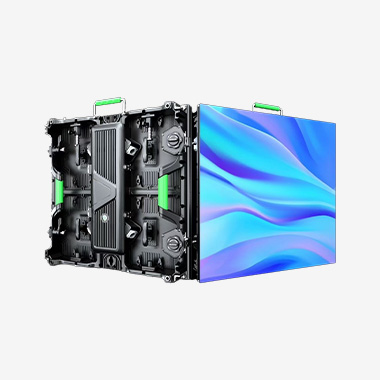
The panel structure of large outdoor media LED display panels for highways is designed to be robust and resilient. A heavy - duty metal frame, often constructed from steel or high - grade aluminum alloys, serves as the structural backbone of the display. Steel provides exceptional strength and durability, capable of withstanding the strong winds and vibrations encountered along highways. Aluminum alloys, on the other hand, offer a high strength - to - weight ratio, reducing the overall weight of the structure while still maintaining sufficient stability.
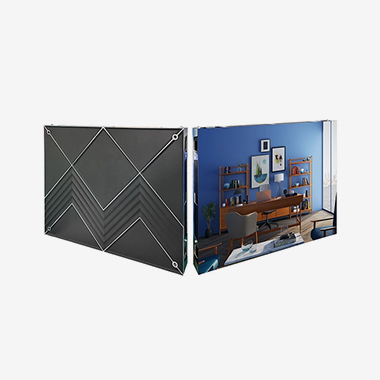
The front of the panel is protected by a high - quality, optically clear cover. This cover is typically made of tempered glass or polycarbonate, which not only offers excellent light transmission but also provides protection against impacts, scratches, and UV radiation. Anti - glare coatings are applied to the cover to minimize reflections from sunlight and vehicle headlights, ensuring that the display content remains clearly visible at all times.
The back of the panel houses the electrical components and control systems. These areas are enclosed in a waterproof and dust - proof enclosure to safeguard the sensitive electronics from moisture, dust, and other environmental contaminants. Specialized gaskets and seals are used to create an airtight and watertight barrier, ensuring the reliable operation of the panel in various weather conditions.
Electrical and Control Systems
The electrical system of large outdoor media LED display panels for highways is designed to provide a stable and reliable power supply to the numerous LEDs in the display. High - capacity power supplies are required to drive the large - scale panels, especially those with high - brightness and high - resolution capabilities. These power supplies are equipped with built - in protection mechanisms against overvoltage, overcurrent, and short - circuits to prevent electrical failures and ensure the safety of the entire system.
The control system is the brain of the LED display panel, responsible for managing the display content and ensuring its smooth operation. Control cards receive digital image and video data from external sources, such as media servers, computers, or content - management systems. These control cards convert the data into electrical signals that control the brightness, color, and timing of each LED in the panel. Advanced control systems support features such as real - time content updating, multi - source input switching, and synchronization with other display panels or external devices. They also enable remote monitoring and control of the panel, allowing operators to manage and update the display content from a centralized location, which is particularly convenient for large - scale highway display networks.
The working principles of large outdoor media LED display panels for highways are based on the fundamental properties of LEDs and digital signal processing, enabling the creation of eye - catching and engaging visual content for the highway audience.
LED Emission
At the heart of these display panels are light - emitting diodes (LEDs), semiconductor devices that emit light when an electric current passes through them. When a voltage is applied across the LED, electrons from the n - type semiconductor material combine with holes in the p - type semiconductor material. This recombination process releases energy in the form of photons, resulting in the emission of light. The color of the light emitted depends on the energy bandgap of the semiconductor material. For full - color displays used on highways, red, green, and blue LEDs are combined, and by varying the intensity of each color, a vast spectrum of colors can be created through additive color mixing.
In each pixel of the display panel, multiple RGB LEDs work in harmony. By precisely controlling the current flowing through each of the red, green, and blue LEDs, the display can produce a wide range of colors and accurately reproduce the desired images and videos. The intensity of the current determines the brightness of the LED, and through careful adjustment of these intensities, the panel can display vivid and detailed content that stands out against the backdrop of the highway environment.
Digital Signal Processing
The display panel receives digital image and video data from various sources, such as a computer running advertising - creation software, a media server storing pre - recorded advertisements, or a live - streaming device for real - time content. This data is typically in a digital format, such as a video file in a standard format like MP4 or a digital image file in formats like JPEG or PNG.
The control system of the display panel first decodes the incoming digital data. This involves extracting relevant information, such as pixel color values, frame - rate, and synchronization signals, from the data stream. The control cards then convert this decoded data into a series of electrical signals that can be understood by the LED drivers in the individual modules. These electrical signals are transmitted to the LED modules at a very high frequency, usually several hundred times per second. The signals control the precise timing of when each LED should turn on, off, and at what intensity, effectively creating the illusion of continuous images and videos on the large display panel.
To ensure smooth playback of video content and accurate display of static images, the display panel's control system also handles frame synchronization. It matches the frame rate of the incoming video data with the refresh rate of the display panel. A mismatch between these rates can result in visual artifacts, such as stuttering, tearing, or dropped frames, which would reduce the effectiveness of the advertisement or message being displayed.
Pulse - Width Modulation (PWM)
Pulse - width modulation (PWM) is a crucial technique used in large outdoor media LED display panels for highways to achieve precise brightness control. PWM works by rapidly turning the LEDs on and off at a high frequency. The duty cycle of the PWM signal, which is the proportion of time the LED is on within a given period, determines the average brightness of the LED.
For example, if the PWM signal has a duty cycle of 80%, the LED is on for 80% of the time and off for 20% of the time, resulting in an average brightness that is 80% of its maximum. By precisely adjusting the duty cycle for each LED in the pixel, the display can achieve fine - grained control over the brightness and color. This is particularly important for highway displays, as they need to adapt to different lighting conditions throughout the day, from the bright sunlight of midday to the low - light conditions of early morning and evening. PWM also helps to reduce power consumption by operating the LEDs at the minimum necessary brightness levels to achieve the desired visual effect, contributing to the energy - efficiency of the display panel.
Advantages
Massive Reach and High Visibility
Large outdoor media LED display panels on highways offer an unparalleled reach, with the potential to expose advertisements and messages to thousands, if not millions, of people daily. The high traffic volume on highways ensures that the displays are seen by a diverse audience, including commuters, long - distance travelers, and tourists. Their large size and high - brightness capabilities make them highly visible even from a distance and in various weather conditions, ensuring that the content stands out against the backdrop of the highway and captures the attention of passing motorists and passengers.
Flexibility in Content Management
These panels provide advertisers with exceptional flexibility in content management. The ability to update the displayed content in real - time allows for targeted advertising campaigns. Advertisers can tailor their messages based on factors such as time of day, day of the week, local events, and traffic patterns. For instance, during rush hours, advertisements for coffee shops or quick - service restaurants can be featured, while on weekends, promotions for recreational activities or shopping malls may be more appropriate. This adaptability enables advertisers to optimize their marketing strategies and increase the effectiveness of their campaigns.
Enhanced Brand Visibility and Awareness
The prominent and highly visible nature of highway LED display panels significantly enhances brand visibility and awareness. A well - designed and strategically placed advertisement on these large displays can leave a lasting impression on the audience. The ability to display high - resolution images, videos, and dynamic animations helps brands to stand out from the competition and build a strong brand identity in the minds of consumers. Consistent exposure on these panels over time can lead to increased brand recognition, recall, and ultimately, customer loyalty.
Data - Driven Advertising Opportunities
With the integration of data analytics tools, large outdoor media LED display panels on highways offer valuable data - driven advertising opportunities. Advertisers can track metrics such as audience reach, engagement rates, and the effectiveness of different content strategies. By analyzing data on traffic flow, demographics of the highway users, and the performance of previous advertisements, advertisers can make informed decisions to optimize their future campaigns, ensuring a higher return on investment.
Versatility in Applications
These panels are not only used for commercial advertising but also have a wide range of other applications. Government agencies can utilize them to disseminate important public information, such as traffic alerts, emergency announcements, and public service messages. They can also be used for promoting local attractions, cultural events, and tourism destinations, contributing to the economic development of the regions along the highways.
Challenges
High Initial Investment and Operational Costs
The installation and setup of large outdoor media LED display panels on highways require a substantial upfront investment. The cost includes the purchase of the panels themselves, which are expensive due to their large size, high - quality components, and advanced technology. Additionally, costs associated with site preparation, structural installation, electrical infrastructure, and control systems add to the overall expense. Ongoing operational costs, such as electricity consumption, maintenance, and content management, also contribute to the financial burden, making it a significant investment for advertisers and operators.
Technical Complexity and Maintenance Requirements
Operating and maintaining these large - scale LED display panels is a technically complex task. Ensuring proper electrical connections, calibrating the display for accurate color and brightness, and troubleshooting technical issues require specialized knowledge and skills. The complexity of the control systems, which handle high - speed digital data and precise LED - driving signals, further adds to the challenge. Regular maintenance, including cleaning the panels, checking for component failures, and updating software, is essential to ensure optimal performance, and finding qualified technicians to perform these tasks can be difficult, especially in remote areas along highways.
Safety and Regulatory Compliance
Safety is a top priority when it comes to large outdoor media LED display panels on highways. The panels must be securely mounted to withstand strong winds, earthquakes, and vibrations from passing vehicles to prevent accidents caused by falling structures. Additionally, strict regulatory requirements govern the size, location, brightness, and content of these displays to avoid distracting drivers and ensuring road safety. Obtaining the necessary permits and complying with these regulations can be a time - consuming and complex process, and any non - compliance can result in fines, penalties, or the shutdown of the display.
Environmental and Weather - Related Challenges
Highway - mounted LED display panels are exposed to a wide range of environmental and weather conditions. Intense sunlight can cause overheating of the LEDs, leading to reduced brightness, color degradation, and premature failure. Harsh weather events such as heavy rain, snowstorms, and hurricanes can damage the panel structure and electrical components. Corrosion from exposure to saltwater in coastal areas or pollutants in industrial regions can also affect the durability of the panels. Protecting the panels from these environmental factors requires robust design, regular maintenance, and the use of weather - resistant materials.
Content Creation and Audience Engagement
Creating effective content for large outdoor media LED display panels on highways is a challenging task. The content needs to be designed to be easily visible and understandable to viewers traveling at high speeds, which requires the use of large, bold text, high - contrast graphics, and simple, clear images. Additionally, capturing and maintaining the attention of a mobile audience with short attention spans is difficult. Developing engaging and memorable content that stands out among the numerous other advertisements and messages along the highway requires creativity, market research, and a deep understanding of the target audience.
Future Trends
Integration with Smart Technologies
These panels will increasingly integrate with smart technologies such as the Internet of Things (IoT), artificial intelligence (AI), and 5G. IoT sensors can be used to monitor the performance and environmental conditions of the panels in real - time. For example, temperature sensors can detect overheating issues caused by intense sunlight or high - power operation, and automatically trigger cooling mechanisms or alert maintenance teams. Humidity sensors can prevent damage from moisture, while motion sensors can detect potential vandalism or unauthorized access to the panels. This real - time monitoring ensures the optimal performance and longevity of the displays, reducing downtime and maintenance costs.
AI algorithms will play a crucial role in optimizing the content displayed on the panels. By analyzing data on traffic patterns, vehicle types, and demographics of the highway users, AI can determine the most effective advertising messages and display timings. For instance, if AI detects a high volume of family - oriented vehicles during weekends, it can prioritize ads for family - friendly attractions, restaurants, or consumer products. AI can also be used to dynamically adjust the brightness and contrast of the panels based on ambient light conditions, ensuring maximum visibility while conserving energy.
The high - speed connectivity of 5G will revolutionize the way content is delivered to the panels. It will enable seamless real - time updates of high - definition videos, interactive content, and live - streaming feeds. Advertisers will be able to instantly change their campaigns to target specific events or audiences passing by. For example, during a local sports event, nearby highway LED panels can quickly switch to display related advertisements or event - specific promotions. Additionally, 5G will support the integration of augmented reality (AR) experiences on the panels. Passers - by could use their smartphones to interact with the displays, overlaying virtual elements onto the real - world content and creating a more immersive and engaging advertising experience.
Sustainable and Energy - Efficient Innovations
With the growing global emphasis on sustainability, large outdoor media LED display panels for highways will witness significant advancements in energy - efficiency and eco - friendliness. Manufacturers will develop more efficient LED chips that consume less power while maintaining high brightness and color accuracy. New materials and manufacturing processes will be introduced to improve the light - emitting efficiency of the LEDs, reducing the overall energy consumption of the panels.
Smart power management systems will become more sophisticated. These systems will be able to analyze traffic data, time of day, and weather conditions to optimize the power usage of the panels. For example, during low - traffic hours at night, the panels can automatically dim to a lower brightness level, saving energy without sacrificing visibility. Solar - powered LED display panels will also become more prevalent, especially in remote or off - grid highway locations. Integrated solar panels can generate electricity during the day to power the displays, reducing dependence on the traditional power grid and minimizing the carbon footprint of the installations.
In terms of materials, the use of recyclable and sustainable materials in the construction of the panels will increase. From the LED modules to the frames and enclosures, every component will be designed with recyclability in mind. Some manufacturers may even explore circular economy models, where used panels are collected, refurbished, and reused, reducing waste and promoting a more sustainable lifecycle for the products.
Adaptive and Dynamic Display Shapes
The future of these panels will move beyond the traditional rectangular shapes. Flexible and stretchable LED display technologies will allow for the creation of unique and eye - catching installations along highways. These panels can be curved around the contours of highway structures, such as overpasses or tunnels, creating seamless and immersive visual experiences. Adaptive displays that can change their shape, size, or configuration in real - time will also emerge.
For example, a series of modular LED panels could be programmed to form different patterns or shapes based on the advertising content or the time of day. During festive seasons, the panels could transform into holiday - themed shapes, while during special events, they could display dynamic geometric patterns that attract attention. This flexibility in design will not only make the displays more visually appealing but also allow for more creative and memorable advertising campaigns that stand out in the highway landscape.
Enhanced Interactivity and Engagement
To capture the attention of the mobile highway audience more effectively, future LED display panels will focus on enhanced interactivity and engagement. Augmented reality (AR) and virtual reality (VR) technologies will be integrated more extensively. AR - enabled panels could allow drivers and passengers to use their smartphones or AR - equipped devices to interact with the content on the displays. For example, an advertisement for a new car model could offer an AR experience where users can virtually explore the interior, view different color options, or even take a virtual test drive.
Gesture - control and touch - sensitive technologies may also be incorporated in certain setups, especially in areas where pedestrians or stopped vehicles can interact with the panels. This would enable users to access additional information, play games, or participate in interactive promotional activities directly on the display. Social media integration will also play a role, allowing users to share their experiences related to the highway LED displays, further increasing the reach and engagement of the content.
Conclusion
Large outdoor media LED display panels on highways have become a significant force in modern advertising and information dissemination. Their unique ability to reach a vast, mobile audience, combined with the flexibility of digital content management, has made them invaluable for advertisers, government agencies, and regional promoters. From showcasing commercial products to providing essential traffic information and promoting tourism, these panels serve a diverse range of applications that enhance the functionality and economic vitality of highway corridors.
However, the widespread adoption of these panels is not without challenges. High initial investment, technical complexity, safety and regulatory requirements, environmental hazards, and the difficulty of creating engaging content all pose significant obstacles. Overcoming these challenges requires continuous innovation in technology, engineering, and content creation, as well as collaboration between various stakeholders, including manufacturers, advertisers, and regulatory bodies.
Looking ahead, the future of large outdoor media LED display panels for highways is promising, with exciting trends on the horizon. Higher resolutions, integration with smart technologies, sustainable and energy - efficient solutions, adaptive display shapes, and enhanced interactivity will redefine the capabilities of these panels. These advancements will not only address existing challenges but also open up new opportunities for more impactful, targeted, and engaging communication on the highways. As technology continues to evolve, these LED display panels will undoubtedly remain at the forefront of outdoor media, shaping the way we interact with the highway environment and consume information while on the move.


Copyright © 2026 Shenzhen Cogo Technology Co.,Ltd.
All Rights Reserved

 Previous article