




 Chat Now
In the dynamic landscape of the retail industry, indoor commercial LED display panels have emerged as a transformative tool, revolutionizing the way businesses engage with customers and showcase their products. These panels, leveraging the advanced technology of light - emitting diodes, have become an integral part of modern retail environments, from large - scale department stores and shopping malls to small - scale specialty shops.
The rise of indoor commercial LED display panels can be attributed to several key factors. First and foremost, the shift towards digitalization in the retail sector has created a demand for more dynamic and interactive advertising solutions. Unlike traditional static signage, LED display panels offer the flexibility to display a wide range of content, including high - resolution images, videos, animations, and real - time information. Retailers can easily update the content to promote new products, highlight special offers, or create engaging brand stories, allowing for more targeted and effective marketing campaigns.
Another driving force is the need to enhance the in - store customer experience. In an era where consumers are increasingly influenced by visual stimuli, indoor LED display panels provide a visually captivating way to attract and retain customers. The ability to display vivid colors, sharp images, and dynamic visuals creates an immersive shopping environment that can increase customer engagement, 延长 dwell time, and ultimately drive sales. For example, a fashion retailer can use LED panels to showcase runway shows, behind - the - scenes footage, or styled looks, inspiring customers and influencing their purchasing decisions.
Technological advancements in LED manufacturing have also played a crucial role in the growth of indoor commercial LED display panels. Improvements in LED efficiency, brightness, and color accuracy have made it possible to produce panels that deliver outstanding visual performance while consuming less energy. Additionally, the development of thinner, lighter, and more flexible LED panels has expanded the range of installation possibilities, allowing retailers to integrate the displays seamlessly into their store designs.
However, the use of indoor commercial LED display panels in retail also presents some challenges. The relatively high initial investment required for purchasing and installing the panels can be a barrier for small - scale retailers. Additionally, ensuring the panels are properly maintained and calibrated to maintain optimal visual quality over time requires technical expertise and resources. Moreover, with the increasing prevalence of digital displays in retail spaces, standing out from the competition and creating truly impactful content has become more challenging than ever.
The design and construction of indoor commercial LED display panels for retail are tailored to meet the specific requirements of the retail environment, balancing visual performance, durability, and ease of integration.
LED Module Design
The LED module is the building block of an indoor commercial LED display panel. High - quality LEDs are carefully selected to ensure excellent brightness, color accuracy, and longevity. For indoor applications, LEDs with a wide viewing angle are often preferred to ensure that the display content can be clearly seen from various positions within the store. Specialized LEDs with high color - rendering indices (CRIs) are also crucial, as they can accurately reproduce the colors of products, making them more appealing to customers.
In recent years, the emergence of mini - LED and micro - LED technologies has brought new possibilities to LED module design for retail displays. Mini - LEDs, with their smaller size compared to traditional LEDs, enable higher pixel densities, resulting in sharper and more detailed images. This is particularly beneficial for applications where close - up viewing is common, such as in product showcases or digital shelf labels. Micro - LEDs, although still in the early stages of commercialization, offer the potential for even better performance, including higher contrast ratios, faster response times, and lower power consumption.
The layout of LEDs within the module is optimized to achieve uniform light distribution across the display surface. For full - color displays, red, green, and blue (RGB) LEDs are typically arranged in a specific pattern. The pixel pitch, which is the distance between adjacent LEDs, is determined based on the intended viewing distance and the size of the display. Smaller pixel pitches are used for displays that will be viewed up close, such as those in store windows or product kiosks, while larger pixel pitches may be suitable for larger - scale displays in open - floor retail spaces.
Panel Structure and Frame
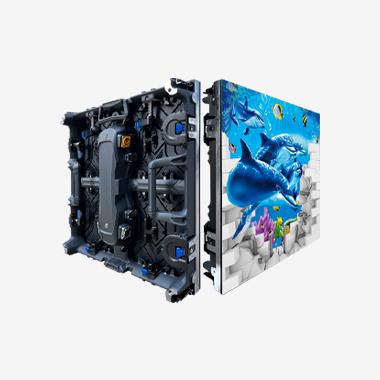
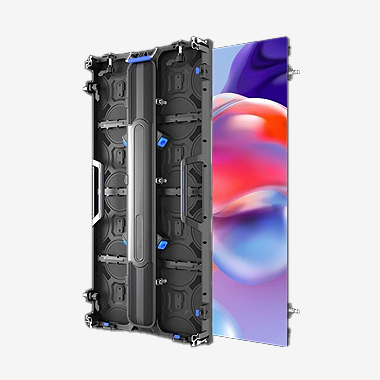
The panel structure of indoor commercial LED display panels is designed to be sleek and unobtrusive, blending seamlessly with the store's interior design. Slim - profile frames made of lightweight materials such as aluminum are commonly used to minimize the visual bulk of the display. These frames not only provide structural support but also contribute to the overall aesthetic appeal of the panel.
The front of the panel is protected by a high - quality, optically clear cover. This cover is usually made of materials like tempered glass or acrylic, which offer good light transmission while protecting the LEDs from dust, scratches, and accidental damage. Some panels may feature anti - glare coatings on the cover to reduce reflections and improve visibility, especially in brightly lit retail environments.
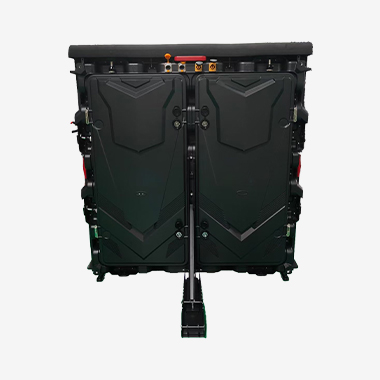
The back of the panel houses the electrical components and control systems. These components are carefully arranged to ensure efficient heat dissipation, as excessive heat can affect the performance and lifespan of the LEDs. Heat - sink materials with high thermal conductivity, such as aluminum or copper, are often used to dissipate heat effectively. In some cases, passive cooling methods like heat - pipe cooling may be employed to further enhance heat dissipation without the need for noisy fans.
Electrical and Control Systems
The electrical system of indoor commercial LED display panels is designed to provide a stable and reliable power supply to the LEDs. High - efficiency power supplies are used to convert the incoming electrical power into the appropriate voltage and current for the LEDs, minimizing energy loss. These power supplies are also equipped with built - in protection mechanisms against overvoltage, overcurrent, and short - circuits to ensure the safety of the panel and connected devices.
The control system is responsible for managing the display content and ensuring its smooth operation. Control cards receive digital image and video data from external sources, such as media servers, computers, or content - management systems. These control cards convert the data into electrical signals that control the brightness, color, and timing of each LED in the panel. Advanced control systems support features such as real - time content updating, multi - source input switching, and synchronization with other display panels or external devices.
Many indoor commercial LED display panels also come with user - friendly control interfaces, allowing store staff to easily manage and update the display content without the need for extensive technical knowledge. Some panels support wireless connectivity, enabling remote control and monitoring of the display from a central location, which is particularly useful for large retail chains with multiple stores.
The working principles of indoor commercial LED display panels for retail are based on the fundamental properties of LEDs and digital signal processing, enabling the creation of vibrant and engaging visual content.
LED Emission
At the heart of the LED display panel is the light - emitting diode (LED), a semiconductor device that emits light when an electric current passes through it. When a voltage is applied across the LED, electrons from the n - type semiconductor material combine with holes in the p - type semiconductor material. This recombination process releases energy in the form of photons, resulting in the emission of light.
For full - color displays, red, green, and blue LEDs are used as the primary colors. By varying the intensity of each of these primary colors, a wide range of colors can be created through additive color mixing. In each pixel of the display panel, multiple RGB LEDs work together. The control system precisely adjusts the current flowing through each LED to control its brightness, thereby enabling the panel to display a vast array of colors and accurately reproduce the desired images and videos.
Digital Signal Processing
The display panel receives digital image and video data from various sources, such as a computer running graphic design software, a media server storing pre - recorded advertisements, or a live - streaming device. This data is typically in a digital format, such as a video file in MP4 format or a digital image file in JPEG or PNG format.
The control system of the display panel first decodes the incoming digital data. This involves extracting relevant information, such as pixel color values, frame - rate, and synchronization signals, from the data stream. The control cards then convert this decoded data into a series of electrical signals that can be understood by the LED drivers in the individual modules.
These electrical signals are transmitted to the LED modules at a very high frequency, usually several hundred times per second. The signals control the precise timing of when each LED should turn on, off, and at what intensity. By rapidly switching the LEDs on and off in this manner, the display creates the illusion of continuous images and videos, providing a smooth and seamless visual experience for viewers.
Pulse - Width Modulation (PWM)
Pulse - width modulation (PWM) is a key technique used in indoor commercial LED display panels to achieve precise brightness control. PWM works by rapidly turning the LEDs on and off at a high frequency. The duty cycle of the PWM signal, which is the proportion of time the LED is on within a given period, determines the average brightness of the LED.
For example, if the PWM signal has a duty cycle of 60%, the LED is on for 60% of the time and off for 40% of the time, resulting in an average brightness that is 60% of its maximum. By precisely adjusting the duty cycle for each LED in the pixel, the display can achieve fine - grained control over the brightness and color, ensuring smooth color transitions and high - quality visual performance. This is especially important in retail environments, where accurate color representation and consistent brightness are crucial for effectively showcasing products.
Refresh Rate
The refresh rate of an indoor commercial LED display panel refers to the number of times the image on the screen is updated per second. A higher refresh rate ensures that moving images, such as videos or animations, appear smooth and without any flicker. In modern indoor retail displays, refresh rates of 60 Hz or higher are common, with some high - end panels offering refresh rates of 120 Hz or even 240 Hz for an even more fluid visual experience.
A higher refresh rate is particularly important for applications where the display content includes fast - moving elements, such as product demonstrations or promotional videos. It helps to create a more engaging and professional - looking display, enhancing the overall in - store customer experience. The refresh rate also needs to be carefully matched with the frame rate of the incoming video data to ensure seamless playback and avoid visual artifacts such as stuttering or tearing.
Advantages
Enhanced Visual Appeal
Indoor commercial LED display panels offer unparalleled visual appeal, with their ability to display high - resolution images, vivid colors, and dynamic videos. The bright and clear visuals can effectively attract customers' attention and draw them towards the products or promotions being showcased. Whether it's a large - scale video wall in a department store or a small digital signage in a boutique, the high - quality visuals of LED display panels can significantly enhance the overall aesthetic of the retail space and create a more immersive shopping environment.
Flexibility and Customization
One of the key advantages of these panels is their flexibility. Retailers can easily update the display content in real - time, allowing for quick and targeted marketing campaigns. They can change the advertisements based on the time of day, day of the week, or specific events, ensuring that the message is always relevant to the customers. Additionally, the panels can be customized in terms of size, shape, and installation location to fit the unique layout and design of each retail store. This flexibility enables retailers to create unique and engaging visual experiences that set their stores apart from the competition.
Improved Customer Engagement
LED display panels can significantly improve customer engagement in the retail environment. By displaying interactive content, such as product demonstrations, customer testimonials, or social media feeds, retailers can encourage customers to interact with the displays and learn more about the products. This increased engagement can lead to a deeper understanding of the brand, higher customer satisfaction, and ultimately, increased sales. For example, a beauty retailer could use an LED panel to display makeup tutorials or virtual try - on experiences, allowing customers to visualize how the products will look on them.
Data - Driven Marketing
Many indoor commercial LED display panels can be integrated with data analytics tools, enabling retailers to gather valuable insights about customer behavior and preferences. By tracking metrics such as the time customers spend looking at the displays, the types of content that generate the most interest, and the conversion rates from display views to purchases, retailers can make data - driven decisions to optimize their marketing strategies. This data - driven approach allows for more targeted and effective advertising, ultimately leading to a higher return on investment.
Energy Efficiency
Compared to traditional display technologies such as cathode - ray tubes (CRTs) or even some older - generation LCDs, LED display panels are highly energy - efficient. LEDs convert a higher percentage of electrical energy into light, reducing energy consumption and operating costs. Additionally, many LED panels come with built - in energy - saving features, such as automatic brightness adjustment based on ambient light conditions, further reducing power usage. This energy efficiency not only benefits the retailer's bottom line but also aligns with the growing trend towards sustainable business practices.
Challenges
High Initial Cost
The purchase and installation of indoor commercial LED display panels can be a significant investment for retailers, especially for small - scale businesses. The cost includes the panels themselves, which can vary depending on factors such as size, resolution, and features, as well as the cost of installation, electrical infrastructure upgrades, and content creation. For some retailers, this high initial cost can be a barrier to entry, limiting their ability to adopt this advanced technology.
Technical Complexity
Operating and maintaining indoor commercial LED display panels require a certain level of technical expertise. Ensuring proper electrical connections, calibrating the display for accurate color and brightness, and troubleshooting any technical issues can be challenging for store staff without specialized training. Additionally, the complexity of the control systems, which involve handling digital data and precise LED - driving signals, adds to the technical difficulty. Retailers may need to invest in training their staff or hire external technical support to ensure the smooth operation of the panels.
Content Creation and Management
Creating high - quality content that is suitable for indoor commercial LED display panels is not an easy task. The content needs to be visually appealing, concise, and able to capture the attention of customers quickly. Retailers may need to invest in professional graphic designers, video producers, or content management systems to create and manage engaging content. Additionally, managing and scheduling the content across multiple panels in different stores can be a complex and time - consuming process, requiring careful coordination and organization.
Competition and Saturation
As more retailers adopt LED display panels in their stores, the competition to create unique and attention - grabbing content has increased. With the proliferation of digital displays in retail spaces, it has become more challenging for individual retailers to stand out from the crowd. Retailers need to constantly innovate and create fresh, engaging content to differentiate their stores and attract customers. Additionally, there is a risk of display saturation in some retail environments, where too many displays can overwhelm customers and reduce the effectiveness of each individual display.
Compatibility and Integration Issues
Integrating indoor commercial LED display panels with existing retail systems and technologies can sometimes be a challenge. There may be compatibility issues with other devices, such as point - of - sale systems, inventory management systems, or customer relationship management systems. Ensuring seamless integration between the display panels and other retail technologies is crucial for maximizing the benefits of the panels and streamlining business operations.
Future Trends
Integration with Augmented Reality (AR) and Virtual Reality (VR)
AR and VR technologies are expected to be more deeply integrated with indoor commercial LED display panels in the future. AR - enabled LED displays can allow customers to use their smartphones or AR - equipped devices to interact with the products displayed on the panels. For example, a furniture retailer could use AR to enable customers to visualize how a piece of furniture would look in their own homes by simply scanning the LED - displayed product image. This immersive experience helps customers make more informed purchasing decisions, as they can see the practical implications of their choices.
In the beauty industry, AR - integrated LED displays can offer virtual try - on features, allowing customers to experiment with different makeup looks, hairstyles, or accessories without the need for physical samples. Retailers can also use AR to create interactive brand stories, where customers can uncover hidden content, such as behind - the - scenes videos or exclusive product information, by interacting with the LED display through their devices.
VR, on the other hand, can be used to create fully immersive shopping experiences. Retailers might set up VR - enabled areas in their stores, connected to large LED display panels that showcase virtual storefronts or product demonstrations. Customers can put on VR headsets and explore virtual showrooms, interact with 3D product models, and even take virtual tours of manufacturing facilities or brand - related locations. This not only provides an engaging shopping experience but also helps brands stand out by offering something unique and memorable.
Smart and Adaptive Displays
Future indoor commercial LED display panels will become smarter and more adaptive. They will be integrated with sensors, such as motion sensors, temperature sensors, and customer - traffic sensors, to gather real - time data about the store environment and customer behavior. Based on this data, the displays can automatically adjust their content, brightness, and even layout.
For instance, when a customer approaches a display, the motion sensor can trigger the panel to switch from a general brand advertisement to a personalized product recommendation based on the customer's previous shopping history or browsing behavior. If the store is particularly crowded, the display might change to show more concise and attention - grabbing content to quickly communicate key messages. Temperature sensors can also be used to adjust the display's brightness, ensuring optimal visibility in different lighting conditions without wasting energy.
Moreover, these smart displays will be able to communicate with other devices in the store, such as point - of - sale systems, inventory management systems, and customer loyalty programs. This seamless integration allows for a more coordinated retail operation. For example, when a product is running low on stock, the LED display can automatically update to show alternative product suggestions or special offers related to similar items.
Sustainable and Energy - Efficient Solutions
With the growing global emphasis on sustainability, indoor commercial LED display panels for retail will witness significant advancements in energy - efficiency and eco - friendliness. Manufacturers will develop more efficient LED chips that consume less power while maintaining high - quality visual performance. New materials and manufacturing processes will reduce the environmental impact of production, from sourcing raw materials to the disposal of end - of - life products.
Smart power - management systems will become more sophisticated, using artificial intelligence and machine learning algorithms to optimize energy consumption. These systems can analyze historical data on store traffic, peak business hours, and lighting conditions to predict when the displays need to be at full brightness and when they can be dimmed or even turned off. For example, during off - peak hours when there are fewer customers in the store, the LED displays can automatically reduce their brightness or enter a low - power mode, significantly cutting down on electricity usage.
In addition, the use of recyclable materials in the construction of LED panels will become standard practice. From the LED modules to the frames and packaging, every component will be designed with recyclability in mind. Some companies may even explore circular - economy models, where used panels are collected, refurbished, and reused, minimizing waste and reducing the overall environmental footprint of retail digital displays.
Enhanced Interactivity and Social Media Integration
The future of indoor commercial LED display panels will focus on enhancing interactivity and integrating with social media platforms. Retailers will increasingly use these displays as interactive hubs, allowing customers to share their shopping experiences directly from the store. For example, LED displays could feature interactive touchscreens where customers can take photos with products, add personalized messages, and then instantly share these creations on their social media accounts.
Social media feeds can be integrated directly onto the LED displays, showing real - time posts from customers who have tagged the store or used specific hashtags. Retailers can also run social - media - based contests and promotions, with the LED displays serving as the central platform for announcing winners, showcasing user - generated content, and encouraging further participation. This not only increases customer engagement but also extends the reach of the store's marketing efforts through the power of social media sharing, turning customers into brand advocates.
Conclusion
Indoor commercial LED display panels have emerged as a game - changer in the retail industry, offering a plethora of benefits that enhance the shopping experience, drive customer engagement, and boost sales. Their ability to display dynamic and high - quality visual content, combined with flexibility in content management and integration with modern technologies, has made them an essential tool for retailers of all sizes. From attracting customers at the storefront to creating immersive in - store experiences and facilitating data - driven marketing, these panels play a multifaceted role in the retail ecosystem.
However, the adoption of indoor commercial LED display panels also comes with its fair share of challenges. High initial costs, technical complexity, difficulties in content creation and management, competition, and integration issues pose significant hurdles for retailers. Overcoming these challenges requires a combination of strategic planning, investment in training and technology, and continuous innovation in content development.
Looking ahead, the future of indoor commercial LED display panels is bright, with exciting trends on the horizon. Higher resolutions, deeper integration with AR/VR, smart and adaptive features, sustainable solutions, and enhanced interactivity will redefine the capabilities of these panels. These advancements will not only address existing challenges but also open up new opportunities for retailers to create more engaging, personalized, and environmentally friendly shopping experiences. As technology continues to evolve, indoor commercial LED display panels will undoubtedly remain at the forefront of retail innovation, shaping the future of in - store marketing and customer engagement.


Copyright © 2026 Shenzhen Cogo Technology Co.,Ltd.
All Rights Reserved

 Previous article