




 Chat Now
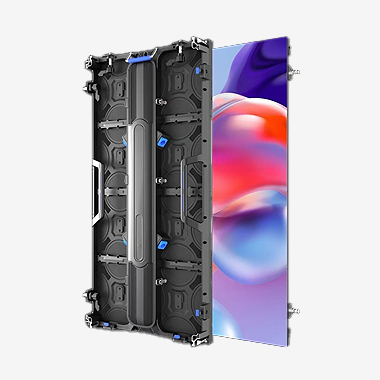
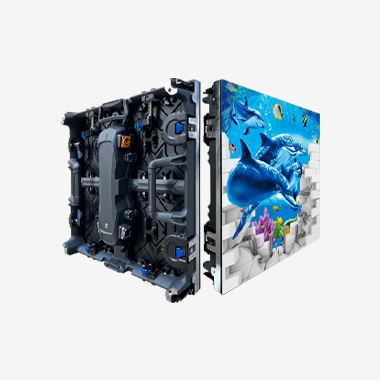
Waterproof outdoor media LED display screens have emerged as a cornerstone in the realm of outdoor visual communication, offering a reliable and impactful solution for disseminating information and advertising in diverse outdoor environments. These display screens are specifically engineered to withstand harsh weather conditions, including rain, snow, strong winds, and extreme temperatures, while maintaining high - quality visual performance.
The demand for waterproof outdoor media LED display screens has been steadily increasing, driven by the growing need for effective outdoor advertising and public information dissemination. In urban areas, these displays have become an integral part of the cityscape, adorning building facades, transportation hubs, and commercial centers. They provide a dynamic platform for businesses to showcase their products and services, for municipalities to share public announcements, and for event organizers to promote upcoming activities.
One of the key advantages of waterproof outdoor LED display screens is their ability to capture attention in high - traffic areas. With their bright, vivid displays and large - scale formats, they can easily attract the eyes of passersby, motorists, and pedestrians. The high - resolution capabilities of modern LED technology ensure that the content displayed is clear and sharp, even from a distance. Whether it's a high - definition advertisement for a new product, a live news feed, or a promotional video for a local event, the display screen can convey the message effectively.
Another significant benefit is their durability and reliability in outdoor settings. Unlike traditional outdoor signage, which may deteriorate over time due to exposure to the elements, waterproof LED display screens are built to last. They are constructed with specialized materials and sealed enclosures that prevent water ingress, dust accumulation, and damage from UV radiation. This robust design ensures that the display can operate continuously without significant performance degradation, even in the most challenging weather conditions.
Moreover, waterproof outdoor media LED display screens offer great flexibility in content management. They can display a wide variety of content, including static images, videos, animations, and real - time data feeds. Digital control systems allow operators to update the content remotely, enabling quick and easy changes to advertisements, announcements, or promotional messages. This adaptability makes them a versatile tool for different industries and applications, from retail and hospitality to transportation and entertainment.
However, the development and implementation of waterproof outdoor media LED display screens also come with their own set of challenges. These include ensuring optimal performance in extreme weather, managing energy consumption efficiently, and dealing with the high initial investment costs associated with the technology. Despite these challenges, continuous advancements in LED technology, material science, and digital control systems are making waterproof outdoor media LED display screens more accessible, efficient, and effective.
The design and construction of waterproof outdoor media LED display screens require a meticulous approach, combining engineering expertise, material science knowledge, and creative design to create a product that is both functional and visually appealing while withstanding the rigors of the outdoor environment.
Design Considerations
Weather Resistance Analysis: The primary design consideration for a waterproof outdoor LED display screen is its ability to resist various weather conditions. This involves a comprehensive analysis of potential environmental factors such as rainfall intensity, snow load, wind speed, and temperature fluctuations. For example, in regions with heavy rainfall, the display screen needs to have a high - level waterproof rating, typically IP65 or higher, to prevent water from entering the internal components. In areas prone to strong winds, the structural design must be able to withstand high wind pressures without compromising the integrity of the display. Additionally, the display should be designed to operate within a wide temperature range, from extremely cold winters to sweltering summers, without affecting the performance of the LED panels or other electrical components.
Size and Resolution Determination: Selecting the appropriate size and resolution of the display screen is crucial for achieving the desired visual impact. The size of the screen depends on factors such as the viewing distance, the location of the installation, and the amount of content to be displayed. In high - traffic areas with a large audience viewing from a distance, larger display screens are preferred to ensure visibility. Resolution, on the other hand, affects the clarity and sharpness of the images and text. Higher resolutions are ideal for displaying detailed content, such as product images or fine - print text, but also come with higher costs. A balance must be struck between size, resolution, and budget to ensure that the display screen effectively conveys the intended message while fitting within the available space and financial constraints.
Optical and Visual Performance Optimization: To ensure optimal visual performance in outdoor conditions, the design of the LED display screen must take into account factors such as brightness, contrast, and color accuracy. Outdoor environments are often exposed to varying levels of ambient light, from bright sunlight during the day to artificial lighting at night. The display screen should have sufficient brightness to be clearly visible in direct sunlight, while also maintaining good contrast and color saturation to make the content stand out. Specialized optical coatings and anti - glare treatments may be applied to the screen surface to reduce reflections and improve visibility. Additionally, the viewing angles of the display should be wide enough to ensure that the content can be seen clearly from different positions.
Content - Driven Design: The design of the waterproof outdoor LED display screen should be tailored to the type of content that will be showcased. Different content, such as advertisements, public announcements, or live video feeds, may require specific design features. For video - heavy content, a high refresh rate is essential to ensure smooth playback, while for text - based content, clear and legible fonts need to be selected. The display should also be able to support different aspect ratios and content formats to accommodate a wide range of media. Moreover, the design should allow for easy integration with various content sources, such as media players, cameras, or data feeds, to enable seamless display of different types of content.
Construction Process
Waterproof Enclosure Fabrication: The construction of a waterproof outdoor LED display screen begins with the fabrication of the waterproof enclosure. The enclosure serves as the protective barrier for the internal components, preventing water, dust, and other contaminants from entering. It is typically made of high - quality materials such as aluminum alloy or stainless steel, which offer a combination of strength, durability, and corrosion resistance. The enclosure is designed with a sealed structure, using gaskets, O - rings, and other sealing materials to create a watertight seal around the edges. Specialized manufacturing techniques, such as precision machining and welding, are used to ensure the integrity of the enclosure. In addition, the enclosure may be equipped with ventilation holes or cooling fans to manage the heat generated by the LED panels and other electrical components, while still maintaining the waterproof performance.
LED Panel Assembly: Once the waterproof enclosure is fabricated, the LED panels are assembled. LED panels are the building blocks of the display screen and are composed of multiple LED chips, a printed circuit board (PCB), and a protective cover. High - quality LED chips are selected for their brightness, color accuracy, and long lifespan. The LED chips are carefully mounted on the PCB, and electrical connections are made to ensure proper functionality. The protective cover of the LED panel is designed to be waterproof and resistant to UV radiation, further protecting the LED chips from environmental damage. The LED panels are then tested for functionality and performance before being installed into the waterproof enclosure.
Electrical and Control System Integration: After the LED panel assembly, the electrical and control systems are integrated into the display screen. The electrical system includes power supply units, wiring, and circuit breakers, which are responsible for providing the necessary electrical current to the LED panels. A reliable power distribution system is crucial to ensure that all panels receive a consistent and stable power supply, preventing any flickering or brightness variations. The control system, consisting of a media player, control cards, and software, is used to manage the display of content on the screen. The media player can play various content formats, while the control cards and software enable the operator to adjust settings such as brightness, color, and image layout, and to schedule and control the playback of content. All electrical components are carefully installed within the waterproof enclosure, with proper insulation and protection to prevent electrical hazards.
Testing and Quality Assurance: Before the waterproof outdoor LED display screen is deployed for use, it undergoes rigorous testing and quality assurance procedures. This includes waterproof testing, where the display screen is subjected to simulated rainfall or submersion in water to ensure that it meets the specified waterproof rating. The electrical components are tested for functionality, safety, and reliability, and any faults or malfunctions are promptly addressed. The display screen is also tested for visual performance, including brightness, contrast, color accuracy, and resolution, to ensure that it meets the required standards. Additionally, the display is tested for its ability to withstand mechanical shocks, vibrations, and other environmental stresses that it may encounter during transportation and installation. Any defects or issues identified during the testing process are corrected to ensure that the final product is of the highest quality.
The operation of waterproof outdoor media LED display screens is based on the principles of LED technology, digital signal processing, and display control systems, which work in harmony to create the vibrant and engaging visual displays that are essential for outdoor communication.
LED Technology
At the heart of a waterproof outdoor LED display screen are the light - emitting diodes (LEDs). LEDs are semiconductor devices that emit light when an electric current passes through them. In a color LED display, a combination of red, green, and blue (RGB) LEDs is used to generate a wide spectrum of colors. Each pixel on the display screen is typically composed of multiple RGB LED chips, which work together to produce different hues and shades.
When an electric current is applied to an LED, electrons in the semiconductor material are excited from the valence band to the conduction band. As these excited electrons return to their original energy levels, they release energy in the form of photons, resulting in the emission of light. The color of the light emitted by an LED depends on the energy bandgap of the semiconductor material. By precisely controlling the intensity of the current flowing through each RGB LED chip within a pixel, the display screen can achieve accurate color reproduction. For example, to display a particular shade of green, the green LED within the pixel is illuminated with the appropriate intensity, while the red and blue LEDs remain at a low intensity or are turned off. Through this combination of red, green, and blue light at different intensities, a vast array of colors can be created, enabling the display of realistic and vivid images and videos on the outdoor LED display screen.
Digital Signal Processing
To display the desired content on the waterproof outdoor LED display screen, digital signal processing techniques are employed. The content, such as pre - recorded videos, images, or live data feeds, is first processed by a computer or a media player. This initial processing involves tasks such as encoding the content into a suitable format, adjusting the resolution and frame rate to match the capabilities of the display screen, and adding any necessary effects or transitions.
The processed digital signal is then transmitted to the control system of the display screen. The control system divides the image or video into individual pixels and sends specific signals to each LED panel, specifying the intensity of the red, green, and blue LEDs for each pixel. These signals are transmitted through a network of cables or wireless communication protocols, depending on the design of the display system. The LED panels receive the signals and adjust the brightness of their respective RGB LEDs accordingly, creating the desired image or video on the display screen. For example, during a live outdoor event, the control system continuously receives real - time video signals from cameras, processes them, and sends the appropriate signals to the LED panels to display the live action on the screen.
Display Control Systems
Display control systems play a crucial role in the operation of waterproof outdoor media LED display screens. The control system typically consists of a control console, software, and control cards. The control console is the interface used by the operator to manage and control the display screen. Operators can use the console to upload new content, switch between different content sources, and adjust the settings of the display screen, such as brightness, contrast, and color.
The software provides the functionality for content management, including the ability to create playlists, edit graphics, and add special effects. It also allows for real - time control of the display screen, enabling operators to respond quickly to changes in the outdoor environment or the content requirements. For example, if the ambient light becomes too bright, the operator can use the software to increase the brightness of the display screen. The control cards are responsible for receiving the control signals from the software and converting them into electrical signals that can be used to control the LED panels. They ensure that the LED panels receive the correct signals at the right time, allowing for the seamless display of content on the screen.
Advantages
Reliable Outdoor Performance: The most significant advantage of waterproof outdoor media LED display screens is their ability to perform reliably in harsh outdoor environments. They can withstand rain, snow, strong winds, and extreme temperatures without compromising the quality of the display or the functionality of the internal components. This reliability ensures that the display can operate continuously, providing a stable platform for advertising, information dissemination, and entertainment. For example, in a busy city street, a waterproof LED display screen can display advertisements and public announcements 24/7, regardless of the weather conditions, ensuring maximum exposure and reach.
High - Impact Visuals: These display screens offer high - impact visuals with their bright, vivid displays and high - resolution capabilities. The large - scale format and high - brightness LEDs make the content easily visible even in bright sunlight, attracting the attention of a large audience. The ability to display high - definition videos, images, and animations creates a more engaging and immersive visual experience, which is highly effective for advertising and promotional purposes. For instance, a large - format waterproof LED display screen in a shopping district can showcase product videos with stunning clarity and color, enticing passersby to stop and take notice.
Flexible Content Management: Waterproof outdoor media LED display screens offer great flexibility in content management. Operators can easily update the content remotely, allowing for quick and timely changes to advertisements, announcements, or promotional messages. This flexibility enables businesses to adapt to changing market conditions, seasonal promotions, and customer preferences. For example, a retailer can quickly switch the display to feature holiday - themed advertisements or limited - time offers, maximizing the effectiveness of their marketing campaigns. Additionally, the display can support a wide variety of content formats, from static images to live video feeds, providing endless possibilities for creative content creation.
Long Lifespan and Low Maintenance: LED technology is known for its long lifespan, and waterproof outdoor LED display screens are no exception. With proper installation and maintenance, these display screens can last for many years, reducing the need for frequent replacements. The sealed enclosure and robust construction also minimize the risk of damage from environmental factors, further extending the lifespan of the display. Additionally, the modular design of many LED display screens allows for easy replacement of individual components in case of failure, reducing maintenance costs and downtime.
Challenges
High Initial Investment: One of the major challenges associated with waterproof outdoor media LED display screens is the high initial investment cost. The cost includes the purchase of the LED display panels, the waterproof enclosure, the electrical and control systems, the installation labor, and any additional accessories. The advanced technology and specialized materials used in the construction of these display screens contribute to the high price tag. For small and medium - sized businesses or organizations with limited budgets, the significant upfront expense can be a barrier to adoption, making it difficult to invest in this advanced outdoor advertising technology.
Technical Complexity: Installing and operating waterproof outdoor LED display screens require a certain level of technical expertise. The setup involves complex electrical wiring, precise panel alignment, and the configuration of the control system. Any technical issues, such as faulty connections, software glitches, or hardware malfunctions, can disrupt the display and require specialized technical support to resolve. Additionally, ensuring the proper waterproofing and weather resistance of the display screen during installation is crucial, and any mistakes in this regard can lead to water ingress and damage to the internal components. This technical complexity may require businesses to hire professional installers and technicians, adding to the overall cost and management burden.
Energy Consumption: Waterproof outdoor LED display screens, especially those with large sizes and high - brightness levels, consume a significant amount of electricity. High energy consumption not only increases the operational costs for businesses but also raises environmental concerns. While LED technology is more energy - efficient compared to some traditional display technologies, the large scale of outdoor displays and the need for continuous operation in all weather conditions can result in substantial energy usage. Finding ways to optimize energy consumption without sacrificing the visual performance of the display screen is an ongoing challenge for manufacturers and users alike.
Content Creation and Management: Creating high - quality, engaging content for waterproof outdoor LED display screens can be a challenging task. It requires a combination of creative skills, marketing knowledge, and technical proficiency. The content needs to be designed to be easily readable and visually appealing from a distance, taking into account factors such as font size, color contrast, and image resolution. Additionally, managing the content schedule, ensuring that the right content is displayed at the right times, and keeping the content fresh and updated can be time - consuming and resource - intensive. Without proper content creation and management, the display screen may fail to attract and engage the audience, reducing its effectiveness as an outdoor communication tool.
Applications
Retail and Commercial Centers: In retail and commercial centers, waterproof outdoor media LED display screens act as powerful marketing tools. Placed at the entrances of shopping malls, they welcome customers with dynamic displays of upcoming sales, new store openings, and featured products. For instance, a large - scale LED screen at the main entrance of a shopping complex can showcase high - resolution videos of fashion shows featuring the latest collections from in - house brands, attracting passersby to enter and explore.
These screens also enhance the in - store experience by providing information to customers. Positioned near product sections, they can display detailed product information, customer reviews, and special offers. A grocery store might use an outdoor LED display to highlight daily fresh produce arrivals, with vibrant images of fruits and vegetables and information about their origin and nutritional benefits. In addition, during festive seasons or holidays, retail outlets can use these screens to create themed displays, like a winter wonderland - inspired show for Christmas, complete with animations of snowflakes, Santa Claus, and holiday - themed promotions, which not only attract customers but also create a festive atmosphere.
For commercial centers with multiple businesses, the LED screens can serve as a unified advertising platform. They can display rotating advertisements for different stores, restaurants, and service providers within the complex, helping smaller businesses gain exposure and increasing footfall across the entire commercial area. Moreover, these screens can be integrated with digital wayfinding systems, guiding customers to specific stores, restrooms, or parking areas, improving the overall convenience and functionality of the commercial center.
Future Trends
Technological Advancements for Enhanced Performance: The future of waterproof outdoor media LED display screens will be marked by significant technological advancements. Mini - LED and Micro - LED technologies are expected to become more prevalent. Mini - LEDs offer better contrast ratios, higher brightness, and more precise backlighting control compared to traditional LEDs. They enable thinner and more energy - efficient displays, which are ideal for outdoor applications where space and power consumption are concerns. Micro - LEDs, on the other hand, promise even greater pixel densities, allowing for ultra - high - definition displays with incredibly sharp images. This will be a game - changer for outdoor advertising, as brands will be able to showcase their products with unparalleled detail, even on large - scale screens visible from long distances.
Integration of Smart Technologies: The integration of smart technologies such as artificial intelligence (AI), the Internet of Things (IoT), and augmented reality (AR) will revolutionize the capabilities of waterproof outdoor LED display screens. AI algorithms can analyze real - time data, including foot traffic patterns, weather conditions, and consumer demographics in the surrounding area. Based on this analysis, the display screen can automatically adjust the content, such as showing more weather - appropriate advertisements during extreme weather or targeting specific consumer groups based on the time of day. IoT integration will allow the screens to communicate with other smart devices in the vicinity, like streetlights, traffic sensors, and smart billboards, creating a connected ecosystem. For example, if a traffic sensor detects heavy congestion near a commercial area, the LED screen can display real - time traffic updates and alternative routes, along with relevant advertisements for nearby businesses. AR technology, when integrated with these screens, can offer interactive experiences to passersby. By using their smartphones to scan the screen, users could access augmented reality content, such as virtual product demonstrations, 3D maps of the area, or interactive games related to the advertisements shown.
Energy - Efficiency and Sustainability Initiatives: With growing environmental awareness and the need to reduce operational costs, future waterproof outdoor LED display screens will focus more on energy - efficiency. Advanced power - management systems will be developed, enabling the screens to adjust their brightness levels automatically according to the ambient light. For instance, during the day when sunlight is strong, the screen will increase its brightness to remain visible, while at night, it will dim to save energy without sacrificing visibility. Additionally, the use of renewable energy sources, such as solar panels integrated into the display structure, will become more common. Solar - powered LED screens will not only reduce the carbon footprint but also provide a reliable power source, especially in remote areas or during power outages. Manufacturers will also strive to use more sustainable materials in the construction of the screens, from recyclable enclosures to eco - friendly LED components, contributing to a greener outdoor advertising industry.
Enhanced Durability and Adaptability: Future waterproof outdoor media LED display screens will be designed to be even more durable and adaptable to extreme environmental conditions. New materials with improved resistance to UV radiation, corrosion, and mechanical impacts will be developed. For example, self - healing coatings that can repair minor scratches or damages caused by hail or debris will be applied to the screen surfaces. In terms of adaptability, the screens will be engineered to function optimally in a wider range of temperatures, from the freezing cold of polar regions to the scorching heat of deserts. Flexible and curved LED display technologies will also be further developed, allowing for more creative and unique installation designs that can conform to the architectural features of buildings or public spaces, expanding the possibilities for outdoor visual communication.
Conclusion
Waterproof outdoor media LED display screens have become an indispensable part of modern outdoor communication, offering a reliable and effective solution for advertising, information dissemination, and enhancing the visual appeal of public and commercial spaces. Their ability to withstand harsh weather conditions while delivering high - impact visuals and flexible content management has made them a preferred choice across various industries.
Despite the challenges of high initial investment, technical complexity, energy consumption, and content creation, the continuous evolution of technology and the increasing demand for innovative outdoor solutions are driving the growth of this industry. As we look to the future, advancements in LED technology, integration of smart features, focus on energy - efficiency and sustainability, and enhanced durability will further transform these display screens. They will not only continue to serve as powerful marketing and communication tools but also contribute to the creation of more connected, sustainable, and visually engaging urban environments. The potential of waterproof outdoor media LED display screens is vast, and their role in shaping the future of outdoor visual communication is set to become even more significant.


Copyright © 2026 Shenzhen Cogo Technology Co.,Ltd.
All Rights Reserved

 Previous article