




 Chat Now
Introduction
Outdoor media LED display screens have revolutionized the advertising industry, transforming static billboards into dynamic, interactive platforms capable of delivering high-impact visuals and messages. These screens, utilizing Light Emitting Diode (LED) technology, offer unparalleled brightness, clarity, and versatility, making them an ideal choice for outdoor advertising in various environments, from bustling city centers to remote highways.
Historical Evolution
The evolution of outdoor LED displays traces back to the late 20th century when the first LED billboards emerged as a novel alternative to traditional printed posters. Initially, these displays were limited in size and resolution, but rapid advancements in LED technology have led to the development of large-scale, high-definition screens capable of displaying vivid colors and intricate details. Today, outdoor LED billboards are a common sight, dominating urban landscapes and capturing the attention of millions of passersby daily.
Market Growth and Trends
The global market for outdoor LED display screens has witnessed exponential growth, driven by increasing demand for digital advertising solutions and the declining cost of LED technology. Factors such as urbanization, rising disposable incomes, and the proliferation of smart cities have further fueled this expansion. Additionally, trends like programmatic advertising, real-time content updates, and interactive features are shaping the future of outdoor LED billboards, making them more engaging and effective for advertisers.
Key Components and Technologies
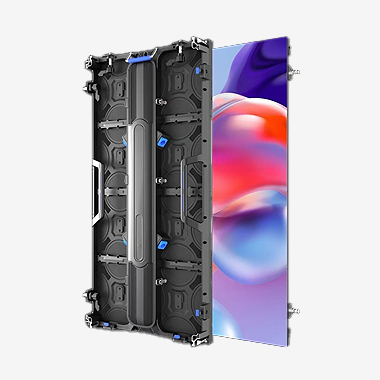
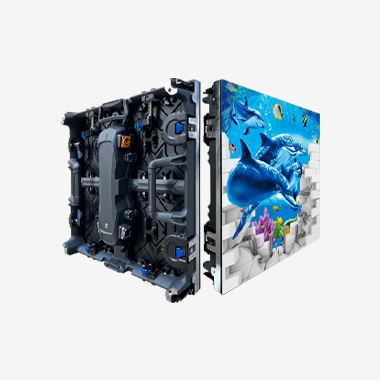
Outdoor LED display screens consist of several key components, including LED modules, control systems, power supplies, and structural frames. LED modules, the building blocks of the display, contain numerous LED chips that emit light when an electric current passes through them. Advanced control systems manage the content displayed, ensuring seamless transitions and synchronization across multiple screens. Power supplies provide the necessary electrical energy, while structural frames ensure stability and durability in various weather conditions.
Design Considerations
Designing an outdoor LED display screen for billboards involves careful consideration of several factors, including location, viewing distance, ambient light conditions, and content requirements. The screen's size, resolution, and aspect ratio must be optimized to ensure maximum visibility and impact. Additionally, the design should incorporate features like weather resistance, vandalism protection, and easy maintenance to ensure long-term reliability and cost-effectiveness.
Material Selection
The choice of materials plays a crucial role in the construction of outdoor LED display screens. High-quality LED chips with excellent color reproduction and longevity are essential for delivering vibrant visuals. The enclosure and frame should be made from durable, corrosion-resistant materials like aluminum or stainless steel to withstand harsh outdoor environments. Transparent or semi-transparent covers can be used to protect the LED modules from dust and moisture while maintaining optimal light transmission.
Thermal Management
Effective thermal management is vital for the performance and lifespan of outdoor LED display screens. Excessive heat can degrade LED performance, leading to reduced brightness, color shifts, and shortened lifespan. Therefore, the design should incorporate efficient cooling systems, such as heat sinks, fans, or liquid cooling, to dissipate heat generated by the LED modules. Additionally, the screen's layout and ventilation should facilitate natural airflow, further enhancing thermal efficiency.
Structural Integrity
The structural integrity of outdoor LED display screens is paramount for ensuring safety and stability. The frame and mounting system must be designed to withstand wind loads, vibrations, and other environmental stresses. Advanced engineering techniques, such as finite element analysis (FEA), can be used to simulate and optimize the screen's structural performance under various conditions. Furthermore, the installation process should adhere to strict safety standards and guidelines to minimize risks during and after construction.
LED Technology Basics
LEDs are semiconductor devices that emit light when an electric current passes through them. They consist of a p-n junction, where electrons and holes recombine to release energy in the form of photons. The color of the emitted light depends on the materials used in the LED's construction. For outdoor LED display screens, red, green, and blue (RGB) LEDs are combined to create a full-color palette, enabling the display of vivid images and videos.
Display Control and Synchronization
The content displayed on outdoor LED screens is managed by sophisticated control systems. These systems receive digital signals from a content source, such as a computer or media player, and convert them into electrical pulses that drive the LED modules. Advanced control algorithms ensure seamless transitions between frames, synchronization across multiple screens, and real-time updates of dynamic content. Additionally, remote monitoring and management capabilities allow operators to control and troubleshoot the display from a central location.
Brightness and Contrast Control
Outdoor LED display screens must maintain high brightness levels to compete with ambient light conditions, especially during daylight hours. This is achieved through the use of high-intensity LED chips and advanced brightness control algorithms that adjust the screen's luminance based on environmental lighting. Contrast control is equally important, as it enhances the visibility of dark areas and improves overall image quality. Techniques like local dimming and dynamic contrast enhancement are employed to optimize contrast ratios and deliver stunning visuals.
Power Efficiency and Energy Management
Power efficiency is a critical consideration for outdoor LED display screens, as they often operate continuously for extended periods. Advanced power management techniques, such as pulse-width modulation (PWM) and adaptive brightness control, are used to minimize energy consumption without compromising display performance. Additionally, the use of energy-efficient LED chips and power supplies further reduces operational costs and environmental impact.
Advantages
High Visibility and Impact: Outdoor LED display screens offer unparalleled brightness and clarity, ensuring maximum visibility even in bright sunlight or low-light conditions. This makes them an ideal choice for capturing the attention of passersby and delivering high-impact advertising messages.
Dynamic Content: Unlike traditional printed billboards, LED screens can display dynamic, animated content, including videos, animations, and real-time updates. This flexibility allows advertisers to create engaging and interactive campaigns that resonate with their target audience.
Cost-Effectiveness: While the initial investment in an outdoor LED display screen may be higher than that of a traditional billboard, the long-term cost savings are significant. LED screens require minimal maintenance, have a longer lifespan, and can be easily updated with new content, eliminating the need for frequent replacements or reprints.
Environmental Sustainability: LED technology is more energy-efficient than traditional lighting sources, reducing the carbon footprint of outdoor advertising. Additionally, the use of recyclable materials and advanced power management techniques further enhances the environmental sustainability of LED display screens.
Challenges
Initial Cost: The high initial cost of purchasing and installing an outdoor LED display screen can be a barrier for some advertisers, especially small and medium-sized businesses. However, as LED technology continues to evolve and costs decline, this challenge is gradually being overcome.
Technical Complexity: Operating and maintaining an outdoor LED display screen requires technical expertise and specialized knowledge. Advertisers must invest in training their staff or hire external experts to ensure the smooth operation and optimal performance of the display.
Regulatory Compliance: Outdoor advertising is subject to various regulations and guidelines, including zoning laws, brightness restrictions, and content approval processes. Advertisers must navigate these regulatory hurdles to ensure their LED display screens comply with local laws and avoid potential fines or penalties.
Weather Resistance: Outdoor LED display screens must withstand harsh weather conditions, including rain, snow, wind, and extreme temperatures. Ensuring the screen's weather resistance requires careful material selection, robust construction, and regular maintenance to prevent damage and ensure long-term reliability.
Applications
Urban Advertising: Outdoor LED display screens are widely used in urban areas for advertising products, services, and events. Their high visibility and dynamic content make them an effective tool for capturing the attention of city dwellers and commuters.
Transportation Hubs: Airports, train stations, and bus terminals are ideal locations for outdoor LED display screens, as they provide a captive audience of travelers waiting for their flights or trains. Advertisers can use these screens to promote travel-related products and services, as well as general advertising messages.
Sports and Entertainment Venues: Stadiums, arenas, and concert halls often feature large outdoor LED display screens to enhance the fan experience. These screens can display live game action, replays, scores, and advertisements, creating an immersive and engaging environment for spectators.
Public Information Displays: Outdoor LED display screens are also used for public information purposes, such as displaying weather updates, traffic information, and emergency alerts. Their real-time update capabilities make them an invaluable tool for keeping the public informed and safe.
Future Trends
Increased Resolution and Size: As LED technology continues to advance, outdoor display screens will become even larger and higher in resolution, delivering unprecedented levels of detail and realism. This will enable advertisers to create more immersive and engaging campaigns that captivate their audience.
Interactive Features: The integration of interactive features, such as touch screens, motion sensors, and augmented reality (AR), will transform outdoor LED display screens into interactive platforms that engage users in novel ways. Advertisers can use these features to create personalized and memorable experiences that resonate with their target audience.
Programmatic Advertising: Programmatic advertising, which uses automated algorithms to buy and place ads in real-time, will become increasingly prevalent in the outdoor LED display screen market. This will enable advertisers to optimize their ad spend, target specific audiences, and deliver more relevant and timely messages.
Sustainability and Energy Efficiency: As environmental concerns continue to grow, the demand for sustainable and energy-efficient outdoor LED display screens will increase. Manufacturers will focus on developing screens that use less energy, generate less heat, and are made from recyclable materials, reducing their environmental impact and operational costs.
Conclusion on Outdoor Media LED Display Screens for Billboards
Outdoor media LED display screens for billboards have transformed the advertising landscape, offering unparalleled visibility, dynamic content, and cost-effectiveness. Their ability to deliver high-impact visuals and messages in various outdoor environments makes them an invaluable tool for advertisers seeking to capture the attention of their target audience. While challenges such as initial cost, technical complexity, and regulatory compliance exist, ongoing advancements in LED technology and decreasing costs are gradually overcoming these barriers.
Looking ahead, the future of outdoor LED display screens is bright, with trends like increased resolution and size, interactive features, programmatic advertising, and sustainability driving innovation and growth. As these trends continue to evolve, outdoor LED display screens will become even more engaging, effective, and environmentally friendly, solidifying their position as a dominant force in the advertising industry.
In conclusion, outdoor media LED display screens for billboards represent a significant investment for advertisers, but one that offers substantial returns in terms of visibility, engagement, and cost savings. By embracing this technology and staying abreast of emerging trends, advertisers can create memorable and impactful campaigns that resonate with their audience and drive business success.


Copyright © 2026 Shenzhen Cogo Technology Co.,Ltd.
All Rights Reserved

 Previous article