




 Chat Now
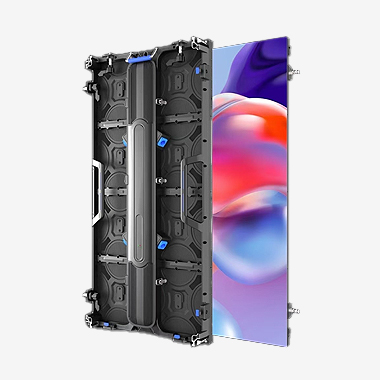
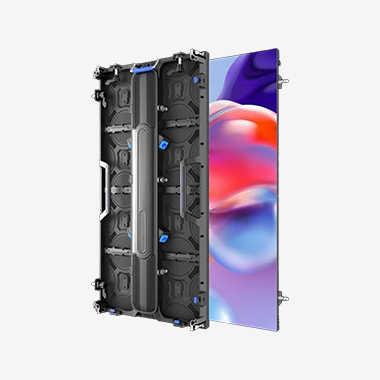
oor advertising and public communication, combining high-brightness visuals with robust environmental resistance. Designed to withstand rain, dust, humidity, and extreme temperatures, these screens ensure uninterrupted operation in any weather condition, making them ideal for high-traffic urban areas, stadiums, transportation hubs, and commercial complexes.
The evolution of waterproof LED billboards stems from the need for dynamic, cost-effective advertising solutions that outperform traditional static signage. Unlike printed banners or vinyl posters, LED screens enable real-time content updates, allowing advertisers to rotate multiple ads, display live feeds, or adapt messaging based on audience demographics or time of day. This flexibility, coupled with their ability to produce vivid colors and high-contrast images, has made them a staple in modern outdoor media strategies.
Key technological milestones include the development of IP65-rated enclosures (or higher, such as IP68), which protect internal components from water and particulate ingress, and the integration of energy-efficient LEDs that reduce power consumption while maintaining brightness. Advances in heat dissipation, such as aluminum alloy cabinets with airflow channels, further enhance reliability in prolonged outdoor use.
Today, waterproof LED billboards are not just advertising tools but also platforms for public service announcements, emergency alerts, and interactive experiences. Their adoption is driven by urbanization, digitalization, and the growing demand for engaging, data-driven marketing campaigns.
Material Selection
The durability of waterproof LED billboards hinges on premium materials engineered for outdoor exposure. The LED modules themselves use high-brightness SMD (Surface-Mount Device) LEDs with a minimum luminous efficacy of 5,000–10,000 nits to ensure visibility in direct sunlight. These LEDs are encapsulated in silicone or epoxy resins to prevent water penetration and UV degradation.
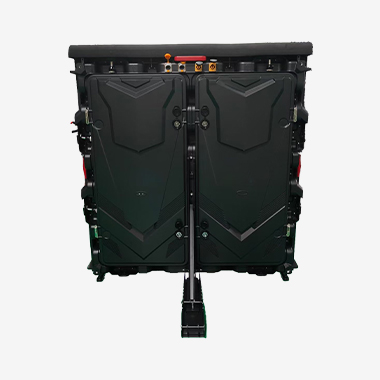
The cabinet structure typically employs die-cast aluminum or fiberglass-reinforced plastic (FRP) for lightweight strength. Aluminum is preferred for its corrosion resistance and thermal conductivity, which aids in heat dissipation. FRP, while slightly heavier, offers superior impact resistance and is often used in coastal or high-wind areas.
Waterproofing Mechanisms
IP (Ingress Protection) ratings are critical in design. An IP65 rating means the screen is dust-tight and can withstand low-pressure water jets from any direction, while IP68 allows submersion in water up to 1.5 meters for 30 minutes. Achieving these ratings involves:
Gaskets and Seals: Silicone or neoprene gaskets are placed between cabinet panels and around ports to block moisture.
Conformal Coatings: Electronic components are coated with acrylic or urethane resins to repel water and prevent short circuits.
Drainage Systems: Sloped cabinets and weep holes allow condensation to escape without compromising waterproofing.
Thermal Management
Overheating is a primary concern in enclosed LED displays. Solutions include:
Passive Cooling: Aluminum heat sinks and fins increase surface area for natural convection.
Active Cooling: Fans or liquid cooling loops are used in high-power applications (e.g., P2.5 screens with >8,000 nits).
Ambient Sensors: Thermistors adjust brightness or activate cooling systems based on temperature readings.
Structural Integration
Mounting waterproof LED billboards requires adherence to wind load standards (e.g., ASCE 7 in the U.S.). For high-rise installations, cabinets are reinforced with steel frames and anchored to building facades using bolts or chemical adhesives. Curved or irregular surfaces demand modular designs with flexible PCBs or magnetic attachment systems for seamless alignment.
LED Technology Fundamentals
Each pixel in a waterproof LED billboard consists of red, green, and blue (RGB) LEDs that combine to produce millions of colors. The intensity of each LED is controlled by pulse-width modulation (PWM), which adjusts the duty cycle of electrical signals to vary brightness. For example, a 10-bit PWM system offers 1,024 brightness levels per color, enabling smooth gradients and high dynamic range (HDR) visuals.
Control Systems
The brain of the display is a media player or controller that processes input signals (e.g., HDMI, DVI, or Ethernet) and distributes them to driver ICs. These ICs convert digital data into analog voltages for the LEDs, ensuring synchronized operation across the screen. Advanced controllers support features like:
Real-Time Updates: Cloud-based platforms allow remote content management via 4G/5G or Wi-Fi.
Multi-Screen Synchronization: For large installations (e.g., stadium wraps), controllers coordinate playback across hundreds of cabinets with sub-millisecond latency.
Ambient Light Adaptation: Sensors adjust brightness based on daylight levels to optimize visibility and energy use.
Power Distribution
Waterproof LED billboards typically operate on low-voltage DC power (48V or 24V) to minimize electrical hazards. Power supplies are housed in weatherproof enclosures and equipped with surge protectors to guard against voltage spikes. For off-grid applications, solar panels paired with lithium-ion batteries can provide sustainable energy, though this adds complexity to the design.
Advantages
All-Weather Reliability: IP65+ ratings ensure operation in rain, snow, or dust storms, reducing downtime and maintenance costs.
High Visibility: Brightness levels exceeding 8,000 nits combat glare, making content legible even in direct sunlight.
Dynamic Content: Supports video, animations, and interactive elements (e.g., touchscreens or motion sensors) to engage audiences.
Cost Efficiency: Eliminates recurring printing costs for static billboards and enables rapid ad rotations to maximize ROI.
Eco-Friendly: LEDs consume up to 80% less energy than traditional lighting, and solar-powered models further reduce carbon footprints.
Challenges
Initial Investment: High-resolution screens (e.g., P2.5) can cost
2,000–5,000 per square meter, though prices are declining with technological maturity.
Installation Complexity: Requires skilled labor to ensure proper waterproofing and structural integrity, especially for curved or angled setups.
Heat Management: Dense pixel layouts generate significant heat, necessitating advanced cooling systems that add bulk and cost.
Content Optimization: Designing visuals for outdoor LED screens demands expertise in color calibration, aspect ratios, and motion sickness mitigation (for fast-moving content).
Regulatory Compliance: Light pollution laws may restrict brightness levels or operating hours in residential areas.
Current Applications
Outdoor Advertising: Dominates highways, city centers, and retail districts with dynamic product promotions and brand campaigns.
Transportation: Provides real-time schedules, safety alerts, and wayfinding information at airports, train stations, and bus terminals.
Sports and Entertainment: Enhances fan experiences with live scores, replays, and interactive games at stadiums and arenas.
Public Service: Displays emergency notifications, weather warnings, and health advisories during crises.
Future Trends
MicroLED Adoption: Smaller, more efficient diodes will enable higher resolutions (e.g., P1.0) at lower costs, rivaling the clarity of LCD or OLED displays.
AI-Driven Personalization: Cameras and facial recognition software will tailor content to audience demographics (e.g., showing luxury car ads to affluent passersby).
Augmented Reality (AR) Integration: Overlaying digital content onto the physical environment (e.g., virtual product trials) will create immersive brand experiences.
Self-Powered Displays: Advances in perovskite solar cells could eliminate grid dependency, making LED billboards viable in remote areas.
Circular Economy Models: Modular designs will allow easy recycling of LED components, reducing electronic waste.
Conclusion
Waterproof LED display billboard screens have redefined outdoor advertising by merging durability, versatility, and interactivity. Their ability to operate in harsh environments while delivering high-impact visuals makes them indispensable for brands seeking to engage audiences in public spaces. Despite challenges like initial costs and heat management, ongoing innovations in materials science, AI, and renewable energy are addressing these barriers, paving the way for wider adoption.
As cities become smarter and more connected, waterproof LED billboards will evolve from static advertising tools into dynamic communication hubs that inform, entertain, and inspire. For advertisers, urban planners, and technologists, investing in this technology is not just a competitive advantage—it’s a commitment to shaping the future of public engagement in the digital age.


Copyright © 2026 Shenzhen Cogo Technology Co.,Ltd.
All Rights Reserved

 Previous article