




 Chat Now
In the contemporary urban landscape, LED display billboard screens have emerged as a dominant force in the world of outdoor advertising and public information dissemination. These large - scale, high - brightness electronic display systems utilize light - emitting diodes (LEDs) as the basic pixel units to create vivid, dynamic visual content. The widespread adoption of LED display billboards can be attributed to their superior performance, energy - efficiency, and flexibility in content display.
LED display billboards come in various sizes, ranging from small - scale screens used for local storefront promotions to massive, multi - story displays that adorn the facades of skyscrapers in major cities. The resolution of these screens has also significantly improved over the years. High - definition (HD) and even 4K or 8K resolutions are now achievable, allowing for incredibly detailed and sharp images. This has revolutionized the way advertisers and content creators can engage with their audiences.
One of the key features of LED display billboard screens is their ability to display a wide range of content. This includes static images, animated graphics, video clips, and real - time data feeds. For example, in Times Square, New York, LED billboards are constantly showing a mix of commercial advertisements, news updates, and cultural content, creating a vibrant and ever - changing visual spectacle. These billboards not only serve as a platform for businesses to promote their products and services but also contribute to the overall aesthetic and atmosphere of the urban environment.
LED display billboards are also highly customizable. Advertisers can easily change the content according to different marketing campaigns, time of day, or target audience. This flexibility enables more targeted and effective advertising strategies. Additionally, with the integration of smart technologies, some LED billboards can interact with the audience. For instance, they can display personalized messages based on data collected from nearby mobile devices or respond to social media interactions.
The design and construction of LED display billboard screens are complex processes that require a combination of electrical, mechanical, and software engineering expertise. The first step in the design process is to determine the purpose and location of the billboard. This will influence factors such as the size, resolution, and brightness requirements of the screen.
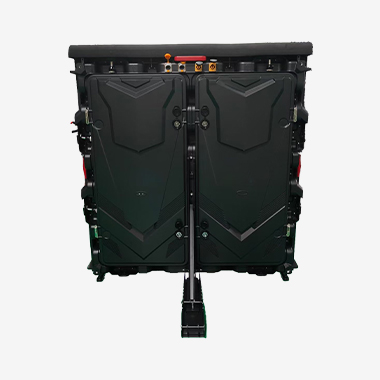
For outdoor applications, the billboard must be designed to withstand various environmental conditions, including strong winds, rain, snow, and extreme temperatures. The frame of the LED billboard is typically made of high - strength steel or aluminum alloys to ensure structural stability. The choice of material also affects the weight of the billboard, which is an important consideration, especially for installations on building facades or structures with weight - bearing limitations.
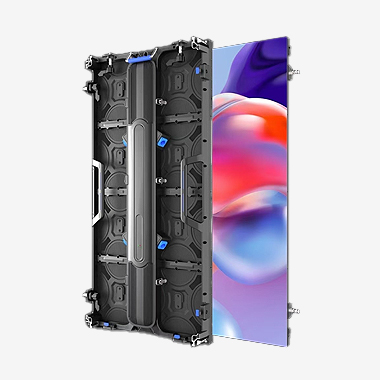
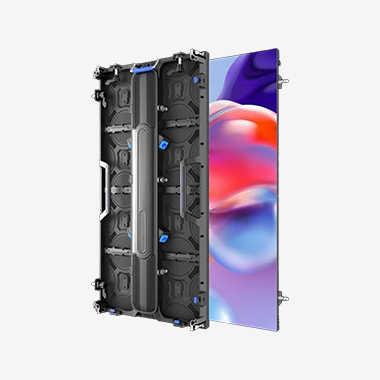
The LED modules, which are the building blocks of the display, are carefully selected and arranged to form the desired screen size and resolution. Each LED module contains multiple LEDs that are grouped together to form a pixel. The quality of the LEDs, including their brightness, color accuracy, and lifespan, is crucial for the overall performance of the billboard. High - quality LEDs can provide consistent brightness and color over a long period, reducing the need for frequent maintenance and replacement.
In terms of the electrical system, LED billboards require a reliable power supply and control system. The power supply must be able to deliver a stable voltage and current to the LEDs to ensure their proper operation. The control system, on the other hand, is responsible for sending the video and image data to the LEDs in a synchronized manner. Modern LED billboards often use digital signal processing (DSP) technology and high - speed data transmission protocols to achieve smooth and seamless content display.
During the construction process, precise installation is essential. The LED modules are carefully mounted on the frame, and all the electrical connections are made. After the physical installation, extensive testing is carried out to ensure that the billboard functions properly. This includes testing the brightness, color uniformity, and display quality of the screen. Any defects or issues are identified and resolved before the billboard is put into operation.
The working principle of LED display billboard screens is based on the properties of light - emitting diodes. LEDs are semiconductor devices that emit light when an electric current passes through them. Each LED is designed to emit light of a specific color, such as red, green, or blue (RGB). By combining different intensities of these primary colors, a wide range of colors can be produced, allowing for the display of full - color images and videos.
In an LED display, the pixels are formed by an array of LED modules. Each pixel typically consists of multiple LEDs, usually arranged in a matrix pattern. When an electrical signal is sent to the LEDs in a pixel, they emit light at different intensities according to the signal. For example, to display a white color, the red, green, and blue LEDs in a pixel will all emit light at maximum intensity. To display other colors, the intensities of the individual LEDs are adjusted accordingly.
The control system of an LED billboard plays a vital role in the display process. It receives the video or image data from an external source, such as a computer or a media server. The data is then processed and converted into a series of electrical signals that are sent to the individual LEDs in the display. The control system also synchronizes the operation of all the LEDs to ensure that the content is displayed correctly and smoothly.
Modern LED billboards often use a technique called pulse - width modulation (PWM) to control the brightness of the LEDs. PWM works by rapidly switching the LEDs on and off at a high frequency. The longer the LEDs are on within a given time period, the brighter they appear. By adjusting the duty cycle (the proportion of time the LEDs are on), the control system can precisely control the brightness of each pixel, enabling the display of images with different levels of brightness and contrast.
LED display billboard screens offer numerous advantages that have contributed to their increasing popularity. One of the most significant advantages is their high brightness and visibility. Unlike traditional billboards, which rely on printed materials and ambient light, LED billboards can emit their own light, making them highly visible even in bright sunlight or at night. This high visibility ensures that the content on the billboard can reach a large audience effectively.
Energy - efficiency is another major advantage of LED billboards. LEDs consume significantly less power compared to other lighting technologies, such as incandescent bulbs or fluorescent lamps. This not only reduces the operating costs of the billboard but also makes it more environmentally friendly. Additionally, the long lifespan of LEDs means that they require less frequent replacement, further reducing maintenance costs.
The flexibility in content display is also a key advantage. As mentioned earlier, LED billboards can display a wide variety of content, from static images to dynamic videos. They can also be updated in real - time, allowing for timely advertising and information dissemination. This flexibility enables advertisers to create more engaging and relevant content for their target audience.
However, LED display billboard screens also face several challenges. One of the main challenges is the high initial cost. The purchase, installation, and setup of an LED billboard can be very expensive, which may be a barrier for some small - and medium - sized businesses. Another challenge is the need for regular maintenance. Although LEDs have a long lifespan, they can still fail over time, and the electrical and control systems of the billboard also require periodic checks and servicing.
Environmental factors can also pose a challenge. Extreme weather conditions, such as hurricanes, heavy snowstorms, or sandstorms, can damage the billboard. Additionally, the brightness of LED billboards can sometimes cause light pollution, which may be a concern in certain areas. There are also regulatory challenges, as different regions may have specific rules and guidelines regarding the installation, operation, and content display of LED billboards.
LED display billboard screens have a wide range of applications across various industries. In the advertising industry, they are the preferred medium for large - scale outdoor advertising campaigns. Brands can use LED billboards to showcase their products, create brand awareness, and target specific demographics. For example, fashion brands often use high - resolution LED billboards in shopping districts to display their latest collections.
In the transportation sector, LED billboards are used at airports, train stations, and bus terminals to display flight schedules, train timings, and other important information. They can also be used for advertising within the transportation hubs, providing a captive audience for businesses. In the sports and entertainment industry, LED billboards are commonly used in stadiums and arenas to display live scores, replays, and advertisements during games and events.
Looking to the future, several trends are emerging in the field of LED display billboard screens. One trend is the continuous improvement in resolution. As technology advances, we can expect to see more 4K and 8K LED billboards, which will offer even more detailed and immersive visual experiences. Another trend is the integration of artificial intelligence (AI) and machine learning (ML) technologies. AI - powered LED billboards can analyze audience data in real - time and display personalized content, increasing the effectiveness of advertising.
The use of transparent and flexible LED displays is also on the rise. Transparent LED billboards can be installed on glass facades, creating a unique visual effect while still allowing light to pass through. Flexible LED displays can be curved or shaped to fit different architectural designs, providing more creative possibilities for billboard installations. Additionally, the development of wireless and remote - control technologies will make it easier to manage and update LED billboards from a distance.
Conclusion
LED display billboard screens have transformed the way we communicate and advertise in the modern world. With their high - visibility, energy - efficiency, and flexibility in content display, they have become an essential part of the urban landscape. Despite the challenges they face, such as high initial costs and maintenance requirements, the continuous technological advancements and the emergence of new applications and trends ensure a bright future for LED billboards.
As we move forward, we can expect LED display billboard screens to become even more sophisticated, with improved resolution, enhanced interactivity, and greater integration with other technologies. They will continue to play a crucial role in outdoor advertising, public information dissemination, and urban aesthetics, providing a powerful platform for businesses and organizations to reach their audiences and for cities to showcase their vibrancy and innovation.


Copyright © 2026 Shenzhen Cogo Technology Co.,Ltd.
All Rights Reserved

 Previous article