




 Chat Now
A high brightness LED display billboard screen is a specialized outdoor digital advertising solution engineered to deliver vivid, eye-catching content in extreme ambient light conditions—such as direct sunlight, neon-lit cityscapes, or bright suburban areas—with brightness levels ranging from 6,000 to 15,000 nits. Unlike standard outdoor LED billboards (which max out at 4,000 nits and risk appearing washed out), this technology prioritizes visibility, durability, and 24/7 operation, making it ideal for high-traffic locations like highways, urban intersections, shopping mall parking lots, and sports stadium perimeters.
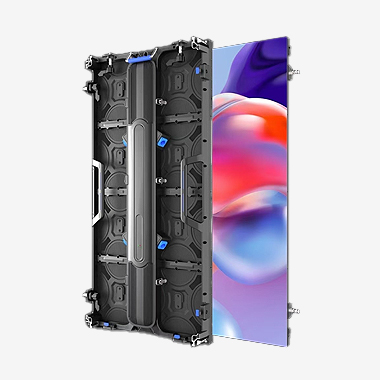
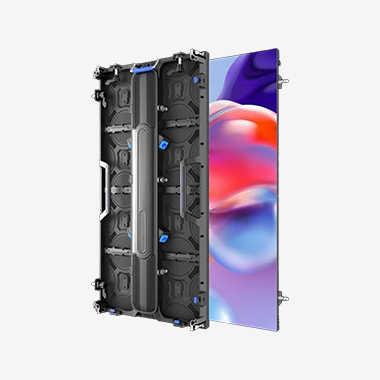
At its core, the system comprises modular high-lumen LED panels, a weatherproof control unit, and robust structural supports—all optimized for outdoor resilience. Key specifications balance brightness with advertising functionality: pixel pitches span 5mm (close-range urban billboards) to 20mm (long-distance highway signs); color gamuts cover 95%+ of DCI-P3 to ensure accurate brand color reproduction; and refresh rates of 120Hz+ guarantee smooth playback of dynamic ads (e.g., product demos, animated brand stories). Energy efficiency is also integrated, with top models delivering 80–120 lm/W to offset the power demands of high brightness.
Demand for this technology has surged with the growth of out-of-home (OOH) digital advertising, which is projected to reach $50 billion globally by 2030. High brightness models account for over 65% of outdoor digital billboard installations, as they drive 40–50% higher audience engagement than standard screens. For example, a beverage brand might install a 12x6m high brightness billboard along a highway, delivering 10,000 nits to ensure drivers can see its ad from 1km away. A luxury retail brand could use a 8x4m screen with 8,000 nits in a downtown intersection, cutting through the area’s bright storefront lighting and traffic signals.
What sets this system apart is its ability to balance visibility with advertising impact. It supports a wide range of ad formats—4K videos, real-time data feeds (e.g., weather-based promotions), and programmatic advertising—allowing brands to deliver targeted, timely messages. Modern models also integrate analytics tools that track ad impressions, viewer demographics, and engagement rates, enabling advertisers to measure ROI and optimize campaigns in real time. As brands compete for attention in cluttered outdoor spaces, the high brightness LED display billboard has become an indispensable tool for standing out and driving consumer action.
The design and construction of a high brightness LED display billboard screen prioritize two non-negotiable goals: maximizing brightness output without compromising durability, and ensuring content remains visually consistent across the entire billboard—even in extreme outdoor conditions like heavy rain, high winds, or extreme temperatures. Every component is engineered to meet the unique demands of outdoor advertising.
Component Design: Brightness and Weather Resistance
LED panels are the foundation of the system, featuring high-lumen RGB LED chips (180–220 lumens per watt) with a vertical-cavity surface-emitting laser (VCSEL) structure that focuses light outward to maximize visibility. These chips are mounted on metal-core printed circuit boards (MCPCBs) with enhanced thermal conductivity—critical for high-brightness operation, as excess heat degrades LED performance and shortens lifespan. The MCPCBs are coated with a conformal silicone layer to resist dust, humidity, and corrosion, making them suitable for long-term outdoor use.
Outdoor panels feature IP65/IP68-rated enclosures made of corrosion-resistant aluminum alloy, with a 6–8mm tempered glass front cover treated with an anti-glare (AG) coating and anti-reflective (AR) film. This combination reduces sunlight reflection by 50–60%, ensuring content remains readable even in midday sun, while the glass’s 9H hardness rating protects against vandalism or debris impact (e.g., wind-blown gravel). For temperature control, panels include a breathable membrane that releases moisture vapor while blocking water ingress—preventing condensation buildup that could damage the high-density electronics.
The control system is built for outdoor-specific functionality. It includes a weatherproof media server (housed in a temperature-controlled, lockable enclosure) that connects to the panels via fiber optic cables—immune to electromagnetic interference (EMI) from nearby power lines or traffic signals, which can disrupt ad playback. The server runs programmatic advertising software that supports real-time content updates, schedule management (e.g., “play breakfast ads 7–10 AM, snack ads 3–6 PM”), and integration with third-party ad platforms (e.g., Google Ads, The Trade Desk).
Structural Framework: Stability for Outdoor Environments
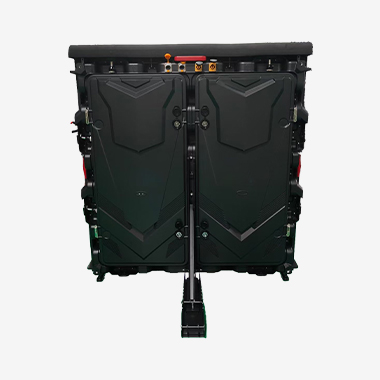
The support framework is engineered for permanent outdoor installation, tailored to the billboard’s location and size. Highway billboards use galvanized steel trussing or concrete supports, designed to withstand wind loads up to 150km/h and snow loads of 50kg/m²—critical for elevated locations exposed to harsh weather. Urban billboards mounted on building facades use lightweight aluminum rails with adjustable brackets that distribute weight evenly across the building’s structure, avoiding damage to walls.
Cable management is fully integrated into the framework: power and data cables run through hidden, waterproof channels to prevent damage from weather or vandalism. Power supplies use “wide-voltage input” (100–240V) to adapt to inconsistent outdoor electrical grids, while surge protectors (rated for 2,000V) shield components from lightning strikes or voltage spikes—common in outdoor environments. For large billboards (10m+), the framework includes “cable tensioners” that prevent sagging, which could disrupt data transmission for high-resolution content.
Thermal Management: Cooling for High-Brightness Operation
High brightness operation generates significant heat (up to 100W per square meter), so the system includes advanced cooling mechanisms. Outdoor panels use a combination of passive heat sinks (attached to the MCPCBs) and active fans or water-cooled loops. Fans are mounted in the panel’s rear enclosure, with dust filters to prevent debris buildup, while water-cooled loops circulate coolant through the MCPCBs—ideal for hot climates (e.g., deserts) where fans alone are insufficient.
Temperature sensors embedded in each panel monitor heat levels in real time. If temperatures exceed 60°C, the control system automatically reduces brightness by 10–15% to cool the LEDs, ensuring long-term durability without noticeable impact on ad visibility. In cold climates (-30°C to 0°C), the system includes heating elements that warm the panels to 5°C before powering on, preventing cold-related component failure. This balance of cooling and heating ensures the billboard operates reliably in temperatures ranging from -30°C to 60°C.
The working principle of a high brightness LED display billboard screen revolves around three interconnected mechanisms: high-lumen LED activation for maximum visibility, adaptive brightness control to combat ambient light changes, and programmatic content delivery for targeted advertising—all optimized to ensure ads remain vivid, consistent, and engaging in outdoor environments.
Stage 1: High-Lumen LED Activation
At the core of the system is the activation of high-brightness LED chips via Pulse-Width Modulation (PWM). The programmatic media server processes ad content—videos, images, or real-time data—and splits it into pixel-level signals, which are sent to each panel’s receiving card. The receiving card converts these signals into PWM pulses—rapidly turning the RGB LED chips on/off at frequencies >1,000Hz. The “on” pulse duration determines brightness: longer pulses for higher intensity (e.g., 90% “on” to achieve 10,000 nits) and shorter pulses for lower brightness (e.g., 50% “on” for 5,000 nits).
By combining red, green, and blue light at varying intensities, the chips reproduce the full spectrum of colors required for accurate brand representation—for example, a brand’s signature red is created by a 100% “on” pulse for red chips, 0% for green and blue. The VCSEL structure of the LED chips ensures light is directed outward (rather than scattered), maximizing visibility from a distance. For highway billboards, this directional light reduces glare for drivers while ensuring the ad is visible from multiple angles (160°+ viewing angle).
Stage 2: Adaptive Brightness Control
To maintain ad visibility in changing light conditions, the system uses ambient light sensors mounted on the billboard’s top edge. These sensors measure real-time light levels (in lux) and send data to the media server, which adjusts LED brightness dynamically:
Midday sun (10,000+ lux): Brightness is increased to 10,000–15,000 nits for highway billboards, 8,000–10,000 nits for urban screens, ensuring the ad remains vivid.
Overcast conditions (2,000–5,000 lux): Brightness is reduced to 6,000–8,000 nits (highway) or 4,000–6,000 nits (urban) to save energy without sacrificing visibility.
Dusk/dawn (500–2,000 lux): Brightness is lowered to 3,000–5,000 nits to avoid light pollution and reduce eye strain for pedestrians.
Night (0–500 lux): Brightness is dimmed to 1,000–2,000 nits (complying with local light pollution regulations), with some models using “night mode” to shift to warmer colors that are less disruptive to nearby residents.
Thermal sensors also play a role in brightness control: if panel temperatures exceed 60°C, the server reduces brightness by 10–15% to cool the LEDs, preventing long-term damage while keeping the ad visible.
Stage 3: Programmatic Content Delivery
For advertising, seamless, targeted content delivery is critical. The media server uses programmatic software to:
Schedule ads: Users can pre-set ad playtimes (e.g., “play coffee ads 7–10 AM, dinner ads 5–8 PM”) or trigger ads based on real-time triggers (e.g., “play umbrella ads when rain is detected”).
Update content in real time: Ads can be changed remotely via a web-based dashboard—for example, a sports brand can update its ad to celebrate a local team’s win within minutes of the game ending.
Target audiences: The software integrates with third-party data providers to deliver tailored ads—e.g., a luxury watch ad might play during evening hours in high-income neighborhoods, while a budget clothing ad runs during daytime in family-friendly areas.
Track performance: The server collects data on ad impressions (number of viewers), dwell time (how long viewers look at the ad), and engagement (e.g., number of QR code scans). This data is sent to analytics tools, allowing advertisers to measure ROI and optimize future campaigns.
Redundant data paths ensure no ad downtime: if one fiber optic cable fails, a backup takes over instantly, and the server stores ad content locally to avoid disruptions if the internet connection drops.
High brightness LED display billboards offer transformative advantages for outdoor advertising, but they also face inherent challenges tied to their high-performance design and outdoor operation. Understanding these pros and cons is critical for brands, advertisers, and installation companies investing in this technology.
Key Advantages
1. Unmatched Visibility in High-Light Environments
The primary advantage is their ability to remain visible and vivid in conditions where standard billboards fail. With brightness levels of 6,000–15,000 nits, they cut through direct sunlight, bright urban lighting, or neon-lit cityscapes—ensuring ads are seen by target audiences. For example, a highway billboard using a 10,000-nit screen is visible to drivers from 1km away, even in midday sun, while a standard 4,000-nit billboard would appear washed out and unreadable. Studies show high brightness billboards generate 40–50% more ad impressions than standard screens in high-light environments, as they capture the attention of passersby who would otherwise ignore dimmer ads. This visibility directly translates to better brand recall: 80% of consumers surveyed by the Outdoor Advertising Association remember ads seen on high brightness billboards, compared to 55% for standard screens.
2. Long-Term Durability and Low Maintenance
Designed for 24/7 outdoor operation, high brightness LED billboards are built to withstand harsh conditions—making them a long-term investment. Outdoor models feature IP65/IP68 weatherproofing, corrosion-resistant materials, and robust cooling/heating systems, enabling them to operate reliably for 5–10 years (50,000–100,000 hours of use). Maintenance requirements are minimal: quarterly cleaning (to remove dust/debris) and annual component checks—far less than traditional printed billboards (which require monthly poster replacements) or projectors (which need bulb changes every 2,000–5,000 hours). This durability reduces long-term costs: a high brightness billboard’s total cost of ownership over 5 years is 45–65% lower than traditional billboards, as it eliminates recurring costs like printing, installation, and bulb replacements.
3. Flexible, Targeted Advertising Capabilities
These billboards support a wide range of ad formats and targeting options, making them highly flexible for advertising campaigns. They can display 4K videos, interactive content (e.g., QR codes that link to product pages), real-time data feeds (e.g., weather, sports scores), and programmatic ads—allowing brands to deliver timely, relevant messages. For example, a coffee brand can display “morning brew” ads 7–10 AM, switch to “afternoon latte” ads 2–5 PM, and update the ad to promote a “rainy day discount” when bad weather is detected. Programmatic integration enables hyper-targeting: ads can be tailored to location (e.g., beachwear ads near coastal highways), time of day (e.g., dinner ads near rush hour), or audience demographics (e.g., toy ads near family neighborhoods). This flexibility ensures ads resonate with viewers, increasing the likelihood of driving action (e.g., visiting a store, making a purchase).
4. Measurable Performance and ROI
Unlike traditional billboards (which offer no way to track performance), high brightness LED billboards provide detailed analytics to measure ad effectiveness. The system tracks metrics like:
Impressions: Number of unique viewers (estimated via traffic data or camera sensors).
Dwell time: Average time viewers spend looking at the ad (typically 2–5 seconds for highway ads, 10–15 seconds for urban ads).
Engagement: Number of QR code scans, website clicks, or social media shares generated by the ad.
Conversion: Number of viewers who take a desired action (e.g., visiting a store, using a coupon code).
This data allows advertisers to calculate ROI accurately and optimize campaigns—for example, if a “limited-time sale” ad generates 2x more conversions than a “brand story” ad, the advertiser can shift their budget to prioritize sale ads. Some systems even integrate with point-of-sale (POS) data, linking ad impressions directly to sales—closing the loop on campaign effectiveness.
Key Challenges
1. High Initial Cost and Installation Complexity
The specialized components (high-brightness LEDs, weatherproof enclosures, cooling systems) make high brightness LED billboards significantly more expensive upfront than standard billboards. A medium-sized outdoor billboard (10x5m) can cost \(70,000–\)130,000, including panels, framework, and installation—2–3 times more than a standard outdoor billboard of the same size. Installation is also complex: it requires structural assessments (to ensure the location can support the billboard’s weight, 500–1,000kg for a 10x5m setup), electrical upgrades (to handle the billboard’s power needs, 6–12kW), and compliance with local regulations (e.g., height restrictions, light pollution laws). For example, installing a billboard on a historic building may require special permits and custom mounting solutions, extending the timeline to 4–6 weeks and increasing labor costs by 25–30%. This high initial cost and complexity can deter small businesses or advertisers with limited budgets.
2. High Energy Consumption
High brightness operation requires significant energy: a 10x5m outdoor billboard can consume 6–12kW of electricity per hour—2–3 times more than a standard 4,000-nit billboard. For 24/7 operation, this translates to monthly energy bills of \(600–\)1,800 (depending on local electricity rates), which adds up to \(7,200–\)21,600 per year. While adaptive brightness systems reduce energy use by 30–40% (by dimming at night), the overall consumption is still high compared to other advertising formats. For brands with strong sustainability goals, this energy use can be a concern—though newer models use energy-efficient micro-LEDs (reducing consumption by 30–50%) to mitigate this issue.
3. Light Pollution and Regulatory Restrictions
Outdoor high brightness billboards are subject to strict regulations to limit light pollution, which can restrict their operation and effectiveness. Many cities cap outdoor billboard brightness at 1,000–2,000 nits after dark (e.g., London, Toronto) and prohibit operation between 11 PM and 6 AM (e.g., New York City, Singapore). These restrictions reduce the billboard’s visibility and advertising value during peak nighttime hours—critical for brands targeting evening commuters or nightlife audiences. Navigating regulations is time-consuming: permit applications can take 2–3 months to process, withfees ranging from \(1,000–\)10,000. Non-compliance can result in fines (\(500–\)5,000 per violation) or forced dimming of the billboard, which diminishes its effectiveness. In some cases, cities have banned high brightness billboards entirely in residential areas or historic districts, limiting the available locations for advertisers. This regulatory landscape adds uncertainty to investments, as a billboard installed today may face new restrictions in the future.
4. Vulnerability to Vandalism and Environmental Damage
Outdoor high brightness billboards are exposed to vandalism and environmental damage, which can disrupt ad campaigns and increase maintenance costs. Vandalism—such as graffiti, scratches to the glass cover, or damage to cables—is common in high-traffic urban areas. Repairing a vandalized billboard can cost \(2,000–\)10,000, depending on the extent of damage, and result in days of downtime. Environmental damage is also a risk: extreme weather (e.g., hailstorms, high winds) can crack the glass cover or damage the framework, while saltwater spray in coastal areas can corrode metal components. Even minor damage, like a cracked glass cover, can reduce the billboard’s brightness and visibility, making ads less effective. To mitigate these risks, advertisers must invest in additional security measures (e.g., surveillance cameras, anti-graffiti coatings) and weatherproofing upgrades, adding 10–15% to the initial installation cost.
High brightness LED display billboards are deployed across a diverse range of high-visibility outdoor locations, each leveraging their ability to cut through ambient light and deliver engaging ads. As advertising technology evolves, future trends will expand their capabilities, making them even more versatile and effective for brands.
Key Current Applications
1. Highway and Roadside Billboards
Highway and roadside billboards are the most common application for high brightness LED display billboards, as they need to be visible to fast-moving drivers in direct sunlight. These billboards typically range from 8x4m to 15x8m with pixel pitches of 10–20mm (optimized for long-distance viewing, 500m–1km). Brightness levels of 10,000–15,000 nits ensure ads remain readable even in midday sun, while refresh rates of 120Hz+ prevent motion blur for drivers passing by. For example, a beverage brand might use a highway billboard to display a 15-second animated ad for its new product, with the high brightness ensuring drivers can recognize the brand and message in 2–3 seconds (the average time a driver views a billboard). These billboards also support real-time updates: a gas station chain could change its ad to promote “low fuel prices” during peak travel times, or a restaurant could advertise “drive-thru specials” during lunch and dinner rushes.
2. Urban City Centers and Intersections
Urban city centers and busy intersections use high brightness LED billboards to reach large crowds of pedestrians, commuters, and tourists. These billboards are often larger (12x6m to 20x10m) and located on building facades or free-standing structures, with pixel pitches of 5–10mm and brightness levels of 8,000–12,000 nits. They display a mix of national brand ads, local business promotions, and public service announcements. For example, a tech company might use a city center billboard to launch its new smartphone, with a 30-second ad that highlights the phone’s camera and battery features. During special events (e.g., New Year’s Eve celebrations, sports championships), the billboard can be used to stream live footage, with the high brightness ensuring visibility even in crowded, well-lit plazas. These billboards also support interactive content: a coffee brand could run a “scan to win” campaign, where pedestrians scan a QR code on the billboard to enter a contest for free coffee.
3. Shopping Mall Parking Lots and Retail Districts
Shopping malls and retail districts use high brightness LED billboards to attract shoppers and drive foot traffic to stores. Mall parking lot billboards (8x4m to 10x5m) are positioned near entrances, with pixel pitches of 8–12mm and brightness levels of 8,000–10,000 nits—ensuring visibility for drivers entering the parking lot. These billboards display mall-wide promotions (e.g., “Weekend Sale: 20% Off All Stores”) or ads for anchor tenants (e.g., department stores, electronics retailers). Retail districts (e.g., downtown shopping streets) use smaller billboards (6x3m to 8x4m) mounted on storefronts, with pixel pitches of 5–8mm and brightness levels of 7,000–9,000 nits. A fashion retailer could use such a billboard to showcase its new collection, with high-definition videos of models wearing the clothing. These billboards are often part of a “digital retail ecosystem,” where ads are synchronized with in-store promotions—e.g., a billboard ad for a “limited-time sale” links to a store’s mobile app, allowing shoppers to redeem discounts in-store.
4. Sports Stadiums and Outdoor Event Venues
Sports stadiums and outdoor event venues use high brightness LED billboards to enhance the fan experience and generate advertising revenue. Stadium billboards (often called “perimeter boards” or “jumbotrons”) are 15x8m to 30x10m with pixel pitches of 6–10mm and brightness levels of 10,000–15,000 nits, ensuring fans in upper tiers can see ads, replays, and player stats clearly. For example, a soccer stadium might use its perimeter boards to display ads for sports drinks, car brands, and local restaurants during games. Outdoor music festivals use smaller billboards (8x4m to 12x6m) throughout the venue to display sponsor ads, set times, and live footage of performances. The high brightness is critical for these venues, as they often operate during daytime hours with direct sunlight, and the billboards need to be visible to large crowds. Additionally, event billboards support real-time updates: a festival could change its ad schedule to promote a last-minute performance by a popular artist, or a stadium could update its ad to celebrate a local team’s score.
Future Trends
1. Micro-LED Technology for Enhanced Efficiency and Brightness
Micro-LED technology will revolutionize high brightness LED display billboards, offering significant improvements in efficiency, brightness, and durability. Micro-LEDs are tiny (less than 100 micrometers) self-illuminating chips that produce 20,000+ nits of brightness while consuming 30–50% less power than traditional LEDs. This reduced power consumption will lower energy bills for advertisers and make the billboards more sustainable. Micro-LEDs also generate less heat, eliminating the need for complex cooling systems and reducing maintenance costs. Additionally, their small size will enable thinner, lighter billboards—making installation easier on building facades and reducing structural requirements. For example, a micro-LED highway billboard could be 50% thinner than a traditional billboard, weighing less and requiring less support infrastructure. Micro-LEDs also have a longer lifespan (100,000+ hours) than traditional LEDs, extending the billboard’s useful life and reducing replacement costs.
2. AI-Powered Personalization and Predictive Advertising
Artificial intelligence (AI) will play a key role in optimizing high brightness LED display billboards, enabling hyper-personalized ads and predictive campaign management. AI algorithms will analyze data from sensors (e.g., cameras, traffic counters, weather sensors) and third-party sources (e.g., demographic data, consumer behavior) to deliver tailored ads to specific audiences. For example, an AI-powered billboard in a shopping district could detect that a group of young adults is passing by and display ads for trendy clothing brands, then switch to family-friendly ads when a group with children approaches. AI will also enable predictive advertising: algorithms will analyze historical data to predict which ads are most likely to resonate with viewers at specific times of day or in specific weather conditions. For example, the AI might predict that cold beverage ads will perform better on hot days, or that gift ads will be more effective during holiday weekends. This personalization and prediction will increase ad engagement rates, making the billboards more valuable for advertisers. Additionally, AI will automate campaign optimization: if an ad is underperforming, the AI will automatically adjust its schedule or content to improve results, reducing the need for manual intervention.
3. Integration with Immersive Technologies (AR/VR)
High brightness LED display billboards will increasingly integrate with augmented reality (AR) and virtual reality (VR) to create immersive ad experiences. AR integration will allow consumers to interact with ads using their smartphones: a consumer could scan a QR code on the billboard to see a 3D AR model of a product, which they can rotate, customize, or even “place” in their home. For example, a furniture brand could use an AR-enabled billboard to let shoppers see how a sofa would look in their living room, using photos from their phone. VR integration will be used for more immersive experiences: a car brand could set up a VR booth next to a high brightness billboard, allowing consumers to “test drive” a virtual car using the billboard’s visuals as a backdrop. These immersive technologies will make ads more engaging and memorable, increasing brand recall and driving consumer action. For example, a study by the Interactive Advertising Bureau found that AR ads generate 3x more engagement than traditional ads, as consumers spend more time interacting with the content.
4. Sustainability and Eco-Friendly Design
As brands and cities prioritize sustainability, future high brightness LED display billboards will adopt eco-friendly features to reduce their environmental impact. Manufacturers will use recycled materials for billboard enclosures and frameworks—e.g., aluminum alloy made from recycled cans, or biodegradable plastic for cable insulation. Billboards will also integrate renewable energy sources: some models may include solar panels on the framework to power the billboard during daytime hours, reducing reliance on the grid. Additionally, the billboards will use energy-efficient components (e.g., micro-LEDs, low-power control systems) and smart power management software that automatically reduces brightness or turns off non-essential features during low-traffic hours. For example, a billboard in a city center could dim to 50% brightness after midnight, when pedestrian traffic is low, to save energy. Rental and recycling programs will also become more common: manufacturers will offer take-back programs for old billboards, ensuring components are recycled or reused rather than ending up in landfills. These sustainable features will appeal to advertisers with strong ESG (Environmental, Social, Governance) goals, making the billboards a more ethical choice for outdoor advertising.
Conclusion
The high brightness LED display billboard screen has emerged as a transformative technology in the out-of-home (OOH) advertising industry, redefining how brands connect with consumers in high-ambient-light outdoor environments. By delivering unmatched visibility, long-term durability, and flexible targeting capabilities, this technology has addressed the critical limitations of traditional advertising formats—ensuring ads stand out in cluttered public spaces and drive meaningful engagement.
From its core strengths—superior visibility in bright conditions, low maintenance costs, versatile ad delivery, and measurable performance—the high brightness LED display billboard has become an indispensable tool for brands of all sizes. Whether deployed as a highway billboard, city center display, retail district ad, or event venue screen, it enables brands to deliver targeted, timely messages that resonate with viewers, increasing brand recall and driving consumer action.
While challenges like high initial costs, energy consumption, regulatory restrictions, and vulnerability to damage persist, future trends are actively mitigating these barriers. Micro-LED technology will enhance efficiency and brightness, AI will enable personalized and predictive advertising, AR/VR integration will create immersive experiences, and sustainable design will reduce environmental impact. These innovations not only resolve current limitations but also expand the technology’s potential, making it more accessible and effective for future advertising campaigns.
Looking ahead, as OOH advertising continues to evolve toward more digital, personalized, and sustainable formats, the high brightness LED display billboard will play an increasingly central role. It aligns with the growing demand for ads that cut through the noise, adapt to changing consumer behavior, and deliver measurable results—key priorities for advertisers in a competitive market. For brands seeking to maximize their OOH advertising ROI, this technology is not just a display solution but a strategic investment in long-term success.
In essence, the high brightness LED display billboard screen represents the future of OOH advertising—proving that technology can transform how brands engage with consumers in public spaces. Its continued growth and innovation will shape the industry for years to come, ensuring that ads remain visible, engaging, and effective in an increasingly bright and cluttered world. As cities become smarter and consumer expectations evolve, this technology will remain a cornerstone of successful OOH advertising campaigns, helping brands connect with audiences in meaningful ways and achieve their marketing goals.


Copyright © 2026 Shenzhen Cogo Technology Co.,Ltd.
All Rights Reserved

 Previous article