





 Chat Now
In the dynamic world of outdoor visual communication, waterproof exterior LED display signage has emerged as a specialized and highly essential solution. As outdoor environments are constantly exposed to various weather conditions, especially moisture in the form of rain, snow, and humidity, traditional LED displays often face significant risks of damage and malfunction. Waterproof exterior LED display signage is engineered to combat these challenges, ensuring reliable and continuous operation even in the harshest of wet conditions.
At its core, waterproof exterior LED display signage utilizes the same fundamental LED technology as standard LED displays, where light - emitting diodes (LEDs) convert electrical energy into light. The combination of red, green, and blue (RGB) LEDs enables the creation of vivid colors, high - resolution images, and dynamic visual content. However, what sets waterproof LED displays apart is their advanced protective mechanisms designed to shield the internal components from water ingress.
The demand for waterproof exterior LED display signage has been steadily rising due to several factors. Firstly, the growth of outdoor advertising, public information dissemination, and event - related visual displays has increased the need for signage that can withstand the elements. Whether it's a large - scale billboard along a coastal highway, a digital sign at an outdoor music festival, or a public information display in a city square, these signs need to remain functional and maintain their visual quality regardless of the weather. Secondly, as urbanization continues to expand, more and more commercial and public spaces are incorporating digital signage into their exteriors. In such settings, waterproof LED displays are crucial to ensure long - term investment value and uninterrupted communication with the public.
Moreover, the increasing awareness of environmental sustainability has also contributed to the popularity of waterproof LED displays. Since they have a longer lifespan due to their enhanced protection against water - related damage, they reduce the frequency of replacements, thereby minimizing waste and the environmental impact associated with manufacturing new signage.
The design and construction of waterproof exterior LED display signage involve a meticulous approach to ensure optimal protection, performance, and visual appeal. The design process commences with a comprehensive understanding of the intended application, the specific environmental conditions of the installation site, and the desired visual requirements.
One of the primary design considerations is the waterproof rating. Commonly, waterproof LED displays are rated according to the Ingress Protection (IP) code. For outdoor applications, a high IP rating such as IP65, IP66, or even IP67 is often required. An IP65 - rated display is protected against dust ingress and low - pressure water jets from any direction, while an IP67 - rated display can withstand immersion in water up to a certain depth for a specified period. Selecting the appropriate IP rating is crucial as it directly impacts the display's ability to resist water and dust, ensuring its longevity and reliability.
The enclosure design plays a pivotal role in the waterproofing of the LED display. Typically, the enclosures are constructed from robust materials such as aluminum alloy or stainless steel. These materials not only provide excellent structural strength but also offer good corrosion resistance. Special sealing gaskets made from silicone or other durable rubber materials are used around the edges of the enclosure to create a watertight seal. Additionally, cable entry points are carefully designed with waterproof connectors and glands to prevent water from seeping into the display through the cables.
In terms of the internal layout, the LED modules, control boards, and power supplies are strategically positioned to minimize the risk of water damage. Heat dissipation is also a critical aspect of the design, as LEDs generate heat during operation. Waterproof LED displays incorporate efficient heat - dissipation mechanisms such as waterproof heat sinks and fans. These components are designed to ensure that the internal temperature of the display remains within an optimal range, even while maintaining a high level of water protection.
The modular design is widely adopted in waterproof exterior LED display signage. This allows for easy installation, maintenance, and replacement of individual components. In case of a malfunction or damage to a specific module, it can be quickly swapped out without having to disassemble the entire display, reducing downtime and maintenance costs.
The working principles of waterproof exterior LED display signage are based on the fundamental operation of LED technology, combined with specialized control systems that ensure reliable performance in wet environments. Similar to standard LED displays, the process begins with the input of digital content, which can include images, videos, text, or live - streaming feeds from various sources such as computers, media servers, or cameras.
This digital content is then processed by a control system, which typically consists of control cards and software. The control cards receive the digital data and convert it into electrical signals that are used to control the individual LEDs within the display. Each LED is addressed individually, and the control cards precisely regulate the current flowing through each LED, determining its brightness and color.
To display an image or video, the control system employs a technique called pulse - width modulation (PWM). PWM rapidly switches the LEDs on and off at a high frequency, varying the duration for which each LED is on to control its brightness. By precisely adjusting the duty cycle of the PWM signal for each LED, the control system can create smooth and seamless visual transitions, resulting in high - quality images and videos.
In waterproof LED displays, additional safeguards are integrated into the control system to protect against water - related malfunctions. For example, some displays are equipped with moisture sensors that can detect the presence of water inside the enclosure. In the event of a water breach, the control system can automatically shut down the display to prevent damage to the internal components.
Moreover, the control system can interface with external devices such as light sensors, which adjust the display's brightness based on ambient light conditions, and network connections, which enable remote content management and monitoring. This integration allows for real - time updates and dynamic content display, ensuring that the waterproof LED signage remains functional and relevant in various outdoor scenarios.
Waterproof exterior LED display signage offers a multitude of advantages that make it a preferred choice for outdoor applications. One of the most significant advantages is its reliability in adverse weather conditions. Unlike non - waterproof displays, waterproof LED signage can continue to operate without interruption during heavy rain, snowstorms, or high - humidity environments. This reliability ensures that important information, advertisements, or public announcements are consistently communicated to the target audience, enhancing the effectiveness of the signage.
Another major advantage is its long lifespan. By protecting the internal components from water and moisture, waterproof LED displays are less prone to damage caused by corrosion, short - circuits, or component failure due to water ingress. This extended lifespan not only reduces the frequency of replacements but also lowers the overall cost of ownership, as less maintenance and replacement expenses are incurred over time.
The versatility of waterproof exterior LED display signage is also a key benefit. It can be used in a wide range of applications, from advertising billboards and storefront signs to public transportation information displays and event - specific signage. The ability to display dynamic and high - quality visual content in any weather conditions makes it a valuable asset for businesses, organizations, and municipalities.
However, waterproof exterior LED display signage also faces several challenges. The primary challenge is the higher cost associated with its production and installation. The use of specialized waterproof materials, advanced sealing techniques, and additional protective components increases the manufacturing cost. Additionally, the installation process for waterproof LED displays often requires more expertise and careful handling to ensure proper waterproofing, which can add to the overall installation expenses.
Maintenance of waterproof LED displays can also be more complex. Although they are designed to be durable, regular inspections are still necessary to ensure that the waterproof seals and components are in good condition. In case of a malfunction, diagnosing and repairing issues within the waterproof enclosure can be more challenging and time - consuming compared to standard LED displays.
Furthermore, the weight and size of waterproof LED displays can be a limitation in some applications. The additional materials and components required for waterproofing can make the displays heavier and bulkier, which may pose challenges for installation in certain locations, especially those with weight or space constraints.
Waterproof exterior LED display signage has a diverse range of applications across multiple sectors. In the advertising industry, it is widely used for outdoor billboards, building - wrapped displays, and storefront signage. These displays can effectively capture the attention of passersby, even in rainy or snowy weather, ensuring that advertisements reach their target audience. For example, along busy city streets or highways, waterproof LED billboards can showcase high - impact visuals and dynamic content, enhancing brand visibility and promoting products and services.
In the transportation sector, waterproof LED displays are essential for providing real - time information to passengers. At airports, train stations, and bus stops, these displays can show flight schedules, train timings, platform changes, and arrival/departure information. Their ability to function reliably in all weather conditions ensures that travelers have access to accurate and up - to - date information, improving the overall efficiency and convenience of the transportation system.
Municipalities also benefit greatly from waterproof exterior LED display signage. In public squares, parks, and other communal areas, these displays can be used to convey important community announcements, event information, traffic updates, and public service messages. They can also be used to enhance the aesthetic appeal of the urban environment, for example, by displaying art installations or cultural content.
Looking towards the future, several trends are expected to shape the development of waterproof exterior LED display signage. One trend is the continuous improvement of waterproof technology. Manufacturers are likely to develop more advanced materials and sealing techniques that offer even higher levels of water protection while reducing the weight and size of the displays. This will make waterproof LED signage more versatile and suitable for a wider range of applications.
Another trend is the integration of smart technologies. The incorporation of the Internet of Things (IoT), artificial intelligence (AI), and machine learning (ML) will enable more intelligent and automated operation of waterproof LED displays. For instance, AI - powered systems could analyze the weather forecast and adjust the display's content or brightness accordingly, optimizing energy consumption and enhancing the visibility of the signage.
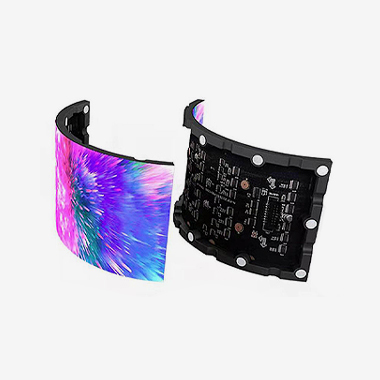
The development of flexible and transparent waterproof LED displays is also on the horizon. Flexible displays would allow for more creative and unique signage designs, conforming to curved or irregular surfaces. Transparent waterproof displays could be used for window displays or architectural applications, providing a new level of visual integration with the surrounding environment while still maintaining the necessary water protection.
Conclusion
Waterproof exterior LED display signage has become an indispensable solution for outdoor visual communication in environments where exposure to water and moisture is a concern. Its ability to provide reliable performance, long - term durability, and versatile visual display capabilities has made it a valuable asset across various industries and applications. Despite the challenges of higher cost, complex maintenance, and size/weight limitations, the continuous advancements in technology and the growing demand for outdoor digital signage are driving the evolution of this field.
As we move forward, the future of waterproof exterior LED display signage is promising. The integration of new and improved waterproof technologies, smart systems, and innovative display designs will further enhance its functionality, efficiency, and aesthetic appeal. It will continue to play a crucial role in shaping the outdoor visual landscape, enabling effective communication, advertising, and information dissemination in all weather conditions.


Copyright © 2026 Shenzhen Cogo Technology Co.,Ltd.
All Rights Reserved

 Previous article