




 Chat Now
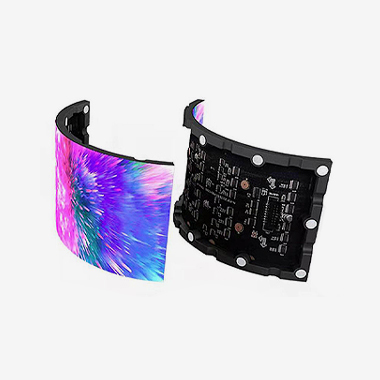
Flexible LED stage lighting signage has emerged as a transformative element in modern event production, redefining how backgrounds interact with performances, audiences, and overall visual storytelling. Unlike traditional rigid LED displays or static backdrops, this technology combines the vividness of LED lighting with exceptional flexibility, allowing it to adapt to diverse stage architectures—from curved arches and suspended drapes to irregularly shaped set pieces. At its core, it consists of ultra-thin, bendable LED modules integrated into lightweight, durable substrates (such as polyester or silicone), enabling seamless installation in spaces where rigid displays would be impractical or visually disjointed.
The primary purpose of these signages is to enhance immersive experiences: they can display dynamic graphics, live video feeds, color gradients, or custom animations that sync with music, dialogue, or choreography, turning static backgrounds into active, narrative-driven components. Whether used in concerts, theater productions, corporate events, or fashion shows, they bridge the gap between lighting design and digital media, offering versatility that aligns with the evolving demands of creative directors and event planners. Key characteristics include low power consumption, high brightness (adjustable to suit venue lighting conditions), and compatibility with standard control systems (such as DMX or ArtNet), making them accessible to both small-scale productions and large arena events. As the entertainment industry increasingly prioritizes personalization and interactivity, flexible LED stage lighting signage has become a staple, merging technical innovation with artistic expression to elevate audience engagement.
The design and construction of flexible LED stage lighting signage are engineered to balance durability, flexibility, and performance, ensuring it meets the rigorous demands of stage environments—including frequent setup/teardown, movement, and exposure to varying temperatures. The process begins with selecting core materials that define the signage’s flexibility and longevity. The base layer, or substrate, is typically a high-tensile, heat-resistant polymer (e.g., thermoplastic polyurethane or fiberglass-reinforced silicone) that can bend up to 180 degrees without damaging internal components. This substrate is also treated for flame resistance and moisture protection, critical for venues with strict safety codes.
Embedded within the substrate are surface-mount device (SMD) LED chips—usually in RGB (red-green-blue) configurations to enable full-color spectrum control. These LEDs are arranged in dense matrices (ranging from 30 to 120 pixels per inch, depending on viewing distance) to ensure uniform brightness and image clarity. Between the LEDs, conductive traces made of flexible copper or silver ink transmit power and data, designed to withstand repeated bending without cracking. A protective overlay—often a clear, scratch-resistant polycarbonate film—covers the LED layer to shield it from physical impact, dust, and stage debris.
Construction also involves integrating control modules and power connectors that are compact and flexible, avoiding bulk that could limit the signage’s bendability. Many designs use modular panels (e.g., 50x50cm or 100x100cm) that can be daisy-chained together, allowing for custom sizing to fit any stage backdrop—from small podiums to full-stage curtains. Rigorous testing during manufacturing ensures the signage can endure thousands of bending cycles, operate within a wide temperature range (-20°C to 60°C), and maintain consistent performance under varying voltage loads, making it reliable for long-running events or tours.
The functionality of flexible LED stage lighting signage relies on three interconnected systems: power delivery, data processing, and LED illumination—all optimized to deliver dynamic, real-time visuals while maintaining flexibility. At the most basic level, the signage operates by converting electrical energy into light through RGB LED chips, with precision control over color, brightness, and animation.
Power delivery starts with a low-voltage DC power supply (typically 5V or 12V), chosen for safety and efficiency—critical in crowded stage environments where high-voltage systems pose risks. Power is distributed evenly across the flexible substrate via the conductive traces, ensuring each LED receives consistent voltage to avoid brightness inconsistencies. Many designs include voltage regulators within each modular panel to compensate for power drop-offs in large installations, preventing dimming at the edges of the signage.
Data processing is managed by a central controller (compatible with industry-standard protocols like DMX512, ArtNet, or sACN) that translates user inputs—such as pre-programmed animations, live video feeds, or manual color adjustments—into digital signals. These signals are sent to each LED module via data cables (often Ethernet or specialized LED data wires), which run alongside the power traces in the substrate. Each LED chip is addressed individually or in groups, allowing the controller to dictate the exact color (by adjusting the intensity of red, green, and blue diodes) and brightness of every pixel. For example, to create a gradient effect, the controller increments the blue intensity while decrementing red across a series of pixels, resulting in a smooth color transition.
The illumination principle itself leverages the properties of RGB LEDs: each diode emits a specific wavelength of light, and combining these wavelengths at varying intensities produces millions of color combinations. Dimming is achieved through pulse-width modulation (PWM), where the LEDs are rapidly turned on and off at frequencies imperceptible to the human eye—shorter “on” pulses reduce brightness, while longer pulses increase it. This method ensures flicker-free visuals, even at low brightness levels, which is essential for video recording and audience comfort. Together, these systems enable the signage to respond in real time to external triggers (e.g., sound sensors, live camera feeds, or stage manager cues), making it a dynamic tool for interactive performances.
Flexible LED stage lighting signage offers a host of advantages that have made it a preferred choice for event professionals, but it also faces unique challenges that must be addressed to maximize its effectiveness.
Advantages:
Unmatched Versatility: Its flexibility allows it to conform to any stage shape—curved backdrops, hanging loops, or even wearable props—enabling creative designs that rigid displays cannot achieve. This versatility reduces the need for custom-built static sets, saving time and production costs.
Lightweight and Portable: Compared to rigid LED walls (which require heavy frames and lifting equipment), flexible signage is lightweight (often 0.5–1 kg per square meter) and easy to roll or fold, simplifying transportation and setup. This is particularly valuable for touring shows or events in venues with limited loading space.
Dynamic Visuals: RGB LED technology and real-time control enable high-definition animations, video playback, and color synchronization with performances, enhancing audience immersion. Many models also support high refresh rates (600Hz or higher), ensuring smooth visuals for fast-moving scenes or camera recordings.
Energy Efficiency: SMD LEDs consume significantly less power than traditional stage lighting (e.g., incandescent or fluorescent bulbs), reducing energy costs and carbon footprints. Their low heat emission also lowers the risk of overheating, improving safety for performers and crew.
Challenges:
Cost Barrier: Initial investment in flexible LED signage is higher than static backdrops or basic lighting, making it less accessible for small-scale events or budget-conscious productions. Repairing damaged modules (e.g., from accidental tears or LED burnout) can also be costly, as replacement parts may require specialized manufacturing.
Durability Limitations: While designed for flexibility, the substrate and conductive traces can degrade over time with excessive bending or exposure to harsh conditions (e.g., high humidity, extreme temperatures). This limits the signage’s lifespan compared to rigid displays, which are more resistant to physical wear.
Installation Complexity: Achieving seamless visuals across modular panels requires precise alignment and calibration, as even small gaps or misalignments can disrupt images. Additionally, integrating the signage with existing stage control systems may require technical expertise, increasing setup time for teams unfamiliar with LED technology.
Viewing Angle Constraints: Some low-cost flexible LED models have narrow viewing angles (less than 120 degrees), meaning visuals may appear dim or distorted to audience members seated at the sides of the venue. High-quality models mitigate this with wide-angle LEDs, but they come at a higher price point.
Flexible LED stage lighting signage has expanded beyond traditional entertainment venues, finding applications in diverse industries, while future trends promise to further enhance its capabilities and accessibility.
Applications:
Live Entertainment: Concerts and music festivals use large flexible LED curtains to display artist visuals, lyrics, or audience-captured content, creating immersive environments. Theaters integrate smaller panels into set pieces—e.g., flexible LED “paintings” that change scenes or LED-lined props that glow in sync with dialogue—to enhance storytelling.
Corporate Events: Conferences and product launches use flexible signage as dynamic backdrops for keynote speakers, displaying brand logos, data visualizations, or live social media feeds to engage attendees. Its portability makes it ideal for pop-up events or temporary installations in convention centers.
Fashion and Retail: Fashion shows use transparent or semi-transparent flexible LED panels as runways or backdrops, projecting patterns or videos that complement clothing designs. Retail stores employ smaller signage in window displays or in-store installations to showcase products and attract customers.
Architectural and Event Branding: For large-scale events like weddings or cultural festivals, flexible LED signage is wrapped around columns, ceilings, or outdoor structures to transform spaces into branded or themed environments—e.g., a “starry sky” backdrop created by dimmed blue LEDs.
Future Trends:
Increased Interactivity: Advancements in sensor technology will enable signage to respond to audience movements (via cameras or motion sensors) or sound (via microphones), creating interactive experiences—e.g., a backdrop that changes color when the audience cheers.
Improved Durability and Affordability: Ongoing research into materials (e.g., self-healing polymers for substrates) will extend lifespan, while mass production of LED chips will lower costs, making flexible signage accessible to smaller events.
Transparency and Thinness: Development of transparent flexible LEDs (using organic LED, or OLED, technology) will allow signage to be integrated into windows, glass walls, or transparent stage props, opening new creative possibilities for “invisible” displays that only activate when needed.
Sustainability: Manufacturers will prioritize eco-friendly materials (e.g., recyclable substrates) and energy-efficient LEDs, aligning with the event industry’s shift toward sustainability. Solar-powered flexible signage may also emerge for outdoor events, reducing reliance on grid power.
AI Integration: Artificial intelligence will enable automated content creation—e.g., AI algorithms that generate animations based on music tempo or speaker content—simplifying setup for teams without specialized design skills.
Conclusion
Flexible LED stage lighting signage has revolutionized the way backgrounds contribute to live events, blending technical innovation with artistic flexibility to create immersive, dynamic experiences that static backdrops or rigid displays cannot match. From its core design—lightweight, bendable substrates embedded with RGB LEDs—to its real-time control capabilities, this technology addresses the evolving needs of creative professionals, enabling custom designs that adapt to any stage, venue, or narrative. Its advantages—versatility, portability, energy efficiency, and dynamic visuals—have made it a staple in concerts, theater, corporate events, and retail, while ongoing advancements in materials and connectivity promise to expand its applications further.
While challenges like cost, durability, and installation complexity remain, they are being mitigated by technological progress: cheaper, more durable materials, simplified control systems, and wider accessibility will likely make flexible LED signage a standard tool for events of all sizes in the coming years. Moreover, trends like interactivity, transparency, and sustainability align with the industry’s goals of creating engaging, eco-friendly experiences, ensuring that flexible LED stage lighting signage will not only persist but evolve into an even more integral part of visual storytelling.
In essence, flexible LED stage lighting signage is more than a display—it is a bridge between technology and art, empowering creators to transform spaces, engage audiences, and bring stories to life in ways that were once impossible. As it continues to advance, it will redefine the boundaries of stage design, making immersive, personalized experiences the norm rather than the exception.


Copyright © 2026 Shenzhen Cogo Technology Co.,Ltd.
All Rights Reserved

 Previous article