




 Chat Now
The urban landscape of the 21st century is fundamentally shaped by light and information. Towering over highways, adorning skyscrapers, and animating public squares, Outdoor Media LED Display Screens have become the dominant medium for out-of-home (OOH) advertising and public communication. These are not mere digital billboards; they are sophisticated, high-impact, networked communication systems designed to operate 24/7 in the most demanding environmental conditions. An outdoor LED display is a modular assembly of light-emitting diode (LED) panels that form a single, seamless video wall of immense scale and brightness, engineered to broadcast dynamic content to a captive audience of pedestrians and vehicular traffic.
The evolution from static printed billboards to dynamic digital displays represents the most significant shift in the OOH industry since its inception. This transition was driven by a confluence of technological advancements in LED efficiency, data processing, and ruggedized electronics, coupled with a growing advertiser demand for more flexible, impactful, and measurable media. The core value proposition is undeniable: motion and light are inherently more attention-grabbing than static imagery. In the relentless competition for consumer eyeballs, a dynamic, brightly lit, full-color video display possesses a profound advantage, capable of cutting through the visual clutter of the urban environment to deliver a memorable message.
The scope of outdoor media LED screens is vast and varied, encompassing several key formats:
Large-Format Digital Billboards: The most recognizable form, these giant screens are strategically located along highways, major arteries, and in high-traffic urban centers. They are designed for long-range viewing, often utilizing a wider pixel pitch, and are the workhorses of digital OOH revenue.
Urban Spectaculars and Supersigns: These are monumental displays integrated into the architecture of buildings in iconic locations like Times Square or Piccadilly Circus. They are often characterized by unique shapes, extremely high brightness, and immersive, wrap-around designs that become tourist attractions in their own right.
Transportation Hub Media: Screens installed in airports, train stations, and bus terminals. They target a captive, often affluent audience with extended dwell times, allowing for longer, more detailed content.
Retail and Point-of-Sale Media: Located on the exteriors of shopping malls, auto dealerships, and big-box retailers, these screens serve as hyper-local amplifiers for brand messages and promotions, often driving immediate foot traffic.
Digital Street Furniture: Increasingly, bus shelters, kiosks, and public information pylons are incorporating smaller-format, fine-pitch LED screens, offering hyper-local advertising opportunities and community messaging.
The impact of this medium extends beyond advertising. These screens serve as platforms for public service announcements, emergency alerts, community event promotions, and real-time information dissemination (e.g., news, weather, traffic). Their ability to be updated instantly from a remote location makes them an invaluable tool for civic communication, especially during crises.
Furthermore, the business model revolutionized the OOH industry. A single digital structure can host multiple advertisers, with content rotating every 8 to 12 seconds. This multiplexing capability dramatically increases the revenue potential for media owners compared to a static billboard. For advertisers, it offers unprecedented flexibility: campaigns can be launched, updated, or halted in real-time, allowing for messaging that is responsive to current events, weather, time of day, or even live sports scores.
In essence, the outdoor media LED screen is a powerful convergence of technology, commerce, and urban culture. It is a networked, data-aware, and dynamic canvas that has redefined the aesthetics of our cities and the strategies of brand communication. As we delve into its construction, workings, and applications, it becomes clear that these displays are not just signs but a critical and enduring component of the modern media ecosystem.
The design and construction of an outdoor media LED display is a feat of engineering that prioritizes one thing above all else: relentless reliability. Unlike indoor screens, these systems are built to survive a perpetual assault from the elements—blazing sun, torrential rain, sub-zero temperatures, high winds, dust, and pollution—while maintaining flawless performance 24 hours a day, 7 days a week, for years on end. Every component, from the smallest diode to the largest structural beam, is selected and designed for this singular purpose.
The Core Building Block: The Ruggedized LED Cabinet
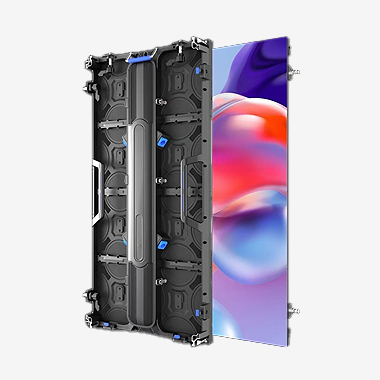
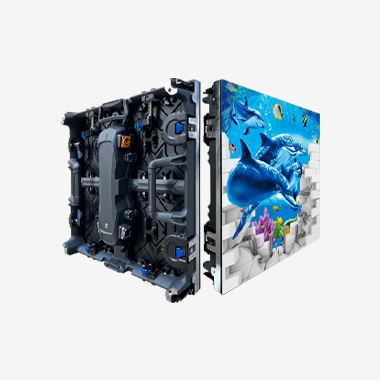
The fundamental unit is the outdoor-rated LED cabinet. This is not a simple metal box; it is a sealed, protective environment engineered for harsh conditions.
Structural Frame: Typically constructed from die-cast aluminum or heavy-gauge steel, the frame provides immense structural integrity. It must resist warping, corrosion, and physical shock. Precision-machined locking mechanisms allow cabinets to be joined together into a perfectly aligned, rigid wall that can withstand significant wind loading.
LED Modules and Pixel Technology: The face of the cabinet is populated with LED modules. For outdoor use, the LEDs are packaged to maximize protection:
SMD (Surface-Mount Device): The industry standard. RGB LED chips are bundled together as a single unit and soldered directly onto the module's printed circuit board (PCB). This allows for higher resolution and better color mixing.
GOB (Glue on Board): A critical advancement for outdoor durability. A transparent, protective epoxy resin is poured over the SMD module, encapsulating the LEDs and solder joints. This makes the module highly resistant to moisture, condensation, dust, and physical impact from hail or debris.
COB (Chip on Board): An even more advanced technology where the individual LED chips are mounted directly onto the PCB and then encapsulated. COB offers superior protection, better heat dissipation, and a smoother, more robust surface.
Pixel Pitch (P): This is the center-to-center distance between two pixels, measured in millimeters (e.g., P10, P16, P20). The choice of pitch is a direct function of the intended viewing distance. A highway billboard viewed from 100+ meters away may use a P20 or P25 pitch, while a screen in a dense urban setting for closer viewing may require a P6 or P8. A finer pitch means higher resolution but also significantly higher cost and power consumption.
Environmental Hardening and Protection:
IP Rating: Outdoor displays must have a high Ingress Protection rating, typically IP65 or IP66. This means they are completely dust-tight (6) and protected against powerful water jets (5) or heavy seas (6). This is achieved through silicone gaskets, sealed cable connectors, and laminated glass or protective resin on the front surface.
Thermal Management: This is perhaps the most critical system. LEDs generate heat, and sun exposure adds tremendous thermal load. Ineffective heat dissipation leads to accelerated LED degradation and color shift. Outdoor cabinets use robust active cooling systems, including:
Air Conditioning: Sealed, integrated HVAC units that cool the interior of the cabinet to a stable temperature.
Forced Air Ventilation: Systems with IP-rated fans and air filters that circulate external air while keeping out moisture and dust.
Heat Sinks: Large, external aluminum fins on the rear of the cabinet to dissipate heat through convection.
Heating Systems: Thermostatically controlled heaters are also included to prevent condensation in cold, humid environments and to ensure startup in sub-zero conditions.
Brightness, Calibration, and Power:
High-Brightness LEDs: Outdoor screens must be incredibly bright to overcome direct sunlight. Standard brightness ranges from 5,000 to 8,000 nits (candelas per square meter), with some spectaculars exceeding 10,000 nits. However, operating at full brightness at night is wasteful and creates light pollution.
Auto-Dimming Sensors: All modern displays are equipped with ambient light sensors that automatically adjust the screen's brightness based on the time of day and prevailing conditions. This saves energy, reduces light pollution, and extends the lifespan of the LEDs.
Color Calibration: To ensure a uniform image, each module is factory-calibrated. Sophisticated software measures the color output of every single LED and applies corrective coefficients to guarantee that a command for "red" produces the exact same shade of red across the entire display.
Structural and Electrical Systems:
The cabinets are mounted onto a heavy-duty steel support structure, which is itself anchored to a foundation or building framework. This structure is engineered by certified civil engineers to withstand maximum wind loads, seismic activity, and ice accumulation for the specific location. Electrically, the system requires robust, redundant, and hot-swappable power supplies and network distribution units to ensure maximum uptime.
In summary, the construction of an outdoor LED screen is a masterclass in balancing optical performance with extreme environmental durability. It is a complex electromechanical system designed to be a reliable, low-maintenance asset for many years, performing flawlessly in the face of whatever nature can throw at it.
The captivating visuals on a giant outdoor LED screen are the end product of a robust, automated, and precise data processing chain. The working principle is a seamless orchestration of content management, signal transmission, and electronic control, all designed for reliable, unattended operation in remote locations.
1. Content Management and Scheduling (The Command Center):
The process begins not at the screen, but in a cloud-based Content Management System (CMS). This software platform is the brain of the entire operation. Operators use the CMS to:
Upload and Store Content: Video files, images, animations, and HTML5 content are stored in a central library.
Create Playlists and Schedules: Content is arranged into playlists with specific run times. Crucially, operators can implement dayparting—scheduling different ads to play at different times of the day (e.g., coffee in the morning, fast food at lunch, movies in the evening).
Remote Deployment and Monitoring: New content and schedules are pushed via the internet to one or thousands of displays across a network. The CMS also provides real-time health monitoring, sending alerts for issues like a failed module, power supply fault, or temperature excursion.
2. On-Site Hardware: The Media Player and Processor:
At the physical site of the display, a ruggedized media player is installed, often in an equipment cabinet. This device connects to the internet, receives the content and schedule from the CMS, and decodes and plays the video files. The output from the media player is a standard video signal (e.g., HDMI, SDI).
This signal is then fed into the heart of the on-site system: the LED video processor. This dedicated hardware is critical and performs several key functions:
Input Accepting and Switching: It accepts the input from the media player and can often handle multiple backup sources.
Scaling and Resolution Matching: This is its most important task. Unlike a consumer TV with a fixed resolution (e.g., 1920x1080), an LED wall has a "native resolution" defined by its physical pixel grid (e.g., 1280x720 pixels). The processor must intelligently scale the incoming video signal to fit this custom resolution perfectly, avoiding distortion or blurriness.
Color and Image Enhancement: It processes the video signal to optimize it for the LED display's specific color gamut and performance characteristics, ensuring vibrant and accurate colors.
Multiple Zone Management: For complex displays that show a mix of content (e.g., a main video feed and a separate ticker tape of text or data), the processor can manage these independent zones.
3. Data Distribution:
The processed video signal from the processor is a complete digital image. This data must be divided and sent to the individual cabinets that make up the wall. The processor has multiple output ports, each carrying data for a specific section of the display.
HDBaseT: This is the prevalent standard for this data transmission. It sends uncompressed high-definition video, audio, control signals, and even power over long distances (up to 100m) using a single CAT5e/6 cable. Its reliability and simplicity make it ideal for outdoor installations.
Fiber Optic: For very large displays or runs longer than 100 meters, fiber optic cables are used for their complete immunity to electromagnetic interference and lightning strikes.
4. Cabinet-Level Control and Pixel Illumination:
Each LED cabinet contains one or more receiving cards. These cards accept the data stream dedicated to their section of the wall. They are responsible for distributing the commands to the network of driver ICs (Integrated Circuits) on the individual LED modules.
At the most fundamental level, the driver ICs control each individual LED using a technique called Pulse-Width Modulation (PWM).
An LED is a digital device; it's either on or off.
To create the illusion of brightness, the driver IC switches the LED on and off at an extremely high speed—thousands of times per second.
The duty cycle (the ratio of "on" time to "off" time within each cycle) determines the perceived brightness. A long "on" pulse equals high brightness; a short "on" pulse equals low brightness.
By independently and precisely controlling the PWM for the red, green, and blue LEDs in a pixel, the system can mix any color at any desired intensity.
The refresh rate (how many times per second the entire image is redrawn) is tied to this PWM process. A very high refresh rate (3840Hz or higher) is essential to eliminate perceptible flicker, which is crucial for preventing driver distraction and ensuring the screen looks good when captured on camera.
This entire pipeline—from the cloud CMS to the nanosecond switching of LEDs—operates automatically. It is a robust, engineered system designed for maximum uptime, ensuring the advertising message is always on, always bright, and always captivating, with minimal need for physical intervention.
The adoption of LED technology for outdoor media offers a transformative set of advantages that have driven its explosive growth. However, these benefits are counterbalanced by significant technical, financial, and societal challenges that media owners, advertisers, and communities must carefully navigate.
Advantages:
Unmatched Attention and Impact: Dynamic motion, vibrant color, and high brightness create a visual magnet that static media cannot compete with. The ability to broadcast short-form video content allows for storytelling and emotional engagement, leading to significantly higher brand recall and message retention rates compared to static billboards.
Unprecedented Flexibility and Timeliness: This is the most powerful advantage. Content can be changed instantly across an entire network from a central location. This enables:
Real-Time Marketing: Ads can respond to live events, weather conditions (e.g., promoting sunscreen on a hot day), traffic patterns, or stock levels. A fast-food chain can promote breakfast in the morning and switch to dinner menus in the evening.
Dayparting: Maximizing revenue by selling the same physical space to multiple advertisers throughout the day.
A/B Testing: Different creative versions can be tested and optimized in real-time based on performance.
Enhanced Revenue Potential for Media Owners: A single digital structure can generate 8-10 times the revenue of a static billboard by hosting multiple advertisers. This creates a powerful economic incentive for the industry's digital transformation.
Operational Efficiency and Sustainability: It eliminates the recurring costs and environmental waste associated with printing, shipping, and installing physical vinyl posters. There are no labor costs for crew deployments to change ads, and the risk of workplace accidents related to poster installation is removed.
Measurability and Integration with Digital Campaigns: While not as precise as online metrics, digital OOH (DOOH) is becoming more measurable. Data from mobile devices, traffic counts, and anonymous camera analytics can provide insights into audience reach, demographics, and dwell time. Furthermore, DOOH can be integrated into programmatic advertising platforms, allowing it to be bought and targeted like online media.
Challenges and Considerations:
Prohibitive Capital and Operational Costs: The initial investment for a high-quality large-format outdoor LED display is immense, often running into hundreds of thousands of dollars. Operational costs, primarily electricity consumption, are also substantial. The high financial barrier to entry limits the market to large media companies.
Technical Complexity and Maintenance: These are complex electronic systems exposed to extreme conditions. While designed for reliability, components can and do fail. Maintaining them requires highly specialized technicians. A single failed module or power supply can create a visible dark spot on the display, requiring a costly service call. Proactive maintenance is essential to prevent major failures.
Regulatory and Permitting Hurdles: Municipalities have strict sign codes that govern the size, height, brightness, and location of digital signs. The permitting process can be lengthy, expensive, and politically charged. Community opposition often arises due to concerns about visual blight and driver distraction.
Public Perception and Light Pollution: This is a critical challenge. The intense brightness of these displays, if not properly managed, can contribute to light pollution, affecting nearby residents, astronomers, and wildlife. Concerns about driver distraction are also valid and must be addressed through industry best practices, such as limiting certain types of animation and ensuring content is not overly flashy.
Content Management and Security Risks: The networked nature of displays makes them potential targets for cyberattacks. A robust cybersecurity protocol is essential to prevent hackers from hijacking a display to broadcast inappropriate content ("digital graffiti"). This requires secure networks, encrypted data transmission, and physical security for on-site equipment.
Dependence on Connectivity: The core advantage of remote management is entirely dependent on a stable and secure internet connection. Any network outage can disrupt content scheduling and updates, though most systems have fallback mechanisms to continue playing cached content.
In conclusion, the advantages of outdoor LED media are profound, offering dynamic engagement and operational flexibility that static media cannot match. However, reaping these rewards requires navigating a landscape of high costs, technical challenges, regulatory scrutiny, and valid public relations considerations. The industry's long-term success depends on its ability to address these challenges responsibly through technological innovation, self-regulation, and proactive community engagement.
Outdoor Media LED Display Screens have evolved far beyond their initial purpose as simple digital billboards. Their applications now permeate various facets of modern society, serving functions that range from commercial advertising to critical public infrastructure. This versatility is a testament to the technology's adaptability, durability, and powerful impact. The applications can be broadly categorized into commercial, public/informational, and architectural/entertainment domains.
1. Commercial Advertising and Branding: The Digital Billboard Revolution
The most prominent application remains in the realm of advertising. LED screens have fundamentally transformed Out-of-Home (OOH) advertising by introducing dynamism, flexibility, and targeting capabilities.
High-Impact Branding: Iconic locations like Times Square in New York, Piccadilly Circus in London, and Shibuya Crossing in Tokyo are defined by their massive LED displays. For brands, securing space here is not just about visibility; it's a statement of prestige and global reach. The ability to display high-resolution video content creates an immersive and unforgettable brand experience that static billboards could never achieve.
Dynamic Content and Dayparting: A single digital screen can host multiple advertisers, cycling through campaigns throughout the day. This maximizes revenue for media owners and allows for "dayparting"—showing coffee ads in the morning, lunch specials at noon, and entertainment options in the evening. Content can be updated instantly and remotely from anywhere in the world, allowing for promotions for flash sales or to capitalize on real-time events.
Programmatic DOOH (pDOOH): This is the digitization of the ad-buying process. Ad inventory on LED screens can be purchased automatically through digital platforms, often in real-time. This allows for data-driven targeting. For instance, an ad could be triggered by specific data inputs like weather conditions (umbrellas on a rainy day), traffic flow, or even sports scores.
Retail and Point-of-Sale (POS) Advertising: Shopping malls, auto dealerships, and large retail stores use outdoor and semi-outdoor LED screens to attract footfall, promote daily deals, and enhance brand image at the point of purchase.
2. Public Information and Civic Infrastructure: Serving the Community
Beyond commerce, LED screens play a vital role in disseminating information and ensuring public safety, making them an integral part of smart city ecosystems.
Intelligent Transportation Systems (ITS): Variable Message Signs (VMS) are critical on highways and urban roads. These LED signs provide real-time traffic updates, warn of accidents or congestion, suggest alternative routes, display travel times, and issue safety warnings (e.g., "Fog Ahead," "Ice on Bridge"). This real-time guidance is indispensable for managing traffic flow and enhancing road safety.
Emergency and Mass Notification Systems: In times of crisis, LED displays become lifelines. They can instantly broadcast Amber Alerts, weather emergencies (tornado, tsunami warnings), evacuation routes, and critical public safety announcements. Their ability to be seen by large crowds makes them more reliable than mobile networks, which can become congested during disasters.
Public Service Announcements and Community Building: Screens in town squares, parks, and outside public buildings can display news headlines, community event calendars, cultural information, and citizen recognition messages, fostering a sense of community and keeping the public informed.
3. Architectural Enhancement and Urban Placemaking: The Aesthetic Canvas
LED technology is increasingly used to blend with or become architecture itself, transforming buildings and public spaces into dynamic works of art.
Media Facades: Entire building exteriors can be clad with fine-pitch LED panels, turning them into giant, shimmering canvases. These are used for artistic displays, light festivals, and creating landmark identities for cities. They can celebrate national holidays, support social causes, or simply display mesmerizing abstract art, reducing light pollution compared to traditional spotlights by directing light more precisely.
Stadiums and Arenas: The modern live sports or concert experience is synonymous with giant LED video screens. They provide close-up replays, live action, statistics, and interactive content (kiss cams, fan polls) that greatly enhance audience engagement. They also serve as a prime advertising platform for sponsors.
Themed Entertainment and Spectacles: From theme parks like Disney World to major events like the Olympics opening ceremony, LED screens are used to create breathtaking backdrops, immersive environments, and coordinated visual spectacles that are central to the audience's experience.
4. Corporate Communication and Wayfinding
On a smaller scale, outdoor LED signs are vital for corporate campuses, universities, and hospitals.
Corporate Identity: Headquarters use LED signage to display company logos, stock tickers, and welcome messages, projecting a modern and innovative image.
Digital Wayfinding: Interactive or non-interactive LED directories in large complexes help visitors and employees navigate campuses efficiently, displaying maps and directions.
Challenges within Applications:
Despite their utility, challenges persist. Light pollution and driver distraction are serious concerns that require careful regulation, strategic placement, and brightness controls that adapt to ambient light. Content management is also crucial; poorly designed or excessive content can lead to visual clutter and public annoyance, undermining the technology's benefits.
In conclusion, the applications of outdoor LED displays are remarkably diverse. They are no longer just advertising billboards but have become multifunctional tools for commerce, public safety, urban beautification, and community engagement. As technology continues to advance, these applications will only deepen, further integrating these dynamic screens into the fabric of our daily lives and the infrastructure of our cities.
The evolution of Outdoor Media LED Display Screens is far from complete. Driven by technological innovation, changing market demands, and the integration with broader digital ecosystems, the future points towards more interactive, intelligent, and immersive experiences. Several key trends are poised to shape the next generation of this technology.
Future Trends:
Higher Resolution and Transparency:
Micro-LED and Mini-LED: The relentless pursuit of finer pixel pitches will continue. Micro-LED technology, which uses microscopic LEDs as individual pixels, promises unprecedented resolution, brightness, and energy efficiency on massive scales. This will enable seamless video walls at closer viewing distances, further blurring the line between screen and reality.
Transparent LED Screens: This technology allows for displays that are see-through when not active. This has huge implications for retail store windows, where products can be displayed behind a screen that overlays dynamic pricing, information, or promotional videos without completely obscuring the view inside. It also enables futuristic architectural applications like smart glass facades.
Integration with AI and IoT (The Smart Screen): The future LED screen will be a sensor-rich, AI-powered node in the Internet of Things (IoT).
Predictive Analytics and Hyper-Targeting: AI algorithms will analyze data from integrated cameras (using anonymous video analytics) and other sensors to understand audience demographics (age, gender), size, and even engagement levels (dwell time, gaze tracking) in real-time. This data will fuel hyper-targeted advertising; an ad could change based on the demographic majority looking at the screen at any given moment.
Autonomous Content Optimization: AI will manage content not just based on audience data but also on environmental context. It will automatically adjust brightness for optimal visibility and energy savings, trigger pre-set content based on real-time weather or traffic data, and even A/B test different ad creatives to determine which performs best autonomously.
Augmented Reality (AR) Integration and Interactivity: The line between the physical and digital worlds will continue to blur.
AR Overlay Points: Large-scale LED screens will act as anchors or triggers for mobile AR experiences. A person could point their smartphone at a screen displaying a movie poster to see a trailer play in AR on their device or unlock interactive games and filters.
Direct Interaction: Screens will become more responsive to audience movement through embedded sensors. Gesture control could allow the public to play games, navigate menus, or change the content they see on a public display, transforming passive viewing into an active experience.
Sustainability as a Core Focus: The industry will prioritize reducing its environmental footprint.
Energy Efficiency: Continued improvements in LED chip technology, power supplies, and smart cooling systems will drastically reduce power consumption. The adoption of solar panels to power remote billboards will become more common.
Circular Economy: Manufacturers will focus on designing modules for easier repair, refurbishment, and recycling. Using more sustainable materials and extending product lifespans will be key market differentiators in an increasingly eco-conscious world.
3D and Holographic Displays: Without the need for special glasses, naked-eye 3D technology is advancing rapidly. We can expect to see more outdoor displays that project stunning, volumetric holographic-like images, creating unparalleled levels of engagement and spectacle for advertising and public art.
Conclusion: The Enduring Digital Tapestry
Outdoor Media LED Display Screens have woven themselves into the very fabric of our urban environment. They have journeyed from being novel curiosities to indispensable tools for commerce, communication, and creativity. Their value proposition is undeniable: the ability to deliver dynamic, impactful, and instantly updatable content to a mass audience in the physical world.
The conclusion we can draw is that this technology is not a transient trend but a permanent and evolving feature of modern life. Its success lies in its adaptability. It serves the pragmatic need for real-time traffic and emergency information, the commercial drive for innovative advertising, and the human desire for artistic expression and spectacle.
However, this growth must be guided by responsibility. The future of outdoor LED displays must be sustainable, both environmentally and socially. This means embracing energy-efficient technologies, reducing light pollution through smart controls, and ensuring that content enhances rather than clutters the urban landscape. Regulations and ethical guidelines will need to evolve in tandem with the technology's capabilities, particularly concerning data privacy and audience analytics.
Looking ahead, the outdoor LED screen will become less of a standalone billboard and more of an interactive portal—a seamless interface between the physical city and the digital cloud. It will be an intelligent entity that sees, analyzes, and responds to its environment and its audience. It will be a canvas not just for brands, but for artists and communities to co-create shared experiences.
In essence, the outdoor LED display is a powerful testament to human ingenuity. It is a technology that has transformed blank walls and static signs into vibrant, living elements of our cities. As it continues to evolve, it promises to make our public spaces more informed, more engaging, and more beautifully connected than ever before. Its story is still being written, pixel by brilliant pixel.


Copyright © 2026 Shenzhen Cogo Technology Co.,Ltd.
All Rights Reserved

 Previous article