




 Chat Now
In the dynamic landscape of retail, indoor commercial LED display screens have emerged as a transformative force, revolutionizing the way businesses interact with customers, showcase products, and enhance the overall shopping experience. These digital displays have become an essential component for modern retailers, offering a versatile and engaging platform that combines visual appeal with functional flexibility.
The growing popularity of indoor commercial LED display screens in retail can be attributed to several key factors. Firstly, they provide an effective means of capturing customers' attention in a bustling retail environment. With their bright, vivid colors, high - resolution images, and dynamic content capabilities, LED displays stand out amidst the merchandise and other store fixtures. In a large department store or a busy shopping mall, a well - placed LED screen showing captivating product videos or eye - catching promotional graphics can quickly draw the eye of shoppers, enticing them to explore further.
Secondly, these displays offer unparalleled flexibility in content management. Retailers can easily update and customize the displayed content in real - time, allowing them to adapt to changing market trends, seasonal promotions, and customer preferences. For instance, during a holiday sale, a retailer can instantly switch the LED display to feature festive - themed advertisements, special offers, and recommended gift items. This agility in content presentation enables retailers to stay relevant and competitive, maximizing the impact of their marketing efforts.
Moreover, indoor commercial LED display screens play a crucial role in enhancing the in - store shopping experience. They can be used to provide valuable information to customers, such as product details, usage instructions, and customer reviews. In a technology store, for example, an LED display can showcase the features and benefits of the latest smartphones, display hands - on video tutorials, and present ratings and feedback from other users. This not only helps customers make more informed purchasing decisions but also builds trust and confidence in the products and the brand.
Another significant advantage is their ability to create a more immersive and engaging shopping environment. By incorporating interactive elements, such as touch - screen capabilities and augmented reality (AR) features, LED displays can transform the shopping experience from a passive activity to an interactive one. Shoppers can use touch - screen LED displays to browse product catalogs, customize product options, or even virtually try on clothing and accessories using AR technology. This level of interactivity not only increases customer satisfaction but also encourages longer dwell times in the store, potentially leading to higher sales.
However, the implementation of indoor commercial LED display screens in retail also presents certain challenges. These include ensuring seamless integration with the existing store layout and infrastructure, managing the technical aspects of installation and maintenance, and creating high - quality content that effectively engages the target audience. Despite these challenges, the benefits of LED display screens far outweigh the drawbacks, making them an indispensable investment for retailers looking to thrive in the digital age.
The design and construction of indoor commercial LED display screens for retail are intricate processes that require a harmonious blend of aesthetic design, technical functionality, and seamless integration with the store's overall ambiance.
Design Considerations
Store Layout and Brand Identity Alignment: The first step in designing an indoor commercial LED display screen is to thoroughly analyze the store layout and understand the brand identity. The display should be strategically placed to maximize visibility and footfall. For example, in a fashion boutique, an LED display near the entrance can showcase the latest clothing collections, while in a grocery store, a display in the produce section can highlight fresh arrivals and healthy eating tips. The design of the display, including its size, shape, color scheme, and frame style, should align with the store's brand identity. A luxury brand may opt for a sleek, minimalist LED display with a high - end finish, while a family - friendly store might choose a more colorful and playful design to appeal to a wider audience.
Size and Resolution Optimization: Selecting the appropriate size and resolution of the LED display is crucial for achieving the desired visual impact. The size of the display should be determined based on the available space, viewing distance, and the amount of content to be displayed. In a small - scale retail store, a smaller display may be sufficient to convey the message without overwhelming the space, while a large shopping mall may require multiple large - format displays to attract attention from different areas. Resolution is equally important, as higher resolutions offer sharper and more detailed images, which are essential for showcasing products with precision. For displaying fine - detailed products like jewelry or high - end electronics, a high - resolution LED display can highlight every intricate feature, enhancing the product's appeal.
Content - Driven Design: The design of the LED display should be tailored to the type of content that will be showcased. Retailers need to consider whether the display will primarily feature product images, videos, text - based promotions, or a combination of these. For video - heavy content, a display with a high refresh rate and excellent color accuracy is necessary to ensure smooth playback and vibrant visuals. If the focus is on text - based promotions, clear and legible fonts should be used, and the layout should be designed to be easily readable at a glance. Additionally, the display should support various content formats and aspect ratios to accommodate different types of media, such as square - formatted social media videos or widescreen product commercials.
Interactive and Immersive Design Elements: To enhance the customer experience, modern indoor commercial LED display screens often incorporate interactive and immersive design elements. Touch - screen technology allows customers to directly interact with the display, exploring product details, comparing options, and even making purchases. Augmented reality (AR) features can be integrated to enable virtual try - ons, where customers can see how clothing, makeup, or accessories would look on them without physically trying them on. These interactive and immersive elements not only engage customers but also provide valuable data on customer preferences and behavior, which retailers can use to optimize their product offerings and marketing strategies.
Construction Process
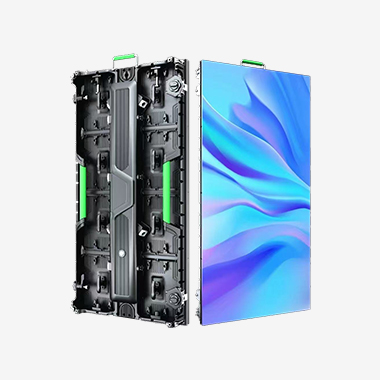
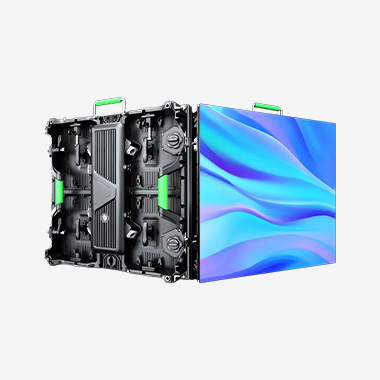
LED Panel Selection and Assembly: The construction of an indoor commercial LED display screen begins with the selection of high - quality LED panels. These panels are the building blocks of the display and are available in various sizes, pixel pitches, and brightness levels. Retailers should choose panels that are suitable for their specific requirements, considering factors such as the display's intended location within the store, the ambient lighting conditions, and the viewing distance. Once the panels are selected, they are carefully assembled into modules, which are then connected to form the display screen. The assembly process requires precision to ensure a seamless and uniform display, with proper alignment of the panels to avoid any gaps or misalignments that could affect the visual quality.
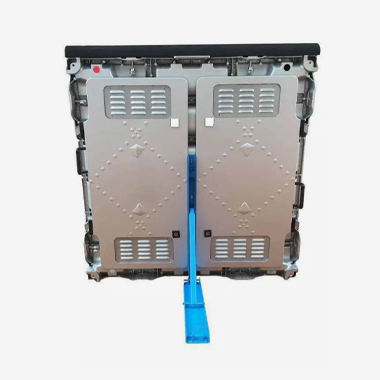
Structural Framework Fabrication: A sturdy structural framework is essential to support the LED panels and ensure the stability of the display. The framework is typically made of materials such as aluminum or steel, which offer a balance of strength, durability, and lightweight properties. It is designed based on the size and shape of the display screen, taking into account factors such as the weight of the panels, the installation method (wall - mounted, ceiling - suspended, or freestanding), and the need for easy access for maintenance. The framework is fabricated with precision, and all components are carefully assembled and secured to provide a rigid structure that can support the display's weight and withstand normal handling and movement within the store environment.
Electrical and Control System Integration: After the structural framework is in place, the electrical and control systems are integrated into the display screen. The electrical system includes power supply units, wiring, and circuit breakers, which are responsible for providing the necessary electrical current to the LED panels. A reliable power distribution system is crucial to ensure that all panels receive a consistent and stable power supply, preventing any flickering or brightness variations. The control system, consisting of a media player, control cards, and software, is used to manage the display of content on the screen. The media player can play various content formats, while the control cards and software enable the operator to adjust settings such as brightness, color, and image layout, and to schedule and control the playback of content. All electrical components are carefully installed and wired, with proper insulation and protection to prevent electrical hazards.
Testing and Quality Assurance: Before the indoor commercial LED display screen is installed in the retail store, it undergoes comprehensive testing and quality assurance procedures. This includes testing the functionality of each LED panel, checking the electrical connections for any faults, and calibrating the color and brightness of the entire display. The screen is also tested with different types of content, such as high - definition videos, images, and text, to ensure that it can handle various scenarios without any issues. Additionally, the display is tested for its compatibility with the store's existing infrastructure, such as the electrical system and any content management software. Any defects or malfunctions identified during the testing process are promptly addressed to ensure that the final product meets the highest quality standards and provides a seamless visual experience for customers.
The operation of indoor commercial LED display screens for retail is based on the principles of LED technology, digital signal processing, and display control systems, which work in unison to create captivating visual displays that effectively engage customers and promote products.
LED Technology
At the core of an indoor commercial LED display screen are the light - emitting diodes (LEDs). LEDs are semiconductor devices that emit light when an electric current passes through them. In a color LED display, a combination of red, green, and blue (RGB) LEDs is used to generate a wide spectrum of colors. Each pixel on the display screen is typically composed of multiple RGB LED chips, which work together to produce different hues and shades.
When an electric current is applied to an LED, electrons in the semiconductor material are excited from the valence band to the conduction band. As these excited electrons return to their original energy levels, they release energy in the form of photons, resulting in the emission of light. The color of the light emitted by an LED depends on the energy bandgap of the semiconductor material. By precisely controlling the intensity of the current flowing through each RGB LED chip within a pixel, the display screen can achieve accurate color reproduction. For example, to display a deep purple color, the red and blue LEDs within the pixel are illuminated with specific intensities, while the green LED remains at a low intensity or is turned off. Through this precise control of the RGB LEDs, the display can create a vast array of colors, enabling the vivid and realistic display of product images, brand logos, and promotional graphics.
Digital Signal Processing
To display the desired content on the indoor commercial LED display screen, digital signal processing techniques are employed. The content, such as product images, promotional videos, and text - based advertisements, is first created and processed using specialized software on a computer or a media server. This initial processing involves tasks such as encoding the content into a suitable format, adjusting the resolution and frame rate to match the capabilities of the display screen, and adding any necessary effects or transitions.
The processed digital signal is then transmitted to the control system of the display screen. The control system divides the image or video into individual pixels and sends specific signals to each LED panel, specifying the intensity of the red, green, and blue LEDs for each pixel. These signals are transmitted through a network of cables or wireless communication protocols, depending on the design of the display system. The LED panels receive the signals and adjust the brightness of their respective RGB LEDs accordingly, creating the desired image or video on the display screen. For example, when displaying a product video, the control system continuously receives the video signals, processes them, and sends the appropriate control signals to the LED panels to display each frame of the video in sequence, resulting in smooth and seamless playback.
Display Control Systems
Display control systems play a crucial role in the operation of indoor commercial LED display screens. The control system typically consists of a control console, software, and control cards. The control console is the interface used by the retailer or the display operator to manage and control the display screen. Operators can use the console to upload new content, schedule the playback of different advertisements, and adjust the settings of the display screen, such as brightness, contrast, and color.
The software provides the functionality for content management, including the ability to create playlists, edit graphics, and add special effects. It allows retailers to organize their advertising content effectively, ensuring that the most relevant and engaging promotions are displayed at the right times. For example, the software can be used to schedule product - specific advertisements during peak shopping hours or to display seasonal promotions in a timely manner. The control cards are responsible for receiving the control signals from the software and converting them into electrical signals that can be used to control the LED panels. They ensure that the LED panels receive the correct signals at the right time, allowing for the seamless display of content on the screen and enabling real - time updates and changes to the advertisements as needed.
Advantages
Enhanced Customer Engagement: Indoor commercial LED display screens significantly enhance customer engagement in retail stores. The bright, vivid, and dynamic visuals capture customers' attention, drawing them towards the display and the products being promoted. Interactive features, such as touch - screens and AR capabilities, allow customers to actively interact with the content, creating a more immersive and memorable shopping experience. This increased engagement can lead to longer dwell times in the store, higher customer satisfaction, and ultimately, increased sales. For example, a beauty store with an AR - enabled LED display that allows customers to virtually try on makeup products may see a boost in product trials and purchases.
Flexible and Dynamic Marketing: These display screens offer unparalleled flexibility in marketing and promotion. Retailers can quickly update the content to reflect the latest products, promotions, and seasonal offerings. This agility allows them to respond promptly to changing market trends, customer demands, and competitive pressures. For instance, if a new product line arrives in the store, the retailer can immediately create and display promotional content on the LED screen to generate interest and drive sales. The ability to display a variety of content formats, from videos to images to text, also provides endless possibilities for creative marketing campaigns.
Improved Product Presentation: LED display screens provide an excellent platform for showcasing products in a more detailed and attractive way. High - resolution images and videos can highlight the features, benefits, and unique selling points of products, helping customers make more informed purchasing decisions. In a furniture store, for example, an LED display can show 360 - degree views of sofas and tables, allowing customers to see the design and craftsmanship from all angles. Additionally, the display can include customer reviews, ratings, and testimonials, building trust and credibility for the products and the brand.
Data - Driven Insights: Many modern indoor commercial LED display screens are equipped with analytics capabilities that can collect data on customer interactions, such as which products are viewed the most, how long customers spend interacting with the display, and which promotions generate the most interest. This data can be analyzed to gain valuable insights into customer preferences, behavior, and shopping patterns. Retailers can use these insights to optimize their product offerings, marketing strategies, and store layout, ultimately improving the overall shopping experience and driving business growth.
Challenges
High Initial Investment: One of the major challenges associated with implementing indoor commercial LED display screens in retail is the high initial investment cost. The cost includes the purchase of the LED display panels, the structural framework, the electrical and control systems, the installation labor, and any additional accessories. For small and medium - sized retailers, this significant upfront expense can be a barrier to entry, making it difficult to afford this advanced marketing technology. Additionally, the cost of content creation and software licenses for managing the display can add to the overall investment, further straining the retailer's budget.
Technical Complexity: Installing and operating indoor commercial LED display screens require a certain level of technical expertise. The setup involves complex electrical wiring, precise panel alignment, and the configuration of the control system. Any technical issues, such as faulty connections, software glitches, or hardware malfunctions, can disrupt the display and require specialized technical support to resolve. Retailers may need to hire or train in - house staff with technical skills or rely on external service providers, which can add to the operational costs and management burden.
Content Creation and Management: Creating high - quality, engaging content for the LED display screen can be a challenging task for retailers. It requires a combination of creative skills, marketing knowledge, and technical proficiency. The content needs to be designed to be visually appealing, relevant to the target audience, and effectively communicate the brand message and product offerings. Additionally, managing the content schedule, ensuring that the right content is displayed at the right times, and keeping the content fresh and updated can be time - consuming and resource - intensive. Without proper content creation and management, the display screen may fail to attract and engage customers, reducing its effectiveness as a marketing tool.
Integration with Existing Infrastructure: Integrating indoor commercial LED display screens with the existing store infrastructure, such as the electrical system, network connectivity, and point - of - sale systems, can be a complex process. Compatibility issues may arise, requiring additional time and resources to resolve. For example, ensuring that the display screen can communicate smoothly with the store's content management software or that it does not interfere with other electrical devices in the store can be a technical challenge. Retailers need to carefully plan and coordinate the integration process to avoid any disruptions to the store's operations.
Applications
Brand Building and Storytelling: Indoor commercial LED display screens offer an ideal platform for brand building and storytelling. Retailers can use these displays to showcase their brand's history, values, and unique selling propositions. Through engaging videos, animations, and image galleries, they can create an emotional connection with customers. For example, a coffee shop chain can display a video on its LED screen that traces the journey of its coffee beans, from the farms where they are grown to the cups of customers. This not only educates customers about the brand but also adds a layer of authenticity and depth, enhancing brand loyalty. Luxury brands can use high - end visuals on LED displays to reinforce their exclusivity, while sustainable brands can highlight their eco - friendly practices, all contributing to a stronger brand identity.
Interactive Customer Experiences: In addition to basic touch - screen interactions, retailers are increasingly using LED displays to create more immersive and interactive customer experiences. Some stores integrate LED displays with virtual reality (VR) or augmented reality (AR) headsets. For instance, a furniture store might allow customers to use VR headsets connected to an LED - controlled system to visualize how a piece of furniture would look in their own homes. AR - enabled LED displays can also be used to provide interactive product demonstrations, where customers can scan a product with their smartphones, and the LED screen will display additional information, 3D models, or even animations related to the product. These interactive experiences not only make shopping more enjoyable but also give customers a better understanding of the products, increasing the likelihood of a purchase.
Queue Management and Entertainment: In stores with long queues, such as supermarkets during peak hours or electronics stores on product launch days, LED display screens can be used for queue management and entertainment. Displays can show estimated wait times, distract customers with engaging content like short comedy skits, product previews, or trivia games. Some stores even use LED screens to run loyalty program promotions specifically targeted at customers in the queue, encouraging them to sign up or use their loyalty points. This helps reduce customer frustration while waiting and can potentially turn a normally negative experience into a positive one.
Future Trends
Ultra - High - Resolution and Micro - LED Technology: The future of indoor commercial LED display screens will be marked by a significant leap towards ultra - high - resolution displays. As technology advances, micro - LED technology is set to become more mainstream. Micro - LEDs offer extremely high pixel densities, enabling displays with unparalleled clarity and detail. Retailers will be able to showcase products with stunning precision, from the intricate stitching on a designer handbag to the minute details of a high - end watch. Ultra - high - resolution displays, such as 8K and beyond, will create a more immersive visual experience, making the products on display almost lifelike. This will be a game - changer for luxury and high - end retailers, as well as those selling products that rely on visual appeal, like art galleries and home decor stores.
Artificial Intelligence - Driven Personalization: Artificial intelligence (AI) will play an increasingly important role in the operation of indoor commercial LED display screens. AI algorithms will be able to analyze real - time customer data, including demographics, shopping history, and in - store behavior. Based on this analysis, the LED displays will be able to automatically customize the content shown to each customer or group of customers. For example, if an AI system detects that a customer frequently purchases sports apparel, the LED display near the sports section will display personalized promotions for new sports shoes or workout gear. AI can also optimize the display schedule, ensuring that the most relevant content is shown at the right time, increasing the effectiveness of marketing campaigns.
Energy - Efficient and Sustainable Designs: With the growing focus on environmental sustainability, future indoor commercial LED display screens will prioritize energy - efficient and eco - friendly designs. Newer LED technologies, such as mini - LED and quantum dot LED, consume less power while still delivering high - quality visuals. Additionally, displays will incorporate smart power - management systems that can adjust the brightness based on ambient light conditions, further reducing energy consumption. Solar - powered or hybrid - powered LED displays may also become more common, especially in stores with large windows or outdoor - facing facades. The use of recyclable materials in the construction of the displays, from the frames to the internal components, will also contribute to a more sustainable retail environment.
Seamless Integration with the Internet of Things (IoT): Indoor commercial LED display screens will increasingly integrate with the Internet of Things (IoT) ecosystem. They will be able to communicate with other smart devices in the store, such as smart shelves, inventory management systems, and customer - facing mobile apps. For example, if an item on a smart shelf is running low in stock, the LED display can automatically update to show a “limited availability” message. IoT integration will also enable retailers to gather more comprehensive data on customer interactions, allowing for more targeted marketing and better inventory management. Furthermore, LED displays can be part of a synchronized system with other in - store lighting and audio systems, creating a more cohesive and immersive shopping atmosphere.
Conclusion
Indoor commercial LED display screens have become an indispensable asset in the retail industry, offering a multitude of benefits that enhance the shopping experience for customers and drive business growth for retailers. Their ability to capture attention, provide flexible marketing opportunities, and create immersive interactions has transformed the way retailers showcase products and engage with their audience.
Despite the challenges of high initial investment, technical complexity, content creation, and infrastructure integration, the continuous evolution of technology and the increasing demand for innovative retail solutions are driving the widespread adoption of these displays. As we look to the future, advancements in resolution, AI - driven personalization, energy - efficiency, and IoT integration will further revolutionize the capabilities of indoor commercial LED display screens.
These future - facing developments will not only enable retailers to stay ahead in a competitive market but also contribute to the creation of more engaging, sustainable, and intelligent retail environments. Indoor commercial LED display screens are set to play an even more pivotal role in shaping the future of retail, where the fusion of technology and visual communication will redefine the way customers shop and retailers operate.


Copyright © 2026 Shenzhen Cogo Technology Co.,Ltd.
All Rights Reserved

 Previous article