




 Chat Now
Outdoor commercial LED display walls for malls are specialized digital signage solutions designed to enhance foot traffic, promote retail brands, and elevate the overall mall experience. Unlike generic outdoor LED walls, they are tailored to mall-specific needs: targeting pedestrians (not high-speed motorists), integrating with mall architecture, and supporting dynamic content that aligns with retail cycles (sales, seasonal promotions, store openings).
Defined by pixel pitches of P2.5–P8 (optimized for 3–15m viewing distances—ideal for mall entrances, plazas, or parking lot walkways), these walls deliver clear visuals ranging from 1080p to 4K resolution. Key technical traits include 4,000–6,000 nits brightness (bright enough for daytime visibility but not overwhelming for evening crowds), IP65 ingress protection (resisting rain, dust, and mall-related debris like food wrappers), and 120°+ viewing angles (ensuring visibility for groups of shoppers).
Adoption is driven by two factors: mall operators seeking to boost tenant revenue (via ad space sales) and retailers wanting to stand out in competitive markets. For example, a mall’s main entrance wall might promote a new clothing store’s grand opening, while a plaza wall could run seasonal ads (e.g., holiday gift guides). Market data shows mall outdoor LED installations growing at 15% annually, with Asia and North America leading—fueled by mall renovations and the rise of “experiential retail.” These walls are no longer just ads; they’re integral to creating vibrant, engaging mall exteriors that draw in shoppers.
Design prioritizes three mall-specific goals: pedestrian-centric visibility, architectural integration, and low maintenance—critical for balancing performance with the high-traffic, aesthetic-focused mall environment.
Core Design Choices:
Pixel Pitches & Size: P2.5–P8 (e.g., P4 for 1080p resolution in a 4x2.25m wall) strikes a balance between clarity and cost. Sizes range from 5–10m² (entrance walls) to 20–30m² (plaza focal points), avoiding oversized displays that overpower mall architecture.
LED Technology: SMD RGB LEDs (2835 or 3535 models) with 160–200 lm/W efficacy ensure bright visuals (4,000–6,000 nits) without excessive power use—critical for malls aiming to reduce operational costs.
Durability & Aesthetics:
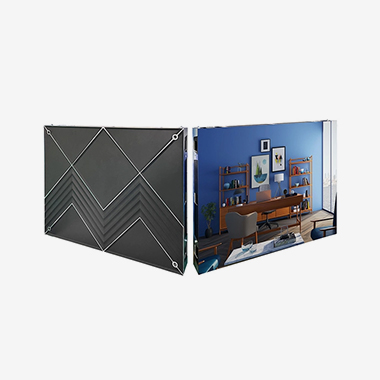
Enclosures: Slim aluminum alloy (6061-T6) frames (5–8cm thick) blend with mall facades, avoiding bulky designs. Double-layer EPDM gaskets (IP65 rated) prevent water/dust ingress, while anti-reflective tempered glass (4mm thick) reduces glare for daytime shoppers.
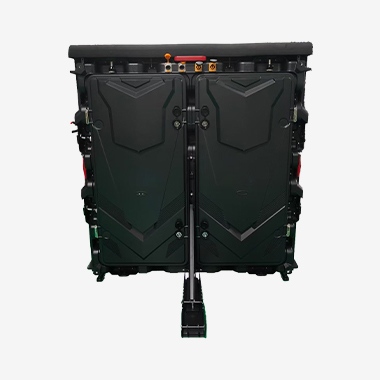
Structural Support: Wall-mounted brackets (for entrance facades) or low-profile steel trussing (for plazas) handle weight (6–10kg/m², lighter than highway LEDs) and wind loads (up to 100 km/h). Supports are painted to match mall exteriors, ensuring visual cohesion.
Maintenance & Safety:
Thermal Management: Passive cooling (aluminum heat sinks with vented enclosures) suffices for most climates, avoiding noisy fans that disrupt mall atmospheres.
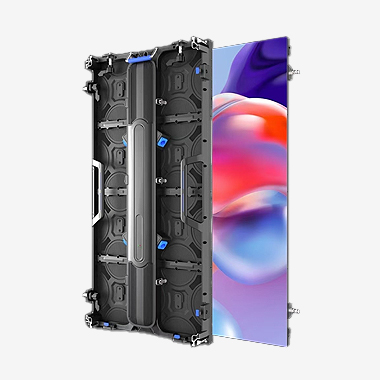
Accessibility: Modules are designed for easy removal (tool-less latches) to simplify repairs—critical for malls that can’t afford long downtime. Safety features include overload protection and fire-retardant materials, complying with mall fire codes.
Manufacturing includes 500-hour temperature cycle tests (-10°C to 60°C) and pixel uniformity checks (variation <4%) to ensure consistent visuals. Installation is timed for off-hours (nights/weekends) to avoid disrupting mall operations.
Functionality relies on four integrated systems, optimized for mall-specific use cases—pedestrian viewing, frequent content updates, and 12–16 hour daily operation:
1. LED Illumination: SMD RGB LEDs use electroluminescence—red (620–660nm), green (520–560nm), blue (440–480nm) dies emit light when 5V DC current passes through. Current adjustment via PWM (pulse-width modulation) creates 16.7 million colors, ideal for vibrant retail ads (e.g., bright apparel visuals, colorful sale banners). 4,000–6,000 nits brightness ensures visibility on sunny days, while anti-reflective glass prevents glare for shoppers standing 3–15 meters away.
2. Power Distribution: 90%+ efficient switch-mode power supplies (SMPS) with power factor correction (PFC ≥0.95) convert 110V/220V AC to 5V DC. Daisy-chained copper cables (22AWG) minimize voltage drop (<2%) across large walls, while redundant supplies (1 backup/4 primaries) prevent downtime—critical for malls running ads 12+ hours daily.
3. Content Processing:
Sending Cards: 5Gbps Ethernet sending cards split content into panel-specific signals, enabling smooth playback of 1080p/4K videos (e.g., store product demos, fashion shows).
Receiving Cards: Per-panel receiving cards store calibration data (brightness, color) to ensure uniform visuals—eliminating “hot spots” that distract shoppers. Cloud-based software (e.g., Novastar NovaLCT, Pixelink) allows remote content updates (in minutes), so mall operators can switch ads for sales events or new store openings without on-site visits.
4. Environmental Adaptation:
Light sensors adjust brightness (4,000–6,000 nits daytime, 1,000–2,000 nits evening) to save energy (30–40% nightly) and avoid overwhelming evening shoppers. Humidity sensors trigger dehumidifiers in coastal malls, preventing PCB corrosion—extending the wall’s lifespan to 7–10 years.
Advantages:
Boosts Foot Traffic & Tenant Revenue: High-brightness, dynamic content attracts passersby—studies show malls with outdoor LED walls see 12–18% higher foot traffic vs. those without. Mall operators can sell ad space to tenants (e.g., (500–)1,500/month per 10m²), creating a new revenue stream that offsets installation costs. For retailers, ads on entrance walls drive store visits—e.g., a new restaurant ad can increase opening-week foot traffic by 30%.
Flexible & Timely Content: Cloud-based updates let malls adapt to retail cycles—promote weekend sales on Fridays, holiday promotions in December, or pop-up events (e.g., “meet the designer”) in real time. Unlike static billboards (which take days to update), LED walls respond to last-minute changes—critical for retailers capitalizing on trends.
Low Operational Costs: Energy-efficient LEDs and adaptive brightness cut power use by 25–35% vs. older models. A 10m² wall uses ~10,950 kWh/year ((1,314 at )0.12/kWh), 30% less than a non-efficient equivalent. Low-maintenance design (passive cooling, easy module replacement) reduces annual upkeep costs to (500–)1,000—far less than repainting static billboards ((2,000–)3,000/year).
Enhances Mall Aesthetics: Slim, architecturally integrated designs elevate mall exteriors, turning plain facades into vibrant focal points. This aligns with the “experiential retail” trend—malls using visuals to create Instagram-worthy spots that attract younger shoppers.
Challenges:
Upfront Costs: (2,000–)4,000/m² (vs. (500–)1,000 for static billboards) due to high-quality LEDs and slim enclosures. A 10m² wall costs (20k–)40k, plus installation ((5k–)10k)—a barrier for small malls or those on tight budgets.
Content Creation Burden: High-quality retail content (1080p/4K videos, animated ads) requires professional design ((500–)2,000 per ad), a cost some small tenants can’t afford. Malls often need to provide content templates to reduce tenant friction.
Regulatory & Aesthetic Limits: Some cities restrict outdoor signage size/brightness to preserve neighborhood character—e.g., a mall in a historic district may face limits on display size. Poorly designed walls can clash with mall architecture, undermining the aesthetic goals they’re meant to enhance.
Applications:
Mall Entrances: The most common use—5–10m² walls (P4–P6) at main entrances promote anchor stores (e.g., “Macy’s Summer Sale”) or mall-wide events (e.g., “Back-to-School Fair”). For example, a Singapore mall’s entrance wall runs 15-second ads for its fashion tenants, rotating every 2 minutes to maximize exposure.
Plaza & Courtyard Focal Points: Larger 20–30m² walls (P2.5–P4) in outdoor plazas serve as community hubs—displaying live sports (e.g., World Cup games) during events, or seasonal visuals (e.g., cherry blossom animations in spring) to create ambiance. These walls draw shoppers to linger, increasing food court and kiosk sales.
Parking Lot Walkways: Small 3–5m² walls (P6–P8) near parking entrances guide shoppers (e.g., “Nordstrom via Level 2 Bridge”) and promote impulse buys (e.g., “Coffee Shop—50% Off on Your Way In”). They reduce shopper frustration and boost sales for convenience-focused tenants.
Storefront Exteriors: High-end retailers (e.g., luxury fashion, electronics) install 5–8m² walls (P2.5–P4) outside their mall entrances—showcasing product close-ups (e.g., smartphone features, designer handbag details) to attract targeted shoppers.
Future Trends:
Interactive Content: Touch-sensitive panels (for plaza walls) will let shoppers interact—e.g., “tap to save a coupon” for a nearby store, or “swipe to browse a brand’s new collection.” Motion sensors will enable gesture control (e.g., wave to change the ad), making walls more engaging.
AI-Driven Personalization: AI will analyze foot traffic data (e.g., time of day, shopper demographics) to deliver tailored ads—e.g., display toy store ads during weekend family hours, or restaurant ads during evening rush. It will also optimize content length (10–15 seconds for busy entrances, 20–30 seconds for plazas).
Sustainability Innovations: Solar-powered small walls (5–10m²) will use thin-film solar panels integrated into enclosures, reducing mall grid reliance. Recyclable aluminum frames and LED modules will align with malls’ sustainability goals, while energy-efficient micro-LEDs (200+ lm/W) will cut power use by 40%.
Integration with Mall Apps: Walls will sync with mall mobile apps—e.g., a shopper scans a QR code on the wall to add a store’s sale to their app calendar, or to receive a personalized discount. This bridges digital and physical retail, enhancing the shopper journey.
Conclusion
Outdoor commercial LED display walls for malls have become essential tools for modern retail, merging dynamic advertising with architectural aesthetics to drive foot traffic and tenant revenue. Their pedestrian-centric design, flexible content updates, and low operational costs address key mall challenges—from attracting shoppers in a competitive market to creating engaging, experiential spaces.
While upfront costs and content creation burdens exist, these barriers are easing: AI personalization reduces content workload, solar integration cuts long-term costs, and modular designs make installation more accessible for small malls. As the retail industry shifts toward “experiential” and “digital-first” shopping, these walls are no longer just nice-to-have—they’re critical for malls aiming to stay relevant.
Looking ahead, interactive and AI-driven features will turn mall outdoor LED walls into even more powerful tools, bridging the gap between physical and digital retail. They’ll not only promote brands but also create community hubs—where shoppers linger, interact, and connect with the mall in new ways. For mall operators, retailers, and shoppers alike, outdoor commercial LED display walls are shaping the future of mall experiences—making them vibrant, engaging, and essential to the retail ecosystem.


Copyright © 2026 Shenzhen Cogo Technology Co.,Ltd.
All Rights Reserved

 Previous article