




 Chat Now
In the contemporary business landscape, where brand visibility and recognition are paramount for success, large commercial LED display walls have emerged as a powerful and influential tool for branding. These imposing displays, with their expansive size and cutting - edge LED technology, offer a dynamic and impactful platform for businesses to communicate their brand identity, values, and messages to a wide audience. Whether situated in bustling city centers, shopping malls, or at major events, large commercial LED display walls have the ability to capture attention, evoke emotions, and leave a lasting impression, thereby playing a crucial role in shaping and strengthening brand presence.
At the heart of large commercial LED display walls for branding is the utilization of advanced light - emitting diode technology. By combining red, green, and blue (RGB) LEDs, these displays can produce an extensive range of vivid colors, sharp images, and smooth animations with remarkable clarity and contrast. The large - scale nature of these walls allows for the creation of immersive visual experiences that are highly visible from long distances, ensuring that brand messages are not only seen but also remembered by viewers. This technology enables brands to showcase their logos, product images, brand stories, and promotional content in a visually stunning manner, effectively differentiating themselves from competitors and building a strong brand image in the minds of consumers.
The growing significance of large commercial LED display walls in branding can be attributed to several factors. Firstly, the increasing saturation of traditional advertising channels and the evolving media consumption habits of consumers have led to a need for more innovative and attention - grabbing marketing solutions. In an era where consumers are constantly bombarded with information, large LED display walls stand out with their size, brightness, and dynamic content, offering a unique opportunity for brands to cut through the clutter and make a significant impact.
Secondly, advancements in LED manufacturing and digital technology have made large commercial LED display walls more accessible, reliable, and cost - effective. Over the years, continuous research and development efforts have improved the efficiency, lifespan, and performance of LED components, while also reducing production costs. Additionally, the development of sophisticated control systems and software has made it easier to manage and update the content on these displays, allowing brands to adapt their messaging in real - time to respond to market trends, consumer preferences, and promotional activities.
Moreover, the versatility of large commercial LED display walls makes them suitable for a wide range of branding strategies. They can be customized in terms of size, shape, resolution, and functionality to meet the specific requirements of different brands and marketing campaigns, providing a flexible and scalable solution for businesses of all sizes, from small local enterprises aiming to establish their brand presence to large multinational corporations looking to reinforce their global brand image.
The design and construction of large commercial LED display walls for branding are complex and meticulous processes that demand a deep understanding of brand aesthetics, marketing objectives, and technical requirements. The design phase initiates with a comprehensive analysis of the brand's identity, including its logo, color palette, brand personality, and target audience. This analysis helps in creating a visual concept for the display wall that aligns with the brand's overall image and effectively communicates its message.
One of the primary design considerations is the size and location of the display wall. The size is determined based on factors such as the available space, the viewing distance of the target audience, and the desired impact of the brand message. In high - traffic areas, such as city squares, transportation hubs, or along major highways, larger display walls are often preferred to maximize visibility and reach. The location is equally crucial, as it needs to be in an area where the target audience is likely to be present, ensuring that the brand message is effectively communicated to the right people.
The pixel pitch is a critical design element that directly impacts the visual quality of the display. For large commercial LED display walls used for branding, a pixel pitch that balances visual clarity and cost - effectiveness is typically selected. A smaller pixel pitch results in a higher resolution and sharper images, which is ideal for applications where the display will be viewed from relatively close distances, such as in shopping malls or at brand - specific events. However, a smaller pixel pitch also increases the cost of the display wall. For large - scale outdoor installations with greater viewing distances, a slightly larger pixel pitch may be acceptable as long as the overall visual impact and legibility of the brand content are maintained.
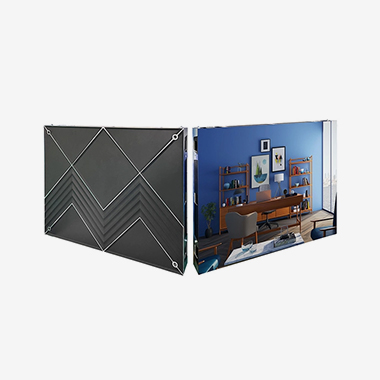
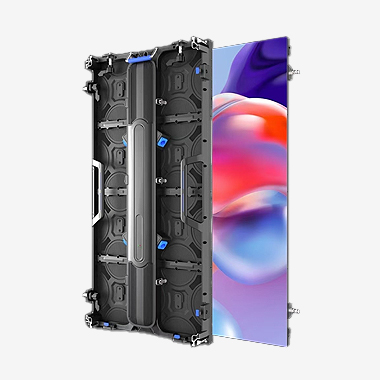
In terms of construction, large commercial LED display walls usually adopt a modular design. The display modules, which are the building blocks of the wall, are composed of individual LED panels. These panels are carefully assembled and connected to form the larger display wall. The modular design offers several advantages, including easy installation, maintenance, and scalability. In case of a malfunction or damage to a specific module, it can be quickly replaced without affecting the operation of the entire display wall.
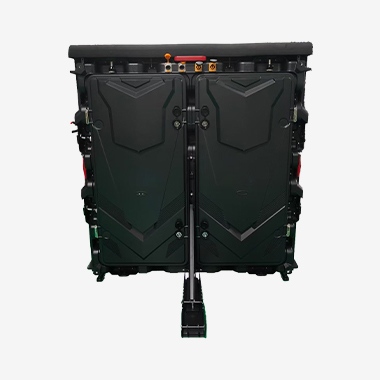
The enclosure of the display wall is designed to protect the internal components from environmental factors, especially for outdoor installations. Outdoor display walls are typically constructed using durable materials such as aluminum alloy or stainless steel, which offer excellent protection against water, dust, impact, and corrosion. Special sealing techniques are employed to ensure that the internal components, including the LED modules, control systems, and power supplies, are well - protected. Efficient heat - dissipation systems, such as heat sinks, fans, or liquid - cooling mechanisms, are integrated into the design to manage the heat generated by the high - power LEDs, preventing overheating and ensuring optimal performance.
The electrical and data connections within the display wall are also carefully engineered. High - quality cables and connectors are used to transmit power and data between the display modules and the control system. The control system, which includes media servers, control cards, and software, manages the display of content, adjusts the brightness and color, and synchronizes the operation of the entire display wall. Additionally, features such as anti - glare coatings, ambient light sensors, and automatic brightness adjustment functions may be incorporated to enhance the viewing experience and adapt to changing lighting conditions.
The working principles of large commercial LED display walls for branding are based on the fundamental operation of LED technology, combined with advanced digital signal processing and control systems. The process begins with the creation and preparation of the brand - related content, which can include high - resolution brand logos, promotional videos, brand stories, and interactive graphics. This digital content is typically created using professional graphic design software, video editing tools, and content management systems.
The prepared content is then transferred to a media server or a computer connected to the LED display wall. The media server serves as the central hub for content management, receiving the digital content and processing it to ensure compatibility with the display wall's control system. It performs tasks such as video compression, color correction, and content formatting to optimize the visual quality and ensure smooth playback on the display wall.
The control system of the LED display wall, consisting of control cards and software, plays a crucial role in the operation of the display. The control cards receive the processed data from the media server and convert it into electrical signals. These electrical signals are transmitted to the individual LED modules within the display wall. Each LED in the module is individually addressable, and the control system precisely regulates the current flowing through each LED, determining its brightness and color.
To display the brand content, the control system employs pulse - width modulation (PWM) technology. PWM rapidly switches the LEDs on and off at a high frequency, adjusting the duration for which each LED is on to control its brightness. By precisely controlling the PWM signals for the red, green, and blue LEDs, the control system can create a vast array of colors and shades, resulting in high - quality images and videos that accurately represent the brand's visual identity.
In addition to controlling the LEDs, the control system also manages the synchronization of the entire display wall. This is essential to ensure that all the LED modules update simultaneously, preventing any visual artifacts or flickering that could disrupt the viewing experience. The control system can interface with other external devices, such as sensors for ambient light monitoring or audience engagement analytics tools. For example, ambient light sensors can detect the surrounding light levels and send signals to the control system, which can then automatically adjust the brightness of the display wall. This ensures that the brand content remains visible and legible under different lighting conditions, while also optimizing energy consumption.
Furthermore, modern large commercial LED display walls often support remote control and content management. Brands can remotely access the control system and upload new content, change the display schedule, or adjust the display settings in real - time, allowing for quick responses to changing market conditions, promotional events, or brand - related announcements.
Large commercial LED display walls for branding offer numerous advantages that have made them an increasingly popular choice for businesses aiming to enhance their brand image and visibility. One of the most significant advantages is their ability to create a powerful and memorable brand impression. The large size, bright and vivid displays, and dynamic content of these walls can effectively capture the attention of a wide audience, making the brand stand out in a crowded marketplace. By showcasing high - quality brand visuals, large LED display walls can convey a sense of professionalism, innovation, and modernity, enhancing the brand's perceived value in the eyes of consumers.
Another major advantage is the flexibility of content display. Brands have the freedom to showcase a diverse range of content, from brand - building messages and product promotions to event announcements and customer testimonials. The real - time content update feature allows brands to adapt their messaging quickly to changing market trends, consumer preferences, and promotional activities. For example, during a holiday season, a brand can instantly switch to festive - themed content, or when launching a new product, it can display relevant promotional materials immediately, ensuring that the brand remains relevant and engaging.
In terms of cost - effectiveness, large commercial LED display walls offer long - term value. Although the initial investment can be substantial, the energy - efficiency of LED technology reduces operating costs over time. LEDs consume less power while producing bright and vivid visuals, resulting in lower electricity bills. Additionally, the long lifespan of LED displays means that they require less frequent replacement compared to traditional signage, further reducing maintenance costs. The ability to reuse the display wall for multiple branding campaigns also provides cost savings in the long run.
However, large commercial LED display walls also face several challenges. One of the main challenges is the high initial cost. The purchase, installation, and setup of a large LED display wall can be a significant financial investment, including the cost of the LED panels, control systems, media servers, structural support, and installation labor. This cost can be a barrier for some businesses, especially small and medium - sized enterprises with limited budgets.
Another challenge is the technical complexity involved in operation and maintenance. These display walls require specialized knowledge and skills for installation, calibration, and troubleshooting. Any technical issues, such as faulty LED modules, data transmission problems, or software glitches, need to be addressed promptly by trained technicians. Brands may need to invest in staff training or outsource the maintenance to ensure the smooth operation of the display wall, which can add to the overall cost and complexity.
The outdoor environment also poses challenges to the durability of large commercial LED display walls. Exposure to extreme weather conditions, such as strong winds, heavy rain, snow, and intense sunlight, can damage the display components over time. Special protective measures, such as using UV - resistant coatings, waterproof enclosures, and wind - resistant structures, need to be taken, which can further increase the cost and complexity of the installation and maintenance.
Large commercial LED display walls for branding have a wide range of applications across various industries and marketing scenarios. In the retail industry, they are commonly used in shopping malls, department stores, and flagship stores to enhance the brand's in - store presence, showcase product collections, and promote special offers. These display walls can create an immersive shopping experience, attracting customers and increasing footfall.
In the hospitality industry, large LED display walls are used in hotels, resorts, and restaurants to display brand - related content, such as promotional videos, event announcements, and customer testimonials. They can also be used to create a unique and engaging atmosphere, enhancing the overall guest experience.
For large - scale events, such as trade shows, conferences, and sports events, large commercial LED display walls serve as a powerful branding tool. They can display the event's logo, sponsors' branding, live event footage, and interactive content, creating a vibrant and engaging environment for attendees.
Looking to the future, several trends are expected to shape the development of large commercial LED display walls for branding. One trend is the integration of augmented reality (AR) and virtual reality (VR) technologies. AR - enabled display walls could allow consumers to interact with digital brand content overlaid on the real - world environment, creating unique and immersive brand experiences. VR integration could offer virtual brand tours, product demonstrations, or behind - the - scenes looks, further enhancing brand engagement.
Another trend is the use of artificial intelligence (AI) and machine learning (ML) for more personalized and targeted branding. AI - powered systems could analyze audience behavior, preferences, and demographics in real - time, enabling brands to display personalized content that resonates more effectively with individual consumers. ML algorithms could also be used to optimize the display schedule and content based on data analytics, maximizing the impact of the branding efforts.
The development of more energy - efficient and sustainable LED technologies is also on the horizon. As environmental awareness grows, there will be an increasing demand for LED display walls that consume less power and have a lower carbon footprint. New materials and manufacturing processes will be explored to make large commercial LED display walls more eco - friendly without sacrificing visual quality.
Conclusion
Large commercial LED display walls have become an essential and powerful asset in the realm of branding. Their ability to create a strong brand impression, offer flexible content display, and provide long - term cost - effectiveness has transformed the way businesses communicate their brand identity and values to consumers. Despite the challenges of high initial cost, technical complexity, and environmental factors, their numerous advantages have led to their widespread adoption across various industries.
As technology continues to evolve, the future of large commercial LED display walls for branding looks extremely promising. The integration of advanced technologies such as AR, VR, AI, and ML, along with the development of more sustainable display solutions, will open up new possibilities for creative and effective branding. These display walls will continue to play a crucial role in shaping brand images, enhancing brand visibility, and building strong, long - lasting relationships between brands and consumers in the digital age.


Copyright © 2026 Shenzhen Cogo Technology Co.,Ltd.
All Rights Reserved

 Previous article