




 Chat Now
In the contemporary urban landscape, the battle for consumer attention is fierce and unrelenting. Amidst the sensory overload of city life, brands are compelled to communicate their message not just effectively, but spectacularly. Standing at the forefront of this communication revolution is the outdoor commercial LED (Light Emitting Diode) display screen—a dynamic, luminous canvas that has transformed passive advertising into an immersive brand experience. More than just a billboard, it is a powerful tool for storytelling, engagement, and establishing a dominant market presence.
The evolution from static printed billboards to digital displays marks a paradigm shift in outdoor advertising. Traditional mediums, while still relevant, are inherently limited. They are unchangeable, vulnerable to weather, and offer no capacity for motion or interaction. The advent of LED technology shattered these limitations. An outdoor LED display is a modular system consisting of thousands of tiny LEDs that collectively form a single, brilliant image or video. This technology enables brands to broadcast high-resolution, full-motion content that can be updated instantaneously from anywhere in the world.
The primary function of these screens in branding is multifaceted. Firstly, they command attention through sheer luminosity and scale. A well-placed, high-brightness LED screen is impossible to ignore, whether in the bright midday sun or the dark of night. This ensures that the brand’s message cuts through the visual clutter of the urban environment. Secondly, they offer unparalleled flexibility. A single screen can host multiple advertisers, run day-parting campaigns (showing coffee ads in the morning and restaurant ads in the evening), and react in real-time to external triggers like weather, sports scores, or social media trends. This dynamism creates a sense of immediacy and relevance that static ads cannot match.
Furthermore, outdoor LED displays serve as a cornerstone for digital-out-of-home (DOOH) advertising, a sector that has seen explosive growth. DOOH networks allow for programmatic buying, where ad space is purchased and scheduled automatically through digital platforms, enabling highly targeted and efficient campaigns. This data-driven approach allows brands to reach specific demographics at optimal times, maximizing return on investment (ROI).
The impact on branding is profound. These screens do not merely display a product; they convey a brand’s identity, values, and energy. The use of vibrant color, motion, and even sound (in some installations) creates an emotional connection with the audience. A luxury car brand can showcase a cinematic commercial with stunning detail, while a sports brand can broadcast live events, fostering a sense of community and excitement. The screen becomes synonymous with the brand itself, often turning the installation into a local landmark—think of the iconic screens in Times Square, Piccadilly Circus, or Shinjuku. They are destinations in their own right, and for a brand to be featured there is a powerful statement of success and cultural relevance.
In essence, the outdoor commercial LED display is the modern-day town crier, but one equipped with the power of IMAX and the connectivity of the internet. It has elevated outdoor advertising from a simple announcement to a grand, engaging, and intelligent dialogue between brands and the public. As we delve deeper into its construction, workings, and applications, it becomes clear that this technology is not just an option for modern branding; for those aiming for leadership and impact, it is an indispensable necessity.
The majestic visual spectacle of an outdoor LED display belies a incredibly complex piece of engineering. Its design and construction are a meticulous balance of optical performance, structural integrity, and environmental resilience. Unlike indoor screens, an outdoor unit must be a fortress, built to withstand a relentless assault from the elements while maintaining flawless performance 24/7. The process involves several critical components and considerations.
1. The LED Module: The Heart of the Display
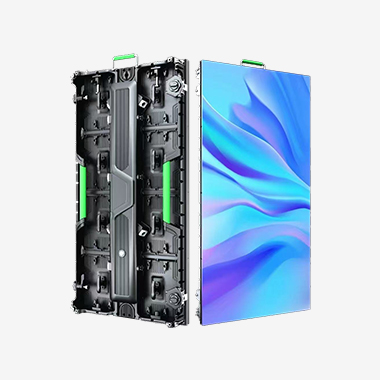
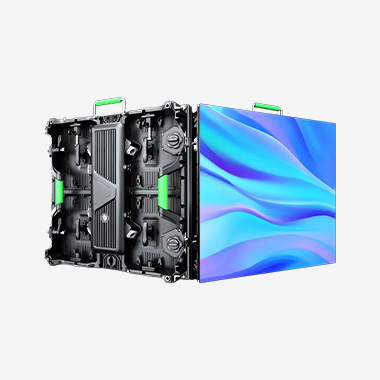
The fundamental building block of any LED screen is the module. Each module is a printed circuit board (PCB) populated with a precise array of individual LEDs—often hundreds or thousands of them. These are not single white LEDs; each pixel is typically composed of a cluster of three sub-pixels: red, green, and blue (RGB). By varying the intensity of these three colors, the module can produce millions of hues. The LEDs are capped with lenses to protect the diodes and to control the viewing angle and light distribution. Modules are designed to be lightweight, durable, and easily replaceable in the field for maintenance.
2. The Cabinet: The Structural Backbone
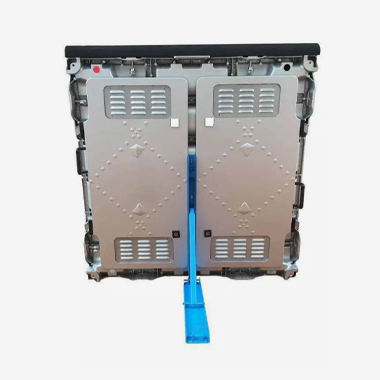
Modules are mounted into larger, rigid frames called cabinets. These cabinets, typically made from die-cast aluminum or other robust, lightweight, and corrosion-resistant materials, are the structural foundation of the entire display. They house not only the modules but also the critical ancillary systems:
Power Supplies: Convert mains AC power to the low-voltage DC power required by the LEDs and electronics. Redundancy is often built-in to ensure failure of one unit doesn't crash the entire screen.
Receiving Cards: Act as the communication bridge between the control system and the display itself, processing the data signal and distributing it to the modules.
Cooling Systems: Perhaps one of the most crucial aspects. LEDs generate heat, and excessive heat reduces their lifespan and color accuracy. Outdoor screens employ powerful, yet weatherproof, active cooling systems with fans and air vents designed to keep water out, or in some high-end installations, completely sealed passive cooling systems with massive heat sinks.
3. Pixel Pitch: Defining Resolution and Viewing Distance
A key design specification is pixel pitch—the distance, in millimeters, from the center of one LED pixel to the center of the next. This is the primary determinant of image resolution. A smaller pixel pitch (e.g., P6 means 6mm) means pixels are closer together, allowing for a higher-resolution image that can be viewed from a shorter distance. A larger pitch (e.g., P20 or P25) is suitable for screens meant to be viewed from hundreds of feet away, like on a highway. Choosing the correct pixel pitch is a critical economic and functional decision, balancing image quality with cost and intended application.
4. Brightness and Contrast: Winning the Battle with the Sun
An outdoor screen must be visible under direct sunlight, which can exceed 100,000 nits of brightness. Therefore, commercial outdoor LEDs are incredibly bright, typically ranging from 5,000 to 10,000 nits or even higher. This ensures the image remains vibrant and legible. Equally important is contrast ratio. High dynamic range (HDR) technology, black surface LEDs, and advanced calibration are used to produce deep blacks and prevent the image from appearing "washed out."
5. Environmental Protection: The IP Rating
Every component is engineered to meet stringent Ingress Protection (IP) ratings, most commonly IP65 or higher. This rating signifies:
6: Dust-tight. No ingress of dust; complete protection against contact.
5: Protected against water jets. Water projected by a nozzle (6.3mm) against the enclosure from any direction shall have no harmful effects.
This ensures the electronics are completely shielded from rain, snow, dust, and humidity, which are the primary enemies of outdoor electronics.
6. Structural and Safety Considerations
The entire array of cabinets is mounted onto a heavy-duty steel structure, which must be engineered to handle not only the significant weight of the display but also wind loads, seismic activity, and potential ice accumulation. Safety is paramount, with designs incorporating access ladders, fall protection systems, and easy serviceability. Furthermore, manufacturers must consider "hot-swappable" components, allowing technicians to replace a faulty power supply or module without powering down the entire display.
In conclusion, the design and construction of an outdoor LED screen is a feat of interdisciplinary engineering. It demands expertise in optics, thermal dynamics, structural mechanics, electrical engineering, and software integration. The result is a robust, brilliant, and reliable media platform designed to deliver a brand's message with maximum impact, day and night, for years on end.
The mesmerizing dance of light and color on an LED screen is the result of a sophisticated and precisely orchestrated process. Understanding the working principles reveals how digital data is transformed into the physical light that forms compelling brand narratives. This process can be broken down into a chain of command: from content creation to control, from data transmission to pixel illumination.
1. Content Creation and Management: The Genesis of the Message
It all begins with content. Brands and creatives design video, animations, and graphics specifically tailored for the large format and high resolution of the LED screen. This content is created using standard video editing and animation software but is rendered at a custom resolution that matches the precise pixel dimensions of the target display. This ensures no stretching or distortion of the image. The content is then loaded into a Content Management System (CMS). This is the brain of the operation—a software platform that allows users to schedule playlists, manage multiple screens remotely, trigger content based on real-time data (like live feeds, weather, or social media streams), and monitor screen health. The CMS outputs a standard video signal (e.g., HDMI, SDI).
2. The Control System: The Central Nervous System
The raw video signal from the CMS is not enough to drive a massive LED wall with millions of individual pixels. This is where the video processor and sending card come in. The video processor is a powerful computer that takes the input signal and performs several critical tasks:
Scaling and Resizing: It maps the input video resolution to the native resolution of the LED wall.
Color Calibration and Correction: It ensures color consistency across the entire display, compensating for variations between individual LED modules and cabinets to present a uniform image.
Image Enhancement: It applies algorithms to improve sharpness, reduce noise, and adjust brightness levels dynamically based on ambient light sensors.
The processed video data is then sent to a sending card, an interface device that packages the video data into a proprietary protocol optimized for high-speed, long-distance transmission to the display itself, often via network cables (CAT5/CAT6) or fiber optic cables.
3. Data Distribution and Pixel Addressing: The Neural Network
On the display side, the data stream from the sending card is received by receiving cards housed within each cabinet. These cards act like local managers, decoding the data stream and distributing the specific instructions to the individual LED modules they are responsible for. On each module, a final tier of microchips comes into play: the LED driver ICs (Integrated Circuits). Each driver IC controls a specific group of LEDs (a row or a column), acting as a dimmer switch for each red, green, and blue sub-pixel.
The principle behind the light emission itself is electroluminescence. An LED is a semiconductor diode. When a voltage is applied to it, electrons recombine with electron holes within the device, releasing energy in the form of photons (light). The color of the light is determined by the energy band gap of the semiconductor material used. By using pulse-width modulation (PWM), the driver ICs control the brightness of each LED. Instead of varying the voltage (which would change the color), PWM rapidly turns each LED on and off. The ratio of "on" time to "off" time within a very short cycle (thousands of times per second) is perceived by the human eye as a variation in brightness. A longer "on" pulse appears brighter, while a shorter "on" pulse appears dimmer. This precise, high-speed switching allows for the creation of millions of color shades and perfect grayscale performance.
4. Synchronization and Reliability
For the entire display to show a seamless image, every cabinet, module, and driver IC must operate in perfect synchronization. The control signal includes synchronization clocks that ensure all parts of the display update their pixels at the exact same moment, preventing tearing or lag in the image. Furthermore, modern systems are built with redundancy—backup power supplies and network paths—to ensure the show always goes on, even if a single component fails.
In summary, the working principle of an outdoor LED screen is a masterclass in distributed computing and analog physics. It’s a hierarchy where a high-level video signal is deconstructed, transmitted, and reinterpreted into billions of individual instructions per second, commanding a vast army of microscopic light sources to act in perfect harmony. This complex yet reliable technology is what empowers a brand to tell its story with breathtaking clarity and dynamism.
The adoption of outdoor commercial LED displays for branding is a significant strategic decision. While the advantages are transformative, they are accompanied by a set of distinct challenges that require careful consideration and management.
Advantages:
Unmatched Impact and Visibility: The core advantage is sheer dominance. High brightness, large scale, and dynamic motion create an unparalleled ability to capture attention. A vibrant video is far more likely to be noticed and remembered than a static image, leading to higher brand recall rates.
Dynamic Content Flexibility: This is the game-changer. Content can be changed instantly, remotely, and as often as desired. This allows for:
Relevance: Ads can be updated to reflect time of day, current weather, live events, or real-time promotions.
Multiple Advertisers: A single screen can host a rotating portfolio of ads, maximizing revenue potential for the screen owner.
Crisis Communication: Instantly switch to public service announcements or emergency alerts.
Enhanced Creativity and Engagement: Brands are no longer limited to a single image. They can run cinematic commercials, interactive campaigns (using QR codes or social media integration), and live broadcasts of sports or cultural events. This transforms the ad from a monologue into an engaging experience that fosters a deeper emotional connection with the audience.
Operational Efficiency and Measurability: While the initial investment is high, the long-term operational costs can be lower than traditional billboards. There are no printing, shipping, or manual installation costs for new campaigns. Furthermore, the digital nature of DOOH allows for a level of measurability previously impossible with static OOH. Data on playout times, combined with footfall traffic data and even anonymous mobile device tracking, can provide valuable insights into audience reach and engagement, allowing for optimization and clearer demonstration of ROI.
Modern and Innovative Brand Image: Utilizing this technology positions a brand as forward-thinking, innovative, and financially robust. It’s a powerful statement that the brand is a leader and a major player in its sector.
Challenges:
High Initial Capital Investment: The upfront cost of purchasing a high-quality outdoor LED display, along with the significant expenses for the supporting steel structure, installation, and professional content creation, is substantial. This places it out of reach for many smaller businesses and requires a clear business case for larger ones.
Maintenance and Long-Term Reliability: While built to be robust, these are complex electronic systems operating in a harsh environment. Components like power supplies and cooling fans will eventually fail. Regular maintenance is non-negotiable to prevent downtime. This requires a skilled technical team and a budget for spare parts. Over time, LEDs gradually lose their brightness (lumen depreciation), meaning the screen will be less brilliant after 5-7 years, though it may remain functional for much longer.
Energy Consumption and Environmental Concerns: A large, bright LED screen is a significant consumer of electricity. This leads to high operational costs and a substantial carbon footprint, which can be at odds with a brand's sustainability goals. While LED technology itself is efficient, the sheer scale of power required is a challenge. The use of automatic brightness adjustment sensors can help mitigate this.
Light Pollution and Community Regulations: The very brightness that makes these screens effective can be a source of controversy. Concerns about light pollution, driver distraction, and the "visual clutter" of urban environments have led to strict regulations in many municipalities. Obtaining permits can be a lengthy and difficult process, with restrictions on size, brightness levels, operating hours, and even content in some historic or residential districts.
Content Management Demands: The flexibility of the screen is a double-edged sword. It requires a constant stream of fresh, high-quality content to remain effective. A screen running the same ad on a loop for months will lose its impact and audience. This necessitates an ongoing investment in creative resources and a strategic content plan.
In conclusion, the decision to employ an outdoor LED display is a strategic balancing act. The advantages of unparalleled impact, flexibility, and modernity are powerful drivers for brand elevation. However, these must be weighed against the significant challenges of cost, maintenance, energy use, and regulatory hurdles. A successful deployment requires not just a financial investment, but a commitment to ongoing content excellence and technical stewardship
Future Trends (Continued):
Interactive and Immersive Experiences: The future of outdoor LED branding is interactive. Integration with Internet of Things (IoT) sensors, cameras (using anonymized data for analytics), and mobile technology will become standard. Screens will react to the audience—imagine a display where a game is controlled by the movements of the crowd below, or an ad that changes when a person points their smartphone at it. Augmented Reality (AR) overlays, triggered by the screen, will blend the physical and digital worlds, creating deeply personalized and memorable brand interactions.
Artificial Intelligence (AI) and Programmatic Optimization: AI will revolutionize content delivery and measurement. AI algorithms will analyze real-time data—foot traffic, weather, current events, and even the demographic makeup of a crowd (via anonymized aggregate data)—to automatically select and play the most effective ad creative for that specific moment. This hyper-contextual advertising maximizes relevance and impact. AI will also be used for predictive maintenance, identifying potential component failures before they cause downtime.
Sustainability and Energy Efficiency: As environmental concerns grow, the industry will prioritize "green" technology. This includes:
Advanced Power Systems: Development of more efficient LED diodes, driver ICs, and power supplies that provide more light per watt consumed.
Renewable Integration: Screens will increasingly be powered by integrated solar panels or linked to renewable energy sources.
Improved Materials: The use of more recyclable materials in cabinets and modules, and designing for easier end-of-life disassembly and recycling.
Smart Dimming: Sophisticated ambient light sensors will not just react to day and night, but will continuously fine-tune brightness to the exact minimum level required for perfect visibility, drastically reducing power consumption.
3D and Holographic Displays: Without the need for special glasses, "true 3D" LED displays are already emerging. Using techniques like parallax barriers or lenticular lenses, these screens create a compelling illusion of depth, making content leap out at the viewer. The next step is the development of more advanced holographic-like displays, which could transform city squares into stages for virtual product reveals or brand ambassadors.
Connectivity and 5G: The rollout of high-speed, low-latency 5G networks is a critical enabler for these future trends. It will allow for the seamless streaming of ultra-high-definition 8K content to screens, real-time data transfer for interactivity, and the management of massive IoT sensor networks that feed data to AI systems, all with minimal delay.
In essence, the future outdoor LED screen will evolve from a broadcast medium to an intelligent, responsive, and sustainable architectural element. It will be a node in a connected urban network, capable of delivering not just ads, but valuable information, immersive art, and unique communal experiences, all while operating with greater efficiency and contextual awareness than ever before.
Conclusion
The journey through the world of outdoor commercial LED display screens reveals a technology that is far more than a mere advertising tool; it is a transformative medium that has redefined the very essence of brand communication in public spaces. From its robust engineering and intricate working principles to its diverse applications and exciting future, the LED screen has proven to be an unassailable pillar for brands that aspire to leadership, relevance, and memorability.
We have seen that its advantages are profound. The ability to command attention with brilliant, dynamic light, the unparalleled flexibility to update content globally in an instant, and the capacity to foster deep engagement through motion and interactivity provide a value proposition that static media cannot match. In an era where digital and physical experiences are converging, the outdoor LED screen stands as a powerful bridge, connecting the narrative power of digital content with the tangible, impactful presence of a large-scale physical installation.
However, this power is not without its demands. The significant initial investment, ongoing maintenance requirements, and environmental considerations present real challenges that necessitate a strategic, long-term commitment. Success is not guaranteed by the technology itself but is earned through excellent content strategy, technical diligence, and a sensitive understanding of the urban environment and community.
Looking forward, the trajectory is clear. The screen is evolving from a monologue to a dialogue. It is becoming smarter, more interactive, and more integrated into the fabric of the smart city. Trends like AI-driven content, seamless interactivity, and a strong push for sustainability are not mere speculations but the next logical steps in this technology's maturation. The future screen will be an intelligent canvas, reacting to its environment and its audience in real-time to deliver hyper-relevant messages and experiences.
For CMOs, brand managers, and urban planners, the message is clear: the outdoor commercial LED display is a critical instrument in the modern branding orchestra. It offers a unique combination of scale, flexibility, and impact that is essential for cutting through the noise of the contemporary world. When deployed strategically, supported by compelling content, and maintained with care, it does more than just display a brand—it amplifies it, celebrates it, and etches it into the consciousness of the city. It is, without a doubt, the digital vanguard of 21st-century branding, and its light will only shine brighter in the years to come.


Copyright © 2026 Shenzhen Cogo Technology Co.,Ltd.
All Rights Reserved

 Previous article