




 Chat Now
In the dynamic landscape of event management, the portable LED poster display screen has emerged as a revolutionary tool, redefining the way information is presented and brands are promoted. Unlike traditional static posters, portable LED poster display screens offer a dynamic and engaging visual experience, combining the portability of a poster with the versatility of digital displays. These screens have become increasingly popular across a wide range of events, from corporate conferences and trade shows to music festivals and community gatherings.
The rise of portable LED poster display screens can be attributed to several key factors. Firstly, they address the limitations of traditional printed posters. Static posters are often one - dimensional, lack interactivity, and require significant effort to update once printed. In contrast, portable LED poster display screens can showcase a variety of content, including high - definition images, videos, animations, and real - time data feeds. Event organizers can easily update the content on these screens, allowing for quick adjustments to event schedules, promotional offers, or important announcements. This flexibility makes them an ideal choice for events where timely and relevant communication is crucial.
Secondly, the portability of these display screens offers unparalleled convenience. Designed to be lightweight and easily transportable, they can be moved and set up quickly at different event locations. Whether it's a small - scale meeting in a hotel conference room or a large - scale outdoor festival, portable LED poster display screens can be effortlessly carried and installed, saving time and labor costs. Their compact size also makes them suitable for use in spaces with limited room, such as booths at trade shows or narrow corridors in event venues.
Another significant advantage is their ability to capture and hold the audience's attention. The bright, vivid displays of portable LED poster screens stand out in crowded event environments, drawing the eyes of attendees. High - resolution LED technology ensures that the content is clear and sharp, even from a distance, making it an effective medium for conveying important messages, promoting products or services, and enhancing the overall event atmosphere. For example, at a product launch event, a portable LED poster screen can showcase high - quality images and videos of the new product, highlighting its features and benefits in an engaging manner.
Moreover, portable LED poster display screens contribute to a more sustainable approach to event promotion. Traditional printed posters often end up as waste after the event, whereas digital displays can be reused for multiple events, reducing paper waste and environmental impact. This aligns with the growing global emphasis on sustainability and eco - friendly practices, making portable LED poster screens an attractive option for environmentally conscious event organizers.
However, the adoption of portable LED poster display screens also presents certain challenges. These include ensuring compatibility with different event setups, managing the technical aspects of operation and maintenance, and dealing with potential power supply issues during events. Despite these challenges, the continuous advancement of technology and the increasing demand for innovative event solutions are driving the widespread use of portable LED poster display screens.
The design and construction of portable LED poster display screens for events are carefully crafted processes that prioritize portability, functionality, and visual appeal. Every aspect of the design is tailored to meet the unique requirements of event environments, ensuring that the screens are easy to transport, quick to set up, and capable of delivering high - quality visual content.
Design Considerations
Portability - Centric Design: The primary design consideration for a portable LED poster display screen is its portability. These screens are designed to be lightweight without compromising on durability. Materials such as aluminum alloy and high - strength plastics are commonly used for the frame and housing, as they offer a balance of strength and lightness. The screen is often designed to be foldable or collapsible, reducing its size for easy transportation. For example, some models can be folded into a compact suitcase - like form, making them easy to carry on public transportation or store in the trunk of a car. Additionally, handles or wheels may be incorporated into the design for added convenience during transit.
Size and Resolution Optimization: Selecting the appropriate size and resolution of the portable LED poster display screen is crucial. The size is determined by factors such as the intended use within the event, the available space, and the viewing distance. For events where the screen will be placed in a prominent location and viewed from a relatively close distance, a smaller - to - medium - sized screen may be sufficient. On the other hand, for larger venues or areas with a dispersed audience, a larger screen may be required to ensure visibility. Resolution also plays a vital role, as higher resolutions provide sharper and more detailed images. However, higher resolutions may also increase power consumption and cost. Event organizers need to strike a balance between size, resolution, and budget to achieve the best visual impact for their events.
Power - Efficient Design: Since portable LED poster display screens are often used in environments where access to a power outlet may be limited or unreliable, power efficiency is a key design consideration. These screens are equipped with energy - saving LED technology that consumes less power while still delivering bright and vibrant displays. Some models also feature built - in rechargeable batteries, allowing for cordless operation for a certain period. Battery - powered screens offer the flexibility to be placed in areas without easy access to electricity, such as outdoor event spaces or remote exhibition booths. Additionally, power - management systems are incorporated to optimize battery usage, adjusting the screen's brightness and other settings based on the available power.
Content - Adaptable Design: The design of the portable LED poster display screen should be adaptable to different types of content. It needs to support various media formats, including images, videos, and animations, and be able to display content in different aspect ratios. The screen should also have easy - to - use content management systems, allowing event organizers to quickly upload, edit, and schedule the display of content. Some advanced models may even offer wireless connectivity options, enabling remote content updates via Wi - Fi or Bluetooth. This adaptability ensures that the screen can effectively showcase a wide range of event - related information, from promotional materials to event schedules and announcements.
Construction Process
LED Panel Assembly: The construction of a portable LED poster display screen begins with the assembly of the LED panel. High - quality LED chips are carefully mounted on a printed circuit board (PCB), which serves as the foundation for the panel. The LED chips are arranged in a matrix pattern to form pixels, and each pixel is composed of red, green, and blue (RGB) LED elements that work together to produce a wide range of colors. The PCB is designed to provide electrical connections to the LED chips and ensure proper heat dissipation, as excessive heat can affect the performance and lifespan of the LEDs. After the LED chips are mounted, a protective cover is added to the panel to shield the LEDs from dust, moisture, and physical damage.
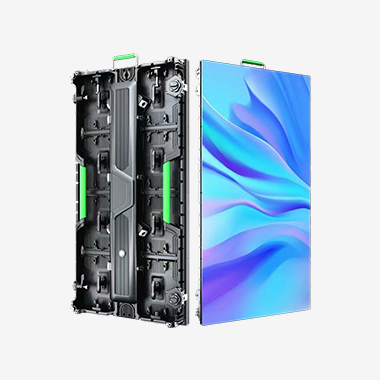
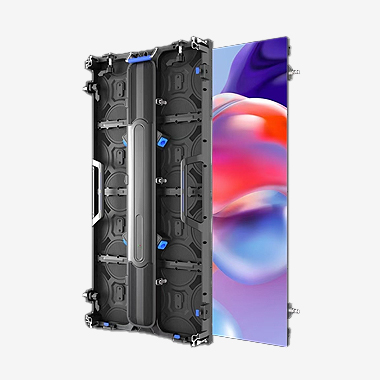
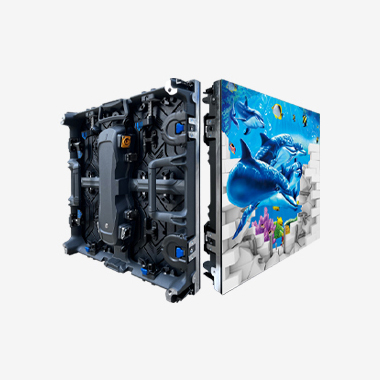
Frame and Housing Fabrication: The frame and housing of the portable LED poster display screen are fabricated using lightweight yet durable materials. Aluminum alloy frames are popular due to their strength, corrosion resistance, and low weight. The frame is designed to provide structural support for the LED panel and protect the internal components. It is often engineered with precision - cut joints and locking mechanisms to ensure a secure and stable assembly. The housing, which encloses the frame and LED panel, is made of high - strength plastics or other impact - resistant materials. It is designed to be sleek and aesthetically pleasing, while also providing easy access to the screen's control buttons, ports, and battery compartment (if applicable).
Electrical and Control System Integration: Once the LED panel and frame are ready, the electrical and control systems are integrated into the display screen. The electrical system includes power supply units, wiring, and circuit breakers, which are responsible for providing the necessary electrical current to the LED panel. In battery - powered models, the battery management system is also integrated, ensuring safe and efficient charging and discharging of the battery. The control system consists of a media player, control cards, and software. The media player can play various content formats, while the control cards and software enable the operator to adjust settings such as brightness, color, and image layout, and to schedule the playback of content. All electrical components are carefully installed and wired within the frame and housing, with proper insulation and protection to prevent electrical hazards.
Testing and Quality Assurance: Before the portable LED poster display screen is ready for use at an event, it undergoes rigorous testing and quality assurance procedures. This includes testing the functionality of the LED panel, checking the electrical connections for any faults, and calibrating the color and brightness of the display. The screen is also tested with different types of content to ensure that it can handle various media formats without any issues. Additionally, the portability features, such as folding mechanisms and handles, are tested for durability and ease of use. Battery - powered models are tested for battery life and charging performance. Any defects or malfunctions identified during the testing process are promptly addressed to ensure that the final product meets the highest quality standards and performs reliably at events.
The operation of portable LED poster display screens for events is based on the principles of LED technology, digital signal processing, and display control systems, which work in harmony to create engaging visual displays that effectively communicate event - related information.
LED Technology
At the heart of a portable LED poster display screen are the light - emitting diodes (LEDs). LEDs are semiconductor devices that emit light when an electric current passes through them. In a color LED display, a combination of red, green, and blue (RGB) LEDs is used to generate a wide spectrum of colors. Each pixel on the display screen is typically composed of multiple RGB LED chips, which work together to produce different hues and shades.
When an electric current is applied to an LED, electrons in the semiconductor material are excited from the valence band to the conduction band. As these excited electrons return to their original energy levels, they release energy in the form of photons, resulting in the emission of light. The color of the light emitted by an LED depends on the energy bandgap of the semiconductor material. By precisely controlling the intensity of the current flowing through each RGB LED chip within a pixel, the display screen can achieve accurate color reproduction. For example, to display a bright yellow color, the red and green LEDs within the pixel are illuminated with specific intensities, while the blue LED remains at a low intensity or is turned off. Through this combination of red, green, and blue light at different intensities, the portable LED poster display screen can create a vast array of colors, enabling the vivid and realistic display of images, videos, and text.
Digital Signal Processing
To display the desired content on the portable LED poster display screen, digital signal processing techniques are employed. The content, such as event promotional images, videos, or schedules, is first created and processed using specialized software on a computer or a media server. This initial processing involves tasks such as encoding the content into a suitable format, adjusting the resolution and frame rate to match the capabilities of the display screen, and adding any necessary effects or transitions.
The processed digital signal is then transmitted to the control system of the display screen. The control system divides the image or video into individual pixels and sends specific signals to each LED panel, specifying the intensity of the red, green, and blue LEDs for each pixel. These signals are transmitted through a network of cables or wireless communication protocols, depending on the design of the display system. The LED panels receive the signals and adjust the brightness of their respective RGB LEDs accordingly, creating the desired image or video on the display screen. For example, when displaying a video of an event highlight, the control system continuously receives the video signals, processes them, and sends the appropriate control signals to the LED panels to display each frame of the video in sequence, resulting in smooth and seamless playback.
Display Control Systems
Display control systems play a crucial role in the operation of portable LED poster display screens. The control system typically consists of a control console, software, and control cards. The control console is the interface used by the event organizer or operator to manage and control the display screen. Operators can use the console to upload new content, schedule the playback of different advertisements or event information, and adjust the settings of the display screen, such as brightness, contrast, and color.
The software provides the functionality for content management, including the ability to create playlists, edit graphics, and add special effects. It allows event organizers to organize their event - related content effectively, ensuring that the most relevant and engaging information is displayed at the right times. For example, the software can be used to schedule the display of event schedules during specific time slots or to show promotional videos during peak attendee traffic. The control cards are responsible for receiving the control signals from the software and converting them into electrical signals that can be used to control the LED panels. They ensure that the LED panels receive the correct signals at the right time, allowing for the seamless display of content on the screen and enabling real - time updates and changes to the displayed information as needed.
Advantages
High Mobility and Flexibility: The most significant advantage of portable LED poster display screens is their high mobility and flexibility. They can be easily transported and set up at different event locations, allowing event organizers to quickly adapt to changing event requirements. Whether it's moving the screen from one exhibition booth to another or repositioning it within a venue to target a different audience, the portability of these screens offers unparalleled convenience. Additionally, the ability to update the content easily means that event organizers can customize the display to suit different stages of the event or to promote different products or services as needed.
Enhanced Visual Appeal: Portable LED poster display screens offer a much higher visual appeal compared to traditional printed posters. The bright, vivid colors, high - resolution images, and dynamic content capabilities of LED displays make them more eye - catching and engaging. They can effectively capture the attention of event attendees, even in crowded and noisy environments. For example, at a trade show, a portable LED poster screen displaying a high - definition video of a new product can attract more visitors to a booth compared to a static printed poster. The ability to display moving images and animations also adds an extra layer of interactivity and interest, making the content more memorable.
Cost - Effective and Sustainable: While the initial investment in portable LED poster display screens may be higher than that of traditional printed posters, they offer long - term cost savings. These screens can be reused for multiple events, eliminating the need to print new posters for each event. This not only reduces printing costs but also contributes to a more sustainable approach by minimizing paper waste. Additionally, the energy - efficient LED technology used in these screens helps to keep operating costs low, especially in battery - powered models where power consumption is a key consideration.
Efficient Information Dissemination: Portable LED poster display screens are highly effective for disseminating information at events. They can display a wide range of content, including event schedules, speaker bios, product details, and promotional offers, in a clear and concise manner. The ability to update the content in real - time ensures that attendees have access to the most current information. For example, if there is a last - minute change to the event schedule, the information can be quickly updated on the LED poster screen, ensuring that all attendees are informed promptly.
Challenges
Limited Battery Life: One of the major challenges with portable LED poster display screens, especially those with built - in batteries, is limited battery life. Depending on the screen size, resolution, and brightness settings, the battery may only last for a few hours of continuous operation. This can be a significant limitation for events that require the screen to be operational for an extended period, such as all - day conferences or multi - day festivals. Event organizers need to plan carefully and ensure that they have access to power sources for recharging the battery or consider using alternative power solutions, such as portable power banks or generators.
Technical Complexity: Operating and maintaining portable LED poster display screens can be technically challenging, especially for those without a technical background. Setting up the screen, connecting it to power sources or content devices, and troubleshooting any technical issues that may arise require a certain level of technical knowledge. Additionally, the software used for content management may have a learning curve, and event organizers need to ensure that they are proficient in using it to update and manage the displayed content effectively.
Content Creation and Management: Creating high - quality content for portable LED poster display screens can be a time - consuming and resource - intensive task. It requires a combination of creative skills, such as graphic design and video editing, and an understanding of the screen's capabilities and limitations. Event organizers need to ensure that the content is visually appealing, relevant to the event, and optimized for the screen's size and resolution. Managing the content schedule and ensuring that the right content is displayed at the right time also requires careful planning and organization.
Durability in Harsh Environments: While portable LED poster display screens are designed to be durable, they may still face challenges in harsh event environments. Exposure to dust, moisture, extreme temperatures, and physical impacts can potentially damage the screen or affect its performance. Event organizers need to take appropriate precautions, such as using protective covers or enclosures, to ensure that the screen remains in good working condition throughout the event.
Applications
Community and Cultural Events: Community and cultural events, such as art exhibitions, food festivals, and local fairs, also benefit from the use of portable LED poster display screens. They can be used to promote the event, display information about the participating artists, vendors, or performers, and provide directions and maps within the event venue. These screens can also showcase user - generated content, like photos and videos from previous editions of the event, fostering a sense of community and engagement. For instance, at a local art exhibition, the portable LED poster display can highlight featured artists' works, display their bios, and even stream live demonstrations, attracting more visitors and enhancing the overall cultural experience.
Educational Events: In educational events, including seminars, workshops, and academic conferences, portable LED poster display screens serve as effective communication tools. They can display course schedules, presenter profiles, key concepts, and learning materials. For example, in a science workshop for students, the screen can showcase animated explanations of complex scientific theories, real - time data visualizations, and links to additional educational resources. This interactive and dynamic display of information helps to capture the attention of the audience, making the learning experience more engaging and memorable.
Future Trends
Enhanced Portability and Miniaturization: The future of portable LED poster display screens will see a continued focus on enhanced portability and miniaturization. As technology advances, manufacturers will develop thinner, lighter, and more compact screens without sacrificing display quality. Flexible and foldable screen technologies will become more refined, allowing the screens to be rolled up or folded into even smaller sizes, similar to a sheet of paper. This will make them incredibly easy to carry, store, and transport, enabling event organizers to set up displays quickly and efficiently in any location, whether it's a small pop - up event or a large - scale international conference.
Advanced Interactive Features: Interactive capabilities of portable LED poster display screens will be significantly enhanced. Future models may incorporate touch - free gesture control, eye - tracking technology, and voice - activated interfaces. For example, attendees at an event could simply wave their hand in front of the screen to navigate through different content sections, or use voice commands to request specific information. Augmented reality (AR) and virtual reality (VR) integrations will also become more common, allowing users to interact with 3D models of products, explore virtual event spaces, or view additional information overlaid on the real - world environment through their mobile devices or AR glasses. These advanced interactive features will transform the way audiences engage with the content, making the event experience more immersive and personalized.
Smart and Connected Displays: Portable LED poster display screens will increasingly become part of the Internet of Things (IoT) ecosystem. They will be able to connect to other smart devices at the event, such as smart lighting systems, temperature sensors, and security cameras, to create a more integrated and intelligent event environment. Through IoT connectivity, the screens can receive real - time data, such as attendee traffic patterns, and adjust the displayed content accordingly. For example, if a particular area of the event venue has a high concentration of visitors, the nearby portable LED poster display screens can showcase relevant promotions or information to attract and guide the crowd. Additionally, these smart displays can be remotely managed and updated from a central control system, providing event organizers with greater flexibility and convenience in content management.
Sustainable and Energy - Efficient Innovations: With the growing emphasis on environmental sustainability, future portable LED poster display screens will incorporate more sustainable and energy - efficient features. Solar - powered and kinetic - energy - harvesting technologies will become more prevalent, enabling the screens to operate without relying solely on traditional power sources. Improved power - management systems will optimize energy consumption, adjusting the screen's brightness, refresh rate, and other settings based on ambient light conditions and usage patterns. Moreover, the use of recycled and biodegradable materials in the manufacturing of the screens will reduce their environmental impact, aligning with the eco - friendly goals of modern event management.
Conclusion
Portable LED poster display screens have emerged as a game - changing solution in the realm of event management, offering a plethora of benefits that enhance the effectiveness of event communication and promotion. Their portability, flexibility, and high - impact visual capabilities have made them an indispensable asset across various types of events, from corporate functions to community gatherings.
Despite the challenges posed by limited battery life, technical complexity, content creation requirements, and durability concerns, the continuous evolution of technology is steadily addressing these issues. As we look towards the future, the anticipated advancements in portability, interactivity, connectivity, and sustainability will further elevate the capabilities of portable LED poster display screens.
These future - facing developments will not only enable event organizers to create more engaging, efficient, and environmentally friendly event experiences but also open up new possibilities for creative expression and audience interaction. Portable LED poster display screens are set to play an increasingly pivotal role in shaping the future of event management, where the seamless integration of technology and visual communication will redefine how events are planned, executed, and experienced.


Copyright © 2026 Shenzhen Cogo Technology Co.,Ltd.
All Rights Reserved

 Previous article