




 Chat Now
In the fiercely competitive landscape of modern marketing, where capturing consumer attention is the ultimate currency, outdoor commercial LED display panels have emerged as a preeminent tool for building and projecting brand identity. These are not merely billboards; they are dynamic, luminous canvases strategically deployed in high-traffic public spaces to create powerful, unforgettable brand experiences. Unlike traditional static advertising, which announces a product, outdoor LED branding communicates a brand's essence—its energy, innovation, and market presence—through the mesmerizing language of light, motion, and scale.
An outdoor commercial LED display panel for branding is a high-brightness, weatherproof digital signage system designed for permanent installation. Its primary function transcends simple advertisement; it is a strategic asset for brand building. It serves as a 24/7 ambassador in the physical world, delivering a brand's narrative with a vibrancy and flexibility that static media cannot match. This capability is crucial in an era where brands must not only be seen but also felt and remembered.
The evolution of this medium is a story of marketing meeting technology. The shift from print to digital out-of-home (DOOH) advertising represents one of the most significant changes in the industry. Brands are no longer limited to a single message for weeks on end. They can now run coordinated, multi-faceted campaigns that change by the hour, react to real-world events, and speak directly to a specific audience at a specific time of day. This dynamism is what makes LED technology so potent for branding—it allows a brand to behave less like a monument and more like a living entity.
Key characteristics that define these panels for branding purposes include:
Unmissable Visual Dominance: Their scale and extreme brightness (6,000+ nits) ensure dominance in the visual field, forcing the brand into the public's consciousness.
Content Agility: The power to instantly change messaging allows for storytelling, serialized campaigns, and real-time marketing that keeps the brand relevant and top-of-mind.
Premium Perceived Value: A brand presented on a massive, high-tech digital canvas is perceived as successful, innovative, and a market leader. This "halo effect" enhances brand equity and consumer trust.
Environmental Integration: These displays are increasingly integrated into architectural landscapes, becoming landmarks themselves—like the iconic displays in Times Square or Piccadilly Circus—where the medium and the brand message become synonymous with the location.
From a corporate headquarters showcasing its global reach to a retail brand creating urgency with a limited-time offer, the outdoor commercial LED display is the modern-day town crier, but one that speaks in full color, high definition, and with unparalleled persuasive power. It has redefined what it means to build a brand in the public sphere, turning cityscapes into immersive brand galleries.
The design and construction of an LED panel for commercial branding are a meticulous exercise in balancing aesthetic performance with brutal environmental endurance. Every component is engineered to achieve one goal: to present a brand's image with flawless, brilliant clarity, 24 hours a day, 365 days a year, regardless of the weather. It is a marriage of optical precision and rugged industrial design.
1. The Optical Heart: Achieving Brand Color Fidelity
For branding, color accuracy is non-negotiable. A brand's signature color (e.g., Coca-Cola red, Tiffany blue) must be reproduced with absolute consistency.
High-Fidelity LEDs: The panels use premium SMD (Surface-Mounted Device) LEDs that offer a wide color gamut, often exceeding standard color spaces like Rec. 709 to cover more of DCI-P3. This ensures rich, saturated, and accurate colors that are true to the brand's identity.
Bin Sorting and Calibration: LEDs are meticulously sorted into precise "bins" based on their luminosity and wavelength characteristics. After assembly, each module undergoes a factory calibration process where a spectroradiometer measures its output. Correction coefficients are generated and stored on a chip on the module. This ensures that every module in a vast display, even from different production batches, displays the exact same shade of color, maintaining a seamless and brand-accurate image.
2. The Cabinet: Durability and Seamlessness
The cabinet is the rugged shell that protects the delicate optics.
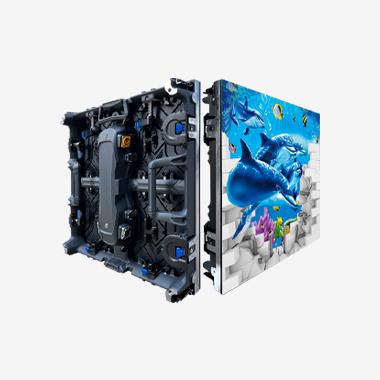
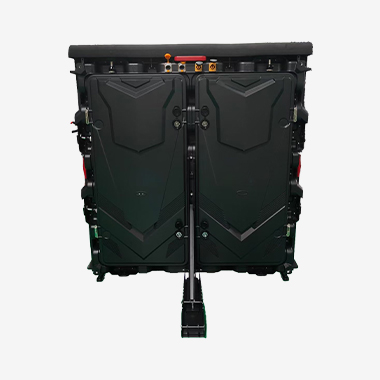
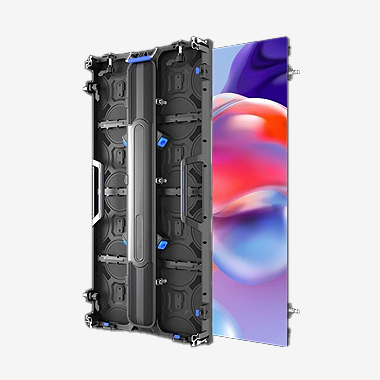
Die-Cast Aluminum Construction: Cabinets are typically forged from die-cast aluminum. This material provides an exceptional strength-to-weight ratio, crucial for structural integrity when panels are assembled into large walls high atop buildings. Its excellent thermal conductivity also allows the entire cabinet to act as a giant heat sink.
IP65 Rating - The Standard for Branding: An IP65 rating is essential. It guarantees complete protection against dust ingress and low-pressure water jets from any direction. This is achieved through custom-molded silicone gaskets that seal the front and back of the cabinet and specialized waterproof connectors for all data and power links. For a brand, this reliability is paramount; a failed display is more than downtime—it's a public-facing technical failure that can damage brand perception.
Seamless Alignment: Branding demands a pristine canvas. Cabinets feature precision-machined locating pins and tool-less locking mechanisms that ensure perfect alignment during assembly. This creates a perfectly flat viewing surface with no visible gaps or misalignments that could disrupt the visual message.
3. Thermal Management: Preserving Brand Integrity
Heat is the enemy of both LED lifespan and color stability.
Passive Convection Cooling: Unlike indoor displays, outdoor units cannot use fans (which would violate the IP rating and attract dust). Instead, they rely on sophisticated passive cooling. The aluminum cabinet draws heat away from the LEDs and drivers. Vents with labyrinthine channels or breathable membranes (like ePTFE) are designed at the top and bottom to allow hot air to rise out and draw cool air in, all while completely blocking water and dust—a principle known as "breathing without breathing."
4. Advanced Features for Brand Impact
High Refresh Rate: To ensure smooth video playback and eliminate any flickering or scanning lines when photographed or filmed—a critical feature for user-generated social media content that extends brand reach—these panels use high-performance driver ICs with refresh rates often exceeding 3840Hz.
HDR Compatibility: High Dynamic Range processing allows the display to show a wider range of luminosity, from deeper blacks to brighter whites. This adds a layer of depth and realism to content, making it more visually compelling and emotionally engaging for the audience.
In essence, the construction of a branding LED panel is a promise of quality and reliability. It is engineered to be an invisible, flawless window for the brand's message. The technology itself recedes into the background, allowing the brand's story to take center stage in the most vivid and dependable way possible.
The operation of an outdoor commercial LED display is a sophisticated symphony of data management, environmental adaptation, and precise electronic control, all orchestrated to serve a single master: the integrity of the brand's message. Its working principles ensure that this message is delivered not just loudly, but also intelligently, reliably, and with pinpoint accuracy.
1. The Core Visual Engine: Precision Pulse-Width Modulation (PWM)
At the pixel level, the display creates its image through additive color mixing controlled by Pulse-Width Modulation (PWM). Driver Integrated Circuits (ICs) rapidly switch each red, green, and blue LED on and off thousands of times per second. The human eye perceives this as a steady light. The ratio of on-time to off-time (the duty cycle) dictates the perceived intensity of each color. By independently and precisely controlling the duty cycle for all three colors in a pixel, the display can generate millions of distinct shades. For branding, the precision of this control is paramount to maintaining color accuracy and smooth gradients.
2. The Content Pipeline: From Brand Manager to Public Display
The journey of a brand's video asset to the public screen is a managed, secure process:
Centralized Management: Content is created and scheduled through a cloud-based Content Management System (CMS). This platform allows brand managers or their agencies to upload videos, images, and playlists, and schedule them down to the minute for dayparting (e.g., coffee ads in the morning, restaurant ads in the evening).
Secure Transmission: The CMS encrypts and pushes the scheduled content over the internet (via fiber, Ethernet, or cellular networks) to an on-site media player or controller connected to the display.
Video Processing and Calibration: This is the most critical step for branding. The video processor performs two key functions:
Scaling: It maps the input video signal to the native, non-standard resolution of the LED wall.
Real-Time Calibration: It applies the unique calibration data for every single module in the display. This process actively corrects the output signal for each pixel to compensate for minor variations in the LEDs, ensuring the brand's colors are displayed with absolute uniformity across the entire screen. This is what makes a massive wall behave as a single, coherent canvas.
3. Environmental Intelligence and Adaptation
A key working principle is its ability to interact with its environment to optimize performance and efficiency.
Ambient Light Sensors: These sensors continuously measure the surrounding light levels. The control system uses this data to automatically adjust the screen's brightness. It ramps up to maximum intensity (e.g., 8,000 nits) under the harsh midday sun to ensure visibility and dials it down significantly after dark. This saves substantial energy, reduces light pollution, and ensures compliance with local ordinances, all while maintaining optimal visibility.
Thermal Monitoring: Internal temperature sensors monitor the health of the system. If components overheat, the system can proactively and slightly reduce brightness to cool down, preventing damage and ensuring long-term reliability—protecting the brand's investment.
4. Remote Monitoring and Diagnostics: Protecting Brand Uptime
The display is never truly offline. It maintains a constant "heartbeat" connection to a Network Operations Center (NOC).
Real-Time Health Dashboards: Technicians can remotely monitor the status of every cabinet, tracking power usage, temperature, and online status.
Proactive Alerts: The system can send automatic alerts for issues like a failed power supply, a drop in performance, or a cluster of dead pixels. This allows for proactive maintenance, often before the issue is even visible to the public, ensuring the brand's message is always on and flawless.
In summary, the working principle is one of intelligent, automated perfection. It transforms a raw video file into a pristine public spectacle, all while self-regulating, self-monitoring, and adapting to ensure the brand is always presented in the best possible light, both literally and figuratively.
The decision to invest in outdoor LED branding is significant. While the advantages offer transformative potential for brand building, they are counterbalanced by a set of formidable challenges that require strategic foresight and expert management.
Advantages:
Supreme Brand Impact and Awareness: The combination of large scale, bright light, and dynamic motion creates an unignorable presence. It commands attention in a way static media cannot, dramatically increasing brand recall and top-of-mind awareness. A well-placed display becomes a landmark associated with the brand.
Unparalleled Message Flexibility and Timeliness: This is the killer advantage. Brands can change their messaging instantly across a network of screens. This enables:
Real-Time Marketing: Launching instant campaigns tied to live events, social trends, or even weather conditions.
Dayparting: Targeting commuters in the morning, shoppers in the afternoon, and entertainment seekers in the evening with tailored messages.
Storytelling: Running serialized content or multi-part narratives over days or weeks.
Enhanced Brand Perception and Equity: Advertising on a premium, high-tech medium projects an image of innovation, success, and financial strength. It creates a "halo effect," making consumers perceive the brand as a leader in its category.
High Engagement Through Video: Motion is inherently more engaging than static imagery. The ability to broadcast high-quality video content allows brands to evoke emotion, demonstrate products in action, and create a deeper emotional connection with their audience.
Potential for Higher Advertising Yield: For media owners (or brands that own their own display), the digital canvas can be partitioned and sold to multiple advertisers, generating significantly more revenue from a single location than a static billboard ever could.
Durability and Long-Term Value: Built for 24/7 operation, these displays offer a long lifespan and reliable performance, providing years of continuous service and representing a long-term asset for brand building.
Challenges:
Very High Capital Investment: The upfront cost is substantial, encompassing the display hardware, structural support, electrical installation, video processing equipment, and often significant civil engineering work.
Substantial Operational Expenses: The largest ongoing cost is electricity consumption. A large display can have a power load equivalent to dozens of homes, leading to high utility bills. Maintenance contracts also represent a recurring cost.
Complex Regulatory and Permitting Landscape: Navigating local government regulations is a major hurdle. Concerns include:
Light Pollution: Strict rules often govern brightness levels, particularly at night.
Driver Distraction: Displays near roads face intense scrutiny and may be prohibited or heavily restricted.
Zoning and Aesthetics: Obtaining a permit can be a lengthy, expensive, and uncertain process fraught with public hearings and community opposition.
Content Production Burden: The need for a constant stream of high-quality, video-optimized content is a significant shift from static design. Brands must invest more heavily in content creation to avoid repetitive or stale loops that can diminish impact.
Technical Management and Maintenance Complexity: Operating a network of complex electronic systems requires specialized expertise. While reliable, failures can and do happen. Repairing displays, especially those in difficult-to-access locations, requires skilled technicians and can be costly and time-consuming.
Risk of Public Backlash: If not managed sensitively, a bright display can become a source of community annoyance, leading to negative press and brand association with light pollution and visual clutter.
In conclusion, the advantages of outdoor LED displays for branding are profound, offering a level of impact and agility that is unmatched. However, the challenges are significant and are primarily financial, regulatory, and operational. Success requires a long-term strategic commitment, a deep understanding of the local regulatory environment, and a commitment to creating excellent, dynamic content that justifies the medium's potential.
The application of LED technology for branding has exploded beyond the traditional billboard, creating new avenues for audience engagement. Simultaneously, emerging trends are set to deepen this engagement, making displays more interactive, intelligent, and integrated into the fabric of daily life.
Applications:
Corporate Branding and Headquarters: Large-format displays on the façades of corporate HQs serve as powerful symbols of innovation and stature. They are used to display company values, stock performance, brand campaigns, and to welcome visitors, turning the building itself into a statement of brand identity.
Retail and Point-of-Sale Advertising: Used on shopping malls, flagship stores, and auto dealerships. They create excitement, promote immediate sales and offers, and showcase products in high definition to influence consumers at the critical point of purchase decision.
Digital Billboards and Spectaculars: The classic application. Located in high-traffic urban areas and along highways, they provide massive reach for brand awareness campaigns for everything from consumer goods to entertainment and tourism.
Stadiums and Arena Branding: Beyond scoreboards, brands sponsor entire ribbon boards or corner displays within sports venues. This associates the brand with the passion and excitement of live events and provides exposure to a captive, engaged audience.
Experiential and Event Branding: Brands use mobile or temporary LED installations at festivals, product launches, and pop-up events to create immersive environments, interactive games, and social media backdrops, generating buzz and direct engagement.
Public Transportation Hubs: Advertising in airports, train stations, and bus terminals targets a captive audience of travelers with high disposable income, ideal for luxury brands, tourism, and business services.
Future Trends:
Hyper-Contextual Advertising with AI and Data Integration: The future is predictive and contextual. Displays will use AI to analyze real-time data feeds (e.g., weather, traffic, news, social media trends) to select and display the most relevant ad creative automatically. For example, a sports drink ad could appear during a heatwave.
Programmatic DOOH (pDOOH): Advertising space will be bought and sold in real-time, automated auctions, much like online digital advertising today. This will allow for unprecedented targeting and efficiency, enabling brands to reach specific audiences at specific times programmatically.
Interactivity and Personalization: Displays will become two-way communication channels.
Mobile Integration: Viewers will be able to interact with the display using their smartphones—downloading coupons, entering contests, or getting more information—bridging the gap between outdoor advertising and direct action.
Gesture Control: Cameras will allow users to interact with content through gestures, creating memorable experiential marketing moments.
Transparent and Flexible LED Technology: Transparent LED films will allow for digital displays to be integrated into store windows without blocking the view inside. Flexible modules will enable curved, wave-like, and organic shapes, moving beyond flat screens and allowing for more creative architectural integration.
Sustainability as a Core Feature: Energy efficiency will be a major driver.
Improved Efficiency: LEDs and drivers will continue to become more efficient, reducing operational costs and environmental impact.
Adaptive Brightness: Smarter sensors will optimize brightness more precisely.
Solar Integration: Displays will increasingly incorporate solar panels to offset their energy consumption, a powerful branding story in itself for eco-conscious companies.
Photorealistic and 3D Holographic Effects: Advances in high refresh rates and content creation will make glasses-free 3D and holographic effects more robust and accessible. This will create stunningly realistic and immersive brand experiences that are impossible to ignore.
The future of outdoor LED branding is one of intelligence and connection. Displays will evolve from being broadcast towers into smart, responsive nodes in the urban environment. They will deliver personalized, context-aware messages that feel less like advertising and more like a valuable or entertaining service, deepening the relationship between brand and consumer.
Conclusion
The outdoor commercial LED display panel has firmly established itself as a cornerstone of 21st-century brand building. It has successfully transitioned from a novel technological spectacle to an indispensable medium for establishing presence, communicating values, and engaging with the public on a grand scale. Its ability to combine the impact of mass reach with the agility of digital media makes it uniquely powerful in a marketer's toolkit.
Its value proposition is clear and compelling. By offering unmatched scale, brilliant visibility, and unparalleled flexibility, it provides a platform for brands to tell their stories with an emotional resonance and memorability that static media cannot achieve. It transforms brand communication from a monologue into a dynamic, ever-changing narrative that can adapt to the moment, the audience, and the cultural context.
However, its power demands responsibility. The future of this medium hinges on its harmonious integration into the urban environment. This requires a concerted effort from brands, media owners, and technology providers to address challenges related to energy consumption, light pollution, and community aesthetics. The path forward is through smarter, more efficient technology and respectful, regulation-conscious placement and operation.
Looking ahead, the trajectory points toward a more intelligent and interactive future. The convergence of AI, data analytics, and advanced display technology will usher in an era of hyper-contextual branding. Displays will become sensitive to their environment, serving messages that are not only timely but also genuinely useful or entertaining to the audience. This evolution will elevate the medium from an advertising channel to a valuable urban utility.
In conclusion, the outdoor commercial LED display is more than just a panel of lights; it is a luminous pillar of modern brand identity. It is a testament to a brand's ambition, its innovative spirit, and its commitment to capturing the public's imagination. As technology continues to advance, its role will only become more sophisticated and integrated, ensuring that it remains at the forefront of how brands announce themselves to the world, leaving a bright and lasting impression in the physical spaces we all share.


Copyright © 2026 Shenzhen Cogo Technology Co.,Ltd.
All Rights Reserved

 Previous article