




 Chat Now
In the fast-paced world of advertising, capturing the attention of busy pedestrians and motorists requires bold, dynamic, and highly visible solutions. Outdoor advertising LED display panels have emerged as the gold standard for this purpose, revolutionizing how brands communicate with audiences in public spaces. Unlike indoor LED displays or traditional static billboards, these panels are engineered to thrive in harsh outdoor environments—withstanding rain, extreme temperatures, and direct sunlight—while delivering vibrant, high-impact content that cuts through the visual clutter of city streets, highways, and public plazas.
At their core, outdoor advertising LED display panels are large-format, self-illuminating display systems composed of thousands of light-emitting diodes (LEDs) arranged in dense pixel arrays. Their defining features include high brightness (typically 5,000 to 10,000 nits) to overcome sunlight glare, weather-resistant construction (IP65 or higher ratings) to protect against rain, dust, and humidity, and wide viewing angles (160°+ horizontal and vertical) to ensure visibility from multiple perspectives—critical for reaching diverse audiences in busy outdoor settings. Resolutions vary based on viewing distance: highway billboards may use larger pixel pitches (P10 to P20) for long-distance visibility, while urban street displays opt for smaller pitches (P4 to P8) to deliver sharp content for pedestrians and nearby motorists.
The global outdoor advertising LED display market has experienced robust growth in recent years, driven by the shift from static to digital advertising. According to industry reports, the market is projected to grow at a CAGR of over 13% through 2030, fueled by increasing demand from brands for real-time content updates, interactive campaigns, and data-driven advertising. Unlike static billboards, which require costly and time-consuming physical replacements, outdoor LED panels allow brands to update content in minutes—via cloud-based platforms or remote controls—enabling them to respond to trends, promotions, or even weather conditions in real time. For example, a beverage brand can switch from a summer iced drink ad to a hot coffee promotion as temperatures drop, maximizing the relevance of its messaging.
Key use cases for outdoor advertising LED display panels span urban and rural settings alike. Highway billboards use large-format panels (often 10m x 5m or larger) to target motorists with brief, eye-catching ads. Urban street-level displays (mounted on building facades or bus shelters) deliver more detailed content—such as local store promotions, event announcements, or public service messages—to pedestrians and cyclists. Shopping mall exteriors and airport parking lots use medium-sized panels to attract shoppers and travelers, while sports stadium exteriors leverage them to promote upcoming games or sponsor messages. These panels also play a role in smart city initiatives, doubling as public information boards during emergencies (e.g., displaying evacuation routes during natural disasters) when not used for advertising.
Notably, outdoor advertising LED panels are not a one-size-fits-all solution. They are highly customizable in terms of size, shape, and functionality: curved panels conform to building facades, transparent models maintain visibility of the structure behind them, and interactive panels (with touch or gesture control) engage pedestrians directly. As technology advances, these panels are becoming more energy-efficient and sustainable, with features like solar integration and adaptive brightness that reduce their environmental impact. In essence, outdoor advertising LED display panels represent a fusion of technology and marketing, offering brands an unparalleled way to connect with audiences in the spaces where they live, work, and travel.
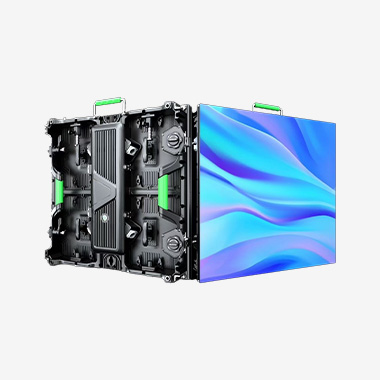
The design and construction of outdoor advertising LED display panels are a meticulous engineering feat, tailored to withstand the harshest outdoor conditions while delivering consistent, high-impact visuals. Every component—from the LED chips to the cabinet structure—is optimized to balance three critical priorities: weather resistance, high brightness performance, and long-term durability. Unlike indoor panels, which focus primarily on resolution and color accuracy, outdoor models must address unique challenges like extreme temperatures, heavy rain, UV radiation, and vandalism—all while ensuring content remains visible and engaging for passersby.
At the heart of the panel’s design is the LED chip and pixel structure. To achieve the high brightness (5,000-10,000 nits) needed to cut through sunlight, manufacturers use high-luminance LED chips—typically based on gallium nitride (GaN) technology—which emit more light per watt than standard indoor chips. These chips are arranged in red-green-blue (RGB) trios to form individual pixels, with pixel pitch varying based on the intended viewing distance: P10-P20 for highway billboards (viewed from 50+ meters), P4-P8 for street-level displays (viewed from 5-20 meters). The pixel structure also includes a protective encapsulant—usually a high-transmittance, UV-resistant silicone—to shield the chips from dust, moisture, and physical damage. For added durability, some models use “flip-chip” LEDs, which have no wire bonds (a common point of failure in outdoor environments) and offer better heat dissipation.
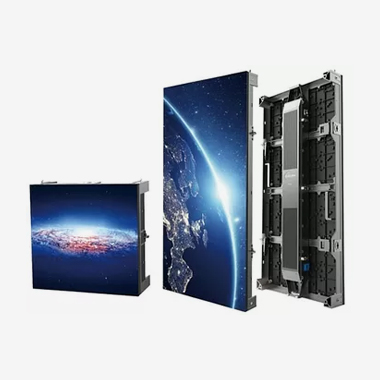
The panel cabinet and housing are engineered for maximum weather resistance and structural integrity. Cabinets are typically made of corrosion-resistant materials like aluminum alloy or stainless steel, which withstand rain, saltwater (for coastal areas), and UV radiation without rusting or warping. The cabinet design includes a seamless, waterproof seal (using EPDM rubber gaskets) around all edges and ports, ensuring an IP65 or higher ingress protection rating—meaning the panel is dust-tight and protected against low-pressure water jets (e.g., heavy rain). For large-format panels, the cabinet is reinforced with internal support beams to prevent bending under wind loads (up to 150km/h for highway installations) or snow accumulation. The front of the panel is protected by a thick, scratch-resistant tempered glass (4-6mm thick) or polycarbonate sheet, which shields the LED chips from vandalism (e.g., graffiti, impacts) while maintaining high light transmission (90%+).
Heat dissipation systems are critical for maintaining performance in extreme temperatures. Outdoor LED panels generate significant heat due to their high brightness—operating at 8,000 nits can raise internal temperatures to 60°C or higher—and excess heat can degrade LED performance (reducing brightness over time) or cause premature failure. To address this, manufacturers integrate advanced cooling systems:
Passive cooling: For moderate climates, cabinets feature heat-dissipating backplates with ribbed structures that increase surface area for heat transfer. Some models also use phase-change materials (PCMs) that absorb heat and release it slowly, stabilizing internal temperatures.
Active cooling: For hot climates (e.g., deserts), panels include axial fans or heat pipes. Fans circulate cool air through the cabinet, while heat pipes transfer heat from the LED chips to external heat sinks. Some high-end models use liquid cooling systems, which are more efficient than fans and operate quietly—critical for urban areas where noise pollution is a concern.
Power supply and electrical systems are designed for reliability and energy efficiency. Outdoor LED panels use high-voltage AC power supplies (110V/220V) that can handle voltage fluctuations common in outdoor electrical grids. The power supply includes surge protection (up to 6kV) to shield the panel from lightning strikes or power surges—a common risk in open outdoor spaces. For energy savings, many models include adaptive brightness sensors that adjust output based on ambient light: increasing brightness during midday sunlight and reducing it at dusk or night, cutting energy consumption by up to 40%. Some panels also integrate solar panels on the cabinet’s top or sides, allowing them to operate partially or fully on renewable energy—aligning with sustainability goals for brands and cities.
Mounting systems are tailored to the installation location and panel size. Common mounting options include:
Wall-mounted: For building facades, panels are attached to heavy-duty brackets that distribute weight evenly across the structure. These brackets include adjustment mechanisms for fine-tuning the panel’s angle to maximize visibility.
Pole-mounted: For highway billboards or standalone displays, panels are mounted on steel poles with reinforced bases to withstand wind and seismic activity.
Roof-mounted: For urban high-rises, panels are installed on roof brackets with wind deflectors to reduce wind load.
Mounting systems also include access platforms or ladders for maintenance, as outdoor panels require regular cleaning (to remove dust, bird droppings, or graffiti) and inspections.
Finally, the control and connectivity module is integrated into the cabinet to enable remote content management. Panels support wired (Ethernet, fiber optic) and wireless (4G/5G, Wi-Fi) connectivity, allowing brands to update content from anywhere via a cloud-based platform. The control module includes a built-in media player that supports common video formats (MP4, AVI) and scheduling tools—enabling brands to pre-program content rotations (e.g., 30-second ads for multiple brands). It also includes remote diagnostic tools that monitor the panel’s performance (e.g., LED health, temperature, power usage) and alert maintenance teams to issues before they cause downtime.
In summary, the design and construction of outdoor advertising LED display panels are a synthesis of durability, performance, and practicality. Every component is optimized to ensure the panel thrives in outdoor environments while delivering the high-quality visuals and flexibility that make it a powerful advertising tool.
Outdoor advertising LED display panels operate on a set of core principles that enable them to deliver bright, weather-resistant visuals while adapting to the dynamic conditions of outdoor environments. Unlike indoor panels, which focus on color accuracy and resolution, outdoor models prioritize visibility in sunlight, durability in harsh weather, and energy efficiency for 24/7 operation. Understanding these principles reveals how they overcome the unique challenges of outdoor advertising—from glare and heat to weather damage—while delivering impactful content to diverse audiences.
At the most fundamental level, the operation of high-luminance LED chips drives the panel’s ability to cut through sunlight. Each LED chip in the panel is a semiconductor device that emits light when an electric current passes through it. For outdoor use, these chips are specifically designed for high brightness: using gallium nitride (GaN) materials, they can produce 50-200 lumens per chip—far more than the 5-20 lumens of indoor chips. The chips are arranged in RGB trios (one red, one green, one blue) to form individual pixels. By adjusting the current supplied to each RGB trio, the panel can produce millions of colors: increasing current boosts brightness, while varying the ratio of red, green, and blue light creates different hues. This precise control allows the panel to display vibrant, eye-catching content—from bold brand logos to dynamic videos—that remains visible even in direct midday sunlight.
The power management system ensures stable operation and energy efficiency. Outdoor LED panels use high-voltage AC power supplies (110V/220V) that convert grid power to low-voltage DC power (typically 5V or 12V) suitable for the LED chips. The system uses constant-current driving, which maintains a steady current to each LED chip regardless of voltage fluctuations—critical for outdoor grids, which often experience spikes or drops in power. This prevents brightness inconsistencies or chip damage, ensuring the panel delivers uniform visuals at all times. The power system also includes surge protection (up to 6kV) to shield the panel from lightning strikes or electrical surges—common risks in open outdoor spaces. For energy savings, adaptive brightness control is integrated: ambient light sensors mounted on the panel measure surrounding light levels and adjust the panel’s brightness accordingly. For example, the panel may operate at 8,000 nits during midday, 4,000 nits at dusk, and 2,000 nits at night—reducing energy consumption by up to 40% while maintaining visibility.
Heat management principles are essential to preserving the panel’s lifespan and performance. High-luminance LEDs generate significant heat during operation, and outdoor panels often operate in extreme temperatures (ranging from -30°C to 60°C). Excess heat can cause LED chips to degrade (reducing brightness over time) or fail prematurely. To address this, outdoor panels use a combination of passive and active cooling systems:
Passive cooling relies on heat-dissipating materials and design. The panel’s cabinet is made of aluminum alloy, which has high thermal conductivity, transferring heat from the LED chips to the cabinet’s exterior. Ribbed structures on the cabinet’s back increase surface area, accelerating heat loss to the surrounding air. Phase-change materials (PCMs) may also be used: these materials absorb heat when temperatures rise (changing from solid to liquid) and release it when temperatures drop (reverting to solid), stabilizing internal temperatures.
Active cooling is used in extreme climates. Axial fans circulate cool air through the cabinet, while heat pipes transfer heat from the LED chips to external heat sinks. In hot, dry regions, liquid cooling systems may be used: a closed loop of coolant circulates around the LED array, absorbing heat and releasing it via an external radiator. These systems are more efficient than fans and operate quietly, making them suitable for urban areas.
Weather resistance mechanisms protect the panel from rain, dust, and UV radiation. The panel’s cabinet is sealed with EPDM rubber gaskets, creating a waterproof barrier that prevents water and dust from entering—achieving an IP65 or higher ingress protection rating. The front of the panel is covered with tempered glass or UV-resistant polycarbonate, which shields the LED chips from rain, snow, and physical damage while maintaining high light transmission. The LED chips themselves are encapsulated in a silicone coating that is resistant to UV radiation, preventing discoloration or degradation from prolonged sun exposure. For coastal areas, the cabinet is made of marine-grade stainless steel or aluminum with anti-corrosion coatings, protecting against saltwater damage.
Content delivery and control principles enable remote management and real-time updates. Outdoor LED panels are connected to a control module (either built into the cabinet or located remotely) that processes and displays content. The module supports multiple connectivity options: Ethernet or fiber optic for wired connections (reliable for permanent installations) and 4G/5G or Wi-Fi for wireless connections (flexible for temporary displays). Brands can update content via a cloud-based platform, which sends the content to the control module. The module decodes the content (supporting formats like MP4, JPEG, and HTML5) and maps it to the LED pixel array, ensuring it is displayed correctly across the panel. For large-format panels composed of multiple modules, the control module synchronizes the content across all modules to eliminate seams or lag, creating a single, seamless image. The module also includes scheduling tools, allowing brands to pre-program content rotations (e.g., alternating ads every 30 seconds) or trigger content changes based on conditions (e.g., displaying a raincoat ad when weather data indicates rain).
Visibility optimization ensures content is visible from all angles and distances. Outdoor panels have wide viewing angles (160°+ horizontal and vertical), achieved by designing the LED chips to emit light in a broad cone. This ensures that content is visible to pedestrians, cyclists, and motorists approaching from different directions—critical for busy urban intersections or highways. Pixel pitch is also optimized for viewing distance: larger pitches (P10-P20) for long-distance highway displays (where fine details are not needed) and smaller pitches (P4-P8) for street-level displays (where pedestrians view the panel up close). Some panels also include anti-glare coatings on the front glass, reducing reflection from sunlight and improving visibility in bright conditions.
In conclusion, the working principles of outdoor advertising LED display panels are a synergy of high-brightness LED technology, robust power management, advanced heat and weather protection, and flexible content control. By optimizing each of these principles, these panels deliver the visibility, durability, and flexibility needed to excel in outdoor advertising—making them a powerful tool for brands to connect with audiences in public spaces.
Outdoor advertising LED display panels offer a range of advantages that have made them the preferred choice for brands looking to engage audiences in public spaces. However, they also present unique challenges related to cost, maintenance, and environmental adaptation. Understanding these pros and cons is critical for brands, advertisers, and installation companies to make informed decisions about investing in and operating these panels effectively.
Advantages
1. Exceptional Visibility in All Outdoor Conditions
The most significant advantage of outdoor advertising LED display panels is their ability to deliver bright, clear content even in direct sunlight—thanks to their high brightness (5,000-10,000 nits) and anti-glare design. Unlike static billboards, which fade in sunlight or become invisible at night, LED panels maintain visibility 24/7: adaptive brightness sensors adjust output to match ambient light, ensuring content remains eye-catching during midday and not overwhelming at night. Wide viewing angles (160°+), meanwhile, ensure content is visible to audiences approaching from multiple directions—critical for busy intersections, highways, or shopping districts. For example, a highway billboard using an 8,000-nit LED panel will be visible to motorists from 50+ meters away, even on a sunny day, while a static billboard in the same location may wash out and go unnoticed.
2. Dynamic Content and Real-Time Updates
Unlike static billboards, which require physical replacement of vinyl or paper ads (a process that takes days and costs hundreds of dollars), outdoor LED panels allow brands to update content in minutes—via cloud-based platforms or remote controls. This flexibility enables real-time responsiveness to trends, promotions, or external conditions: a restaurant can switch from a breakfast menu ad to a lunch special at noon, a retail brand can promote a flash sale during peak foot traffic, or a government agency can display emergency alerts during natural disasters. Brands can also rotate multiple ads on a single panel (e.g., 30-second spots for 10 different brands), maximizing revenue potential for panel owners and offering more value to advertisers. This dynamic nature makes LED panels far more engaging than static billboards—studies show that audiences are 3x more likely to remember content from digital LED displays than from static ads.
3. Cost-Effectiveness Over the Long Term
While outdoor LED panels have a higher initial cost than static billboards, they offer significant long-term cost savings. Static billboards require regular ad replacements (typically every 4-8 weeks), with each replacement costing $500-\(2,000 per update, plus labor costs for installation. Over a year, these costs can add up to \)10,000 or more for a single static billboard. Outdoor LED panels, by contrast, eliminate ad replacement costs entirely—content updates are digital and require no physical labor. While the initial investment for an LED panel (\(50,000-\)200,000, depending on size) is higher, the long-term savings are substantial: most panels have a lifespan of 5-10 years, meaning the total cost of ownership (TCO) is often lower than that of a static billboard over the same period. Additionally, LED panels are more energy-efficient than older digital display technologies (like plasma), reducing electricity costs by 30-50% compared to traditional digital billboards.
4. Data-Driven Advertising and Measurable ROI
Outdoor LED advertising panels enable data-driven campaigns, allowing brands to measure the effectiveness of their ads and optimize for better return on investment (ROI). Many panels are equipped with built-in cameras or sensors that track metrics like:
Impressions: The number of people who view the ad (estimated based on foot traffic or vehicle counts).
Engagement: How long people look at the ad (dwell time) or if they interact with it (e.g., scanning a QR code on the display).
Conversion: Whether viewers take a desired action (e.g., visiting a store, clicking a link, or making a purchase) after seeing the ad (tracked via mobile location data or promo codes).
This data is sent to a cloud-based analytics platform, where brands can generate reports on campaign performance. For example, a clothing brand might discover that its ad for winter coats has a higher dwell time during cold weather, prompting it to increase the frequency of that ad during frostier months. This ability to measure and optimize campaigns is a major advantage over static billboards, which offer no way to track audience engagement or ROI—making it impossible to know if the ad is actually driving results.
5. Flexibility and Customization for Brand Storytelling
Outdoor LED panels offer unparalleled flexibility in content format and design, allowing brands to tell their story in more engaging ways. Unlike static billboards, which are limited to a single image, LED panels support:
Dynamic videos: Short, high-definition videos that showcase product features, brand values, or customer testimonials.
Interactive content: QR codes that link to websites or social media, or gesture-controlled features that let pedestrians interact with the ad (e.g., a beauty brand’s ad that lets users “try on” makeup via a smartphone app synced with the panel).
Custom shapes and sizes: Curved panels that wrap around building corners, transparent panels that maintain visibility of the structure behind them, or modular panels that form unique shapes (e.g., a circular display for a beverage brand’s logo).
This flexibility enables brands to create immersive, memorable campaigns that resonate with audiences. For example, a car brand might use a large curved LED panel to display a 360° video of its new SUV driving through scenic landscapes, giving viewers a sense of the vehicle’s performance and design. A tech brand could use an interactive panel to let pedestrians play a short game that demonstrates the features of its new smartphone—turning passive viewers into active participants.
Challenges
1. High Initial Investment and Barrier to Entry
The most significant challenge of outdoor advertising LED display panels is their high upfront cost. A small street-level panel (e.g., 3m x 2m) can cost \(50,000-\)80,000, while a large highway billboard (e.g., 10m x 5m) can exceed \(200,000—plus installation costs (which can add \)10,000-\(30,000 for permits, labor, and mounting hardware). This high initial investment is a major barrier to entry for small businesses or independent advertisers, who may not have the capital to purchase or rent an LED panel. Even for large brands, the cost can be prohibitive for multiple installations—e.g., a retail chain looking to place panels in 10 different cities would face a total investment of \)500,000-$2,000,000, which may not be feasible for all marketing budgets.
2. Maintenance Complexity and Costs
Outdoor LED panels require regular maintenance to ensure they remain in good working condition—and this maintenance can be complex and costly, especially for panels installed in hard-to-reach locations (e.g., high-rise building facades or highway billboards). Common maintenance tasks include:
Cleaning: Removing dust, bird droppings, graffiti, or dirt from the front glass (which can reduce brightness and visibility). This requires specialized equipment (e.g., cherry pickers or scaffolding) for high-up panels, costing \(500-\)2,000 per cleaning.
Component Replacement: Fixing dead pixels, faulty LED chips, or damaged cooling systems. Replacing a single panel module (for modular displays) can cost \(1,000-\)5,000, and hiring a technician to access the panel (e.g., via a crane for a highway billboard) adds to the expense.
Software Updates: Maintaining the control system and content management platform, which may require annual licensing fees (\(1,000-\)5,000 per year) or technical support costs.
Over time, these maintenance costs can add up: a single highway panel may require \(5,000-\)10,000 in maintenance per year. For panel owners with multiple installations, this can become a significant operational expense—especially if the panels are located in remote areas where technician access is limited.
3. Vulnerability to Extreme Weather and Environmental Damage
While outdoor LED panels are designed to withstand harsh weather, they are not immune to damage from extreme conditions. Common weather-related issues include:
Heavy Rain or Flooding: Even with an IP65 rating, prolonged heavy rain or flooding can seep into the panel’s cabinet, short-circuiting internal components (e.g., the power supply or control module). Repairing water damage can cost \(10,000-\)30,000, and in severe cases, the entire panel may need to be replaced.
Extreme Temperatures: In hot climates (e.g., deserts), temperatures above 45°C can cause the panel’s cooling system to fail, leading to overheating and reduced brightness. In cold climates (e.g., polar regions), temperatures below -20°C can cause the LED chips to dim or the panel’s housing to contract, damaging waterproof seals.
Strong Winds or Storms: High winds (above 150km/h) can dislodge panels mounted on poles or building facades, or break the front glass. Hailstorms can also cause significant damage to the panel’s surface, requiring expensive glass replacement.
To mitigate these risks, panel owners must invest in additional protection (e.g., wind barriers, waterproof covers, or heating systems for cold climates)—adding to the initial cost. They must also have a contingency plan for severe weather (e.g., turning off the panel during a hurricane) to prevent damage, which can result in lost advertising revenue if the panel is offline for an extended period.
4. Regulatory Restrictions and Permit Requirements
Outdoor advertising LED display panels are subject to strict regulatory restrictions and permit requirements, which vary by city, state, or country. These regulations are designed to address concerns like:
Light Pollution: Many cities limit the brightness of outdoor LED panels at night (e.g., capping brightness at 2,000 nits after 10 PM) to avoid disturbing residents or interfering with traffic signals.
Size and Placement: Some areas restrict the size of outdoor displays (e.g., limiting highway billboards to 100 square meters) or ban them in certain locations (e.g., near schools, hospitals, or historic landmarks).
Content Restrictions: Some regions prohibit certain types of content (e.g., alcohol or tobacco ads near schools, or political ads during election seasons) or require content to be approved by local authorities before it is displayed.
Obtaining the necessary permits can be a time-consuming and costly process: permit fees range from \(1,000-\)10,000 per panel, and the application process can take 2-6 months (or longer for large installations). In some cases, permits are denied outright—e.g., a city may reject a proposal for a large LED panel in a historic district to preserve the area’s aesthetic. These regulatory barriers can delay or derail advertising campaigns, especially for brands that need to launch ads quickly (e.g., promoting a limited-time sale).
5. Competition for Audience Attention and Ad Fatigue
As outdoor LED panels become more common, brands face increasing competition for audience attention—leading to “ad fatigue,” where viewers become desensitized to digital ads and ignore them. Urban areas like New York City, Tokyo, or London are already saturated with outdoor LED displays, meaning a brand’s ad must work harder to stand out. For example, a retail ad on a busy street corner may be overlooked by pedestrians who are bombarded with dozens of other digital ads on nearby panels.
To combat ad fatigue, brands must invest in more creative, interactive content—but this requires additional resources (e.g., hiring a creative agency to produce a custom video or developing an interactive app). Even then, there is no guarantee that the content will resonate: a poorly executed interactive ad may confuse viewers or fail to drive engagement, wasting the brand’s time and money. This competition also drives up the cost of ad space on high-traffic LED panels—e.g., a panel in Times Square may charge \(50,000-\)200,000 per month for ad time, making it unaffordable for most small or medium-sized brands.
Outdoor advertising LED display panels have already transformed how brands engage audiences in public spaces, but their applications continue to expand as technology evolves. From urban street corners to highway billboards, these panels are adapting to diverse marketing needs. Looking ahead, emerging trends will further enhance their capabilities, making them even more powerful tools for brand storytelling and audience engagement.
Current Applications
1. Highway and Roadside Billboards
Highway and roadside billboards are the most traditional application of outdoor advertising LED display panels, targeting motorists and passengers traveling at high speeds. These panels are typically large (10m x 5m or larger) with pixel pitches of P10-P20 (optimized for long-distance visibility, 50+ meters). They display short, eye-catching ads (5-10 seconds long) that are easy to understand at a glance—e.g., a fast-food chain promoting its drive-thru service, a car brand highlighting a new model’s fuel efficiency, or a travel company advertising a vacation package. The high brightness (8,000-10,000 nits) ensures the ads are visible even in direct sunlight, while the ability to update content in real time allows brands to adjust their messaging based on traffic conditions (e.g., promoting a nearby rest stop during heavy congestion) or weather (e.g., advertising windshield wipers during rain).
2. Urban Street-Level Displays
Urban street-level displays are mounted on building facades, bus shelters, or street corners, targeting pedestrians, cyclists, and nearby motorists. These panels are smaller than highway billboards (2m x 3m to 5m x 4m) with smaller pixel pitches (P4-P8) for close-up visibility (5-20 meters). They display more detailed content, such as:
Local business promotions: A café advertising its morning coffee special, a boutique showcasing its new clothing line, or a theater promoting upcoming shows.
Public service messages: Information about public transit delays, weather alerts, or community events (e.g., a local festival or farmers market).
Interactive content: QR codes that link to a store’s website or social media page, or gesture-controlled features that let pedestrians interact with the ad (e.g., a bookstore’s ad that lets users browse its catalog via a smartphone app).
Street-level displays are particularly effective for brands targeting urban millennials and Gen Z, who spend more time walking or using public transit and are more likely to engage with digital content. For example, a skincare brand might use a street-level panel to display a short video of its products being tested on different skin types, with a QR code that lets viewers sign up for a free sample.
3. Shopping Mall and Retail Exteriors
Shopping malls and retail store exteriors use outdoor LED panels to attract shoppers and drive foot traffic into stores. These panels are typically medium-sized (3m x 4m to 6m x 5m) with pixel pitches of P6-P10, balancing visibility from parking lots or nearby streets with detail for shoppers approaching the mall. They display content like:
Mall-wide promotions: Sales events (e.g., “Black Friday Sale—50% Off All Stores”), new store openings, or seasonal campaigns (e.g., “Holiday Shopping Extravaganza”).
Store-specific ads: Individual retailers promoting their latest products (e.g., a shoe store advertising its new line of sneakers, a electronics store showcasing a new smartphone).
Entertainment content: Short clips of movies playing at the mall’s theater, or live feeds of events happening inside the mall (e.g., a fashion show or concert).
Mall panels often integrate with the mall’s internal systems—e.g., syncing with store POS data to display ads for products that are selling quickly, or updating content to reflect the mall’s operating hours (e.g., “Open Until 9 PM Tonight!”). This integration ensures the content is relevant and timely, increasing the likelihood that shoppers will act on it.
4. Sports Stadium and Arena Exteriors
Sports stadiums and arenas use outdoor LED panels to promote upcoming games, engage fans, and generate revenue from sponsorships. These panels are often large and eye-catching (e.g., wrapping around the stadium’s facade or mounted above the main entrance) with high brightness (8,000-10,000 nits) to stand out during game days. They display content like:
Game promotions: Upcoming matchups (e.g., “This Saturday: Home Team vs. Rival Team—Get Tickets Now!”), ticket sales information, or live score updates during games.
Sponsor ads: Brands advertising their products or services to fans arriving at the stadium (e.g., a beverage brand promoting its sports drink, a car brand advertising its new SUV).
Fan engagement content: Social media posts from fans (e.g., photos or videos tagged with the stadium’s hashtag), or interactive polls (e.g., “Which Player Will Score the First Goal? Vote Now!”).
Stadium panels are particularly effective for creating a sense of excitement and community around games. For example, a soccer stadium might use a large LED panel to display a countdown to the next home game, building anticipation among fans. During the game, the panel can show live highlights or replays, keeping fans who are waiting to enter the stadium entertained.
5. Transportation Hubs (Airports, Train Stations, Bus Terminals)
Transportation hubs use outdoor LED panels to reach travelers, who often have time to engage with content while waiting for flights, trains, or buses. These panels are located in parking lots, terminal exteriors, or near entranceways, with pixel pitches of P4-P8 (for close-up viewing by pedestrians) and brightness of 5,000-8,000 nits (to cut through the busy, bright environment of transportation hubs). They display content like:
Travel-related ads: Airlines promoting new routes, hotels advertising accommodations near the hub, or rental car companies offering discounts.
Local information: Tourist attractions in the area (e.g., “Visit the City Museum—10 Minutes from Here!”), restaurant recommendations, or public transit maps.
Real-time updates: Flight or train delays, gate changes, or weather alerts (synced with the hub’s internal information system).
Transportation hub panels are designed to be informative and actionable, helping travelers make decisions while on the go. For example, a traveler arriving at an airport might see an ad for a nearby hotel on the LED panel, scan the QR code to book a room, and head directly to the hotel—turning a casual viewer into a paying customer.
Future Trends
1. Integration with AI and Real-Time Data for Hyper-Personalized Ads
The future of outdoor advertising LED display panels will see deeper integration with artificial intelligence (AI) and real-time data, enabling hyper-personalized ads that adapt to the audience and environment. AI-powered cameras and sensors mounted on the panel will:
Analyze the audience: Identify demographic information (e.g., age, gender, approximate income level based on clothing) and behavior (e.g., whether they are alone or with a group, walking or standing still).
Gather environmental data: Measure weather conditions (temperature, rain), time of day, or traffic levels.
Optimize content: Use this data to display the most relevant ad to the current audience. For example, a panel in a busy downtown area might show a coffee ad to commuters in the morning, a lunch special to office workers at noon, and a happy hour promotion to groups of friends in the evening.
AI will also enable predictive analytics, where the panel uses historical data to anticipate audience needs. For example, a panel near a shopping mall might predict that foot traffic will increase on a Saturday afternoon, and automatically increase the frequency of ads for mall stores during that time. This hyper-personalization will make ads more relevant and engaging, reducing ad fatigue and increasing the likelihood of conversion.
2. 8K Resolution and Micro-LED Technology for Ultra-Sharp Visuals
As display technology advances, outdoor advertising LED panels will shift from 4K to 8K resolution, delivering ultra-sharp visuals that are visible even from close distances. 8K panels will have four times the pixel density of 4K, making them ideal for street-level displays where pedestrians view the panel up close—e.g., a retail store’s exterior panel that displays fine details of its products (e.g., the texture of a leather bag or the stitching on a jacket). This level of detail will make ads more immersive, as viewers can see product features they might miss with lower-resolution displays.
Complementing 8K resolution will be the adoption of micro-LED technology. Micro-LEDs are tiny (less than 100 micrometers) LED chips that offer higher brightness, better color accuracy, and lower power consumption than traditional LEDs. For outdoor panels, this means:
Brighter visuals: Micro-LEDs can produce up to 15,000 nits of brightness, ensuring visibility even in the harshest sunlight.
Better durability: Micro-LEDs have no organic components (unlike OLEDs), making them resistant to UV radiation and extreme temperatures—extending the panel’s lifespan to 10-15 years.
Thinner, lighter designs: Micro-LED arrays are thinner than traditional LED panels, allowing for more flexible installation (e.g., ultra-thin panels mounted on glass windows) without sacrificing performance.
These advancements will blur the line between outdoor and indoor displays, making outdoor LED panels suitable for applications that require both high detail and weather resistance—such as digital storefront windows or architectural projections.
3. Sustainability and Eco-Friendly Innovations
Sustainability will be a defining trend in outdoor advertising LED panel development, driven by growing consumer and regulatory demand for eco-friendly technology. Manufacturers will focus on three key areas:
Energy efficiency: Next-generation LEDs will consume 30-40% less power than current models, and panels will integrate smart energy management systems—such as solar panels on the cabinet’s top or sides, and energy-storage batteries that store excess solar energy for use at night. Some panels may even feed excess energy back into the grid, turning them into “green energy hubs” for urban areas.
Eco-friendly materials: Cabinets will be made from recycled aluminum or biodegradable composites, and panels will be designed for easy disassembly—allowing components like LEDs and power supplies to be recycled or reused at the end of the panel’s lifespan. Manufacturers will also eliminate toxic materials (e.g., lead-based solders) from production, reducing the panel’s environmental impact.
Carbon footprint reduction: Rental and leasing models for outdoor LED panels will become more common, allowing brands to avoid the carbon emissions associated with manufacturing new panels. Panel owners will also adopt “carbon offset” programs, investing in renewable energy projects to offset the emissions from panel production and operation.
These innovations will not only reduce the panel’s environmental impact but also appeal to eco-conscious brands looking to align their advertising with their sustainability goals. For example, a beverage brand focused on reducing plastic waste might use a solar-powered LED panel to promote its eco-friendly packaging, reinforcing its brand values to consumers.
4. Augmented Reality (AR) and Interactive Experiences
Augmented reality (AR) will be integrated with outdoor advertising LED panels to create immersive, interactive experiences that blur the line between digital and physical spaces. Brands will use two key AR-driven features:
Smartphone AR integration: Panels will display QR codes or AR markers that users can scan with their smartphones, triggering AR experiences. For example, a fashion brand might let users scan a panel to “try on” clothing via their phone’s camera, seeing how the outfit looks on their body before visiting the store. A car brand could let users scan a panel to view a 3D model of its new vehicle, rotating it to see different angles or exploring its interior features.
Spatial AR projections: Advanced panels will use 3D projection mapping to display AR content that interacts with the surrounding environment. For example, a panel mounted on a building facade could project a digital “waterfall” that appears to flow down the building’s walls, or a “digital mural” that changes based on the time of day. These projections will turn static urban spaces into dynamic, engaging environments—attracting more viewers and increasing ad engagement.
Interactive features will also expand beyond smartphones: panels will include touch-sensitive surfaces (resistant to rain and dust) and gesture-control sensors, allowing pedestrians to interact with content directly. For example, a food brand’s panel might let users swipe to browse its menu or tap to see nutritional information, making the ad more engaging than a passive video.
5. Integration with Smart City Infrastructure
Outdoor advertising LED panels will become an integral part of smart city ecosystems, serving dual purposes as advertising tools and public service assets. Cities will partner with panel owners to:
Share real-time public information: Panels will display emergency alerts (e.g., natural disaster warnings, amber alerts), traffic updates (e.g., “Accident on Highway 10—Use Alternative Route”), or public transit schedules (e.g., “Bus 5 arrives in 5 minutes”). During public events (e.g., parades, festivals), panels will display crowd management information (e.g., “Avoid Main Street—High Crowd Density”).
Monitor urban conditions: Panels will be equipped with sensors to measure air quality, noise levels, or temperature, sending data to the city’s smart management platform. This data will help cities make informed decisions about urban planning (e.g., adding more green spaces in areas with poor air quality) or public services (e.g., deploying more waste collection trucks in noisy, high-traffic areas).
Enhance public safety: Cameras mounted on panels will be used for crowd monitoring (to detect overcrowding) or traffic enforcement (to detect jaywalking or illegal parking), with data shared with local law enforcement. Panels will also display safety messages (e.g., “Wear a Mask—Air Quality Alert”) during public health emergencies.
This integration will turn outdoor LED panels into “multi-purpose urban hubs,” providing value to both brands (via advertising) and cities (via public services). For brands, this will increase the visibility and relevance of their ads—consumers are more likely to engage with a panel that also provides useful information, such as traffic updates or weather alerts.
Conclusion
Outdoor advertising LED display panels have redefined how brands connect with audiences in public spaces, moving beyond the limitations of static billboards to deliver dynamic, data-driven, and engaging content. Throughout this series, we have explored their core strengths: from their ability to cut through sunlight with high brightness (5,000-10,000 nits) and withstand harsh weather (IP65+ ratings), to their flexibility in content updates and customization. Their design and construction prioritize durability and performance, while their working principles balance visibility with energy efficiency—making them a powerful tool for modern advertising.
While challenges remain—high initial costs, maintenance complexity, regulatory restrictions, and ad fatigue—these are being addressed by ongoing technological advancements. The future of outdoor advertising LED panels is bright, shaped by trends like AI-driven personalization, 8K resolution, sustainability, AR integration, and smart city collaboration. These innovations will not only enhance the panel’s capabilities but also expand its applications, turning it into a multi-functional asset that serves both brands and communities.
For brands and advertisers, outdoor LED panels offer an unparalleled opportunity to tell their story in public spaces. They enable real-time responsiveness to trends, measurable ROI through data analytics, and immersive experiences that resonate with consumers. As technology evolves, brands that embrace these panels will be better positioned to stand out in a crowded advertising landscape, connecting with audiences in meaningful ways that drive engagement and loyalty.
For cities and communities, outdoor LED panels will become integral to smart city infrastructure, providing public information, monitoring urban conditions, and enhancing safety—while still serving as a revenue stream through advertising. This dual purpose will make them a win-win for both cities and panel owners, fostering more livable, connected urban environments.
In conclusion, outdoor advertising LED display panels are more than just advertising tools—they are a catalyst for innovation in public space communication. They have already transformed the outdoor advertising industry, and their evolution will continue to shape how we engage with brands, cities, and each other in the years to come. For anyone involved in advertising, urban planning, or technology, understanding and embracing these panels is essential to staying ahead of the curve in a rapidly changing world. The future of outdoor advertising is not just digital—it’s LED-powered, and it’s only just beginning.


Copyright © 2026 Shenzhen Cogo Technology Co.,Ltd.
All Rights Reserved

 Previous article