




 Chat Now
The modern urban landscape is a digital tapestry, and at its most vibrant and dynamic heart lies the full-color advertising LED display panel. These colossal, luminous canvases have revolutionized the advertising industry, transforming static billboards into captivating, motion-rich spectacles that command attention and define the visual identity of cities worldwide. From the iconic dazzling arrays of Times Square and Piccadilly Circus to the digital signage atop retail stores and along highways, these displays represent the pinnacle of outdoor visual communication, blending advanced technology with the art of persuasion.
A full-color advertising LED display is a modular electronic visual communication system designed primarily for outdoor or semi-outdoor use. Its core purpose is to display dynamic advertising content, information, and entertainment to a mass audience. Unlike traditional print advertising, which is static and permanent for the duration of a campaign, LED advertising is fluid, programmable, and instantly updateable. This fundamental shift from static to dynamic has unlocked new dimensions of creativity, timeliness, and measurability in the out-of-home (OOH) advertising sector.
The term "full-color" is key. It signifies the display's ability to reproduce the entire RGB (Red, Green, Blue) color spectrum, allowing for the presentation of millions of colors. This capability is crucial for brand advertising, where color consistency and vibrancy are non-negotiable for maintaining brand identity and impact. The technology enables the faithful reproduction of photographs, high-definition video, and complex animations with stunning clarity and depth, making it the medium of choice for high-impact campaigns.
The evolution of this technology has been driven by several key factors:
The Demand for Greater Impact: Advertisers constantly seek to break through the clutter. A large, bright, moving screen is inherently more attention-grabbing than a static poster.
Technological Advancements: Progress in LED chip efficiency, driver integrated circuits (ICs), and manufacturing processes has made larger, brighter, and more reliable displays economically viable.
The Need for Flexibility and Timeliness: The digital nature of these displays allows advertisers to change campaigns instantly across a network of screens. This enables dayparting (showing coffee ads in the morning and restaurant ads in the evening), real-time promotions, and even live feeds, such as news or social media.
These displays are characterized by several defining features:
High Brightness: To overcome direct sunlight and remain visible during the day, outdoor advertising panels boast extremely high brightness levels, typically ranging from 5,000 to over 10,000 nits.
Durability and Weather Resistance: Built for 24/7 operation in all conditions, they are housed in robust, weatherproof cabinets rated at least IP65 (dust-tight and protected against water jets).
Scalability: Their modular nature means they can be constructed to virtually any size or aspect ratio, from small roadside signs to building-sized spectaculars.
Remote Management: They are almost always connected to a network, allowing for centralized control and monitoring of content, scheduling, and display health from anywhere in the world.
In essence, the full-color advertising LED display is more than just a billboard; it is a networked, intelligent digital asset. It has created a new media channel that is dynamic, data-responsive, and deeply impactful, offering advertisers an unprecedented ability to engage with consumers in the public space. It represents a permanent shift in the advertising landscape, one where the message is as dynamic and vibrant as the world it inhabits.
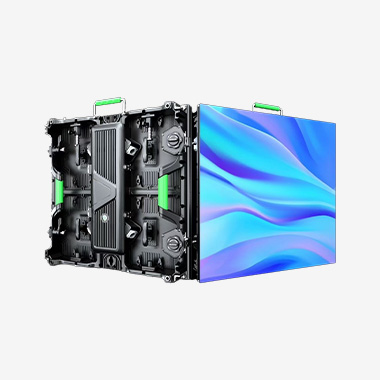
The ability of a full-color advertising LED display to operate flawlessly while exposed to the elements and delivering brilliant visuals is a direct result of its meticulous design and over-engineered construction. Every component, from the microscopic LED chip to the massive structural frame, is selected and integrated to achieve three primary goals: maximum visibility, unwavering reliability, and long-term durability.
1. The LED Module: The Core of Color and Light
The module is the fundamental unit where light is produced. It is a printed circuit board (PCB) populated with a precise array of LEDs and driver components.
LED Packaging: For outdoor advertising, the standard is Surface-Mounted Device (SMD) technology. In an SMD package, the red, green, and blue LED chips are housed together in a single, tiny resin package. This allows for a higher pixel density (and thus a finer pitch), better color mixing, and a wider viewing angle compared to older technologies. The package is designed with UV inhibitors to prevent sunlight degradation and is often made with black resin to enhance contrast by reducing light reflection.
Pixel Pitch: This is a critical design choice. For large billboards viewed from tens or hundreds of meters away, a larger pitch (e.g., P10, P16, P20) is sufficient and cost-effective. For closer-viewing applications like retail signage or urban panels, a finer pitch (P4, P5, P6) is required to maintain image clarity. The choice directly impacts resolution, cost, and viewing distance.
PCB Design: The PCB is a multi-layer, high-quality board with thick copper traces to efficiently deliver power and data with minimal loss. It is often coated with a conformal protective layer to shield it from moisture, dust, and corrosion.
2. The Cabinet: The Rugged Enclosure
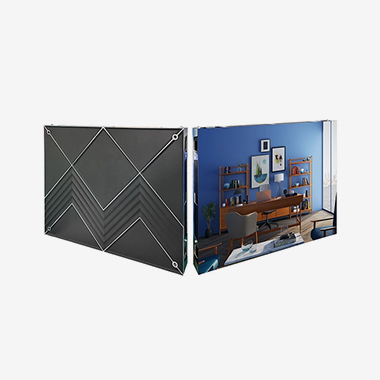
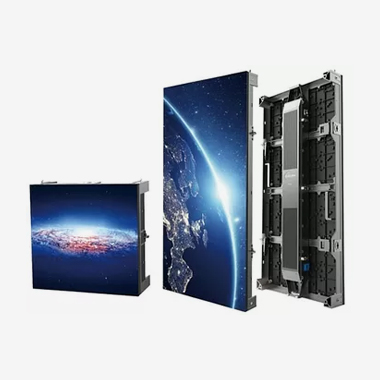
Modules are mounted into a heavy-duty cabinet, which forms the structural building block of the display.
Material and Construction: Cabinets are predominantly made from die-cast aluminum. This material is chosen for its exceptional strength-to-weight ratio, corrosion resistance, and, crucially, its excellent thermal conductivity. The cabinet is not just a box; it is the primary heat sink for the entire system.
Weatherproofing: Achieving an IP65 rating is paramount. This is accomplished through high-grade silicone gaskets that seal the front and back of the cabinet, as well as IP65-rated connectors for power and data. The design ensures no harmful ingress of dust or water, even during driving rain or in dusty environments.
Structural Integrity: Cabinets feature integrated, engineered rigging points for safe mounting onto a steel support structure. They are designed to resist twisting and warping, ensuring the assembled display remains perfectly flat for a seamless image.
3. Thermal Management: The Key to Longevity
Heat is the primary enemy of electronic components. The high brightness required for outdoor use generates significant heat, which must be dissipated to prevent LED degradation and failure.
Passive Cooling: Most modern advertising displays rely on passive cooling. The die-cast aluminum cabinet acts as a massive heat sink, drawing heat away from the LEDs and drivers and dissipating it into the surrounding air through natural convection. This method is silent and requires no moving parts that can fail.
Ventilation and Condensation Management: While sealed, cabinets are designed with breathable membranes or ventilation systems that allow for pressure equalization while preventing moisture ingress, thus avoiding condensation inside the cabinet.
4. Power and Data Systems
Power Supplies: Switched-Mode Power Supplies (SMPS) convert high-voltage AC mains power to the low-voltage DC required by the LEDs. These are high-efficiency units (often >90%) to minimize energy waste and heat generation. Redundancy is often built-in, with multiple PSUs per cabinet.
Data Distribution: The display receives content via a network connection. Inside each cabinet, receiving cards process the data and distribute it to the driver ICs on each module. Driver ICs are responsible for the precise current control and PWM signals that determine the brightness and color of each individual LED.
5. Calibration for Uniformity
A critical final step in manufacturing is calibration. Every module is placed in a dark room and measured by a spectroradiometer. Tiny variations in LED output are detected, and a unique calibration file is created for that module. During operation, the display's video processor applies this calibration data in real-time to ensure that every module, from every production batch, displays the exact same color and brightness. This is what creates the flawless, uniform image across a massive display.
In summary, the construction of an advertising LED panel is a masterclass in balancing optical performance, environmental hardening, and thermal engineering. It is a robust, self-contained system designed to deliver a brilliant and reliable performance day and night, summer and winter, for years on end.
The transformation of a digital video file into a brilliant, larger-than-life image on an advertising LED display is a sophisticated process that involves precise electronic control, complex data management, and intelligent system oversight. Understanding these working principles reveals the engineering marvel behind the visual spectacle.
1. The Foundation: Additive Color Mixing and PWM
At the most fundamental level, each pixel on the display creates color through additive mixing. By combining light from the red, green, and blue sub-pixels at varying intensities, the full spectrum of colors can be produced. The intensity of each LED is not controlled by varying the voltage (which would alter its color and efficiency) but through Pulse-Width Modulation (PWM).
The driver ICs rapidly switch each LED on and off thousands of times per second. The human eye perceives this rapid cycling as a steady light. The ratio of the "on" time to the "off" time within each cycle (the duty cycle) determines the perceived brightness. A 50% duty cycle results in 50% perceived brightness. This method allows for precise, flicker-free control over the luminosity of each primary color, enabling the creation of millions of distinct shades.
2. The Content Delivery and Processing Pipeline
The journey of an advertisement from a designer's computer to the public display is a multi-stage workflow:
Content Creation: Ads are designed as video files or animations, often at a very high resolution (e.g., 4K or higher) to ensure quality when scaled.
Scheduling and Management: Using specialized software (e.g., CMS - Content Management System), the advertiser or media owner uploads the content, sets a playout schedule (dayparting), and organizes the playlist for one or thousands of displays.
Data Transmission: The scheduled content is sent over a network (via fiber optic, Ethernet, or cellular 4G/5G) to the video processor located at the display site.
The Video Processor: The Brain: The processor is a dedicated computer that performs critical tasks:
Scaling: It resizes the input content to match the native, non-standard resolution of the LED wall.
Calibration Application: It applies the calibration data for every single module in real-time, ensuring color and brightness uniformity.
Color Correction: It can adjust the output for ambient light conditions.
Signal Output: It converts the processed video into a data stream that is sent to the first cabinet in the display array.
3. Data Distribution and Pixel Control
The data stream travels from cabinet to cabinet in a daisy-chain fashion. Each cabinet contains a receiving card that:
Reads the portion of the data intended for its modules.
Forwards the remaining data to the next cabinet.
Sends the commands to the driver ICs on its modules.
The driver ICs are the "local managers" for a group of pixels. They receive the data, store it in memory, and output the precise PWM signals to the LEDs, turning the digital command into physical light.
4. Intelligent Control and Monitoring
A key operational principle is remote monitoring and control. The display is connected to a network operations center (NOC) through which technicians can:
Monitor the health of the display in real-time (temperature, power consumption, fan status).
Detect and pinpoint the location of failed components.
Adjust brightness levels automatically based on the time of day or ambient light sensor readings to save energy.
Troubleshoot and often reset systems remotely, minimizing the need for physical service calls.
5. Redundancy and Reliability
For a 24/7 advertising operation, uptime is critical. Systems are designed with redundancy:
Redundant Power Supplies: If one PSU fails, others can take the load.
Redundant Receiving Cards: Some systems allow data to be routed around a faulty card.
Backup Players and Processors: Critical displays may have a backup media player and processor that automatically take over if the primary system fails.
In essence, the working principle is a continuous, real-time loop of data processing and precision execution. A video signal is ingested, optimized, and distributed with extreme accuracy. This data is then converted into millions of microscopic light pulses, orchestrated to form a cohesive, dazzling image that captures the attention of the public and delivers an advertiser's message with maximum impact.
The widespread adoption of LED technology in advertising is a testament to its powerful advantages. However, deploying and operating these complex systems outdoors presents a distinct set of challenges that media owners and advertisers must navigate.
Advantages:
Unparalleled Attention and Impact: Dynamic motion and bright, vibrant colors are inherently more attention-grabbing than static imagery. LED displays dominate their visual environment, ensuring high visibility and recall for advertisers. They can create "wow" factor and become landmarks in their own right.
Unmatched Flexibility and Timeliness: This is the single greatest advantage. Content can be changed instantly across a network of displays from a central location. This enables:
Dayparting: Targeting audiences with relevant ads at different times of day (e.g., breakfast, lunch, drive-time).
Real-Time Advertising: Launching immediate campaigns for new products or responding to current events.
Live Content Integration: Broadcasting live feeds, news, sports scores, or social media streams.
High Perceived Value and Brand Enhancement: Advertising on a large, digital, high-tech platform projects an image of success, innovation, and market leadership. It enhances the brand equity of both the advertiser and the media owner.
Potential for Higher Revenue: Media owners can sell advertising space to multiple advertisers throughout the day, dramatically increasing the yield from a single physical location compared to a static billboard.
Durability and Weather Resistance: Once installed, these displays are built to operate continuously for years with minimal downtime, resistant to rain, wind, dust, and extreme temperatures.
Measurability and Data Integration: Digital displays can be integrated with data sources. For example, ads can be triggered by weather conditions (e.g., sunscreen ads on sunny days), traffic data, or even audience demographics measured by anonymized sensors, allowing for more targeted and effective advertising.
Challenges:
Very High Initial Investment: The upfront cost of a high-quality outdoor LED display is significant. This includes not just the panels themselves, but also the structural steel support, electrical installation, and video processing equipment. This high barrier to entry limits the market to established media companies.
High Operational Costs: The primary ongoing cost is electricity. A large display can consume as much power as dozens of homes. While LED technology is efficient, the sheer scale of these displays makes them energy-intensive assets.
Community and Regulatory Hurdles: Digital billboards can face opposition from communities concerned about light pollution, driver distraction, and aesthetic impact. Obtaining permits can be a long, difficult, and expensive process, often subject to strict regulations on brightness, display times, and content.
Maintenance and Repair: While reliable, the displays contain millions of components, and failures are inevitable. Maintaining a fleet of displays requires a dedicated team of skilled technicians for troubleshooting and repair. Pixel failures, while often minor, can detract from the image quality if not addressed promptly.
Content Management Demands: The need for a constant stream of fresh, high-quality, motion-based content is a shift from static advertising. Advertisers and media owners must invest in video production and dedicate resources to managing and scheduling content to keep the displays engaging.
Technical Complexity: Operating a networked system of complex electronic devices requires significant expertise in areas like networking, video processing, and structural engineering. System failures, if not managed correctly, can lead to prolonged and costly downtime.
In conclusion, the advantages of full-color LED displays—their dynamic impact, flexibility, and revenue potential—are so compelling that they have become the gold standard in high-impact OOH advertising. The challenges are primarily financial, regulatory, and operational. Success in this field depends not just on owning the technology, but on effectively managing these challenges through careful planning, community engagement, and operational excellence.
The application of full-color LED technology has expanded far beyond the classic billboard, permeating various facets of urban advertising and interior spaces. Simultaneously, technological innovation is continuously opening new frontiers for how this medium can be used and experienced.
Applications:
Digital Billboards and Spectaculars: The most iconic application. Large-format displays located along highways, atop buildings, and in major urban centers like Times Square. They are used for brand advertising, movie promotions, and public service announcements.
Retail and Point-of-Sale (POS) Advertising: Used on the facades of shopping malls, car dealerships, and retail stores. They promote sales, new arrivals, and brand messages directly at the point of purchase, influencing last-minute consumer decisions.
Stadium and Arena Advertising: Replacing traditional static signage around sports fields and concert venues. They offer animated ads, player statistics, instant replays, and interactive fan engagement, creating a more dynamic in-venue experience.
Transportation Hub Advertising: Found in airports, train stations, and bus terminals. They target a captive audience of travelers with advertising for destinations, services, and luxury goods.
Gas Station Canopy Displays: Integrated into the canopy above fuel pumps, displaying ads, news, and weather to customers during the few minutes they are refueling their vehicles.
Corporate Building Signage: Used by corporations on their headquarters for branding, sharing company news, stock prices, or welcoming visitors. They project a modern and technologically advanced image.
Future Trends:
Finer Pixel Pitches for Closer Viewing: The trend towards smaller pixel pitches will continue, enabling higher-resolution displays to be placed in closer-viewing contexts. This will see LED technology encroach on traditional indoor digital signage markets in lobbies, showrooms, and even as transparent windows displays in retail.
Integration with AI and Data: Artificial Intelligence will transform advertising displays from broadcast mediums to interactive, context-aware platforms.
Programmatic Advertising: AI will automate the buying and selling of ad space in real-time based on audience data, much like online advertising works today.
Contextual Content: Cameras and sensors (using anonymized data) will detect audience demographics, weather, and traffic flow, triggering the most relevant ad to play at any given moment.
Performance Measurement: AI could analyze audience engagement (e.g., gaze tracking) to measure an ad's effectiveness in real-world conditions.
Transparent LED Technology: Transparent LED screens allow for see-through displays. This will be increasingly used on building facades and retail windows, allowing natural light to enter while overlaying dynamic digital information, creating a stunning "augmented reality" effect for architecture.
3D and Holographic Effects: Advances in software and high-refresh-rate LEDs are enabling autostereoscopic 3D effects (without glasses). This "holographic" look is incredibly attention-grabbing and will be used for high-end brand campaigns to create truly immersive and memorable experiences.
Improved Sustainability: The focus on reducing the environmental and community impact will intensify.
Energy Efficiency: Ongoing improvements in LED lumen-per-watt efficacy and driver efficiency will reduce power consumption.
Adaptive Brightness: Sophisticated ambient light sensors will automatically dim displays to the minimum necessary level at night, reducing light pollution and energy use while complying with regulations.
Solar Integration: Some displays may begin to integrate solar panels to offset their grid power consumption.
Standardization and Interoperability: The industry will move towards greater standardization in control protocols and components, making systems easier to install, maintain, and integrate with other digital advertising ecosystems.
The future of advertising LED displays is one of greater intelligence, integration, and immersion. They will evolve from dumb screens into smart, networked nodes in the urban Internet of Things (IoT), capable of delivering hyper-relevant, interactive, and breathtakingly realistic advertising experiences.
Conclusion
The full-color advertising LED display panel has irrevocably transformed the out-of-home advertising industry. It has shifted the paradigm from static, long-term campaigns to dynamic, responsive, and data-driven digital communication. More than just a technological upgrade, it represents a fundamental change in how brands converse with the public in shared spaces, offering a level of engagement, flexibility, and impact that was previously unimaginable.
Its success is rooted in its core strengths: the unparalleled ability to command attention through motion and light, the revolutionary capacity to update messaging instantly across global networks, and the powerful brand equity associated with advertising on a premium, high-tech canvas. These advantages have proven so compelling that they have justified the significant investment and operational complexities involved, creating a vibrant and growing segment within the advertising world.
However, the journey forward requires responsible stewardship. The industry must proactively address its challenges, particularly regarding energy consumption and light pollution, through technological innovation and respectful self-regulation. Engaging with communities and regulators to establish sensible guidelines will be crucial for securing the long-term social license to operate these dazzling urban fixtures.
Looking ahead, the trajectory is clear. The advertising LED display is evolving from a broadcast medium into an intelligent, interactive platform. The convergence of AI, data analytics, and ever-higher resolution display technology will create a future where ads are not just seen but are experienced—contextually relevant, personalized for the moment, and seamlessly integrated into the urban fabric.
In conclusion, the full-color advertising LED display is far more than a billboard. It is a dynamic and powerful nexus of technology, commerce, and art. It has established itself as the definitive medium for brands that seek to make a bold, modern, and memorable statement. As the technology continues to advance, its role will only deepen, solidifying its position as an indispensable and transformative force in the landscape of advertising and urban communication.


Copyright © 2026 Shenzhen Cogo Technology Co.,Ltd.
All Rights Reserved

 Previous article