




 Chat Now
Outdoor RGB LED display signage has emerged as a game - changer in the realm of event management and visual communication. In an era where creating unforgettable experiences is paramount, these displays leverage the power of Red, Green, and Blue light - emitting diodes to deliver vibrant, high - impact visuals that can captivate audiences even in the most challenging outdoor environments.
At large - scale outdoor events such as music festivals, sports tournaments, and cultural carnivals, outdoor RGB LED display signage serves as a central visual hub. Unlike traditional static signage, these LED displays can showcase dynamic content, including live event feeds, artist performances, real - time statistics, and interactive graphics. For instance, at a music festival, large - format RGB LED screens can display close - ups of the performers, synchronized visual effects that match the rhythm of the music, and real - time social media feeds, enhancing the overall event atmosphere and engagement.
The market for outdoor RGB LED display signage in the event industry has witnessed exponential growth in recent years. As event organizers strive to differentiate their events and attract larger audiences, the demand for high - quality, large - scale LED displays has soared. Technological advancements, such as improved brightness levels, wider viewing angles, and enhanced weather resistance, have further fueled this growth. Additionally, the ability of these displays to adapt to various event themes and sizes makes them an indispensable asset for event planners across different sectors.
Moreover, outdoor RGB LED display signage has also become a powerful marketing tool for event sponsors. Brands can reach a vast and diverse audience by showcasing their advertisements on these high - visibility displays. The dynamic and colorful nature of RGB LED signage ensures that brand messages are not only seen but also remembered, providing significant value to sponsors and generating additional revenue streams for event organizers.
The design and construction of outdoor RGB LED display signage for events is a complex and specialized process that requires careful consideration of multiple factors, including environmental conditions, viewing distances, and event requirements.
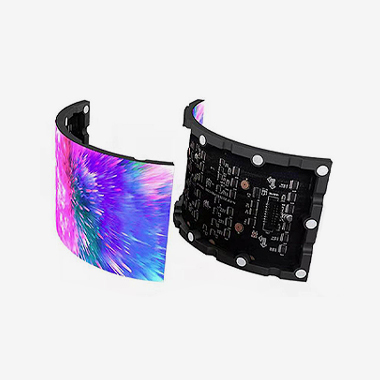
Size and Shape: The size of the display is determined by the scale of the event and the expected viewing distance of the audience. For large - scale outdoor festivals or sports events, displays can span hundreds of square meters to ensure visibility from all areas of the venue. The shape of the display can vary from traditional rectangular and square forms to more creative designs, such as curved or irregular shapes, to fit the event's aesthetic and layout. For example, a curved LED display can be used to create a more immersive visual experience at an outdoor concert, wrapping around the stage to envelop the audience in a sea of vibrant visuals.
LED Module Selection: Selecting the right RGB LED modules is crucial for achieving optimal visual performance. Outdoor displays require modules with high brightness levels to combat ambient sunlight and other outdoor lighting conditions. Additionally, modules with a suitable pixel pitch are chosen based on the viewing distance. For displays that will be viewed from a far - off location, a larger pixel pitch (e.g., 6 - 10 mm) may be sufficient, while closer - viewing applications may require smaller pixel pitches (e.g., 3 - 5 mm) for sharper and more detailed images.
Structural Framework: The structural framework of outdoor RGB LED display signage must be robust enough to withstand harsh outdoor elements, including strong winds, rain, snow, and extreme temperatures. Steel or heavy - duty aluminum frames are commonly used due to their strength and durability. These frames are designed with wind - resistance in mind, often incorporating aerodynamic features to minimize the impact of gusts. The display is also enclosed in a weather - proof housing, typically made of polycarbonate or other durable materials, to protect the internal components from moisture, dust, and UV radiation.
Power and Control Systems: A reliable power supply system is essential to ensure continuous operation of the outdoor LED display. Outdoor displays often require a redundant power system to prevent outages in case of power failures. The control system, on the other hand, consists of media players, video processors, and network interfaces. These components work together to receive, process, and display content on the LED screen. Advanced control systems also enable remote management and real - time content updates, allowing event organizers to change the displayed content quickly and efficiently.
Outdoor RGB LED display signage operates on the principles of electroluminescence and digital signal processing, similar to indoor LED displays, but with additional considerations for outdoor environments.
Electroluminescence and Color Mixing: At the heart of each RGB LED is a semiconductor material. When an electric current is applied, electrons and holes within the semiconductor recombine, releasing energy in the form of photons. The energy of these photons determines the color of the emitted light. Red, green, and blue LEDs are combined in each pixel, and by adjusting the intensity of each color, any color within the visible spectrum can be created through additive color mixing. For example, equal intensities of red, green, and blue will produce white light, while different combinations will result in various hues and shades.
Digital Signal Processing: The incoming video or graphic signals are first digitized and then processed by the display's control system. This includes tasks such as scaling the content to fit the resolution of the display, adjusting color saturation, contrast, and brightness levels to account for outdoor lighting conditions, and de - interlacing for analog video sources. High - speed data transmission is crucial to ensure smooth playback of live event feeds, videos, and animations, even in real - time scenarios.
Outdoor - Specific Adaptations: To function effectively outdoors, outdoor RGB LED displays incorporate additional features. For instance, they have higher brightness levels compared to indoor displays to overcome the glare of sunlight. Special optical coatings are applied to the LED surface to reduce reflection and improve visibility. Temperature - control mechanisms are also integrated to manage the heat generated by the LEDs, as high outdoor temperatures can affect the performance and lifespan of the display.
Outdoor RGB LED display signage offers numerous advantages that make it a preferred choice for event organizers, but it also comes with its fair share of challenges.
Advantages
Exceptional Visual Impact: With their ability to produce vivid colors, high - resolution images, and dynamic content, outdoor RGB LED displays can create a visually stunning experience for event attendees. They can display large - scale visuals that are visible from a distance, ensuring that every member of the audience can engage with the event's visual content.
Flexibility in Content Display: These displays can showcase a wide variety of content, from live event coverage and advertisements to interactive graphics and social media feeds. Event organizers can easily update the content in real - time, allowing for seamless integration of new information, sponsor messages, and event - specific announcements.
Durability and Weather Resistance: Modern outdoor RGB LED displays are designed to withstand harsh outdoor conditions. They are built with weather - proof enclosures and rugged components, ensuring reliable operation even in rain, snow, and extreme heat. This durability reduces the risk of display failures during events, minimizing disruptions to the audience experience.
Increased Revenue Opportunities: For event organizers, outdoor RGB LED display signage provides a valuable revenue stream through advertising. Sponsors are willing to pay a premium for high - visibility advertising spaces on these displays, which can significantly contribute to the event's overall profitability.
Challenges
High Initial Costs: The purchase, installation, and setup of large - scale outdoor RGB LED displays are extremely expensive. The cost includes not only the LED panels but also the structural framework, power supply systems, control systems, and installation labor. This high upfront investment can be a barrier for some event organizers, especially those with limited budgets.
Technical Complexity: Operating and maintaining outdoor RGB LED displays require specialized technical knowledge. The complex electronic components, software systems, and network infrastructure need regular monitoring and maintenance to ensure optimal performance. Any technical issues, such as faulty LED modules, software glitches, or network connectivity problems, can result in display outages, which need to be promptly addressed to avoid disrupting the event.
Environmental Considerations: Despite their weather - resistant design, outdoor RGB LED displays are still vulnerable to extreme environmental conditions. Prolonged exposure to direct sunlight can cause color fading and degradation of the LED components over time. Strong winds and storms can also pose a threat to the structural integrity of the display. Event organizers need to plan for additional maintenance and protective measures to mitigate these risks.
Outdoor RGB LED display signage has a wide range of applications in the event industry, and several emerging trends are set to further enhance its capabilities.
Applications
Music Festivals and Concerts: At music festivals and concerts, outdoor RGB LED displays are used for stage backdrops, live video feeds of the performers, and synchronized visual effects. They can create immersive environments that enhance the overall musical experience, making the event more memorable for attendees.
Sports Events: In sports tournaments, these displays are used to show live game action, player statistics, replays, and advertisements. They ensure that spectators in all areas of the stadium or sports field can follow the game closely and stay engaged with the event.
Cultural and Community Events: For cultural festivals, parades, and community events, outdoor RGB LED displays can be used to showcase event information, cultural performances, and local advertisements. They add a touch of modernity and excitement to these events, attracting larger audiences and enhancing community engagement.
Future Trends
Advancements in LED Technology: The continuous development of LED technology, such as Mini - LED and Micro - LED, will lead to even higher resolutions, better contrast ratios, and more energy - efficient outdoor displays. These advancements will enable the creation of more detailed and immersive visual experiences, making outdoor RGB LED displays even more captivating.
Integration of AR and VR Technologies: The integration of augmented reality (AR) and virtual reality (VR) with outdoor RGB LED displays is an emerging trend. AR - enabled displays could overlay digital information, such as interactive maps, event schedules, or virtual advertisements, onto the real - world outdoor environment, enhancing the event experience for attendees. VR technology could also be used to provide virtual event experiences for those who are unable to attend in person.
Smart and Connected Displays: Future outdoor RGB LED displays are likely to become more intelligent and connected. With the integration of Internet of Things (IoT) technology, these displays can be remotely monitored, managed, and optimized in real - time. They can also collect data on audience behavior and preferences, allowing event organizers to tailor the content and advertising more effectively.
Conclusion
Outdoor RGB LED display signage has become an integral part of modern outdoor events, offering unparalleled visual experiences, flexibility, and revenue - generating opportunities. While it presents challenges such as high initial costs, technical complexity, and environmental vulnerabilities, the numerous advantages it provides far outweigh these drawbacks.
As technology continues to evolve, outdoor RGB LED display signage is poised to play an even more significant role in the future of event management. The advancements in LED technology, the integration of AR, VR, and IoT, and the development of smart and connected displays will open up new possibilities for creating more engaging, immersive, and interactive event experiences. Event organizers who embrace these trends and leverage the full potential of outdoor RGB LED display signage will be well - positioned to stay ahead in the competitive event industry and deliver unforgettable experiences for their audiences.


Copyright © 2026 Shenzhen Cogo Technology Co.,Ltd.
All Rights Reserved

 Previous article