




 Chat Now
Outdoor LED rental display screens have emerged as a pivotal element in modern concert productions, offering a flexible and cost - effective solution for creating immersive visual experiences. Unlike fixed - installation LED displays, rental screens are designed for temporary setups, allowing event organizers to quickly adapt to various concert venues and event requirements. These displays have revolutionized the way concerts are presented, enhancing the overall atmosphere, engaging the audience, and providing a powerful platform for artists to showcase their creativity.
The demand for outdoor LED rental display screens in the concert industry has skyrocketed in recent years, driven by several key factors. First and foremost, the increasing popularity of large - scale outdoor concerts and music festivals has created a need for dynamic and high - impact visual displays. Audiences today expect more than just great music; they seek a multi - sensory experience that combines sound, light, and visuals. Outdoor LED rental screens can deliver stunning high - definition images, vibrant colors, and dynamic animations, transforming the concert stage into a captivating visual spectacle.
Another significant advantage of rental LED display screens is their flexibility. Concert organizers often need to work with different venues, each with unique spatial constraints and audience capacities. Rental screens can be customized in size, shape, and configuration to fit any stage design, whether it's a small local concert in a park or a massive international music festival in a stadium. This adaptability allows for creative stage setups, such as large - scale backdrops, side screens for audience viewing, or even three - dimensional LED structures that add depth and dimension to the performance.
Cost - effectiveness is also a major driving force behind the adoption of rental LED display screens. Purchasing and installing a permanent LED display system can be prohibitively expensive, especially for event organizers who only require the screens for a short period. Renting LED display screens eliminates the need for a large upfront investment, reducing financial risks and allowing organizers to allocate resources more efficiently. Additionally, rental services often include professional installation, maintenance, and technical support, ensuring that the display screens operate smoothly throughout the concert.
Furthermore, outdoor LED rental display screens play a crucial role in brand promotion and sponsorship. Concert events attract large and diverse audiences, making them an ideal platform for advertisers. Rental screens can display high - impact brand logos, product advertisements, and promotional videos, providing valuable exposure for sponsors. The ability to customize the content in real - time also allows for targeted advertising, maximizing the return on investment for brands.
However, the use of outdoor LED rental display screens in concerts also comes with its own set of challenges. These include ensuring compatibility with different venue setups, dealing with varying environmental conditions, and maintaining high - quality performance throughout the event. Despite these challenges, the continuous advancement of LED technology and the growing expertise of rental service providers are making outdoor LED rental display screens an increasingly reliable and popular choice for concert productions.
The design and construction of outdoor LED rental display screens for concerts are carefully orchestrated processes that require a blend of technical proficiency, creative vision, and logistical planning to ensure optimal performance, quick setup, and seamless integration with concert stages.
Design Considerations
Venue - Specific Requirements Analysis: The first step in designing an outdoor LED rental display screen for a concert is to thoroughly analyze the venue's characteristics. This includes factors such as the size and shape of the stage, the layout of the audience area, the distance between the screen and the spectators, and any existing structural elements or obstacles. For example, in an open - field concert venue, the display screen may need to be larger to ensure visibility for a dispersed audience, while in a concert held in an amphitheater, the screen's height and angle need to be carefully calculated to avoid obstructions. Understanding the venue's power supply capacity and available rigging points is also crucial for a smooth installation.
Size and Resolution Determination: Selecting the appropriate size and resolution of the LED rental display screen is essential for delivering a visually impactful experience. The size of the screen should be large enough to be seen clearly by all concert - goers, but not so large that it overwhelms the stage or becomes impractical for the venue. Resolution is equally important, as higher resolutions provide sharper and more detailed images, which are especially crucial for displaying high - definition concert footage, artist close - ups, and complex visual effects. For large - scale concerts with audiences seated far from the stage, a lower - resolution but larger - sized screen may be sufficient, while smaller, more intimate concerts may benefit from higher - resolution, smaller screens to ensure clarity.
Content - Driven Design: The design of the LED rental display screen must be tailored to the type of content that will be showcased during the concert. Concerts often feature a mix of live video feeds from the stage, pre - recorded music videos, artist graphics, and promotional content. The screen should be capable of handling different content formats seamlessly, with features such as high refresh rates to ensure smooth motion for live performances and excellent color accuracy to bring out the vibrancy of music videos. Additionally, the design should allow for easy switching between different content sources and the ability to display multiple types of content simultaneously, such as showing the artist on the main screen while displaying lyrics or related graphics on side screens.
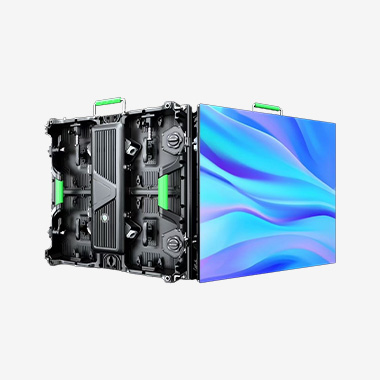
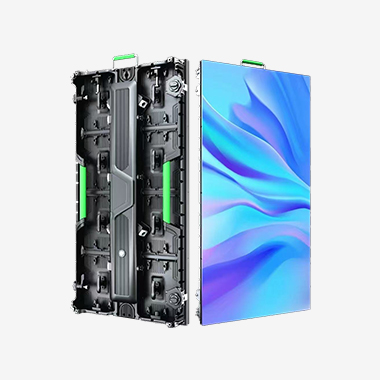
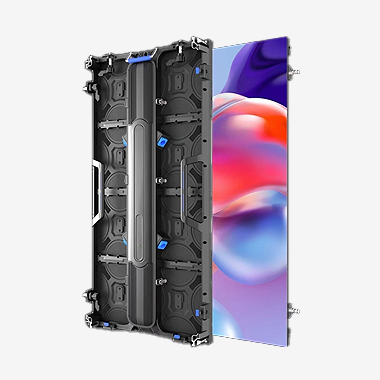
Portability and Quick - Setup Design: Since outdoor LED rental display screens are intended for temporary use, portability and quick - setup are key design considerations. The screens are typically designed with a modular structure, consisting of individual LED panels that can be easily assembled and disassembled. Lightweight yet durable materials, such as aluminum frames, are used to reduce the overall weight of the display for easier transportation. Specialized connectors and quick - lock mechanisms are incorporated to enable fast and secure installation, minimizing the time required for setup and teardown between concerts.
Construction Process
Modular LED Panel Fabrication: The construction of outdoor LED rental display screens begins with the fabrication of modular LED panels. These panels are the building blocks of the display and are designed to be standardized for easy interchangeability. Each panel contains multiple LED chips, a printed circuit board (PCB), and a protective cover. The LED chips are carefully mounted on the PCB, and electrical connections are made to ensure proper functionality. High - quality LED chips are selected for their brightness, color accuracy, and reliability, ensuring that the display can deliver consistent performance under various outdoor lighting conditions. The protective cover is designed to be weather - resistant, protecting the internal components from rain, dust, and UV radiation.
Structural Framework Assembly: Once the LED panels are fabricated, the structural framework is assembled. The framework provides the support and stability for the LED panels and is typically made of lightweight yet sturdy materials like aluminum trusses. The trusses are designed and assembled according to the size and shape of the display screen, creating a rigid structure that can withstand the rigors of transportation and outdoor use. Specialized connectors and brackets are used to secure the LED panels to the framework, ensuring a tight and stable fit. In some cases, additional support structures, such as guy wires or base plates, may be used to further enhance the stability of the display, especially in windy conditions.
Electrical and Control System Integration: After the structural assembly, the electrical and control systems are integrated into the display screen. The electrical system includes power supply units, wiring, and circuit breakers, which are responsible for providing the necessary electrical current to the LED panels. A reliable power distribution system is crucial to ensure that all panels receive a consistent and stable power supply, preventing any flickering or brightness variations. The control system, consisting of a media player, control cards, and software, is used to manage the display of content on the screen. The media player can play various content formats, while the control cards and software enable the operator to adjust settings such as brightness, color, and image layout, and to switch between different content sources in real - time.
Testing and Quality Assurance: Before the outdoor LED rental display screen is deployed for a concert, it undergoes rigorous testing and quality assurance procedures. This includes testing the functionality of each LED panel, checking the electrical connections for any faults, and calibrating the color and brightness of the entire display. The screen is also tested with different types of concert - related content, such as high - definition videos, fast - moving graphics, and live video feeds, to ensure that it can handle various scenarios without any issues. Additionally, the display is tested under simulated outdoor conditions, such as bright sunlight and rain, to verify its performance and durability in real - world environments. Any defects or malfunctions identified during the testing process are promptly addressed to ensure that the screen is in perfect working condition for the concert.
The operation of outdoor LED rental display screens for concerts is based on the fundamental principles of LED technology, digital signal processing, and display control systems, working in harmony to create the vibrant and engaging visual displays that enhance the concert experience.
LED Technology
At the core of outdoor LED rental display screens are the light - emitting diodes (LEDs). LEDs are semiconductor devices that emit light when an electric current passes through them. In a color LED display, a combination of red, green, and blue (RGB) LEDs is used to generate a wide spectrum of colors. Each pixel on the display screen is typically composed of multiple RGB LED chips, which work together to produce different hues and shades.
When an electric current is applied to an LED, electrons in the semiconductor material are excited from the valence band to the conduction band. As these excited electrons return to their original energy levels, they release energy in the form of photons, resulting in the emission of light. The color of the light emitted by an LED depends on the energy bandgap of the semiconductor material. By precisely controlling the intensity of the current flowing through each RGB LED chip within a pixel, the display screen can achieve accurate color reproduction. For example, to display a vivid purple color, the red and blue LEDs within the pixel are illuminated with the appropriate intensities, while the green LED remains off or at a very low intensity. Through this combination of red, green, and blue light at different intensities, a vast array of colors can be created, enabling the display of realistic and eye - catching visuals during concerts, such as colorful stage backdrops, artist images, and dynamic light shows.
Digital Signal Processing
To display the desired content on the LED rental display screen, digital signal processing techniques are employed. The content, which can include pre - recorded music videos, live camera feeds from the concert stage, and custom - designed graphics, is first processed by a computer or a media player. This initial processing involves tasks such as encoding the content into a suitable format, adjusting the resolution and frame rate to match the capabilities of the display screen, and adding any necessary effects or transitions.
The processed digital signal is then transmitted to the control system of the display screen. The control system divides the image or video into individual pixels and sends specific signals to each LED panel, specifying the intensity of the red, green, and blue LEDs for each pixel. These signals are transmitted through a network of cables or wireless communication protocols, depending on the design of the display system. The LED panels receive the signals and adjust the brightness of their respective RGB LEDs accordingly, creating the desired image or video on the display screen. For example, during a live concert, the control system continuously receives real - time video signals from cameras positioned around the stage, processes them, and sends the appropriate signals to the LED panels to display the live action on the screen.
Display Control Systems
Display control systems play a crucial role in the operation of outdoor LED rental display screens for concerts. The control system typically consists of a control console, software, and control cards. The control console is the interface used by the operator to manage and control the display screen. Operators can use the console to upload new content, switch between different content sources, and adjust the settings of the display screen, such as brightness, contrast, and color.
The software provides the functionality for content management, including the ability to create playlists, edit graphics, and add special effects. It also allows for real - time control of the display screen, enabling operators to respond quickly to changes during the concert, such as switching to a different camera angle or displaying an emergency message. The control cards are responsible for receiving the control signals from the software and converting them into electrical signals that can be used to control the LED panels. They ensure that the LED panels receive the correct signals at the right time, allowing for the seamless display of content on the screen, whether it's a fast - paced music video or a live performance by the artist.
Advantages
Flexibility and Customization: One of the most significant advantages of outdoor LED rental display screens for concerts is their flexibility and customization capabilities. Event organizers can choose the size, shape, and configuration of the screens to fit the specific requirements of each concert venue and performance. Whether it's a small - scale local concert or a large - scale international music festival, the rental screens can be tailored to create the desired visual impact. Additionally, the content displayed on the screens can be easily customized and updated in real - time, allowing for dynamic and engaging presentations that can adapt to the flow of the concert.
Cost - Effective Solution: Renting LED display screens is a cost - effective alternative to purchasing and installing permanent systems. Concert organizers do not have to make a large upfront investment in display equipment, reducing financial risks and allowing them to allocate resources more efficiently. Rental services often include installation, maintenance, and technical support, which further reduces the overall cost and burden on the organizers. This cost - effectiveness makes outdoor LED rental display screens accessible to a wide range of concert producers, from independent event planners to large - scale concert promoters.
Enhanced Audience Experience: Outdoor LED rental display screens significantly enhance the overall concert experience for the audience. They provide clear and high - quality visuals, ensuring that spectators can enjoy the performance even from a distance. High - definition video feeds, dynamic graphics, and colorful animations on the screens add an extra layer of excitement and immersion to the concert, complementing the music and creating a more memorable event. The ability to display artist information, lyrics, and live - action shots also helps to engage the audience and keep them informed throughout the concert.
Quick Setup and Teardown: Rental LED display screens are designed for fast and easy installation and 拆卸. Their modular structure and specialized connectors allow for rapid assembly and disassembly, minimizing the time required to set up the stage before the concert and tear down the equipment afterward. This quick turnaround time is essential for concert organizers who often have limited time between different events or need to move the display screens to multiple venues. The efficiency of setup and teardown also reduces labor costs and ensures that the concert production process runs smoothly.
Challenges
Weather - Related Risks: Outdoor concerts are exposed to various weather conditions, and LED rental display screens are vulnerable to the elements. Rain, snow, strong winds, and extreme temperatures can all affect the performance and lifespan of the screens. Water can cause electrical short circuits and damage to the LED panels, while high winds may pose a risk to the structural stability of the display. To mitigate these risks, rental companies need to use weather - resistant materials and designs, and implement proper protective measures, such as waterproof covers and wind - stabilization systems. However, these additional precautions can increase the cost and complexity of the rental service.
Technical Compatibility and Support: Ensuring technical compatibility between the rental LED display screens and other concert production equipment, such as cameras, audio systems, and lighting consoles, can be a challenge. Different brands and models of equipment may have different signal formats and communication protocols, which can lead to compatibility issues. Additionally, any technical glitches or malfunctions during the concert need to be resolved quickly to avoid disruptions. This requires rental companies to have experienced technical support teams on - site who can troubleshoot problems promptly. Providing reliable technical support adds to the operational costs of the rental service.
Transportation and Logistics: Moving large outdoor LED rental display screens from one venue to another involves significant transportation and logistics challenges. The screens are often bulky and heavy, requiring specialized transportation equipment and careful handling to prevent damage. Coordinating the delivery, installation, and pickup of the screens within tight schedules can be complex, especially when dealing with multiple concerts in different locations. Rental companies need to have efficient logistics management systems in place to ensure that the screens arrive at the venues on time and in good condition.
Content Creation and Management: Creating high - quality content that effectively utilizes the capabilities of the LED rental display screens can be a time - consuming and resource - intensive task. Concert organizers need to have the skills and resources to produce engaging videos, graphics, and animations that enhance the concert experience. Additionally, managing the content during the concert, including switching between different sources and ensuring seamless playback, requires careful planning and coordination. Without proper content creation and management, the potential of the LED display screens may not be fully realized.
Applications
Themed Concerts and Special Events: Themed concerts and special events, such as New Year's Eve celebrations, charity concerts, and cultural festivals, often rely on outdoor LED rental display screens to bring the theme to life. The screens can be used to display themed graphics, videos, and animations that create an immersive environment for the audience. For example, at a Christmas - themed concert, the LED display screens can showcase snow - falling animations, festive holiday scenes, and images of Santa Claus, enhancing the holiday spirit. During a charity concert, the screens can display real - time donation amounts, stories of those benefited by the charity, and messages of gratitude, strengthening the emotional connection with the audience and encouraging more contributions. In cultural festivals, the LED displays can showcase traditional art forms, historical images, and cultural symbols, educating and engaging the attendees while celebrating the rich heritage.
Corporate Concerts and Brand - Sponsored Events: Many corporations organize concerts or sponsor musical events as part of their marketing and brand - building strategies. Outdoor LED rental display screens serve as powerful tools for these companies to promote their brand image. The screens can prominently display corporate logos, brand slogans, and product features, reaching a large and diverse audience. Additionally, companies can use the displays to showcase their corporate social responsibility initiatives, such as environmental protection efforts or community - building projects, enhancing their public perception. Interactive elements on the LED screens can also be utilized to engage the audience, such as conducting brand - related quizzes or surveys, and rewarding participants with prizes, thereby increasing brand loyalty and customer engagement.
Future Trends
Higher Resolution and Image Quality: As technology continues to progress, outdoor LED rental display screens for concerts will see a significant leap in resolution and image quality. The development of micro - LED and mini - LED technologies will enable the production of screens with higher pixel densities, resulting in sharper, more detailed visuals. This means that even from a great distance, concert - goers will be able to see the fine expressions on the artists' faces, the intricate details of stage props, and the vivid colors of the performance. For large - scale festivals with audiences spread over vast areas, 8K or even higher - resolution screens will become the norm, providing an ultra - immersive viewing experience that rivals home theater systems. Moreover, improvements in color calibration and contrast ratio technologies will make the images on the screens more vibrant and lifelike, further enhancing the overall visual impact of the concert.
Integration of Advanced Technologies: The future of outdoor LED rental display screens lies in the integration of advanced technologies such as artificial intelligence (AI), augmented reality (AR), virtual reality (VR), and the Internet of Things (IoT). AI algorithms can analyze real - time data from various sources, including audience reactions, social media trends, and even the mood of the music, to optimize the content displayed on the screens. For example, if the AI detects that the audience is particularly excited during a certain song, it can automatically enhance the visual effects on the LED screens to match the energy. AR and VR technologies will revolutionize the concert - going experience. With AR, concert - goers using their mobile devices can scan the LED screens and access additional virtual content, such as 3D models of the artists, behind - the - scenes footage, or interactive games related to the concert theme. VR, on the other hand, can offer a virtual front - row seat experience for those who are unable to attend the concert in person, with the LED screens serving as a key part of the virtual environment setup. IoT integration will enable seamless communication between the LED screens and other concert equipment, such as lighting systems, sound systems, and even the venue's air - conditioning, creating a synchronized and immersive multi - sensory experience.
Energy - Efficient and Sustainable Designs: With the growing global emphasis on environmental sustainability, future outdoor LED rental display screens will focus on energy - efficient and eco - friendly designs. Newer LED technologies will consume less power while delivering brighter and more consistent illumination. For instance, advanced power - management systems will be able to adjust the screen's brightness in real - time based on the ambient light conditions, reducing energy consumption during the day when natural light is abundant. Solar - powered or hybrid - powered LED screens will become more prevalent, especially for outdoor events held in sunny locations. These screens can harness solar energy during the day to power the displays, minimizing their reliance on traditional electricity sources and reducing the carbon footprint of the concert. Additionally, the use of recyclable materials in the construction of the screens, from the LED panels to the structural frames, will contribute to a more sustainable event production model.
Enhanced Interactivity and Audience Engagement: To further engage the audience, future outdoor LED rental display screens will offer more interactive features. Touch - sensitive screens, gesture - recognition technology, and voice - control capabilities will allow concert - goers to directly interact with the displays. For example, fans could use their hands to swipe through different artist galleries on the LED screen, or use voice commands to request their favorite songs or view specific performance highlights. Social media integration will also reach new heights, with the LED screens displaying real - time social media feeds, live - streaming audience reactions, and even allowing fans to post their own content directly to the screen. Some concerts may even introduce gamification elements, where the audience can participate in on - screen games, compete with each other, and win prizes, creating a more participatory and memorable concert experience.
Conclusion
Outdoor LED rental display screens have become an indispensable component in the world of concert production, offering a plethora of benefits that enhance both the artistic expression of the performers and the experience of the audience. Their flexibility, cost - effectiveness, and ability to create stunning visual displays have made them a preferred choice for concert organizers across various scales of events, from small local gatherings to massive international festivals.
However, the use of these screens also comes with its fair share of challenges, including weather - related risks, technical compatibility issues, transportation and logistics complexities, and content creation hurdles. Despite these obstacles, the continuous evolution of LED technology, along with the increasing expertise of rental service providers, has been steadily addressing these concerns and improving the reliability and performance of the screens.
Looking ahead, the future of outdoor LED rental display screens for concerts is filled with exciting possibilities. Advancements in resolution, integration of cutting - edge technologies, energy - efficient designs, and enhanced interactivity will further transform the concert - going experience. These developments will not only meet the growing expectations of audiences but also open up new creative avenues for artists and event organizers. As the concert industry continues to evolve and seek more immersive and engaging ways to connect with audiences, outdoor LED rental display screens will undoubtedly play a central role, shaping the future of live music events and ensuring that the magic of concerts is enhanced by the power of visual technology.


Copyright © 2026 Shenzhen Cogo Technology Co.,Ltd.
All Rights Reserved

 Previous article