




 Chat Now
Indoor LED rental display screens have revolutionized event production by offering dynamic, high-resolution visual solutions that adapt to diverse venues and audience requirements. Unlike permanent installations, these modular, portable systems are engineered for rapid deployment, reconfiguration, and scalability, making them ideal for temporary events such as corporate conferences, trade shows, concerts, exhibitions, and sports broadcasts.
The global market for rental LED displays is projected to grow at a CAGR of 8.5% from 2024 to 2030, driven by increasing demand for immersive experiences and the rise of hybrid events. Key drivers include advancements in fine-pitch LED technology, lightweight cabinets, and smart calibration systems, which enable seamless integration into any indoor environment.
A typical indoor rental LED display features:
Pixel pitches ranging from P1.2mm (ultra-high definition) to P6mm (large-scale visibility)
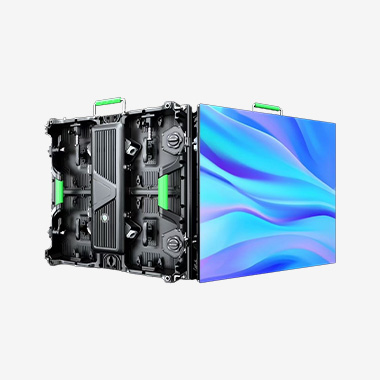
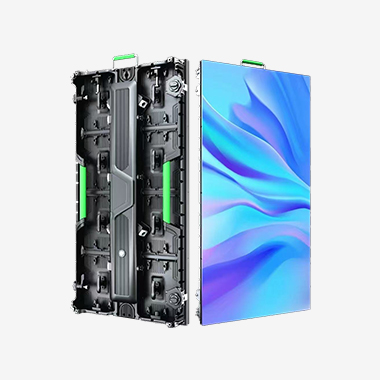
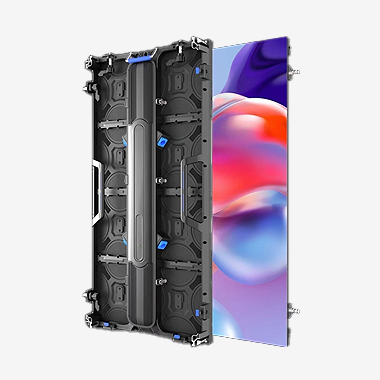
Modular cabinets (500x500mm or 500x1000mm) for flexible tiling
Brightness levels of 800–2,000 nits for optimal visibility in controlled lighting
IP30–IP54 ratings for dust and humidity resistance
Quick-lock mechanisms for tool-free assembly
For instance, a P2.6mm LED screen deployed at a tech conference can deliver 4K resolution (3840x2160) with 1,200 nits brightness, ensuring crystal-clear visuals even in well-lit exhibition halls. Meanwhile, a P4.8mm display used at a music festival provides vibrant imagery from a distance while maintaining cost efficiency.
The shift from traditional projection systems to LED rental screens is driven by superior contrast ratios (10,000:1+), wider viewing angles (160°+), and elimination of ambient light interference. Additionally, LED displays support real-time content updates, interactive features, and multi-screen synchronization, enhancing audience engagement.
2.1 Structural Framework
Indoor rental LED displays are built around lightweight aluminum or magnesium alloy cabinets, balancing durability with portability. A standard 500x500mm cabinet weighs 6–8kg, enabling easy handling by two technicians. Key design elements include:
Modular connectivity: Cabinets feature quick-release pins and magnetic alignment guides for precise, tool-free assembly.
Stackable design: Integrated handles and interlocking mechanisms allow vertical stacking up to 10 meters without additional support structures.
Curved compatibility: Some models (e.g., Absen AX Pro series) support ±10° curvature adjustment for creative stage designs.
2.2 Thermal Management
Efficient heat dissipation is critical for 24/7 operation. Advanced rental displays incorporate:
Die-cast aluminum heat sinks with fins optimized for airflow.
Forced-air cooling fans with auto-adjustable speeds based on temperature sensors.
Thermal conduction pads between LED modules and cabinets to reduce hotspots.
For example, Leyard’s TW Series maintains a <45°C operating temperature even in 40°C ambient conditions, ensuring reliability during multi-day events.
2.3 Power and Signal Distribution
Power supplies: External 冗余电源 (redundant power supplies) prevent downtime if one unit fails.
Signal transmission: Fiber-optic or HDMI 2.1 cables support 8K@60Hz with <1ms latency.
Control systems: Novastar or Brompton processors enable real-time calibration and content management across thousands of pixels.
2.4 Protection and Durability
IP54-rated enclosures shield against dust and splashes.
Corner protectors and edge guards prevent damage during transport.
Anti-reflective coatings minimize glare in bright environments.
3.1 Pixel Architecture and Emission
Each pixel consists of red, green, and blue (RGB) LED chips encapsulated in SMD (Surface-Mount Device) packages. Fine-pitch displays (e.g., P1.5mm) use 0606-sized LEDs, achieving pixel densities of 440,000 dots/m² for ultra-sharp text and imagery.
3.2 Signal Processing and Synchronization
Input reception: Displays accept HDMI, DisplayPort, SDI, or H.265/H.264 streams.
Frame buffering: Onboard memory stores frames to prevent tearing during fast-motion content.
Genlock synchronization: Ensures pixel-perfect alignment across multiple screens in large video walls.
HDR10+ support: Reproduces 1.07 billion colors with 10-bit depth per channel.
3.3 Brightness and Color Calibration
Automatic brightness adjustment: Ambient light sensors dynamically modify output (e.g., 800 nits in dim rooms vs. 1,500 nits in bright halls).
Factory-calibrated color uniformity: Delta E (ΔE) values <2 ensure consistent hues across all panels.
Real-time correction: AI-driven algorithms compensate for LED degradation over time, maintaining brightness and color accuracy.
3.4 Power Efficiency
LED displays consume 30–50% less power than projection systems. A 10m² P3 rental screen operating 12 hours/day uses 10.8 kWh, costing
1.62/day∗∗at
0.15/kWh—significantly lower than equivalent LCD or plasma setups.
4.1 Advantages
Unmatched Visual Quality
160° viewing angles eliminate color shift, even at extreme angles.
20,000:1 contrast ratios enhance depth perception in dark scenes.
Rapid Deployment and Flexibility
A 100m² video wall can be assembled by a 4-person team in <4 hours.
Cabinets can be reconfigured into curved, L-shaped, or ceiling-mounted setups.
Cost Efficiency for Large-Scale Events
Rental models avoid the
50,000–
200,000+ upfront cost of permanent installations.
Maintenance is handled by the rental provider, reducing long-term expenses.
Interactive and Immersive Capabilities
Touch-screen overlays enable audience participation.
AR/VR integration creates hybrid physical-digital experiences.
4.2 Challenges
High Initial Rental Costs for Premium Displays
A P1.5mm 4K screen costs
1,200–
2,500/day, limiting access for small events.
Logistical Complexity
Transporting 50+ cabinets requires specialized vehicles and labor.
Venue access restrictions (e.g., staircases, elevators) may necessitate cranes or manual lifting.
Technical Expertise Requirements
Calibrating multi-screen arrays demands trained technicians to avoid misalignment or color mismatches.
Heat and Noise in Compact Spaces
Forced-air fans generate 50–60 dB of noise, requiring acoustic damping in small venues.
5.1 Current Applications
Corporate Events
Product launches: Apple’s WWDC uses curved LED walls for immersive keynote presentations.
Shareholder meetings: Real-time data visualization enhances decision-making transparency.
Entertainment and Music Festivals
Coachella’s main stage features a 20m x 10m P4 LED screen with synchronized lighting effects.
K-pop concerts integrate transparent LED floors for 3D holographic performances.
Trade Shows and Exhibitions
CES 2024 showcased 8K LED booths with interactive touch zones, increasing foot traffic by 40%.
Sports Broadcasting
The NBA uses P2.6mm LED scoreboards with 4K replay integration for fan engagement.
5.2 Future Trends
MicroLED Adoption
By 2027, 0.4mm pixel pitch MicroLED rentals will offer 5,000 nits brightness and 24-bit color depth, replacing traditional displays in high-end events.
AI-Driven Automation
Self-calibrating systems will adjust brightness, color, and alignment in real time using onboard cameras and machine learning.
Sustainability Innovations
Recyclable aluminum cabinets and solar-powered generators will reduce carbon footprints.
Energy harvesting LEDs will convert ambient light into auxiliary power.
Extended Reality (XR) Integration
LED volumes (e.g., Unreal Engine’s LED stage) will enable real-time compositing of virtual environments for film and TV production.
Conclusion
Indoor LED rental display screens have become indispensable tools for creating memorable, high-impact events. Their modularity, visual superiority, and rapid deployment address the evolving needs of event organizers across industries. While challenges like cost and logistical complexity persist, advancements in MicroLED, AI, and sustainability promise to unlock new creative possibilities.
As hybrid events dominate post-pandemic landscapes, LED rentals will continue to bridge physical and digital experiences, offering audiences unparalleled engagement. The future lies in smarter, greener, and more adaptable displays that redefine the boundaries of visual storytelling in the event space.
By embracing these innovations, rental providers and event planners can ensure their setups remain at the forefront of technology, delivering awe-inspiring moments that leave lasting impressions.


Copyright © 2026 Shenzhen Cogo Technology Co.,Ltd.
All Rights Reserved

 Previous article