





 Chat Now
In the vibrant landscape of outdoor entertainment and events, outdoor LED stage lighting screens have emerged as a revolutionary force, redefining the way stages are illuminated and performances are presented under the open sky. From large - scale music festivals and outdoor concerts to cultural carnivals and public celebrations, these screens have become an essential element, seamlessly blending advanced lighting technology with high - definition visual displays to create immersive and unforgettable experiences for audiences.
The rise of outdoor LED stage lighting screens can be largely attributed to the continuous advancements in LED technology. LEDs, with their energy - efficient, long - lasting, and versatile lighting capabilities, have gradually replaced traditional lighting sources in the outdoor stage setup. Unlike conventional lighting systems that often struggle to produce vivid colors and dynamic effects outdoors, LED - based solutions can emit a wide spectrum of colors with high precision, offering stage designers and event organizers unparalleled creative freedom. As the demand for more visually stunning and engaging outdoor events has grown, so has the need for lighting and display solutions that can withstand the rigors of outdoor environments while delivering top - notch performance.
Market trends also play a significant role in the popularity of outdoor LED stage lighting screens. The global events industry has been expanding steadily, with an increasing number of outdoor festivals, concerts, and cultural events being organized each year. This growth has fueled the demand for innovative stage technologies that can enhance the overall quality of the event and attract larger audiences. Outdoor LED stage lighting screens, with their ability to display high - resolution images, videos, and synchronized lighting effects, have proven to be a game - changer, enabling event organizers to create unique and memorable experiences that stand out in a crowded market.
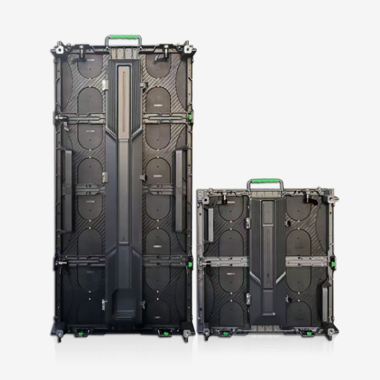
Moreover, the cost - effectiveness and low maintenance requirements of outdoor LED stage lighting screens compared to traditional alternatives have made them an attractive option for event planners. Although the initial investment may be relatively high, the long lifespan of LED components, coupled with their energy - saving features, results in significant savings over time. Additionally, the modular design of many LED screens allows for easy installation, disassembly, and transportation, making them highly convenient for events held at different outdoor locations.
According to market research, the global market for outdoor LED stage lighting screens is expected to continue its upward trajectory in the coming years. Factors such as the increasing adoption of LED technology in the entertainment industry, the growing popularity of outdoor events, and the continuous innovation in display and lighting technologies are all contributing to this growth.
The design and construction of outdoor LED stage lighting screens are complex processes that require a meticulous balance between technical functionality, aesthetic appeal, and environmental resilience. The design phase begins with a comprehensive assessment of the event's requirements, including the type of performance, the size of the audience, the outdoor venue's characteristics, and the overall creative vision for the stage setup.
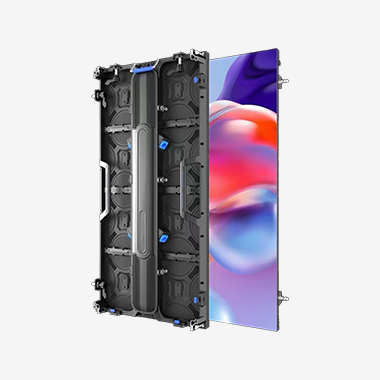
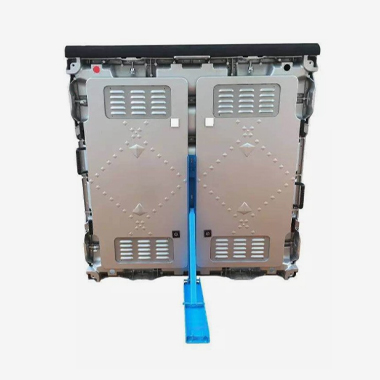
The structural design of outdoor LED stage lighting screens must prioritize durability and stability to withstand harsh outdoor conditions. The frame is typically constructed from high - strength materials such as steel or aluminum alloy. Steel frames offer exceptional strength and stability, making them suitable for large - scale outdoor installations where the screen needs to endure strong winds, heavy rain, and other environmental stresses. Aluminum alloy frames, on the other hand, are lighter in weight, which is advantageous for easier transportation and installation, while still providing sufficient strength for most outdoor applications.
For larger outdoor stages, additional support structures such as trusses and scaffolding are often incorporated. Trusses, made of steel or aluminum, provide a rigid framework that can support the weight of the LED screen and lighting equipment while allowing for flexible positioning of the screen at various heights and angles. Scaffolding is used to ensure the stability of the structure during installation and operation, especially in uneven or challenging outdoor terrains.
The LED modules, the core components of the screen, are carefully selected based on their brightness, color accuracy, viewing angle, and weather - resistance. Outdoor - rated LED modules are designed to operate reliably in a wide range of temperatures, from extreme heat to freezing cold, and are often equipped with waterproof and dustproof enclosures to protect against moisture and debris. The pixel pitch of the LED modules is a critical design parameter. A smaller pixel pitch results in a higher - resolution display, which is ideal for close - up viewing and detailed visual content. However, for large outdoor stages where the audience is seated at a greater distance, a larger pixel pitch may be sufficient, reducing costs while still providing a clear and vibrant visual experience.
The lighting control system of outdoor LED stage lighting screens is highly sophisticated. It includes lighting control consoles, either hardware - based or software - driven, which allow lighting designers to program and manipulate the LED lighting effects. These effects can range from simple color changes and brightness adjustments to complex dynamic patterns and synchronized sequences. The control system can be integrated with the event's sound system, enabling the lighting effects to be synchronized with the music, enhancing the overall atmosphere of the performance.
In terms of the electrical system, outdoor LED stage lighting screens require a reliable and robust power supply. Specialized outdoor - rated power supplies are used to convert the incoming electrical power to the appropriate voltage and current levels for the LED modules and control systems. To prevent electrical failures caused by moisture, all electrical connections are carefully sealed, and waterproof cables and connectors are employed. Additionally, surge protectors are installed to safeguard the system against power surges and electrical spikes, which are common in outdoor environments, especially during thunderstorms.
The working principles of outdoor LED stage lighting screens are based on the fundamental properties of LEDs and the integration of digital signal processing for both display and lighting control. At the core of the display function, when an electric current is applied to an RGB (Red, Green, Blue) LED within the LED module, the semiconductor materials within the LED emit light at specific wavelengths corresponding to the primary colors of light. By precisely controlling the intensity of each of these primary colors, a vast array of colors and shades can be generated through additive color mixing, enabling the reproduction of detailed images, videos, and dynamic visual content on the stage screen.
The process starts with the input of digital content, which can originate from various sources such as computers, media servers, video players, or live camera feeds. The control system, acting as the brain of the LED stage lighting screen, receives the digital video signal and decodes it. The signal is then broken down into individual frames, and each frame is further divided into pixels. For each pixel on the screen, the control system calculates the exact intensity values for the red, green, and blue LEDs based on the color information encoded in the frame.
These calculated intensity values are then transmitted as electrical signals to the LED modules. The signals are sent at a high frequency, allowing the LEDs to rapidly switch on and off or adjust their brightness levels. This rapid modulation of the LEDs creates the illusion of continuous and smooth images or videos on the stage screen. The refresh rate of the LED screen, which refers to the number of times the screen updates its image per second, is a crucial parameter. A higher refresh rate ensures that fast - moving images, such as those in energetic dance performances or action - packed music videos, appear smooth and free from flickering or ghosting, providing a high - quality visual experience for the audience.
For the lighting functionality, the lighting control system plays a pivotal role. Lighting designers use dedicated lighting control consoles or software applications to send control signals to the LED modules. These signals can adjust various aspects of the LED lighting, including brightness, color temperature, and lighting patterns. For example, by adjusting the brightness of the LEDs, the lighting designer can create dramatic effects such as a gradual fade - in or fade - out, adding a sense of anticipation or closure to a performance. Changing the color temperature can transform the mood of the stage, with warm colors evoking a cozy and inviting atmosphere, while cool colors can create a more mysterious or solemn ambiance. Dynamic lighting patterns, such as chasing lights, strobe effects, or pixel - mapped animations, can be programmed to synchronize with the rhythm of the music, enhancing the energy and excitement of the event.
Synchronization between the visual content display and the lighting effects is a key aspect of the working principles. Specialized synchronization technologies, such as time - code synchronization, are used to ensure that the images or videos displayed on the stage screen and the lighting effects are perfectly coordinated. This synchronization can be achieved by using a common time - code signal that triggers both the display and lighting systems, ensuring that they operate in harmony. For instance, during a live concert, the lighting effects on the stage screen can be timed to flash in sync with the beats of the music, while the visual content on the screen changes to match the lyrics or the theme of the song, creating a highly immersive and engaging experience for the audience.
Outdoor LED stage lighting screens offer a multitude of advantages that have made them a preferred choice for outdoor events. One of the most significant benefits is their ability to create a visually stunning and immersive atmosphere. With high - resolution displays, vibrant color reproduction, and dynamic lighting effects, these screens can transform an ordinary outdoor stage into a captivating visual spectacle. They can display realistic backdrops, live video feeds of the performers, and synchronized lighting patterns that enhance the overall storytelling and emotional impact of the performance, drawing the audience deeper into the event.
The flexibility and versatility of outdoor LED stage lighting screens are also major strengths. They can be easily customized to fit the specific requirements of each event. Event organizers can change the visual content displayed on the screen in real - time, allowing for quick adaptations to different segments of the performance, such as switching from a scenic backdrop during a slow - paced song to an energetic and colorful display during a dance routine. The modular design of many LED screens enables them to be configured in various shapes and sizes, making them suitable for a wide range of outdoor stage layouts, from small - scale community events to large - scale international festivals.
Energy efficiency is another notable advantage. Compared to traditional outdoor lighting and display technologies, such as incandescent lights and large - format projectors, LED - based systems consume significantly less energy. This not only reduces the operational costs of the event but also makes the event more environmentally friendly. The long lifespan of LED components means less frequent replacement and maintenance, further contributing to cost savings and reducing the environmental impact associated with waste disposal.
However, outdoor LED stage lighting screens also face several challenges. The harsh outdoor environment is one of the biggest obstacles. Exposure to sunlight, rain, dust, wind, and extreme temperatures can all take a toll on the performance and lifespan of the screen. Sunlight can cause the screen materials to fade and degrade over time, while rain and moisture can lead to electrical failures if the screen is not properly waterproofed. To mitigate these risks, outdoor LED stage lighting screens need to be built with high - quality, weather - resistant materials and sealed enclosures, which can increase the production cost.
The high initial investment cost is another significant challenge. The purchase, installation, and setup of a high - quality outdoor LED stage lighting screen, along with the necessary control systems, power supplies, and support structures, can require a substantial financial outlay. This cost can be a deterrent, especially for smaller event organizers or community - based groups with limited budgets.
Technical complexity is also a concern. Operating and maintaining outdoor LED stage lighting screens require specialized knowledge and skills. Stage crews need to be trained in using media players, content management software, lighting control consoles, and troubleshooting technical issues related to the LED modules, electrical systems, and signal transmission. Inadequate technical expertise can lead to operational glitches during the event, such as image distortion, lighting malfunctions, or signal interruptions, which can disrupt the flow of the performance and negatively impact the audience experience.
The applications of outdoor LED stage lighting screens are diverse and far - reaching. In music festivals, these screens are used to create a grand and immersive visual experience. They can display large - scale images of the performing artists, live video feeds from different angles of the stage, and dynamic lighting effects that synchronize with the music, enhancing the energy and excitement of the event. The screens can also be used to showcase sponsors' logos and advertisements, providing an additional revenue stream for the festival organizers.
At outdoor concerts, outdoor LED stage lighting screens play a crucial role in enhancing the performance. They can display elaborate backdrops that match the theme of the concert, such as a starry night sky for a romantic music concert or a futuristic cityscape for an electronic music event. The lighting effects on the screen can be used to highlight the performers, create mood changes, and add depth and dimension to the stage, making the concert more engaging for the audience.
In cultural carnivals and public celebrations, outdoor LED stage lighting screens are used to display cultural and historical images, videos, and animations, promoting cultural exchange and education. They can also be used to display event information, schedules, and announcements, helping attendees navigate the event and stay informed.
Looking towards the future, the outdoor LED stage lighting screen industry is expected to witness several exciting trends. One of the major trends is the development of even higher - resolution displays. As technology continues to advance, we can expect to see the widespread adoption of 8K and beyond - resolution outdoor LED screens. These ultra - high - resolution screens will enable stage designers to create more detailed and realistic visual worlds, enhancing the immersive experience for the audience, even from a greater distance.
The integration of advanced technologies, such as virtual reality (VR), augmented reality (AR), and mixed reality (MR), is set to revolutionize outdoor events. Outdoor LED stage lighting screens could serve as a platform for integrating these technologies, allowing for the creation of more interactive and immersive experiences. For example, AR - enabled LED screens could project virtual elements that interact with the live performers on stage and the audience in the outdoor venue, blurring the boundaries between the real and the virtual.
Artificial intelligence (AI) and machine learning (ML) are also expected to play a significant role in the future of outdoor LED stage lighting screens. AI - powered algorithms can analyze the audience's reactions, preferences, and behavior in real - time to optimize the visual content and lighting effects on the stage screen. ML can be used to predict potential technical issues with the LED screen and take preventive measures, ensuring the smooth operation of the event.
Another notable trend is the increasing focus on sustainability. There will be a growing demand for more energy - efficient and eco - friendly outdoor LED stage lighting screen solutions. This includes the development of LED modules with even lower power consumption, the use of recycled materials in manufacturing, and the implementation of energy - saving control systems. Additionally, the industry may see a rise in the use of renewable energy sources, such as solar power, to operate outdoor LED stage lighting screens, further reducing the environmental impact of outdoor events.
Conclusion
In conclusion, outdoor LED stage lighting screens have become an indispensable part of the modern outdoor events industry. Their ability to combine high - quality visual displays with dynamic lighting effects has transformed the way outdoor performances are presented, creating immersive and unforgettable experiences for audiences.
Despite the challenges posed by the harsh outdoor environment, high initial costs, and technical complexity, the numerous advantages of outdoor LED stage lighting screens make them a valuable investment for event organizers. As technology continues to evolve at a rapid pace, we can anticipate significant advancements in this field. The development of higher - resolution displays, the integration of cutting - edge technologies like VR, AR, AI, and ML, and the increasing focus on sustainability will all contribute to the continuous evolution of outdoor LED stage lighting screens.
By embracing these trends and leveraging the latest technological innovations, event organizers, stage designers, and lighting professionals can continue to push the boundaries of creativity, creating more spectacular, engaging, and sustainable outdoor events. Whether it's a music festival, a concert, or a cultural celebration, outdoor LED stage lighting screens will undoubtedly remain at the forefront of outdoor event technology, shaping the future of the entertainment industry.


Copyright © 2026 Shenzhen Cogo Technology Co.,Ltd.
All Rights Reserved

 Previous article