




 Chat Now
In the enchanting realm of stage performances, the LED stage lighting screen designed specifically for stage backgrounds has emerged as a game - changing element, revolutionizing the way stage environments are crafted and performances are presented. Stage backgrounds have long been crucial in setting the scene, enhancing the narrative, and immersing the audience in the story being told. With the advent of LED technology, stage backgrounds have transcended traditional limitations, offering unprecedented levels of visual appeal, creativity, and flexibility.
The evolution of LED stage lighting screens for stage backgrounds is closely intertwined with the rapid progress of LED technology. LEDs, known for their energy - efficiency, long lifespan, and vibrant light - emitting capabilities, have gradually replaced conventional lighting and display solutions in the stage industry. Initially, simple LED - based lighting fixtures were introduced to add color and ambiance to stage backgrounds. However, as technology advanced, the integration of LED screens into stage backgrounds became possible, enabling the display of complex images, videos, and dynamic lighting effects.
The demand for LED stage lighting screens for stage backgrounds has witnessed a significant upsurge in recent years, driven by multiple factors. Audiences today have become more discerning and expect visually stunning experiences from stage performances. LED stage lighting screens meet this demand by providing high - resolution, vivid, and immersive visual backdrops that can transport the audience to different worlds, whether it's a historical era, a fantastical landscape, or a modern urban setting. Additionally, the growing diversity of stage performances, from large - scale musicals and operas to contemporary dance shows and experimental theater, has increased the need for versatile stage background solutions that can adapt to various themes and styles.
From a production perspective, LED stage lighting screens offer cost - effectiveness in the long run. Although the initial investment can be substantial, their energy - saving features and long lifespan reduce operational costs compared to traditional stage background materials and lighting systems. Moreover, the ability to quickly and easily change the visual content displayed on the screen allows for greater flexibility in production, enabling directors and designers to make last - minute adjustments and experiment with different creative concepts. Market research indicates that the global market for LED stage lighting screens for stage backgrounds is projected to continue its growth trajectory, fueled by the expanding stage performance industry and the continuous innovation in LED - related technologies.
The design and construction of LED stage lighting screens for stage backgrounds are intricate processes that demand a harmonious blend of artistic vision, technical expertise, and an in - depth understanding of stage performance requirements. The design process commences with a detailed consultation among the director, stage designer, lighting designer, and technical team to define the overall creative concept of the performance, which serves as the foundation for the LED stage lighting screen design.
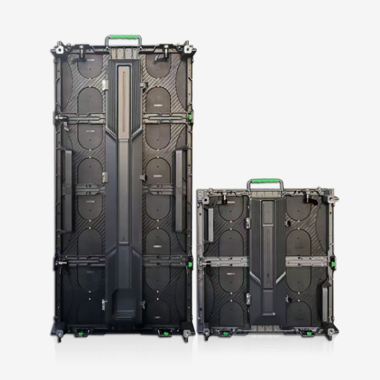
The structural design of the LED stage lighting screen begins with determining the size and shape that best suits the stage layout and the visual needs of the performance. For large - scale stages, such as those in opera houses or stadiums hosting major concerts, expansive LED screens may be required to cover the entire rear wall of the stage, creating a grand and immersive backdrop. In contrast, smaller theaters or intimate performance spaces may benefit from more compact and modular LED screen setups. The shape of the screen can also vary, with rectangular and square shapes being the most common, but custom - shaped screens, such as circular or irregularly contoured ones, can be designed to add a unique visual element to the stage.
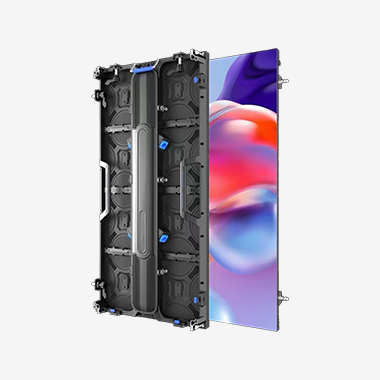
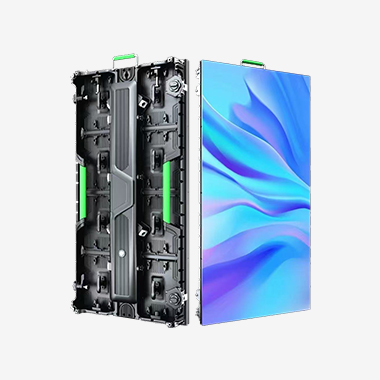
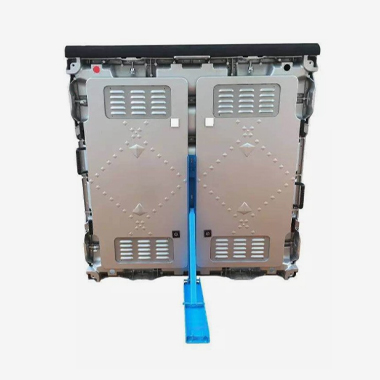
The frame of the LED stage lighting screen is typically constructed from durable and lightweight materials, such as aluminum alloy or high - strength steel. Aluminum alloy is often preferred due to its excellent strength - to - weight ratio, which makes the screen easier to transport, install, and handle. The frame is designed to provide robust support for the LED modules while ensuring stability during the performance, even in the face of vibrations from sound systems or stage movements. For larger screens, additional support structures, like trusses or scaffolding, may be employed to reinforce the frame and prevent any potential sagging or distortion.
The LED modules are the heart of the stage lighting screen. High - quality LED modules are carefully selected based on their brightness, color accuracy, viewing angle, and reliability. Each module consists of an array of red, green, and blue (RGB) LEDs, which work in unison to generate a vast spectrum of colors through additive color mixing. The pixel pitch, which represents the distance between adjacent pixels on the screen, is a critical design parameter. A smaller pixel pitch results in a higher - resolution display, which is ideal for close - up viewing and detailed visual content, such as intricate patterns or fine text. However, for stages with larger viewing distances, a slightly larger pixel pitch can be sufficient while reducing costs and complexity.
In addition to the LED modules, the screen incorporates a sophisticated lighting control system. This system enables precise manipulation of the LED lighting effects, including brightness adjustment, color changing, and the creation of dynamic lighting patterns. Lighting control consoles, either hardware - based or software - driven, are used by lighting designers to program and execute the desired lighting sequences, which can be synchronized with the music, sound effects, and the flow of the performance.
The electrical system of the LED stage lighting screen is designed to provide a stable and reliable power supply to all components. Specialized power supplies are used to convert the incoming electrical power to the appropriate voltage and current levels required by the LED modules and control systems. Shielded cables and connectors are employed to minimize electrical interference and ensure the smooth transmission of power and control signals. Rigorous testing is conducted during the construction process to verify the integrity of the electrical system and ensure safe and efficient operation.
The working principles of LED stage lighting screens for stage backgrounds are based on the fundamental properties of LEDs and the principles of digital signal processing, which work in tandem to create captivating visual and lighting effects. At the core of the operation, when an electric current is applied to an RGB LED within the LED module, the red, green, and blue semiconductor regions emit light at specific wavelengths corresponding to the primary colors of light. By precisely controlling the intensity of each of these primary colors, a vast array of colors and shades can be generated through additive color mixing, enabling the reproduction of detailed images, videos, and dynamic visual content on the stage background.
The process begins with the input of digital content, which can come from various sources such as computers, media servers, video players, or live camera feeds. The control system, which is the brain of the LED stage lighting screen, receives the digital video signal and decodes it. The signal is then broken down into individual frames, and each frame is further divided into pixels. For every pixel on the screen, the control system calculates the precise intensity values for the red, green, and blue LEDs based on the color information encoded in the frame.
These calculated intensity values are then transmitted as electrical signals to the LED modules. The signals are sent at a high frequency, allowing the LEDs to rapidly switch on and off or adjust their brightness levels. This rapid modulation of the LEDs creates the illusion of continuous and smooth images or videos on the stage background. The refresh rate of the LED screen, which refers to the number of times the screen updates its image per second, is a crucial parameter. A higher refresh rate ensures that fast - moving images, such as those in action - packed dance sequences or rapidly changing video clips, appear smooth and free from flickering or ghosting, enhancing the overall visual quality of the stage performance.
For the lighting functionality, the lighting control system plays a pivotal role. Lighting designers use dedicated lighting control consoles or software applications to send control signals to the LED modules. These signals can adjust various aspects of the LED lighting, including brightness, color temperature, and lighting patterns. For example, by adjusting the brightness of the LEDs, the lighting designer can create a gradual fade - in or fade - out effect, adding a sense of drama to the performance. Changing the color temperature can alter the mood of the stage, with warm colors evoking a cozy or passionate atmosphere and cool colors creating a more serene or mysterious ambiance. Dynamic lighting patterns, such as chasing lights or strobing effects, can be programmed to synchronize with the rhythm of the music, intensifying the energy and excitement of the performance.
Synchronization between the visual content display and the lighting effects is a key aspect of the working principles. Specialized synchronization technologies, such as time - code synchronization, are used to ensure that the images or videos displayed on the stage background and the lighting effects are perfectly coordinated. This synchronization can be achieved by using a common time - code signal that triggers both the display and lighting systems, ensuring that they operate in harmony. For instance, during a musical number, the lighting effects can be timed to flash in sync with the beats of the music, while the visual content on the stage background changes to match the lyrics or the theme of the song, creating a highly immersive and engaging experience for the audience.
LED stage lighting screens for stage backgrounds offer a plethora of advantages that have significantly elevated the quality and impact of stage performances. One of the most prominent benefits is the ability to create highly immersive and visually stunning stage environments. With their high - resolution displays, vivid color reproduction, and the capacity to showcase dynamic visual content, these screens can transport the audience into the heart of the story, enhancing the overall storytelling experience. Whether it's depicting a lush forest, a bustling cityscape, or a magical realm, the detailed and realistic visuals on the stage background draw the audience in, making them feel like they are part of the performance.
The flexibility and versatility of LED stage lighting screens are also major advantages. They can be easily customized to fit the specific requirements of each stage production. Stage designers have the freedom to change the visual content displayed on the screen in real - time, allowing for quick adaptations to different scenes, moods, and narrative twists within the performance. This flexibility also extends to the integration with other stage elements, such as props, sets, and live performers. The screen can be used to project images that interact with the physical stage set, creating a seamless blend of the virtual and the real. Additionally, the modular design of many LED screens enables them to be configured in various shapes and sizes, making them suitable for a wide range of stage layouts and performance spaces.
Energy efficiency is another significant advantage of LED stage lighting screens. Compared to traditional stage lighting and background solutions, such as incandescent lights and painted backdrops, LED - based systems consume far less energy. This not only reduces the operational costs of stage productions but also aligns with the growing global focus on sustainability. LED lights have a longer lifespan, which means less frequent replacement and maintenance, further contributing to cost savings and reducing the environmental impact associated with waste disposal.
However, the adoption of LED stage lighting screens for stage backgrounds also comes with several challenges. The high initial cost is one of the most significant barriers. The purchase, installation, and setup of a high - quality LED stage lighting screen, along with the necessary control systems and supporting equipment, can require a substantial financial investment. This cost can be a deterrent, especially for smaller theater companies, community theaters, or independent production groups with limited budgets.
Technical complexity is another challenge. Operating and maintaining LED stage lighting screens demand specialized knowledge and skills. Stage crews need to be trained in using media players, content management software, lighting control consoles, and troubleshooting technical issues related to the LED modules, electrical systems, and signal transmission. Inadequate technical expertise can lead to operational glitches, such as image distortion, lighting malfunctions, or signal interruptions during the performance, which can disrupt the flow of the show and negatively impact the audience experience.
Compatibility issues also pose a problem. LED stage lighting screens need to be compatible with other stage technologies, including sound systems, projection equipment, and stage automation systems. Ensuring seamless integration between these different systems can be a complex task, requiring careful planning, coordination, and sometimes, custom - tailored solutions. Moreover, the rapid pace of technological advancements in the LED industry means that stage productions may need to invest in upgrades regularly to keep up with the latest features and performance standards, adding to the overall cost and complexity of using LED stage lighting screens.
The applications of LED stage lighting screens for stage backgrounds are diverse and have left an indelible mark on various forms of stage performances. In musical theater, these screens are used to create elaborate and ever - changing backdrops that enhance the storytelling and bring the musical's setting to life. For example, in a historical musical, the LED stage lighting screen can display detailed images of ancient cities, palaces, or battlefields, transporting the audience back in time. During song and dance numbers, dynamic lighting effects on the screen can be synchronized with the music and choreography, intensifying the energy and excitement of the performance.
In opera, LED stage lighting screens play a crucial role in setting the mood and atmosphere of each act. They can display abstract or symbolic visuals that complement the opera's themes and emotions. For a tragic opera, the screen can be used to project dark, moody images and lighting effects, while for a more light - hearted opera, bright and colorful visuals can be showcased. The ability to change the background quickly between scenes also helps to maintain the flow of the opera and keep the audience engaged.
In dance performances, LED stage lighting screens provide a dynamic and visually stimulating backdrop that enhances the choreography. Abstract patterns, colors, and movements displayed on the screen can interact with the dancers' movements, creating a visually captivating synergy. The lighting effects on the screen can also be used to highlight the dancers, create shadows and textures, and add depth and dimension to the stage, enhancing the overall aesthetic appeal of the dance performance.
Looking towards the future, the LED stage lighting screen industry for stage backgrounds is poised to witness several exciting trends. One of the major trends is the development of even higher - resolution displays. As technology continues to advance, we can expect to see the widespread adoption of 8K and beyond - resolution LED screens for stage backgrounds. These ultra - high - resolution screens will enable stage designers to create more detailed and realistic visual worlds, enhancing the immersive experience for the audience.
The integration of advanced technologies, such as virtual reality (VR), augmented reality (AR), and mixed reality (MR), is set to revolutionize stage performances. LED stage lighting screens could serve as a gateway for integrating these technologies into the stage, allowing for the creation of more interactive and immersive experiences. For example, AR - enabled LED screens could project virtual elements that interact with the live performers on stage, blurring the boundaries between the real and the virtual.
Artificial intelligence (AI) and machine learning (ML) are also expected to play a significant role in the future of LED stage lighting screens. AI - powered algorithms can analyze the performance, audience reactions, and other data in real - time to optimize the visual content and lighting effects on the stage background. ML can be used to predict potential technical issues with the LED screen and take preventive measures, ensuring the smooth operation of the stage production.
Another notable trend is the increasing focus on sustainability. There will be a growing demand for more energy - efficient and eco - friendly LED stage lighting screen solutions. This includes the development of LED modules with even lower power consumption, the use of recycled materials in manufacturing, and the implementation of energy - saving control systems. Additionally, the industry may see a rise in the use of renewable energy sources, such as solar power, to operate LED stage lighting screens, further reducing the environmental impact of stage productions.
In conclusion, LED stage lighting screens for stage backgrounds have become an indispensable and transformative element in modern stage performances. Their ability to combine stunning visual displays with dynamic lighting effects has opened up new creative horizons, enhancing the storytelling, atmosphere, and overall experience of stage shows across various genres.
Despite the challenges of high initial costs, technical complexity, and compatibility issues, the numerous advantages offered by LED stage lighting screens make them a worthy investment for stage productions. As technology continues to evolve at a rapid pace, we can anticipate significant advancements in this field. The development of higher - resolution displays, the integration of cutting - edge technologies like VR, AR, AI, and ML, and the increasing focus on sustainability will all contribute to the continuous evolution of LED stage lighting screens for stage backgrounds.
By embracing these trends and leveraging the latest technological innovations, stage designers, directors, and producers can continue to push the boundaries of creativity, creating more immersive, engaging, and memorable stage experiences for audiences worldwide. Whether it's a grand musical, an intimate theater play, or a contemporary dance performance, LED stage lighting screens for stage backgrounds will undoubtedly remain at the forefront of stage design, shaping the future of the performing arts industry.


Copyright © 2026 Shenzhen Cogo Technology Co.,Ltd.
All Rights Reserved

 Previous article