





 Chat Now
In the vibrant world of festivals, outdoor LED event signage has emerged as a game - changing element, revolutionizing the way information is conveyed, atmospheres are created, and audiences are engaged. Festivals, whether they are music festivals, cultural carnivals, or food fairs, attract large crowds, and effective communication is crucial to ensure a smooth and enjoyable experience for attendees. Outdoor LED event signage serves as a dynamic and visually striking medium that meets these communication needs while enhancing the overall aesthetic and excitement of the festival environment.
These signage systems are characterized by their high - brightness displays, large - scale format, and ability to operate in various outdoor weather conditions. Unlike traditional static signage, LED event signage can showcase a wide range of content, including live event schedules, artist information, promotional messages, and real - time updates. The use of full - color LED technology allows for vivid and eye - catching visuals, which can easily capture the attention of festival - goers amidst the bustling and colorful festival atmosphere.
The increasing popularity of outdoor LED event signage can be attributed to several factors. Firstly, the growth of the festival industry globally has led to a higher demand for more effective and innovative communication tools. As festivals become more complex and diverse, with multiple stages, vendors, and activities, clear and accessible signage is essential to help attendees navigate the event. Secondly, advancements in LED technology have made outdoor LED displays more reliable, energy - efficient, and cost - effective. These improvements have made it possible for event organizers to invest in high - quality signage that can withstand the rigors of outdoor use and provide long - lasting performance.
Moreover, outdoor LED event signage offers a unique opportunity for event sponsors and advertisers. By incorporating branded content and advertisements into the signage, sponsors can increase their brand visibility and reach a large and diverse audience. This symbiotic relationship between event organizers, sponsors, and attendees has further fueled the adoption of outdoor LED event signage in the festival industry.
The design and construction of outdoor LED event signage for festivals are highly specialized processes that require careful consideration of multiple factors to ensure optimal performance, durability, and visual impact. The design phase begins with a thorough understanding of the festival's theme, layout, and audience demographics. This information is used to determine the size, shape, and location of the signage, as well as the type of content that will be displayed.
One of the key design considerations is the size of the LED display. Given the large crowds and open spaces typical of festivals, outdoor LED event signage needs to be large enough to be visible from a distance. Sizes can range from small - scale directional signs to massive video walls that span several meters. The choice of size depends on factors such as the viewing distance, the amount of content to be displayed, and the available budget.
The pixel pitch is another critical design element. For outdoor applications, a relatively larger pixel pitch is often preferred compared to indoor displays. This is because the signage is typically viewed from a greater distance, and a larger pixel pitch can still provide a clear and legible image while reducing the cost of the display. However, as technology advances, smaller pixel pitches are becoming more feasible for outdoor use, enabling higher - resolution and more detailed visuals.
In terms of construction, outdoor LED event signage is built to withstand harsh outdoor conditions. The enclosures are made from rugged materials such as aluminum or steel, which provide excellent protection against water, dust, and impact. Special sealing techniques are used to ensure that the internal components of the display are well - protected from moisture and debris. Additionally, the displays are equipped with efficient cooling systems, as outdoor temperatures can vary significantly and high heat can affect the performance and lifespan of the LED components.
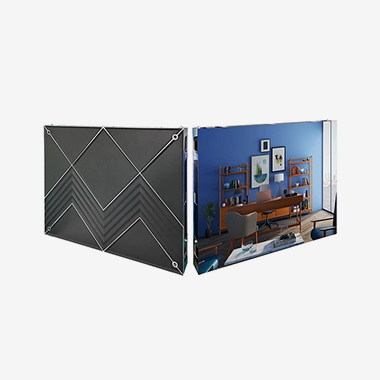
The modular design is commonly employed in the construction of outdoor LED event signage. This allows for easy installation, maintenance, and replacement of individual components. In the event of a malfunction or damage, individual LED modules can be quickly swapped out, minimizing downtime and ensuring that the signage remains operational throughout the festival. The electrical and data connections between the modules are also designed to be robust and reliable, ensuring seamless communication and power supply.
The working principles of outdoor LED event signage for festivals are based on the fundamental properties of light - emitting diodes (LEDs) and advanced digital signal processing. LEDs are semiconductor devices that emit light when an electric current passes through them. In outdoor LED event signage, red, green, and blue (RGB) LEDs are used in combination to produce a wide spectrum of colors, enabling the display of vivid and colorful images.
The process starts with the input of digital content, which can come from various sources such as computers, media servers, or live video feeds. This digital content is in the form of data packets that contain information about the images, videos, or text to be displayed. The data is then transmitted to the control system of the LED signage.
The control system, which typically consists of control cards and software, plays a crucial role in the operation of the LED signage. The control cards receive the digital data and convert it into electrical signals that can be used to control the individual LEDs. These electrical signals determine the intensity and color of each LED, allowing for the creation of different visual effects.
To display an image or video, the control system sends signals to the LEDs in a sequential manner. Each LED in the display is addressed individually, and the control system rapidly switches the LEDs on and off at a high frequency, a process known as pulse - width modulation (PWM). By varying the duration for which each LED is on, the control system can adjust the brightness of the LED, creating the illusion of continuous and smooth images.
In addition to controlling the LEDs, the control system also manages the synchronization of the display. This is essential for ensuring that all the LEDs update at the same time, preventing any visual artifacts or flickering. The control system also interfaces with other external devices, such as cameras for live - streaming, sensors for environmental monitoring, and network connections for remote content management. This integration allows for real - time updates and dynamic content display, enhancing the interactivity and functionality of the outdoor LED event signage.
Outdoor LED event signage for festivals offers a plethora of advantages that have made it an indispensable part of modern festival experiences. One of the most significant advantages is its high visibility and impact. The bright and colorful displays can easily stand out in the outdoor festival environment, even in direct sunlight or at night. This high - visibility ensures that important information, such as stage schedules, emergency exits, and sponsor messages, can be easily seen by all attendees, improving the overall organization and safety of the festival.
Another major advantage is the flexibility of content display. Outdoor LED event signage can showcase a wide variety of content, from pre - recorded videos and animations to live - streaming of performances. Event organizers can quickly update the content in real - time, providing festival - goers with the latest information, such as lineup changes, weather alerts, or special announcements. This dynamic content display keeps the audience engaged and informed throughout the festival.
In terms of cost - effectiveness in the long run, although the initial investment in outdoor LED event signage can be high, their energy - efficiency and long lifespan make them a financially viable option. LED displays consume less power compared to traditional display technologies, resulting in lower electricity bills. Additionally, with proper maintenance, LED signage can last for many years, reducing the need for frequent replacements.
However, outdoor LED event signage also faces several challenges. The harsh outdoor environment is one of the biggest obstacles. Exposure to sunlight, rain, wind, dust, and extreme temperatures can all take a toll on the performance and lifespan of the signage. Special measures need to be taken to protect the displays from these elements, such as using UV - resistant materials, waterproof enclosures, and efficient cooling and heating systems. These additional protective features increase the cost and complexity of the signage.
Another challenge is the technical complexity of installation and maintenance. Installing large - scale outdoor LED event signage requires specialized skills and equipment. Moreover, maintaining the signage during the festival and over its lifespan requires a team of trained technicians. Any technical issues, such as faulty LED modules or data transmission problems, need to be addressed promptly to ensure the continuous operation of the signage.
The competition for audience attention at festivals is also intense. With so many visual stimuli present at festivals, outdoor LED event signage needs to be designed and programmed in a way that truly captures the audience's interest. Creating unique and engaging content that stands out from the crowd requires creativity and a deep understanding of the festival audience.
Outdoor LED event signage has a wide range of applications within the festival environment. One of the most common applications is for wayfinding and information dissemination. Large - scale LED maps, directional signs, and event schedules are placed strategically throughout the festival grounds to help attendees navigate the event and find their way to different stages, food vendors, restrooms, and other important locations.
For promotional purposes, outdoor LED event signage serves as a powerful marketing tool. Event organizers use the signage to promote upcoming performances, special events, and festival merchandise. Sponsors also benefit from the signage by displaying their brand logos, products, and advertisements, reaching a large and captive audience.
In enhancing the festival atmosphere, LED signage plays a crucial role. Dynamic light shows, visual backdrops for stages, and interactive displays can all be created using outdoor LED event signage. These visual elements add to the overall excitement and entertainment value of the festival, creating a more immersive experience for attendees.
Looking to the future, several trends are emerging in the field of outdoor LED event signage for festivals. One trend is the integration of advanced technologies such as augmented reality (AR) and virtual reality (VR). AR - enabled LED signage could allow festival - goers to interact with digital content overlaid on the real - world festival environment, providing unique and personalized experiences. VR - compatible LED displays could be used to create immersive pre - show experiences or virtual backstage tours.
Another trend is the development of more energy - efficient and sustainable LED technologies. As environmental concerns grow, there is a increasing demand for LED signage that consumes less power and has a lower carbon footprint. New materials and manufacturing processes are being explored to make LED displays more eco - friendly without sacrificing performance.
The miniaturization of LED components is also on the rise. Smaller LED chips enable higher - resolution displays in a more compact form factor, allowing for more creative and flexible signage designs. This could lead to the creation of more intricate and detailed visual experiences at festivals.
Conclusion
Outdoor LED event signage has become an essential and transformative element in the festival industry. Its ability to provide high - visibility, flexible, and dynamic communication, along with its role in enhancing the festival atmosphere and promoting sponsors, has made it a valuable asset for event organizers. Despite the challenges posed by the outdoor environment, technical complexity, and competition for attention, the continuous advancements in LED technology and the growing demand for innovative festival experiences are driving the evolution of outdoor LED event signage.
As we look ahead, the integration of new technologies, the pursuit of greater energy efficiency, and the exploration of more creative designs will further expand the capabilities and applications of outdoor LED event signage. It will continue to play a pivotal role in shaping the future of festivals, providing attendees with more engaging, informative, and immersive experiences while also meeting the business needs of event organizers and sponsors. The future of outdoor LED event signage for festivals is bright, full of possibilities, and set to redefine the way we experience and interact with festivals.


Copyright © 2026 Shenzhen Cogo Technology Co.,Ltd.
All Rights Reserved

 Previous article