




 Chat Now
LED event signage for trade shows refers to specialized digital display systems designed to enhance brand visibility, engage attendees, and streamline information sharing within trade show environments. Unlike large outdoor advertising LED displays or permanent indoor signs, these systems are tailored to the unique demands of trade shows—including portability, quick setup/teardown, and compatibility with dynamic, booth-specific content.
Typically ranging in size from compact 32-inch screens (for booth counters) to large 100+ inch video walls (for backdrop displays), trade show LED signage leverages RGB (red, green, blue) LED technology to deliver vibrant, high-contrast full-color content. A key focus is pixel pitch, with smaller pitches (1.2mm–3mm) used for close-viewing applications (e.g., product detail screens at booths) and medium pitches (4mm–8mm) for larger backdrops or shared event spaces. These signs are often lightweight, modular, and designed to fit within standard trade show booth dimensions (e.g., 10x10 ft or 20x20 ft), making them easy to transport and install without specialized heavy equipment.
In recent years, their adoption has surged as trade show exhibitors seek to stand out in crowded halls. Unlike traditional static banners or posters, LED signage supports real-time content updates—allowing exhibitors to switch between product demos, customer testimonials, and promotional videos throughout the event. They also integrate with interactive tools (e.g., touchscreens or QR code links) to drive attendee engagement, such as collecting leads or offering instant product information. With trade shows increasingly focused on creating immersive experiences, LED signage has become a core tool for exhibitors aiming to attract foot traffic, communicate brand value, and maximize return on investment (ROI) from event participation.
The design and construction of LED event signage for trade shows prioritize portability, speed of assembly, and versatility—critical factors given the tight timelines (often just hours for setup) and space constraints of trade show environments.
The process begins with form factor design, tailored to booth needs. Common designs include:
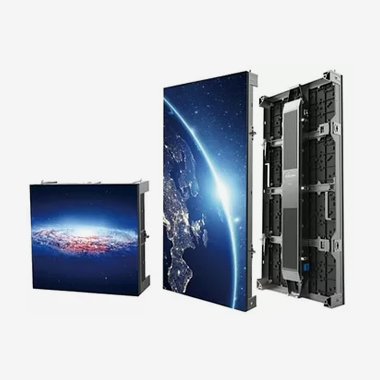
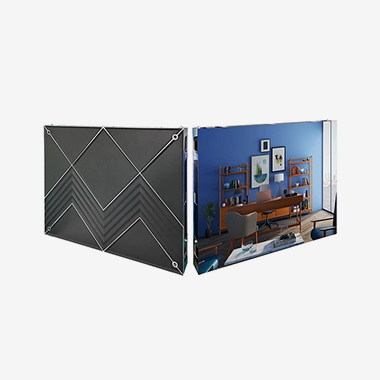
Modular video walls: Composed of lightweight (5–10kg per panel) LED modules that connect via magnetic or quick-lock mechanisms. These modules can be assembled into custom shapes (e.g., rectangles, curves) to fit booth backdrops, with standard sizes (e.g., 500x500mm panels) ensuring compatibility across different events.
All-in-one displays: Compact, self-contained units (e.g., 55-inch floor stands or countertop screens) with built-in stands and integrated power supplies. These require minimal setup—often just plugging into a standard power outlet—and are ideal for small to mid-sized booths.
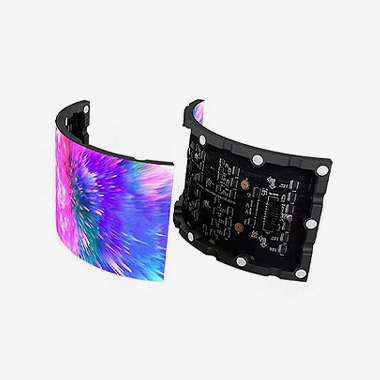
Rollable/flexible LEDs: Ultra-thin (less than 5mm) LED screens that roll into a carrying case, designed for exhibitors who need maximum portability. These are lightweight (often under 3kg for a 65-inch screen) and can be mounted on booth walls or stands using adhesive strips or clips.
Component selection focuses on durability and ease of use. LEDs are encapsulated in scratch-resistant, shatterproof glass to withstand transport and handling. Driver ICs are integrated into modules to simplify wiring, while control systems use plug-and-play interfaces (e.g., HDMI, USB-C, or wireless Wi-Fi) to connect to laptops or media players—eliminating the need for technical expertise during setup. Power supplies are often external but compact, with voltage compatibility (100–240V) to work in international trade show venues.
Structural considerations include foldable stands or telescopic poles for all-in-one displays, and lightweight aluminum frames for video walls—ensuring stability without adding excess weight. Many systems also include cable management solutions (e.g., hidden channels or Velcro straps) to keep booths neat, as cluttered wiring can deter attendees. Finally, testing focuses on quick assembly (verifying that a video wall can be set up in under 30 minutes) and transport durability (simulating the jostling of shipping to ensure components remain intact).
LED event signage for trade shows operates on core principles of additive color mixing and simplified digital signal processing, adapted to prioritize ease of use and rapid content deployment—critical for the fast-paced trade show environment.
At its foundation is additive color mixing: each pixel in the display contains three LEDs (red, green, blue) that emit light at varying intensities. By combining these primary colors, the signage can produce millions of hues—from bold brand logos to detailed product images—ensuring content is visually striking even in well-lit trade show halls. For example, full intensity from all three LEDs creates white light, while a mix of red and green produces yellow—ideal for highlighting promotional text or brand accents.
The content workflow is streamlined for exhibitor convenience. Exhibitors typically use a laptop, tablet, or dedicated media player to load content (e.g., videos, slideshows, static images) into a user-friendly content management system (CMS)—often a simple app or web-based platform. The CMS sends this content to the signage’s control module, which processes the data into pixel-level instructions: for each pixel, it specifies the brightness (measured in milliamps) required for the red, green, and blue LEDs.
For signal transmission, trade show LED signage prioritizes simplicity. Most systems use plug-and-play connections: HDMI or USB-C cables for direct laptop linking, or Wi-Fi/Bluetooth for wireless updates. This eliminates the need for complex wiring, allowing exhibitors to switch content in seconds—for example, updating a product demo video when a potential client visits the booth. For modular video walls, a master control unit distributes the pixel data to each panel via daisy-chain cables (e.g., Ethernet), ensuring all panels synchronize to form a single, seamless image.
To ensure flicker-free performance (critical for holding attendee attention), the signage uses PWM (Pulse Width Modulation) technology. PWM rapidly turns LEDs on and off (at frequencies of 1,000Hz or higher, invisible to the human eye), with the “on” pulse duration determining brightness. This ensures smooth video playback and prevents eye strain for attendees viewing the sign for extended periods. Additionally, many systems include ambient light sensors that adjust brightness automatically—dimming in dimly lit halls to save energy and brightening in sunlit areas (e.g., near exhibition center windows) to maintain visibility.
LED event signage for trade shows offers exhibitors distinct advantages for attracting attendees and maximizing event impact, but it also presents challenges related to cost, logistics, and on-site functionality—factors that exhibitors must address to ensure success.
Advantages:
Enhanced Attendee Engagement: Unlike static banners, LED signage supports dynamic content—videos, animations, and interactive tools—that captures attention in crowded trade show halls. For example, a touchscreen LED display can let attendees browse product catalogs or watch personalized demos, increasing the time they spend at the booth. Studies show that booths with LED signage attract 40% more foot traffic than those with static displays, directly boosting lead generation.
Flexibility and Real-Time Updates: Exhibitors can update content in seconds—no need to print new materials—allowing them to adapt to event dynamics. For instance, if a popular product sells out, they can quickly switch to promoting a similar item; or during a keynote, they can display quotes or key takeaways to align with event themes. This flexibility is especially valuable for multi-day trade shows, where content can be refreshed to keep booths feeling new.
Portability and Easy Setup: Designed for trade show timelines, most LED signage is lightweight (often under 20kg for a 65-inch video wall) and requires no specialized tools to assemble. Modular systems can be set up by 1–2 people in 30 minutes or less, reducing reliance on expensive on-site labor. Compact packaging (e.g., rolling cases for video wall panels) also simplifies transport to and from events.
Brand Consistency: LED signage delivers consistent color accuracy and brightness, ensuring brand logos, colors, and messaging are displayed exactly as intended—unlike printed materials, which can fade or vary between batches. This consistency strengthens brand recognition, especially for exhibitors with multiple booths or global events.
Challenges:
Upfront Cost: High-quality trade show LED signage can range from \(1,500 (for a small countertop screen) to \)20,000+ (for a large video wall), making it a significant investment for small or budget-constrained exhibitors. While rental options exist (often \(500–\)3,000 per event), recurring rental fees can add up over multiple shows.
Power and Connectivity Dependencies: LED signage requires access to reliable power (often 110–220V), which can be problematic in older trade show venues with limited outlets. Wireless connectivity (for content updates) may also be spotty in crowded halls, forcing exhibitors to rely on wired connections—adding complexity to setup.
Durability Risks During Transport: Despite rugged designs, repeated transport (e.g., shipping between shows) can damage LED modules or stands. Repairs are costly and may not be feasible during an event, leading to downtime that harms booth performance.
Content Preparation Burden: Creating high-quality, trade show-specific content (e.g., short demo videos, interactive tools) requires time and resources. Exhibitors who rush content creation may end up with low-quality visuals that fail to engage attendees, wasting the signage’s potential.
LED event signage for trade shows has become a versatile tool for exhibitors, with applications spanning booth branding, attendee engagement, and event operations. As trade shows evolve to prioritize interactivity and personalization, new trends are shaping the future of this technology.
Key Applications:
Booth Branding and Backdrops: The most common use, large LED video walls (e.g., 8x10 ft) serve as eye-catching backdrops for booths, displaying brand logos, mission statements, or dynamic brand videos. These backdrops replace traditional fabric banners, creating a modern, professional look that attracts attendees from across the trade show hall. For example, a tech company might use a video wall to showcase product animations, while a fashion brand could display runway footage.
Product Demonstration and Education: Medium-sized LED screens (43–65 inches) placed at booth counters or product stations are used to show detailed demos—such as how a software tool works or the features of a new appliance. Interactive touchscreens take this further, allowing attendees to navigate demos at their own pace or access additional resources (e.g., whitepapers or case studies) via QR codes displayed on the screen.
Lead Generation and Engagement: LED signage integrates with lead capture tools to drive conversions. For instance, a screen might display a promotional offer (e.g., “Scan this QR code for a free sample”) that directs attendees to a landing page where they enter contact information. Some systems also use facial recognition (with attendee consent) to track engagement metrics, such as how long attendees watch a demo—helping exhibitors follow up with high-interest leads.
Event-Wide Information Sharing: Trade show organizers use large LED displays in common areas (e.g., lobbies, hall entrances) to share schedules, keynote updates, or wayfinding maps. These displays keep attendees informed and reduce congestion at information desks, improving the overall event experience.
Future Trends:
AI-Powered Personalization: LED signage will integrate with artificial intelligence (AI) to deliver tailored content. For example, using attendee data (from event badges or pre-registration), a screen could display personalized product recommendations—e.g., showing a healthcare product to a medical professional or a software tool to a business owner. AI will also enable real-time content optimization, adjusting visuals based on which demos attract the most engagement.
Immersive and 3D Experiences: Advancements in 3D LED technology will allow signage to display holographic-like content, creating immersive experiences. For example, a automotive exhibitor could use a 3D LED screen to show a life-sized, rotating model of a new car, letting attendees “examine” details without a physical vehicle. Curved or transparent LED displays will also become more common, enabling booth designs that feel open and inviting while still delivering dynamic content.
Sustainability Focus: Manufacturers will develop eco-friendly LED signage, using recycled materials for frames and energy-efficient LEDs that reduce power consumption by up to 30% compared to current models. Solar-powered portable displays will also emerge, ideal for trade shows with sustainability themes or venues with limited power access.
Seamless Integration with Event Tech: LED signage will connect with other trade show technologies, such as virtual reality (VR) booths or live streaming platforms. For example, a screen could display a live feed of a VR demo, letting attendees who don’t want to wear headsets still engage with the content. It could also stream booth activities to remote attendees, expanding the reach of trade show participation beyond in-person visitors.
Conclusion
LED event signage for trade shows has transformed how exhibitors engage with attendees, turning traditional, static booths into dynamic, interactive spaces that drive visibility, engagement, and lead generation. Its focus on portability, quick setup, and real-time content updates addresses the unique demands of trade shows, while its ability to deliver vibrant, consistent visuals ensures brands stand out in crowded halls.
Throughout this series, we’ve explored the core of this technology: the overview highlighted its role in trade show environments and key design priorities like portability; the design and construction section detailed how it’s built to meet event timelines and space constraints; the working principles broke down its simplified signal processing and color mixing, tailored for exhibitor ease of use; the advantages and challenges section weighed its ability to boost engagement against costs and logistical risks; and the applications and future trends section showcased its current uses and upcoming innovations like AI personalization and 3D experiences.
As trade shows continue to evolve—with a growing focus on personalization, sustainability, and hybrid (in-person + virtual) experiences—LED signage will become even more integral to exhibitor success. Future advancements like AI-driven content and immersive 3D displays will enable exhibitors to create more meaningful connections with attendees, while sustainable designs will align with global environmental goals. While challenges like upfront costs remain, the long-term ROI—from increased foot traffic, higher lead quality, and stronger brand recognition—makes LED signage a worthwhile investment for exhibitors serious about maximizing their trade show impact.
In summary, LED event signage for trade shows is more than just a display tool: it’s a strategic asset that bridges technology and marketing, helping exhibitors adapt to the fast-paced, experience-driven world of trade shows. As events become more competitive, those who leverage this technology effectively will be best positioned to attract attention, engage attendees, and achieve their business goals.


Copyright © 2026 Shenzhen Cogo Technology Co.,Ltd.
All Rights Reserved

 Previous article