




 Chat Now
Outdoor LED display video walls have revolutionized event experiences by combining cutting-edge technology with dynamic visual storytelling. These large-scale screens, constructed from modular LED panels, are engineered to withstand harsh environmental conditions while delivering high-resolution content in real time. From concerts and festivals to corporate launches and sports events, outdoor LED walls serve as immersive backdrops that captivate audiences and amplify brand messaging.
The global market for outdoor LED displays is projected to grow at a compound annual rate of 12.3% through 2030, driven by demand for energy-efficient, weather-resistant solutions. Key advancements include higher pixel densities (e.g., P2.9mm panels for close-up viewing), adaptive brightness controls (5,000–12,000 nits for daylight visibility), and IP65-rated enclosures for dust and water resistance. These innovations enable seamless integration into architectural facades, temporary stages, and open-air venues, transforming ordinary spaces into visually striking environments.
2.1 Modular Architecture
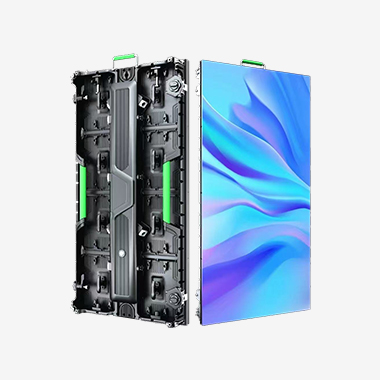
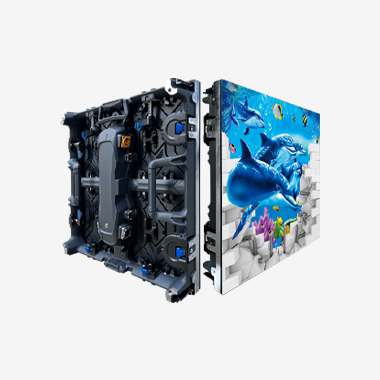
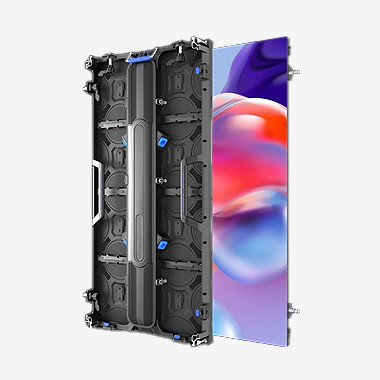
Outdoor LED video walls are built using interlocking tiles, each containing thousands of micro-LEDs (Light Emitting Diodes). These tiles are available in standard sizes (e.g., 15.7’ x 9.5’ or 25.2’ x 9.5’) and can be assembled into custom configurations, such as curved or angular displays. For example, Leyard’s LN Series offers convex/concave curvature options, while Planar’s Luminate Ultra W Series supports 16:9 aspect ratios for cinematic content.
2.2 Weatherproofing and Durability
To endure rain, wind, and extreme temperatures, LED panels are encased in aluminum or fiberglass frames with silicone gaskets. IP65 certification ensures protection against dust ingress and water jets, while thermal management systems (e.g., heat sinks and forced-air cooling) prevent overheating. Some models, like the Leyard LA Series, feature lightweight designs for quick installation and dismantling, making them ideal for touring events.
2.3 Brightness and Contrast
Outdoor screens require brightness levels of 5,000–12,000 nits to compete with sunlight. Advanced LEDs use black-body SMD (Surface-Mount Device) technology to enhance contrast ratios (e.g., 10,000:1), ensuring vivid colors even in direct light. For instance, the Planar Luminate Ultra Series achieves 1.2mm pixel pitch with 2,500-nit brightness for up-close daylight viewing.
2.4 Power Efficiency
Modern LED walls consume 40–60% less energy than traditional projection systems. Common power-saving features include:
Dynamic dimming: Adjusts brightness based on ambient light.
Low-voltage drivers: Reduce energy loss.
Smart sensors: Optimize performance during temperature fluctuations.
3.1 Pixel Composition
Each LED acts as a pixel, combining red, green, and blue (RGB) diodes to produce 16.7 million colors. Higher pixel densities (e.g., P2.9mm vs. P10mm) improve resolution, allowing viewers to stand closer without perceiving individual pixels. For example, a P2.9mm screen with 1080p resolution is suitable for audiences within 10 feet, whereas a P10mm screen is better for long-distance viewing (50+ feet).
3.2 Signal Processing
Content is transmitted via HDMI, SDI, or fiber-optic cables to a central processor, which synchronizes the display across all panels. Advanced systems use FPGA (Field-Programmable Gate Array) chips for real-time rendering and low-latency playback (e.g., <1ms for live sports replays).
3.3 Control Software
User-friendly interfaces like NovaStar or Brompton enable operators to:
Adjust brightness, contrast, and color temperature.
Create multi-zone layouts for split-screen content.
Schedule automated playlists for advertising rotations.
Monitor panel health via diagnostic tools.
3.4 Plug-and-Play Setup
Modern LED walls feature tool-less assembly and pre-calibrated panels, reducing setup time from hours to minutes. Rental companies often provide technical support, ensuring compatibility with existing AV systems.
4.1 Advantages
Visual Impact: LED walls outperform projectors in brightness and contrast, ensuring visibility in daylight.
Flexibility: Content can be updated instantly via cloud-based platforms, enabling dynamic advertising (e.g., rotating ads for multiple sponsors).
Engagement: Interactive features like touchscreens or social media feeds enhance audience participation.
Cost Efficiency: Rental models eliminate upfront capital costs, with prices ranging from
5,000to
50,000 per event depending on size and resolution.
4.2 Challenges
Initial Cost: High-resolution panels (e.g., P1.2mm) can exceed $10,000 per square meter.
Maintenance: Dust and moisture require regular cleaning to prevent pixel failure.
Content Design: Text and graphics must be optimized for LED resolution to avoid blurriness.
Weather Risks: Extreme heat or storms may necessitate backup generators or canopies.
5.1 Current Applications
Entertainment: Concerts (e.g., Coachella’s main stage), festivals (e.g., Glastonbury’s Pyramid Stage), and theaters use LED walls for immersive backdrops.
Sports: Stadiums deploy perimeter boards (e.g., FIFA World Cup’s LED advertising) and giant screens for replays.
Corporate Events: Product launches (e.g., Tesla’s Cybertruck reveal) leverage LED walls for 3D animations and live feeds.
Advertising: Billboards in Times Square rotate ads for brands like Coca-Cola and Samsung.
Public Installations: Municipalities use LED screens for wayfinding in parks or displaying community art.
5.2 Future Trends
MicroLED Technology: By 2030, microLEDs (pixel sizes <100µm) will enable ultra-thin, flexible displays with higher brightness and lower power consumption.
AI Integration: Machine learning algorithms will automate content optimization based on audience demographics or weather conditions.
Sustainability: Solar-powered LED walls and biodegradable materials will reduce environmental impact.
Virtual Production: LED volumes (e.g., used in The Mandalorian) will enable real-time rendering of virtual environments for film and gaming.
Conclusion
Outdoor LED display video walls have redefined event production by merging durability, versatility, and cutting-edge visuals. Their ability to withstand environmental challenges while delivering high-impact content makes them indispensable for modern events, from intimate weddings to global sports spectacles. As technology evolves, innovations like microLEDs and AI-driven content management will further expand their applications, ensuring LED walls remain at the forefront of outdoor entertainment and communication.
For businesses and event planners, investing in LED walls—whether through purchase or rental—offers a measurable ROI by enhancing audience engagement, brand visibility, and operational efficiency. By staying abreast of trends like sustainability and virtual production, stakeholders can leverage LED technology to create unforgettable experiences that resonate long after the event concludes.


Copyright © 2026 Shenzhen Cogo Technology Co.,Ltd.
All Rights Reserved

 Previous article