




 Chat Now
In the vibrant and diverse world of outdoor events, from large - scale music festivals and grand sports events to cultural carnivals and corporate outdoor gatherings, outdoor LED display stage signage has emerged as a transformative and indispensable element. These displays, leveraging the latest LED technology, serve as a powerful visual medium that not only enhances the aesthetic appeal of the event stage but also significantly elevates the overall event experience for both organizers and attendees.
The primary allure of outdoor LED display stage signage lies in its ability to create a visually stunning and immersive environment. Unlike traditional stage backdrops or static signage, LED displays offer dynamic and high - definition visuals that can adapt to the changing themes, moods, and narratives of the event. With their large - scale display capabilities, they can command the attention of audiences in vast outdoor spaces, ensuring that every attendee, regardless of their position in the venue, can enjoy clear and vivid visuals. Whether it's showcasing high - resolution images of performers, playing engaging promotional videos, or displaying real - time event information, these displays have the power to captivate and engage the audience from the moment they enter the event space.
One of the key advantages of outdoor LED display stage signage is its versatility. It can be customized to fit the unique requirements of different events. For music festivals, the LED displays can be used to create elaborate and ever - changing backdrops that synchronize with the music, enhancing the energy and atmosphere of the performances. In sports events, they can display live scores, player statistics, replays, and advertisements, keeping the audience informed and entertained throughout the event. For corporate outdoor events, these displays can be used to promote brand messages, showcase products, and display presentations, providing a professional and impactful platform for communication.
Another significant benefit is the interactivity that outdoor LED display stage signage can bring to events. With the integration of advanced technologies such as sensors, real - time data feeds, and audience engagement platforms, these displays can respond to the actions of performers, the behavior of the audience, or the changing event dynamics. For example, in a live concert, the LED display can change colors and patterns in sync with the beats of the music or display real - time social media posts from the audience, creating a sense of participation and connection. This interactivity not only enriches the event experience but also helps to build a stronger relationship between the event organizers, performers, and attendees.
Outdoor LED display stage signage also offers practical advantages in terms of durability and weather - resistance. Designed to withstand various outdoor environmental conditions, including rain, wind, sunlight, and extreme temperatures, these displays are built with robust materials and advanced engineering techniques. Specialized enclosures protect the internal components from moisture, dust, and physical damage, ensuring reliable operation throughout the event, even in adverse weather. This durability reduces the risk of technical failures during the event, providing peace of mind for event organizers and ensuring a seamless event experience for the audience.
In summary, outdoor LED display stage signage has become a cornerstone of modern outdoor event production, combining high - quality visuals, versatility, interactivity, and durability to create unforgettable event experiences that leave a lasting impression on all who attend.
The design and construction of outdoor LED display stage signage for events is a complex and meticulous process that requires a deep understanding of both LED technology and the unique demands of outdoor event environments. This process involves several key stages, from component selection to final installation, each crucial for ensuring the display's performance, reliability, and visual impact.
Component Selection
At the heart of outdoor LED display stage signage are the LED panels. The selection of LED panels is a critical decision that significantly impacts the display's quality and functionality. High - quality LED chips are the foundation of these panels. When choosing LED chips, factors such as brightness, color accuracy, viewing angle, and lifespan are carefully considered. For outdoor applications, LED chips with high - brightness ratings are essential to ensure visibility even in bright sunlight. They need to be able to produce vivid and clear images that can be seen from a distance, making the display stand out in large outdoor venues.
Color accuracy is also vital, as it determines the quality of the visual content. The LED chips should be able to reproduce a wide range of colors with high fidelity, ensuring that images, videos, and graphics look realistic and engaging. A wide viewing angle is necessary to ensure that the display can be seen clearly from different positions within the event venue, providing an optimal viewing experience for all attendees. Additionally, long - lifespan LED chips are preferred to reduce the frequency of replacements and maintenance, ensuring the display's reliability over time.
The pixel pitch of the LED panels is another important consideration. The pixel pitch refers to the distance between adjacent pixels on the display. For outdoor events, where the viewing distances can vary greatly, a pixel pitch that balances between image clarity and cost - effectiveness is chosen. Smaller pixel pitches offer higher resolution and more detailed visuals but come at a higher cost. In large outdoor venues, where the audience is seated further away from the display, slightly larger pixel pitches can be used without sacrificing too much on visual quality. Typically, pixel pitches ranging from 3mm to 10mm are commonly used in outdoor LED display stage signage, depending on the specific requirements of the event.
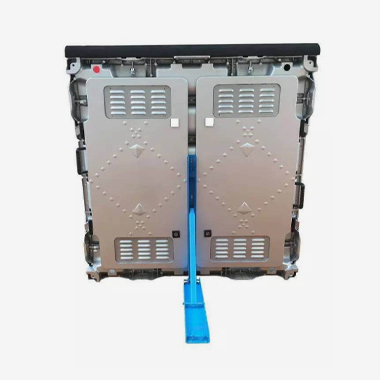
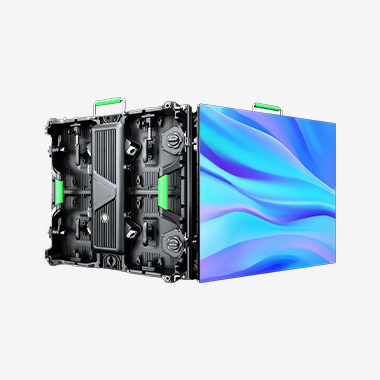
The enclosure of the LED panels is designed to provide robust protection against the harsh outdoor environment. Materials such as aluminum alloy or steel are often used due to their strength and durability. The enclosures are sealed tightly to prevent water, dust, and debris from entering, protecting the delicate internal components from damage. They also feature effective heat - dissipation mechanisms, such as heat sinks or ventilation systems, to manage the heat generated by the LED panels during operation. This is crucial as overheating can affect the performance and lifespan of the LEDs. Some enclosures may also be designed with shock - absorbing features to withstand accidental impacts or vibrations during transportation and installation.
The control system of the outdoor LED display stage signage is a sophisticated component that includes a video processor, a controller, and signal transmission devices. The video processor is responsible for receiving, processing, and optimizing the input video signals from various sources, such as media servers, cameras, or live streaming platforms. It can perform functions like scaling, cropping, and color correction to ensure that the content is displayed in the best possible quality on the LED panels. The controller manages the communication between the video processor and the LED panels, sending precise control signals to adjust the brightness, color, and refresh rate of each individual LED. High - speed and reliable signal transmission cables, such as HDMI, SDI, or fiber - optic cables, are used to transmit the video and control signals, minimizing signal loss and interference, even over long distances within the outdoor event venue.
Assembly and Integration
The assembly process of outdoor LED display stage signage begins with the installation of the individual LED panels. These panels are carefully mounted on a sturdy frame or structure, which is designed to support the weight of the panels and withstand the wind forces and other environmental factors in outdoor settings. Specialized mounting brackets and fixtures are used to ensure a secure and stable installation, while also allowing for precise alignment of the panels to create a seamless display surface. In some cases, the LED panels may be integrated into the stage structure itself, becoming an integral part of the stage design.
Once the LED panels are installed, the control system is integrated. The video processor and controller are usually placed in a protected control cabinet, which is located near the display for easy access and maintenance. The signal transmission cables are meticulously connected between the source devices, the control system, and the LED panels. Rigorous testing is conducted at this stage to ensure that all connections are secure and that the display can operate smoothly without any signal issues, such as lag, distortion, or dropped frames. Technicians also perform a series of tests to calibrate the display, adjusting the brightness, contrast, and color settings to optimize the visual quality based on the ambient lighting conditions and the specific requirements of the event.
In addition to the LED panels and control system, outdoor LED display stage signage may also incorporate other components, such as audio systems, lighting control interfaces, and environmental sensors. Integration of these additional components requires careful planning and coordination to ensure seamless operation and a cohesive event experience. For example, the LED display can be synchronized with the event's audio system to create a more immersive audio - visual experience, or environmental sensors can be used to adjust the brightness of the display automatically based on the ambient light conditions.
Customization
Outdoor LED display stage signage can be highly customized to meet the specific needs of different events. Customization options include the size and shape of the display. Displays can be designed in various shapes, such as rectangular, square, circular, or irregular shapes, to fit the unique stage design and layout of the event. The size of the display can range from a small - scale setup for intimate outdoor gatherings to a massive installation that covers the entire width and height of a large festival stage.
The content displayed on the LED signage can also be fully customized to match the theme, branding, and messaging of the event. Event organizers can work with graphic designers, video producers, and visual artists to create unique and engaging visual content, including custom - made animations, 3D models, live video feeds, and real - time data visualizations. Additionally, the display can be integrated with other event elements, such as projection mapping, fog machines, or pyrotechnics, to create a more spectacular and immersive event experience. For example, in a music festival, the LED display can be synchronized with the stage lighting and pyrotechnics to create a dazzling visual show that enhances the energy of the performances.
The operation of outdoor LED display stage signage for events is based on a combination of electrical, optical, and digital signal processing principles, which work in harmony to deliver high - quality, dynamic visual content that enhances the event experience.
LED Operation and Light Emission
Outdoor LED display stage signage operates on the principle of electroluminescence. When an electric current is applied to the LED chips within the display panels, electrons and holes in the semiconductor material of the LED recombine. This recombination process releases energy in the form of photons, resulting in the emission of light.
For full - color displays, each pixel in the LED panel typically consists of multiple LED chips, usually red, green, and blue (RGB) LEDs. By precisely controlling the intensity of each color LED, a vast range of colors and shades can be created. The color of the emitted light depends on the energy bandgap of the semiconductor material used in the LED chip. Different semiconductor materials produce different colors, and through careful calibration and control of the LED driver circuits, the display can achieve accurate color reproduction and a wide color gamut. This allows for the creation of vivid and lifelike visuals, whether it's displaying a brand logo in its exact colors or showcasing a colorful event highlight video.
Image Generation and Display
To generate an image on an outdoor LED display stage signage, digital video or data signals are first received by the display's control system. These signals can originate from various sources, such as pre - recorded video files stored on a media server, live video feeds from cameras positioned around the event venue, or real - time data from event - specific software applications. The video processor within the control system decodes and processes these signals.
The video processor converts the input signals into a format that can be understood by the LED driver circuits of the individual panels. It divides the image or video into individual pixels and determines the intensity values for each color LED in each pixel. The LED driver circuits then control the current flowing through each LED chip in the display panels. By precisely adjusting the current, the brightness of each LED can be regulated, and the desired image or video is displayed on the stage signage.
The LED panels in the display are arranged in a matrix pattern. The control system scans through each row and column of this matrix at high speeds to update the state of each LED in real - time. This rapid scanning, combined with the fast - switching capabilities of the LEDs, enables the display of smooth videos and dynamic animations without any noticeable flicker or lag. The high refresh rate of the LED panels ensures that the images remain sharp and stable, even when displaying fast - moving content, such as a live sports event or a high - energy music performance.
Signal Transmission and Control
The control system of the outdoor LED display stage signage also manages the signal transmission between the input source and the LED panels. High - speed data cables, such as HDMI, SDI, or fiber - optic cables, are used to transmit the digital signals from the source devices to the video processor and then to the LED panels. These cables are designed to minimize signal loss and interference, ensuring that the video and control signals are transmitted accurately and in real - time, even over long distances within the outdoor event venue.
Standard communication protocols, such as SPI (Serial Peripheral Interface), DMX (Digital Multiplex), or proprietary LED control protocols, are used to ensure accurate and synchronized display of the content. These protocols define the format and timing of the data transmission, allowing the control system to precisely control the state of each LED in the display, including its brightness, color, and switching frequency.
In addition, modern outdoor LED display stage signage often incorporates wireless control capabilities. This allows event technicians and organizers to remotely manage and update the display content, adjust the display settings (such as brightness, contrast, and color temperature), and monitor the performance of the signage from a central location, such as the event control booth. Wireless control technologies, such as Wi - Fi, 4G, or 5G, provide a convenient and efficient way to manage the display during the event, enabling quick adjustments and seamless integration with other event systems.
Advantages
One of the most significant advantages of outdoor LED display stage signage for events is its ability to create a visually stunning and immersive event experience. The large - scale, high - definition displays with vibrant colors and sharp visuals can transform the outdoor event space into a captivating visual spectacle, leaving a lasting impression on the audience. Whether it's a music festival with dynamic and colorful backdrops or a sports event with clear and detailed live score displays, these LED signs enhance the overall atmosphere and excitement of the event.
The flexibility in content presentation is another major benefit. Event organizers can easily update and change the content displayed on the LED signage to match different segments of the event, the theme, or the target audience. This eliminates the need for elaborate and time - consuming physical set changes, allowing for smoother transitions between different parts of the event and a more dynamic flow. For example, in a corporate outdoor event, the LED display can be used to display product presentations, promotional videos, and live event highlights, all with just a few clicks of a button.
Outdoor LED display stage signage also offers excellent interactivity. It can be integrated with various sensors, social media platforms, and audience engagement tools to create a more interactive and engaging event experience. For instance, in a concert, the LED display can display real - time social media posts from the audience, or in a sports event, it can display fan polls and interactive games, increasing the level of audience participation and enjoyment.
In terms of durability, these displays are designed to withstand the harsh outdoor environment. They are built with weather - resistant materials and advanced engineering techniques to protect the internal components from rain, wind, sunlight, and extreme temperatures. This ensures reliable operation throughout the event, even in adverse weather conditions, reducing the risk of technical failures and disruptions.
Challenges
Despite its many advantages, outdoor LED display stage signage also faces several challenges. One of the primary challenges is the high initial cost. The purchase of high - quality LED panels, control systems, installation equipment, and professional installation services can be extremely expensive. This cost barrier can be a significant deterrent for smaller event organizers or those with limited budgets, making it difficult for them to invest in this advanced display technology.
Technical complexity is another issue. Installing and maintaining outdoor LED display stage signage requires a high level of technical expertise. Ensuring proper electrical connections, signal transmission, and calibration of the LED panels is crucial for achieving optimal visual quality. Any technical issues, such as pixel failures, signal dropouts, or color calibration problems, need to be addressed promptly by trained technicians, which can be time - consuming and costly, especially during the tight schedules of event preparations.
Another challenge is the impact of environmental factors. Although outdoor LED displays are designed to be weather - resistant, extreme weather conditions, such as hurricanes, tornadoes, or heavy snowstorms, can still cause damage to the display. Additionally, prolonged exposure to sunlight can cause the LED panels to fade over time, reducing the visual quality of the display. To mitigate these effects, additional protective measures, such as installing sunshades or using anti - UV coatings, may be required, which can add to the overall cost and complexity of the installation.
Content creation and management can also pose a challenge for event organizers. Creating high - quality, engaging visual content that makes the most of the LED display's capabilities requires specialized skills in video production, graphic design, and digital content management. Event planners may need to invest in hiring professional content creators or training their staff to produce effective content. Moreover, managing and synchronizing the LED display content with other event elements, such as lighting, audio, and stage performances, in real - time during the event can be a complex task that requires careful coordination and technical proficiency.
Applications
Outdoor LED display stage signage has a wide range of applications across various types of events. In music festivals, it is an essential element for creating a visually immersive and engaging experience. The LED displays can be used to display music videos, artist images, dynamic graphics, and live footage of the performances, enhancing the energy and atmosphere of the festival. They can also be used to display festival information, such as schedules, lineups, and sponsor logos, keeping the audience informed and engaged throughout the event.
In sports events, outdoor LED display stage signage plays a crucial role in enhancing the spectator experience. It can display live scores, player statistics, replays, and advertisements, providing real - time information and entertainment for the audience. In large stadiums, these displays can be used to create a more exciting and interactive atmosphere, with features such as crowd - participation games and fan - voting displays.
For corporate outdoor events, such as product launches, company picnics, and brand - building events, outdoor LED display stage signage provides a professional and impactful platform for communication. It can be used to showcase products, display brand messages, and present company achievements, helping to build brand awareness and engage with customers and employees.
Outdoor LED display stage signage is also widely used in cultural and community events, such as parades, festivals, and outdoor theater performances. It can be used to display cultural heritage information, promote local artists and performers, and create a festive and engaging atmosphere for the community.
Future Trends
The future of outdoor LED display stage signage for events looks promising, with several emerging trends likely to shape its development. One of the major trends is the continuous improvement in image quality. As technology advances, we can expect to see even higher pixel densities, better contrast ratios, and more accurate colorreproduction in LED panels. This will enable the display of 8K and even higher - resolution content, providing an ultra - immersive visual experience for event attendees. For example, in large - scale music festivals, artists will be able to showcase their music videos and live performances with unparalleled clarity, making the audience feel as if they are part of the action.
The integration of augmented reality (AR) and virtual reality (VR) technologies is another exciting trend that will revolutionize outdoor events. AR can overlay virtual elements onto the real - world LED display, creating interactive and immersive experiences. Imagine a historical outdoor theater performance where AR - enabled LED displays can project virtual historical scenes, characters, and landscapes, transporting the audience back in time. VR, on the other hand, can offer remote viewers a virtual front - row seat to the event. Event organizers could create VR - based virtual events, allowing people from all over the world to experience the event as if they were physically present, expanding the reach and accessibility of outdoor events.
The development of more intelligent and automated control systems is also on the horizon. These systems will be able to analyze various data sources, such as audience demographics, behavior patterns, and real - time feedback during the event. Based on this analysis, the LED display can automatically adjust the content, brightness, contrast, and color temperature to optimize the viewing experience. For instance, if the system detects that a large portion of the audience is young adults, it can display more trendy and engaging content. Additionally, these intelligent systems will be able to predict potential technical issues and perform self - diagnostics, reducing the need for manual intervention and minimizing downtime during events.
Sustainability will be a key focus in the future of outdoor LED display stage signage. Manufacturers will increasingly develop energy - efficient LED panels that consume less power without sacrificing visual quality. Solar - powered LED displays may become more common, especially for outdoor events held in sunny locations. Moreover, the use of recyclable and eco - friendly materials in the construction of LED displays will reduce the environmental impact of event production. Event organizers will also be more inclined to choose sustainable LED display solutions to meet the growing demand for environmentally conscious event planning.
Another trend is the integration of Internet of Things (IoT) technology. Outdoor LED display stage signage can be connected to other IoT devices within the event venue, such as smart lighting systems, environmental sensors, and security cameras. This connectivity allows for a more coordinated and efficient event operation. For example, the LED display can communicate with environmental sensors to adjust its brightness according to the ambient light level, or it can work with security cameras to display emergency information in case of an incident.
Conclusion
Outdoor LED display stage signage has become an integral and transformative force in the world of outdoor events. Its ability to deliver stunning visuals, offer unparalleled flexibility in content presentation, provide interactivity, and withstand harsh outdoor conditions has redefined the event - going experience for both organizers and attendees. Despite the challenges of high costs, technical complexity, environmental factors, and content management, the numerous advantages of these displays make them a preferred choice for a wide variety of events.
Looking ahead, the future of outdoor LED display stage signage is filled with exciting possibilities. Advancements in image quality, the integration of emerging technologies like AR, VR, IoT, and AI, the development of intelligent control systems, and a greater focus on sustainability will further enhance the capabilities and impact of these displays. As technology continues to evolve, outdoor LED display stage signage will undoubtedly play an even more crucial role in creating memorable, engaging, and innovative outdoor events that captivate audiences and drive the growth of the event industry. Event organizers, performers, and technology providers must embrace these trends to stay ahead in this rapidly evolving landscape and unlock the full potential of outdoor LED display stage signage.


Copyright © 2026 Shenzhen Cogo Technology Co.,Ltd.
All Rights Reserved

 Previous article