




 Chat Now
LED display video wall signage rental service provides businesses, event organizers, and institutions with temporary access to large-scale, high-performance LED video walls—eliminating the need for upfront purchases of costly equipment. Unlike permanent installations, rental services offer flexibility, tailored configurations, and end-to-end support (including delivery, setup, calibration, and teardown) to meet short-term visual communication needs. This model has grown rapidly in demand, driven by the rise of experiential events, pop-up retail, and temporary corporate initiatives where long-term investments in video walls are impractical.
Rental video walls typically range from compact 2x2 panel setups (for small conferences or retail pop-ups) to massive 10x8+ configurations (for concerts, trade shows, or outdoor festivals). Key offerings include customizable pixel pitches (from 1.2mm for close-up indoor use to 10mm for outdoor events), various panel sizes (common 500x500mm or 600x600mm), and compatibility with dynamic content (live feeds, videos, animations, and interactive elements). Rental providers also offer 附加 services such as content management support, on-site technical staff, and equipment maintenance during the rental period—ensuring seamless operation even for clients with limited technical expertise.
The target audience for this service is diverse: event planners rely on rental video walls to enhance stage visuals and audience engagement; retailers use them for temporary product launches or pop-up store branding; corporations deploy them for annual meetings or temporary control rooms; and educational institutions use them for large-scale seminars or exhibitions. By combining flexibility, cost-effectiveness, and professional support, LED video wall rental services fill a critical gap in the market, making high-impact visual technology accessible to organizations of all sizes—regardless of budget or long-term equipment needs. As the demand for immersive, temporary experiences continues to rise, this service has become a cornerstone of modern event production and short-term visual communication strategies.
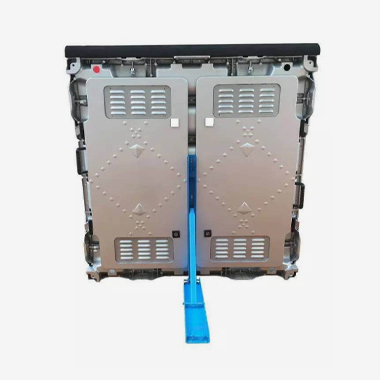
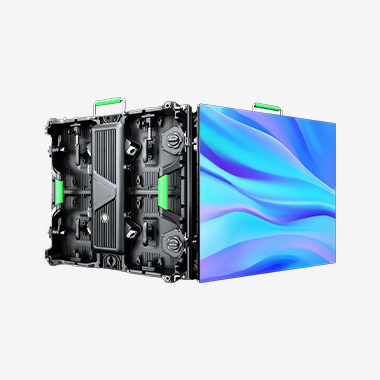
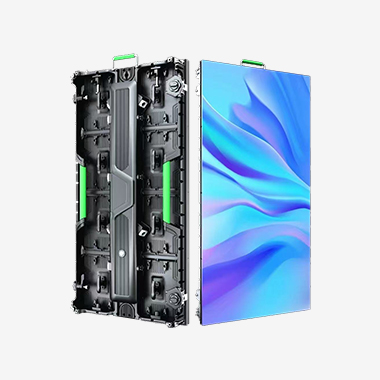
Rental LED display video wall signage is engineered with portability, durability, and quick deployment in mind—design elements that distinguish it from permanent installations. At the core of rental systems are lightweight, modular LED panels, typically constructed with slim aluminum frames (weighing 3–5kg per panel) to facilitate easy transportation and handling. Unlike permanent panels, rental models prioritize compactness: many feature foldable or stackable designs that reduce storage and shipping space, with standardized dimensions (500x500mm or 600x600mm) to ensure compatibility across different rental configurations.
A key design focus is fast-connect technology: panels are equipped with magnetic or quick-lock connectors for power and data, allowing technicians to assemble a 20-panel video wall in under an hour—critical for events with tight setup windows. To accommodate diverse venues, rental panels also support flexible mounting options: floor-standing truss systems (for free-standing setups at concerts), wall-mounted brackets (for conference rooms), and hanging grids (for trade show booths). Curved rental panels, made with flexible circuit boards, are also available to create immersive, non-flat configurations (e.g., circular stages or curved backdrops).
Durability is another critical construction feature: rental panels are built to withstand frequent transportation and handling, with reinforced edges and scratch-resistant front lenses. Outdoor rental models include IP65/IP67 waterproof ratings, anti-UV coatings, and ruggedized frames to resist rain, dust, and temperature fluctuations (-20°C to 50°C)—essential for festivals or outdoor sports events. The control system for rental video walls is also portable: compact sending boxes (instead of bulky servers) connect to laptops, and wireless receivers reduce cable clutter during setup.
Calibration tools are integrated into rental panels to ensure quick color and brightness uniformity—critical when mixing panels from different batches. Many rental providers also equip panels with built-in test modes, allowing technicians to identify faulty pixels or connections on-site. Overall, the design and construction of rental LED video walls prioritize speed, portability, and reliability, ensuring they can adapt to the fast-paced, ever-changing needs of temporary events and short-term projects.
Rental LED display video wall signage operates on the same core principles as permanent systems—content processing, signal distribution, and pixel illumination—but with adaptations to support quick setup, mobility, and temporary use. The process begins with content preparation and input: clients provide digital content (videos, images, live feeds) or use the rental provider’s content management software to create or upload materials. Unlike permanent setups, rental systems often include pre-configured templates and easy-to-use interfaces, allowing non-technical users to adjust content (e.g., adding text overlays, switching between videos) without specialized training.
Next, portable signal processing takes place: a compact sending box (instead of a fixed server) connects to the client’s laptop or media player. This sending box processes the content to match the video wall’s total resolution (calculated by the number of rented panels and their individual resolution) and splits the content into segments—each assigned to a specific panel. For large rental setups (e.g., 10x5 panels), the sending box uses daisy-chain technology to distribute signals sequentially to panels, reducing the number of cables needed and speeding up setup.
Signal distribution for rental systems prioritizes flexibility: wireless receivers (mounted on each panel) eliminate the need for long data cables, making it easier to set up in venues with limited access to power or cable routing. For outdoor or high-interference environments, wired connections (via quick-lock Ethernet cables) are used to ensure signal stability. Each panel’s receiving card converts the digital signal into analog current, which is sent to driver ICs—these ICs regulate the current flow to individual RGB LED diodes, adjusting red, green, and blue intensities to create the desired colors and brightness.
Synchronization is optimized for rental use: receiving cards are pre-programmed to auto-sync with the sending box, eliminating the need for manual calibration of refresh rates (typically 300–600Hz for rental systems, ensuring flicker-free visuals for cameras and audience viewing). Many rental panels also include ambient light sensors that auto-adjust brightness based on venue conditions (e.g., dimming indoors, boosting brightness outdoors)—a feature that requires minimal technician input.
During the rental period, on-site monitoring tools allow technicians to track performance in real time: mobile apps connect to the sending box to alert staff to issues like faulty panels or signal drops, enabling quick troubleshooting. After the event, the system is disassembled by reversing the process: content is cleared, signals are disconnected, and panels are tested, cleaned, and packed for transport. These adapted working principles ensure rental LED video walls deliver reliable, high-quality visuals while supporting the speed and mobility required for temporary use.
Key Advantages
Cost-Effectiveness for Short-Term Needs: Rental services eliminate the high upfront cost of purchasing LED video walls (which can range from \(10,000 to \)100,000+ for large setups). Instead, clients pay a fraction of the purchase price for a rental period (e.g., \(500–\)5,000 per week), making high-impact visual technology accessible to small businesses, startups, or organizations with one-time events (e.g., product launches, annual conferences). This model also avoids long-term costs like storage, maintenance, and obsolescence—rental providers handle all upkeep and upgrade equipment regularly.
Flexibility and Customization: Rental services offer fully customizable configurations to match event needs: clients can adjust the number of panels (from 4 to 100+), pixel pitch (1.2mm for close-up viewing to 10mm for outdoor use), and mounting type (floor-standing, wall-mounted, hanging). For example, a concert organizer might rent a large, curved outdoor video wall, while a corporate client could opt for a small, high-resolution setup for a board meeting. Rental providers also offer last-minute adjustments—e.g., adding panels if attendance exceeds expectations—something permanent installations cannot match.
End-to-End Support and Expertise: Rental providers handle all technical aspects of the video wall, including delivery, setup, calibration, and teardown. On-site technicians are often available during the event to troubleshoot issues (e.g., signal drops, faulty pixels), ensuring seamless operation even for clients with no technical experience. Many providers also offer content support—helping clients optimize videos or set up live feeds—reducing the burden on internal teams.
Access to Latest Technology: Rental providers regularly update their inventory with the latest LED technology (e.g., micro-LED panels, higher brightness models), allowing clients to use state-of-the-art equipment without investing in upgrades. This is particularly valuable for events where cutting-edge visuals are critical (e.g., trade shows, fashion shows) to stand out from competitors.
Notable Challenges
Dependence on Provider Availability: During peak event seasons (e.g., holiday trade shows, summer festivals), high-demand rental equipment (e.g., small pixel pitch panels, outdoor models) may be scarce. Clients who book late may face limited options or higher prices, forcing them to compromise on configuration (e.g., using larger pixel pitches than ideal).
Risk of Equipment Compatibility Issues: When renting from multiple providers (e.g., to expand a setup), panels from different manufacturers may have compatibility issues (e.g., mismatched resolution, color calibration differences), leading to visible inconsistencies in the video wall. Even with a single provider, mixing older and newer panels can cause brightness or color mismatches, harming visual quality.
Logistical and Venue Limitations: Rental video walls require transportation, setup space, and power access—venues with limited loading docks, narrow hallways, or insufficient electrical capacity can complicate deployment. For outdoor events, weather conditions (e.g., heavy rain, high winds) may damage equipment or delay setup, requiring additional protective measures (e.g., tents, wind barriers) that add to costs.
Content and Technical Risks: Clients who fail to optimize content for the rental video wall’s resolution may experience pixelation or stretched visuals—rental providers often offer content checks, but last-minute content changes can lead to errors. Additionally, technical issues (e.g., signal interference, power outages) during events can disrupt the video wall, and while on-site technicians help mitigate this, downtime is still possible—risking audience engagement or event flow.
Key Applications
Events and Entertainment: The largest application area for rental LED video walls, events include concerts, music festivals, and theater productions—where video walls serve as dynamic stage backdrops, syncing visuals with performances to enhance audience immersion. For example, a music festival might rent a 10x8 outdoor video wall to display live camera feeds of the artist and crowd, while a theater production could use a curved indoor wall to create scenic backdrops that change with the scene. Comedy shows, magic acts, and stand-up events also use smaller rental walls to display jokes, graphics, or audience interactions.
Corporate and Business Events: Corporations rely on rental video walls for annual meetings, product launches, and trade show booths. At annual meetings, a high-resolution rental wall (1.2–2.5mm pixel pitch) displays presentation slides, live polls, or employee recognition videos to large audiences. Product launches use video walls to showcase product demos, customer testimonials, or 3D animations—creating a memorable experience for attendees. Trade show exhibitors rent compact video walls (2x3 or 3x3 panels) to attract booth traffic, displaying brand messaging, product features, or interactive quizzes.
Retail and Pop-Up Experiences: Retailers use rental LED video walls for temporary initiatives like pop-up stores, holiday promotions, or in-store events. A fashion brand might rent a wall for a pop-up shop to display runway videos or virtual try-on content, while a electronics retailer could use a wall during a holiday sale to showcase product demos and limited-time offers. Rental walls are also used in shopping malls for seasonal decorations (e.g., Christmas-themed visuals) or to promote mall-wide sales events.
Public and Community Events: Municipalities, schools, and nonprofits rent video walls for community events like parades, outdoor movie nights, or charity fundraisers. A city might rent an outdoor wall for a Fourth of July celebration to display fireworks footage or live performances, while a school could use a wall for a graduation ceremony to show student photos or speeches. Nonprofits use rental walls at fundraisers to display impact stories, donor recognition, or live donation tallies—encouraging audience participation.
Future Trends
Increased Adoption of Micro-LED Rental Panels: As micro-LED technology becomes more affordable, rental providers will offer smaller, higher-resolution panels (0.9mm pixel pitch or less) that deliver sharper visuals for close-up indoor events (e.g., luxury product launches, high-end conferences). Micro-LED’s slim design and low power consumption will also make rental setups more portable and energy-efficient.
AI-Powered Content and Maintenance: Rental systems will integrate AI tools to automate content optimization (e.g., resizing videos to match the wall’s resolution, adjusting color for venue lighting) and predictive maintenance (e.g., identifying panels at risk of failure before an event). AI could also enable real-time audience engagement—e.g., using facial recognition to adjust content based on audience demographics or sentiment.
Interactive and Immersive Features: Rental video walls will incorporate touch, gesture, or AR (augmented reality) capabilities to create interactive experiences. For example, a trade show booth might use a touch-enabled rental wall for product browsing, while a concert could let audience members control visuals via their smartphones. 360-degree rental video walls (forming a circular or cylindrical setup) will also become more common for fully immersive events like art installations or virtual reality experiences.
Sustainable Rental Practices: Rental providers will adopt eco-friendly measures, such as using recyclable packaging for panel transport, offering energy-efficient LED models, and implementing carbon offset programs for delivery vehicles. Some providers may also introduce "shared rental" models—allowing multiple clients to use the same wall for back-to-back events in the same venue—reducing transportation emissions and equipment waste.
Conclusion
Rental LED display video wall signage has emerged as a vital solution for temporary visual communication needs, combining flexibility, cost-effectiveness, and professional support to make high-impact LED technology accessible to organizations of all sizes. Its core value lies in addressing the limitations of permanent installations—eliminating upfront costs, avoiding long-term maintenance burdens, and adapting to the dynamic needs of events, pop-ups, and short-term projects. From concerts and trade shows to corporate meetings and community events, rental video walls enhance audience engagement, elevate brand experiences, and deliver clear, dynamic visuals that drive success in temporary settings.
While challenges like equipment availability, logistical constraints, and technical risks persist, ongoing advancements in technology—such as micro-LED panels, AI integration, and interactive features—are addressing these limitations and expanding the capabilities of rental systems. Rental providers are also evolving, offering more sustainable practices, end-to-end support, and customizable configurations that cater to the diverse needs of clients across industries.
Looking ahead, the future of rental LED display video wall signage is bright. As the demand for immersive, temporary experiences continues to grow—driven by trends like experiential marketing, pop-up retail, and hybrid events—the rental model will become even more integral to modern visual communication strategies. By combining innovation, accessibility, and reliability, rental video walls will remain a key tool for organizations seeking to create memorable, impactful visuals without the commitment of permanent investment. Ultimately, rental LED video walls are not just a temporary solution—they are a strategic asset that empowers clients to adapt, engage, and succeed in an ever-changing, fast-paced world of temporary events and short-term projects.


Copyright © 2026 Shenzhen Cogo Technology Co.,Ltd.
All Rights Reserved

 Previous article