




 Chat Now
LED display visual signage refers to a versatile category of digital display solutions that leverage light-emitting diode (LED) technology to deliver dynamic, high-visibility visual content. Unlike traditional static signage (such as printed posters, neon signs, or billboards), LED display visual signage offers real-time content updates, full-color reproduction, and adaptability to diverse environments—ranging from indoor spaces like retail stores and corporate lobbies to outdoor locations such as city centers, highways, and stadiums. Its core purpose is to engage audiences, convey information, and enhance brand visibility through vivid, customizable visuals, making it a cornerstone of modern visual communication across industries.
Key characteristics defining LED display visual signage include variable sizes (from small 10-inch indoor screens to large 100+ square meter outdoor video walls), adjustable pixel pitches (from 0.9mm for close-up viewing to 50mm for long-distance outdoor use), and high brightness levels (300–500 nits for indoor models, 5,000–10,000 nits for outdoor units to combat sunlight glare). These features enable it to support diverse content types: videos, animations, live feeds, static images, and interactive elements (e.g., touchscreens or gesture control). The global market for LED display visual signage has grown rapidly in recent years, driven by urbanization, the rise of digital out-of-home (DOOH) advertising, and advancements in LED chip efficiency—with demand fueled by businesses, governments, and event organizers seeking to replace outdated static signage with more engaging, flexible solutions.
Beyond advertising, LED display visual signage serves critical functional roles: it provides real-time information (e.g., flight schedules in airports, traffic updates on highways), enhances public safety (e.g., emergency alerts in city centers), and elevates customer experiences (e.g., interactive product catalogs in retail stores). Its ability to blend aesthetics with functionality has made it a preferred choice for both temporary events (e.g., concerts, trade shows) and permanent installations (e.g., building facades, stadium scoreboards). As technology continues to evolve—with improvements in energy efficiency, resolution, and connectivity—LED display visual signage is poised to remain a dominant force in shaping how audiences interact with digital content in public and private spaces.
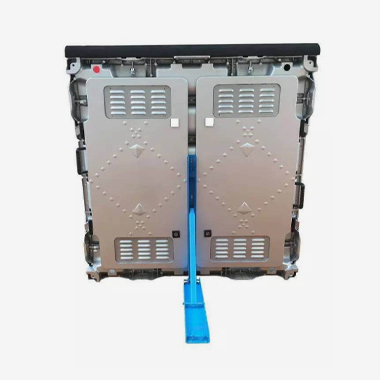
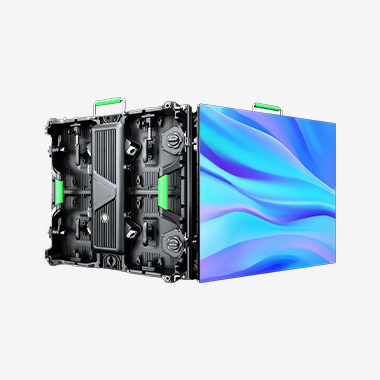
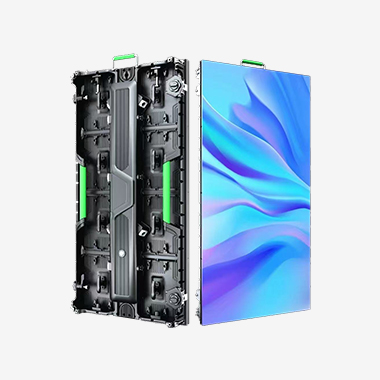
The design and construction of LED display visual signage are engineered to balance performance, durability, and adaptability, with components tailored to meet the unique demands of indoor and outdoor environments. At the core of every LED display is the LED panel—the fundamental building block composed of LED diodes, driver integrated circuits (ICs), a circuit board, and a protective housing. LED panels vary in size (common dimensions include 320x160mm for indoor use and 500x500mm for outdoor models) and are modular, allowing for customization of the final display size (e.g., combining 20 panels to create a 5x4m video wall).
A critical design parameter is pixel pitch—the distance between adjacent LED diodes—which directly impacts resolution and viewing distance. Smaller pixel pitches (0.9–2.5mm) are used for indoor displays (e.g., retail counters, corporate meeting rooms) where audiences are within 1–5 meters, ensuring sharp, detailed visuals. Larger pixel pitches (10–50mm) are optimized for outdoor use (e.g., highway billboards, stadium perimeters), where viewers are 10+ meters away, prioritizing brightness over ultra-high resolution.
The LED type also influences performance: surface-mount device (SMD) LEDs are the industry standard, offering compact size (typically 2835 or 3535 chips) and uniform color mixing via red, green, and blue (RGB) diodes. For outdoor displays, high-brightness SMD LEDs (with luminous efficacy up to 150 lm/W) are used to ensure visibility in direct sunlight. The panel housing varies by environment: indoor panels use lightweight plastic or thin aluminum frames (weighing 2–4kg per panel) for easy mounting, while outdoor panels feature rugged aluminum alloy frames with IP65/IP67 waterproof ratings to resist rain, dust, and humidity. Anti-UV coatings on the front lens of outdoor panels prevent color fading and material degradation over time.
The control system is another key component, consisting of a sending card (connected to a content source like a laptop or media player), receiving cards (one per panel or group of panels), and specialized software (e.g., NovaLCT, Linsn Studio). This system enables content processing, signal distribution, and real-time adjustments (e.g., brightness, color calibration). For large displays, daisy-chain or star-topology wiring is used to distribute signals efficiently, reducing cable clutter. Cooling systems are integrated into high-density panels: indoor models use passive heat sinks, while outdoor models may include fans or heat-dissipating aluminum backplanes to prevent overheating in extreme temperatures (-30°C to 60°C). Finally, mounting systems vary by application: wall-mounted brackets for indoor displays, free-standing trusses for temporary events, and tensioned cable systems for building facades—all designed to ensure stability and easy installation.
LED display visual signage operates through three interconnected core principles: LED pixel illumination, digital signal processing, and system synchronization—all working together to convert digital content into visible, high-quality visuals. At the most basic level, each LED diode in the display acts as a tiny, controllable light source. Most displays use RGB LEDs, where red, green, and blue diodes are grouped into a single pixel; by adjusting the intensity of these three primary colors, the display can produce millions of distinct hues, enabling full-color image, video, and text reproduction.
The process begins with content input and processing. Users upload digital content (e.g., videos, images, live feeds) to a control computer or media player running specialized LED management software. This software processes the content to match the display’s resolution (determined by the number of panels and their pixel pitch), converting it into a pixel-by-pixel data stream. This stream contains precise instructions for each RGB pixel: specifically, the brightness level (0–255) for red, green, and blue diodes to create the desired color and luminosity.
Next, signal distribution takes place. The processed data is sent from the control device to a sending card, which splits the high-volume data stream into smaller segments—critical for large displays with hundreds or thousands of pixels. These segments are then transmitted to receiving cards (mounted on each LED panel or group of panels) via Ethernet cables or wireless connections (for temporary setups). Receiving cards translate the digital data into analog electrical signals, which are sent to driver ICs on the panel.
Driver ICs are the "brains" of the panel: they regulate the current flowing to each RGB diode, ensuring the correct brightness level is maintained for each pixel. For example, to display a yellow pixel, the IC increases current to the red and green diodes while reducing current to the blue diode; to create white, all three diodes receive maximum current. This precise control over individual pixels is what enables the display to render smooth videos, sharp text, and dynamic animations.
Synchronization is a critical principle to avoid visual artifacts. LED displays operate at a high refresh rate (typically 300–1200Hz), meaning the entire screen updates 300–1200 times per second. This prevents flicker, which is essential for audience comfort and compatibility with cameras (e.g., avoiding rolling bars in TV broadcasts of stadium displays). Receiving cards ensure all panels update simultaneously, eliminating screen tearing or lag—even for fast-moving content like sports replays or action videos.
For outdoor displays, environmental adaptation is integrated into the working principle. Built-in light sensors detect ambient light levels, and the control system automatically adjusts LED brightness: increasing intensity during midday sunlight to maintain visibility and dimming at night to save energy and reduce light pollution. Some advanced displays also include temperature sensors, triggering cooling systems if internal temperatures exceed safe limits. Together, these principles ensure LED display visual signage delivers consistent, high-quality visuals in any environment, making it a reliable tool for communication and engagement.
LED display visual signage offers a range of advantages that have solidified its position as a leading visual communication tool, but it also faces unique challenges that users and manufacturers must address to maximize its effectiveness.
Key Advantages:
High Visibility and Dynamic Content: Unlike static signage, LED displays deliver bright, vivid visuals that stand out in both indoor and outdoor environments. Outdoor models (with 5,000–10,000 nits) remain visible even in direct sunlight, while indoor models (300–500 nits) cut through ambient light in retail stores or lobbies. Their ability to support dynamic content—videos, animations, live feeds, and real-time updates—captures audience attention more effectively than static posters. For example, a retail store can update product promotions hourly, or a city center display can relay live traffic alerts, keeping content relevant and engaging.
Durability and Long Lifespan: LED displays are built to withstand harsh conditions: outdoor models feature IP65/IP67 waterproof ratings, anti-UV coatings, and corrosion-resistant frames, ensuring they perform reliably in rain, dust, and extreme temperatures (-30°C to 60°C). LED diodes have a lifespan of 50,000–100,000 operational hours (equivalent to 5–10 years of continuous use), significantly longer than neon signs (10,000–20,000 hours) or fluorescent displays (20,000–30,000 hours). This longevity reduces replacement costs and minimizes downtime for maintenance.
Energy Efficiency and Sustainability: Modern LED displays use 40–70% less energy than traditional signage technologies. For example, a 10m² outdoor LED billboard consumes approximately 200–300W, compared to 600–800W for a neon sign of the same size. Many models also include energy-saving features, such as automatic brightness dimming (via light sensors) and low-power standby modes. Additionally, LEDs contain no toxic materials (unlike neon, which uses mercury) and are recyclable, aligning with global sustainability goals.
Flexibility and Customization: Modular LED panels allow for custom display sizes and shapes—from small 1m² indoor screens to large 100m² outdoor video walls. They can be curved, cylindrical, or even irregularly shaped to fit architectural features (e.g., building facades, pillars) or creative designs (e.g., circular event stages). This flexibility makes them suitable for diverse applications, from retail pop-ups to stadium scoreboards.
Remote Management and Analytics: Advanced control software enables remote content updates, brightness adjustments, and performance monitoring. Users can manage multiple displays across different locations from a single dashboard, eliminating the need for on-site visits. Many systems also include analytics tools that track audience engagement (e.g., view counts, dwell time), helping advertisers and organizations measure the effectiveness of their content and optimize campaigns.
Notable Challenges:
High Initial Cost: The upfront cost of LED display visual signage is significantly higher than traditional static signage. A small indoor 2x2 panel display (4m²) can cost \(5,000–\)10,000, while a large outdoor video wall (20m²) may exceed $50,000. This can be a barrier for small businesses or budget-constrained projects, though the long lifespan and lower maintenance costs often offset this over time.
Maintenance Requirements: While LED displays are durable, they require regular maintenance to ensure optimal performance. This includes cleaning the front lens (to remove dust, dirt, or bird droppings that reduce visibility), replacing faulty LEDs or panels, and updating software. For large outdoor displays (e.g., rooftop billboards), maintenance may require specialized equipment (e.g., aerial lifts), increasing costs and logistical complexity.
Light Pollution and Regulatory Restrictions: Bright outdoor LED displays can contribute to light pollution, disrupting nighttime ecosystems and disturbing nearby residents. As a result, many cities have implemented regulations limiting display brightness, operating hours, and placement (e.g., prohibiting displays near residential areas or historic districts). For example, New York City’s "Night Sky Initiative" restricts outdoor LED brightness to 500 nits after 10 PM, requiring users to invest in dimmable technology.
Content Creation and Optimization: Dynamic LED displays require high-quality, optimized content to avoid visual issues like pixelation or lag. Creating such content (e.g., high-resolution videos, animations) requires specialized skills and software (e.g., Adobe Premiere Pro, After Effects), adding to operational costs. Additionally, content must be scaled to match the display’s resolution and aspect ratio—poorly optimized content can make the display appear unprofessional and reduce audience engagement.
Vulnerability to Extreme Weather (Outdoor Models): While designed to withstand harsh conditions, outdoor LED displays can still be damaged by extreme weather events like hurricanes, tornadoes, or heavy snowfall. Strong winds may damage mounting structures, and excessive moisture (even with IP ratings) can seep into internal components, causing short circuits. Repairs for weather-related damage can be costly and time-consuming, leading to extended downtime.
LED display visual signage’s versatility—driven by its high visibility, dynamic capabilities, and adaptability—has led to its adoption across diverse industries, while ongoing technological advancements promise to expand its applications and functionality in the coming years.
Key Applications:
Advertising and Marketing: The largest application area, LED display signage dominates digital out-of-home (DOOH) advertising in high-traffic locations like city centers, shopping malls, highways, and airports. Brands use large outdoor video walls (e.g., Times Square in New York, Piccadilly Circus in London) to showcase video ads, promotional campaigns, and real-time offers—leveraging their ability to capture attention in busy environments. Indoor displays in retail stores (e.g., endcap screens, fitting room mirrors) promote products and enhance the shopping experience, while digital menu boards in restaurants allow for quick updates to prices or menu items.
Entertainment and Events: LED displays are integral to the entertainment industry, used in stadiums, concert venues, theaters, and festivals. Stadiums use large video walls as scoreboards (displaying real-time stats, replays, and ads) and perimeter boards (engaging fans with interactive content). Concert venues deploy curved or 360-degree LED walls as stage backdrops, syncing visuals with music to create immersive experiences. At trade shows and festivals, temporary LED displays showcase event schedules, sponsor messages, and audience interactions (e.g., social media posts with event hashtags).
Transportation Hubs: Airports, train stations, bus terminals, and ports use LED displays to provide real-time information to travelers. Flight departure/arrival boards, gate changes, and baggage claim updates are displayed on high-brightness indoor screens, ensuring visibility in crowded terminals. Outdoor displays near highways or train stations relay traffic alerts, weather updates, and public transit schedules, helping commuters make informed decisions. Some airports also use interactive LED displays to guide passengers to gates, restaurants, or retail stores.
Corporate and Public Spaces: Corporations use LED displays in lobbies (for branding and welcome messages), boardrooms (for presentations and video conferences), and control rooms (for data visualization—e.g., monitoring supply chains or IT systems). Government buildings and city centers use LED displays to relay public information: emergency alerts (e.g., natural disasters, health crises), community announcements (e.g., local events, voting reminders), and cultural content (e.g., art exhibits, historical videos). Hospitals also use LED displays to show patient information, appointment reminders, and wayfinding directions.
Future Trends:
Higher Resolution and Micro-LED Technology: The shift toward smaller pixel pitches (0.5–1.2mm) will deliver ultra-high-definition (UHD) visuals, expanding LED displays’ use to close-viewing applications (e.g., retail counters, corporate meeting rooms). Micro-LED technology—using tiny, self-illuminating diodes (less than 100 micrometers)—will further enhance resolution, brightness, and color accuracy while reducing panel thickness. Though currently expensive, micro-LED displays are expected to become more accessible as production scales, replacing traditional LCD and OLED displays in high-end applications.
Integration with Smart Technologies: LED displays will become part of smart ecosystems, connecting to the Internet of Things (IoT) sensors, 5G networks, and artificial intelligence (AI) tools. For example, displays in smart cities may connect to traffic cameras (to show real-time congestion) or air quality sensors (to display pollution levels). AI will enable personalized content—e.g., a retail display that shows products based on a customer’s age or gender (detected via facial recognition) or a stadium display that tailors ads to fans’ team preferences.
Interactivity and Immersion: Advancements in touch, gesture, and augmented reality (AR) technology will make LED displays more interactive. Touch-enabled displays in retail stores will allow customers to browse product catalogs or customize items, while gesture-controlled displays in museums will let visitors interact with exhibits. 360-degree LED domes and holographic displays will create fully immersive experiences—used in theme parks, virtual concerts, and educational settings.
Sustainability and Energy Efficiency: Future LED displays will prioritize even lower power consumption, using energy-efficient micro-LED chips and solar panels (for outdoor models) to reduce reliance on grid electricity. Manufacturers will also use recyclable materials (e.g., biodegradable plastics, recycled aluminum) in panel construction, reducing electronic waste. Additionally, "self-healing" LED technology—where faulty diodes are automatically replaced by backup chips—will minimize maintenance needs and extend display lifespans.
Conclusion
LED display visual signage has emerged as a transformative force in modern visual communication, redefining how businesses, governments, and organizations engage with audiences across diverse environments. From its core strengths—high visibility, dynamic content capabilities, durability, and energy efficiency—to its wide-ranging applications (advertising, entertainment, transportation, corporate spaces), it has transcended the limitations of traditional static signage to become an indispensable tool in a digitally connected world.
What truly sets LED display visual signage apart is its ability to blend functionality with creativity. It does not merely convey information or promote brands; it creates experiences—whether that’s a concert-goer immersed in a syncopated stage backdrop, a traveler quickly accessing real-time flight updates, or a retail customer interacting with an interactive product display. This versatility has allowed it to adapt to the unique needs of every industry, from small local businesses using compact indoor screens to global brands leveraging massive outdoor video walls in iconic city centers.
While challenges like high initial costs, regulatory restrictions, and maintenance demands persist, they are being steadily addressed by technological innovation. The rise of micro-LEDs, AI integration, and sustainable design is not only making LED displays more accessible and efficient but also opening new possibilities for how we interact with digital content. For instance, smart city integration will turn LED displays into critical infrastructure for public safety and community engagement, while self-healing technology will reduce downtime and long-term costs.
Looking ahead, LED display visual signage will continue to evolve in tandem with broader technological trends, becoming more personalized, immersive, and eco-friendly. It will play a central role in shaping the future of public spaces—turning ordinary walls into dynamic communication hubs, enhancing the efficiency of transportation systems, and deepening audience engagement in entertainment and retail.
In essence, LED display visual signage is more than a display technology; it is a catalyst for connection. It bridges the gap between the digital and physical worlds, enabling meaningful interactions that inform, entertain, and inspire. As it continues to advance, its impact will only grow, solidifying its place as a cornerstone of modern communication for decades to come.


Copyright © 2026 Shenzhen Cogo Technology Co.,Ltd.
All Rights Reserved

 Previous article