




 Chat Now
An LED rental display screen is a modular, portable electronic display system designed for temporary deployment at live events, exhibitions, broadcasts, and installations. Unlike their fixed counterparts, which are engineered for permanence and seamless integration into architecture, rental screens are built for mobility, rapid setup and teardown, and relentless reconfiguration. They are the workhorses of the event industry, providing the dynamic visual backbone for everything from concert tours and corporate product launches to television award shows and international sporting events. This overview explores the essence of the LED rental screen, its evolution, core characteristics, and its pivotal role in creating temporary yet unforgettable experiences.
The defining philosophy of the rental LED market is flexibility. A rental inventory comprises a fleet of modular panels that can be assembled into an almost infinite variety of shapes and sizes—from a small 3x3 video wall at a trade show booth to a sprawling, curved backdrop for a stadium-filling concert tour. This versatility is the product's greatest asset, allowing rental companies to service a diverse clientele with a standardized set of equipment. The lifecycle of a rental panel is one of constant motion: from the warehouse to a truck, to an event venue, onto a truss, into operation, back into its case, and repeating the cycle dozens of times a year.
The technology's evolution is a story driven by the demands of the event industry. Early rental displays in the 1990s were heavy, low-resolution, and fragile, with bulky cabinets and visible bezels that created a distracting grid pattern. They were a logistical challenge and a visual compromise. The paradigm shift began with the widespread adoption of SMD (Surface-Mount Device) technology, which enabled finer pixel pitches and better color fidelity. However, the most transformative advances were in cabinet design and weight reduction. The development of lightweight magnesium alloy and carbon-composite cabinets dramatically reduced the weight per panel, making larger screens feasible and reducing rigging demands. The standardization of quick-lock mechanisms and self-locking handles made assembly faster and more intuitive, crucial for reducing labor costs during tight load-in schedules.
A modern LED rental system is not a single product but a flexible ecosystem of components:
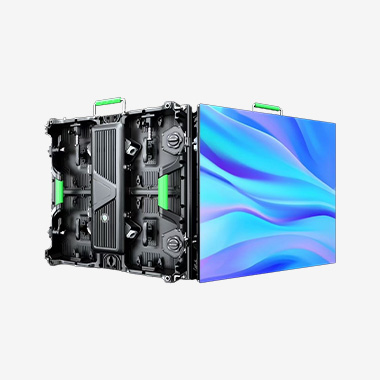
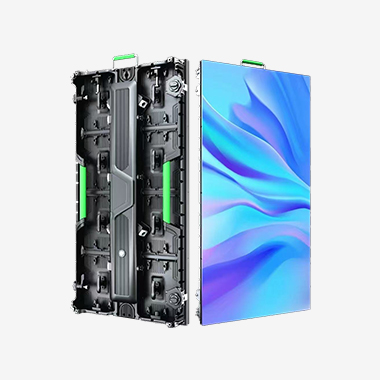
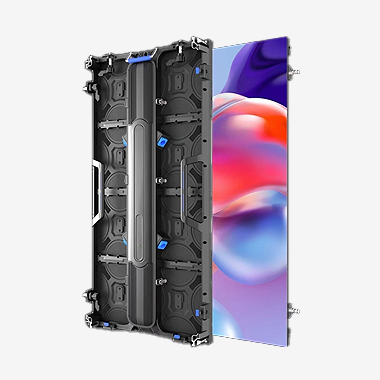
Rental-Specific Cabinets: The fundamental unit. Designed to be lightweight yet robust, with integrated quick-lock mechanisms (e.g., NLR, Auto-Lock), handles, and rigging points. Common sizes are 500x500mm and 500x1000mm.
High-Brightness LEDs: Rental screens must perform in various lighting conditions, from dark concert halls to brightly lit convention centers. Therefore, they prioritize high brightness (often 5000+ nits for indoor/outdoor models) to ensure visibility.
Truss and Rigging Systems: The structural skeleton. Rental panels are designed to be mounted onto industry-standard trussing using specialized flying hardware, allowing them to be flown overhead, stacked on the ground, or built into creative structures.
Travel Cases: Perhaps as important as the panels themselves. Heavy-duty, shock-absorbent, and weather-resistant flight cases protect the sensitive electronics during transportation. Proper case design is critical for minimizing damage and maximizing the lifespan of the inventory.
Control and Processing Rack: A portable rack containing the video processors, power distributors, and backup equipment needed to drive the wall. These are designed for easy setup and troubleshooting in the field.
Technical Crew: The human element. A team of experienced video engineers and LED technicians is essential for deploying, operating, and troubleshooting the system.
The applications for rental LED screens are the fabric of the event industry itself. They are the stage backdrops and side screens for world concert tours, amplifying the artist's performance and creating immersive visual worlds. They form the key visual elements for corporate annual meetings and product launches, displaying presentations, videos, and live feeds. They are ubiquitous at major sporting events like the Olympics or the Super Bowl for fan engagement and replay. They are also used in television and film production as temporary virtual production volumes or audience backdrop screens.
In summary, the LED rental display screen is the ultimate tool for temporary spectacle. It is a technology born from the need for visual impact, adaptability, and logistical efficiency. It empowers creators to transform empty spaces into vibrant, dynamic environments for a few days or a few hours, and then disappear, ready to create magic again somewhere else. It is the ephemeral engine that powers the live experience economy.
The design and construction of an LED rental display screen is a masterclass in engineering for durability, speed, and weight savings. Every single component, from the smallest screw to the largest cabinet, is scrutinized and optimized to withstand the brutal realities of transportation, frequent assembly and disassembly, and operation in diverse and often unforgiving environments. The primary design goals are not ultimate image quality or seamless integration, but rather resilience, portability, and ease of use by a crew working against a ticking clock.
The journey begins with the cabinet. This is the rugged shell that protects the delicate LED modules and electronics. Rental cabinets are typically constructed from lightweight materials like magnesium alloy or advanced composites. Magnesium, in particular, offers an exceptional strength-to-weight ratio, making it the material of choice for high-end rental products. The cabinet design incorporates several critical features:
Quick-Lock Mechanisms: The most important feature for speed. Systems like National Locker Rule (NLR), Octo-Lock, or various auto-locking systems allow technicians to connect adjacent cabinets with a simple push or a quarter-turn of a lever. This eliminates the need for tools and drastically reduces build times.
Integrated Handles: Robust, molded handles are built into the cabinet design for safe and easy carrying by crew members.
Rigging Points: Standardized, rated points for attaching flying hardware. These are designed to interface with common event industry trussing and motor systems, allowing the video wall to be flown safely overhead.
Stacking Feet: For ground-supported applications, cabinets have interlocking feet and stacking guides to create stable, freestanding structures.
Inside the cabinet, the LED module is mounted. While the LEDs themselves are similar to those in fixed installations, their mounting is designed for rapid replacement. Modules are typically held in place by strong magnets or quick-release latches, allowing a technician to swap a faulty module in under a minute without tools—a crucial capability during a live event. The pixel pitch is a key consideration. Rental companies maintain inventory with various pitches (e.g., P2.6, P3.9, P4.8, P6.9) to match the appropriate resolution to the event's viewing distance and budget.
Structural integrity is paramount. The cabinets must not only support their own weight but also handle the dynamic loads of transportation—vibration, shock, and occasional impacts. The corners of the cabinets are reinforced, and the overall frame is designed to be torsionally rigid to prevent flexing, which can damage internal components and misalign panels, creating visible seams on the display.
Thermal management is handled differently than in fixed installations. Rental walls cannot rely on large, passive heat sinks or building HVAC. Instead, they use active cooling with multiple, high-quality fans to draw air through the cabinet. These fans must be powerful yet relatively quiet for indoor events. The intake and exhaust vents are designed with filters to mitigate dust ingress, though regular cleaning is a necessary part of rental maintenance. The focus is on moving enough air to keep the LEDs within their operating temperature range during a show, prioritizing reliability over silent operation.
The electronics are built for robustness and field-serviceability. The receiving cards and power supplies are mounted securely to withstand vibration. Connectors are a critical point of failure; rental cabinets use locking, industrial-grade connectors for data (often aviation-style connectors) and power to prevent them from shaking loose during transport or being accidentally disconnected. Power supplies are often hot-swappable units, allowing for replacement without powering down the entire wall.
Finally, the entire system is complemented by its packaging. The custom-fitted flight case is an extension of the product's design. Cases are made from durable plywood or plastic polymer, with thick foam padding that is precisely cut to cradle the cabinet, its connectors, and its accessories. Wheels, reinforced edges, and secure latches are standard. A well-designed case system is what protects the capital investment of the rental inventory and ensures the gear shows up on site ready to work.
In conclusion, the design of an LED rental screen is a relentless pursuit of the "event industry trifecta": light weight, high speed, and brute strength. It is a compromise where absolute image perfection is sometimes sacrificed for the greater good of reliability and logistical feasibility. Every design choice answers a single question: "How will this hold up on the road?" The result is a purpose-built tool that is as much about its logistical performance as its visual output.
The working principles of an LED rental display screen share the same basic technological foundation as all LED displays—converting data into light via PWM—but its operational workflow is defined by speed, adaptability, and resilience in the face of the unpredictable live event environment. The process is a well-choreographed dance between hardware and a highly skilled crew, designed to go from packed cases to a fully functional video wall in a matter of hours.
The operational pipeline begins long before the trucks arrive at the venue, with pre-production planning. Using CAD software and pixel calculators, the video director and crew chief plan the wall's configuration: its width, height, shape, and overall resolution. This determines how many panels of which pixel pitch are needed, how they will be powered, and how the data signal will be distributed. This pre-visualization is critical for ensuring all necessary equipment, cables, and rigging are available on site.
On show day, the process kicks into high gear with physical assembly. Crews unpack the flight cases and begin assembling the cabinets into larger arrays, often on the ground before they are lifted into position. The quick-lock mechanisms allow them to snap large "lifts" of panels together rapidly. Meanwhile, other crew members are setting up the control and power infrastructure. This involves:
Power Distribution: Running heavy-gauge feeder cables from the venue's power source to strategically placed power distribution units (PDUs) around the stage. Each PDU then feeds power to a series of cabinets via locking powercon cables.
Data Distribution: Setting up the video processing rack. The heart of this is the video processor, which takes the primary video source (often from a media server or a live switcher) and maps it to the unique resolution and layout of the rental wall. The processor's output is sent to data distribution boxes (splitters) via fiber optic or shielded network cables, which then daisy-chain the data to the individual cabinets.
Once the wall is physically assembled and connected, the commissioning and calibration process begins. This is a rapid but crucial step:
Signal Verification: The technician verifies that data and power are reaching all cabinets. Most modern rental systems have LED indicators on each cabinet that show signal status.
Basic Calibration: While rental walls don't undergo the painstaking colorimetric calibration of a fixed installation, they do require basic adjustments. The technician uses the processor to perform a "module matching" or "brightness and color balance" function. This applies a uniform correction across all panels to minimize the most obvious color and brightness variances, creating a sufficiently uniform image for live events where viewers are not scrutinizing the screen from a few feet away.
With the wall powered and receiving a signal, the content playback begins. For live events, this is typically managed by a media server—a high-performance computer running specialized software like disguise, Hippotizer, or VJ programs. The media server stores and plays back high-resolution video content, often synced to timecode from the audio console to ensure perfect synchronization with music and lighting cues. It can also handle live camera feeds, allowing for IMAG (Image Magnification), where close-up shots of the performers are displayed on the screen for the audience.
Monitoring and troubleshooting are continuous during the event. The video engineer monitors the system's health through software that reports temperatures, fan speeds, and potential errors. The nature of rental means that components are under constant stress, so failures, while mitigated by robust design, can occur. The system's design allows for hot-swapping of key components like power supplies and modules, meaning a technician can often replace a faulty part without turning off the entire display, ensuring the show can go on with minimal interruption.
At the conclusion of the event, the entire process is reversed in a frantic de-rig. The wall is powered down, cables are carefully coiled and packed into their specific cases, and the cabinets are disconnected, inspected for damage, and placed back into their protective flight cases. The speed and care of this process are just as important as the setup, as it prepares the equipment for its next journey and ensures the longevity of the rental inventory.
In essence, the working principle of a rental LED wall is defined by its workflow. It is a system designed for rapid deployment, simplified calibration, operational resilience, and quick teardown. It prioritizes getting a good, reliable image fast over achieving absolute visual perfection, making it the perfect technological partner for the fast-paced, high-stakes world of live events.
The business of LED rental is built on a powerful value proposition, but it is one that comes with a distinct and often demanding set of challenges. For end-users (clients) and rental companies alike, the model offers significant benefits that have made it the backbone of the event industry, yet these are counterbalanced by operational complexities and financial pressures that require careful management.
Advantages
Unmatched Flexibility and Scalability: This is the single greatest advantage. A client can have a massive, high-impact video wall for a single event without the enormous capital expenditure of purchasing one. The screen size and resolution can be precisely tailored to the specific needs of each event, and the technology can be updated from one event to the next as rental companies refresh their inventory with the latest products.
Access to Latest Technology and Expertise: Clients gain access to state-of-the-art equipment without worrying about technological obsolescence. More importantly, they rent the expertise of the rental company's crew—certified technicians, video engineers, and operators who ensure the technology works flawlessly. This transfers the technical risk from the client to the rental provider.
No Capital Investment and Lower Upfront Cost (for the client): For an event producer, the cost of a rental is an operational expense (OpEx) that can be billed to a specific project. This is far more manageable than the significant capital expenditure (CapEx) required to purchase a screen, which also comes with ongoing costs for storage, maintenance, and insurance.
Professional Logistics and Maintenance: The rental company handles all the complex logistics: transportation, insurance, storage, and, most critically, the maintenance and repair of the equipment. Clients receive gear that has been professionally inspected, repaired, and cleaned before every show, ensuring reliability.
Creative Freedom and Rapid Deployment: The speed of modern rental systems enables the creation of large-scale visual environments in a very short time frame. This allows for ambitious creative visions to be realized within the tight schedules typical of event production. The ability to reconfigure panels into curves, arches, and other shapes further enhances creative possibilities.
Challenges and Disadvantages
High Operational Costs and Logistical Complexity (for the rental company): The rental model is incredibly logistics-heavy. Costs include a large warehouse, a fleet of trucks, specialized crew, insurance, and constant maintenance. Fuel, labor, and transportation costs can erode profit margins significantly.
Equipment Wear and Tear: The constant cycle of transportation, setup, and teardown is brutal on equipment. Even with the best cases, connectors get worn, cabinets get scratched and dented, and modules can be damaged by shock and vibration. This leads to a high maintenance overhead and a shorter useful lifespan for the equipment compared to a fixed installation.
Potential for Higher Long-Term Cost (for the client): For a client who uses LED screens frequently, the cumulative cost of rentals over several years can far exceed the purchase price of a system. Companies must carefully analyze their usage patterns to determine whether rental or purchase is more financially sensible in the long run.
Dependence on Skilled Labor: The entire model is dependent on the availability of experienced, skilled technicians. A shortage of qualified crew can limit a rental company's ability to service events, and human error during setup or operation remains one of the biggest risks for technical failure on site.
Time Pressure and "Gig Economy" Stress: Setup and teardown happen under extreme time pressure, often during unsocial hours. This can be a high-stress environment for crews and increases the risk of mistakes or accidents if proper procedures are not followed.
Image Consistency Challenges: While fine for most live events, rental walls often cannot achieve the pixel-level color and brightness uniformity of a calibrated fixed installation. The constant reconfiguration and use of panels from different production batches can lead to slight visual variances that would be unacceptable in a broadcast or control room environment.
In conclusion, the LED rental model is a powerful solution built on a foundation of flexibility and shared expertise. Its advantages make high-end visual technology accessible for one-off events and touring productions. However, this flexibility comes at the cost of significant operational complexity, equipment depreciation, and logistical challenges that must be expertly managed by the rental company to deliver a successful and reliable experience for the client. It is a classic case of trading capital expense for operational expense and ultimate quality for ultimate flexibility.
LED rental display screens have permeated virtually every corner of the live event industry, becoming the default visual solution for temporary gatherings of all scales. Their application is defined by the need for a powerful, yet temporary, visual impact. As technology and creative demands evolve, new applications are emerging, and trends are shaping the future of what is possible with rental gear.
Current Applications
Concert Tours and Music Festivals: This is the most visible application. Rental screens are the backbone of touring stage design, providing massive, scalable backdrops, side wings, and overhead displays that bring an artist's visual identity to life in every city. Their portability is essential for tours that play a different venue every night.
Corporate Events: Major product launches, annual shareholder meetings, and large conferences rely on rental video walls to display keynote presentations, live demos, video packages, and animated graphics that reinforce the corporate message and brand.
Television and Award Shows: Broadcast events like the Oscars, Grammys, and live television specials use rental screens to create ever-changing, dramatic studio environments. Their flexibility allows set designers to create a new look for each segment or award category.
Sporting Events: While major stadiums have fixed installations, one-off events like championship games, golf tournaments, and auto races use rental screens for temporary fan zones, VIP areas, and additional replay and statistic displays.
Exhibitions and Trade Shows: Large booths use rental video walls to stand out on the crowded exhibition floor, showcasing product videos and dynamic content to attract attendees. Their modular nature allows them to fit into custom booth structures.
Virtual Production Volumes: A rapidly growing application. Rental companies are now providing LED walls and technical expertise to create temporary virtual production stages for film and television projects that cannot justify building a permanent volume. This allows productions to leverage the technology on a project-by-project basis.
Future Trends
Lighter, Stronger, and Faster: The relentless pursuit of weight reduction will continue. Advances in materials science, including new composites and alloys, will yield even lighter cabinets without sacrificing durability. Quick-lock mechanisms will become even more intuitive and faster, further reducing setup times and labor costs.
Finer Pitches for Closer Viewing: As the cost of finer pixel pitch technology decreases, rental inventories will standardize on higher resolutions. P2.6 and even P1.9 will become more common for rental, enabling their use in applications where the audience is closer, such as corporate events and high-end broadcast, blurring the line between rental and fixed-installation quality.
Integration with XR and Real-Time Graphics: Rental setups will increasingly be used for Extended Reality (XR) applications. This involves combining a physical LED floor and backdrop with a camera tracking system and a real-time graphics engine (like Unreal Engine). This allows broadcasters to place presenters within virtual environments with perfect perspective and lighting, all in-camera. Rental companies will offer this as a complete, portable package.
Standardization and Interoperability: The industry will likely move towards greater standardization of connectors, data protocols, and mounting systems. This would allow panels and components from different manufacturers to work together more easily, giving rental companies and clients more flexibility and reducing proprietary lock-in.
Sustainability and Efficiency: The environmental cost of trucking heavy equipment will drive innovation in efficiency. This includes developing more energy-efficient LED panels and processors to reduce power demands at venues, as well as optimizing truck pack and logistics to minimize the number of vehicles required for a show.
Data-Driven Management and Predictive Maintenance: Rental companies will use IoT sensors and software to move from preventative to predictive maintenance. Sensors in flight cases and cabinets will monitor shock, temperature, and humidity during transit, while system health monitoring will predict component failures before they happen, allowing repairs to be scheduled during downtime rather than causing show-day emergencies.
The future of LED rental is one of greater capability, efficiency, and creative potential. Rental technology will continue to close the quality gap with fixed installations while retaining its core strengths of flexibility and mobility. It will evolve from being a simple display into a key component of integrated, immersive experiences, enabling creators to build temporary worlds that were once impossible outside of a Hollywood studio.
Conclusion
The LED rental display screen has firmly established itself as an indispensable and transformative asset within the global experience economy. It is the technological linchpin that enables the creation of temporary yet profound visual spectacles, empowering artists, brands, and event producers to communicate, engage, and awe audiences on a massive scale. Its significance lies not in permanence, but in its potent combination of mobility, power, and flexibility—a combination that has fundamentally reshaped the aesthetics and possibilities of live events.
The core of the rental model's success is its elegant solution to a complex problem: how to make cutting-edge visual technology accessible, scalable, and practical for transient purposes. It democratizes high-impact visual storytelling, allowing a music festival in a field, a product launch in a convention center, and a broadcast from a soundstage to all leverage the same caliber of technology that was once reserved for permanent installations in the world's wealthiest venues. This has raised the audience's expectations and, in turn, elevated the creative ambitions of producers worldwide, creating a virtuous cycle of innovation and spectacle.
However, this capability rests on a foundation of immense operational complexity and logistical mastery. The glamorous final result—the stunning video wall behind a performing artist—belies the unglamorous reality of trucking, warehousing, maintenance, and the skilled labor of technicians working through the night. The rental industry is a testament to the often-invisible professionals whose expertise ensures that the technology performs flawlessly under pressure, show after show. The model is a partnership where the client rents not just hardware, but peace of mind.
Looking ahead, the role of the rental LED screen is set to become even more central and sophisticated. As the technology continues its trajectory towards lighter weight, higher resolution, and greater integration with real-time graphics and XR, it will unlock new forms of storytelling and immersion. The line between the physical and digital stages will blur further, with rental volumes enabling virtual production for a wider range of content creators. The future will demand not just physical robustness from rental gear, but also greater intelligence, connectivity, and energy efficiency.
In conclusion, the LED rental display screen is far more than a product for hire; it is the essential engine of the modern live event. It is a symbol of a culture that values experiences, shared moments, and visual communication. Its impermanence is its greatest strength, allowing it to adapt, move, and evolve with the relentless pace of creative ideas. In a world that increasingly craves live, shared experiences, the rental LED screen is the dynamic and resilient canvas upon which those experiences are painted, proving that the most impactful things in life are sometimes not meant to last forever, but to be remembered forever.


Copyright © 2026 Shenzhen Cogo Technology Co.,Ltd.
All Rights Reserved

 Previous article