




 Chat Now
In the dynamic and competitive world of exhibitions, LED visual signage has emerged as a revolutionary and indispensable tool, transforming the way exhibitors communicate with their audiences and enhancing the overall exhibition experience. These signage solutions, powered by advanced LED technology, offer a versatile, high - impact, and visually captivating means of presenting information, promoting products, and creating immersive brand experiences within exhibition spaces.
The significance of LED visual signage in exhibitions lies in its ability to immediately capture the attention of visitors. In a bustling exhibition hall filled with numerous booths and displays, LED signage stands out with its bright, vivid, and dynamic visuals. Unlike traditional static signage, LED displays can showcase a wide range of content, including high - definition images, engaging videos, interactive graphics, and real - time data, all of which are designed to draw in passersby and encourage them to stop and explore the exhibition booth further.
One of the key advantages of LED visual signage is its flexibility. Exhibitors can easily customize the content displayed on the signage to match the theme of the exhibition, the nature of their products or services, and the target audience. This adaptability allows for targeted messaging that can be adjusted in real - time based on different times of the day, visitor demographics, or specific exhibition events. For example, during a morning session when the audience is mainly composed of industry professionals, the LED signage can display in - depth product features and technical specifications. In the afternoon, when there are more general visitors, it can switch to more visually appealing and easy - to - understand promotional content.
LED visual signage also offers excellent interactivity. With the integration of touch - screen technology, motion sensors, or augmented reality (AR) features, visitors can actively engage with the signage, creating a more immersive and memorable experience. For instance, a touch - screen - enabled LED sign can allow visitors to explore product catalogs, view 3D models, or submit inquiries directly through the display. AR - enhanced signage can overlay virtual elements onto the real - world display, providing additional information or unique visual experiences that further enhance the exhibition's appeal.
Another significant benefit is the energy - efficiency and long lifespan of LED technology. LED displays consume less power compared to traditional lighting and display solutions, reducing the operational costs for exhibitors. Additionally, their long lifespan means fewer replacements and maintenance requirements, ensuring reliable operation throughout the duration of the exhibition. This reliability is crucial as it minimizes the risk of technical failures that could disrupt the exhibition experience for visitors.
In summary, LED visual signage has become a game - changer in the exhibition industry, combining eye - catching visuals, content flexibility, interactivity, and cost - effectiveness to create a powerful marketing and communication tool that helps exhibitors stand out in a crowded marketplace and leave a lasting impression on exhibition visitors.
The design and construction of LED visual signage for exhibitions is a meticulous process that involves a combination of creative design, advanced engineering, and technical expertise to meet the specific requirements of different exhibition environments and exhibitor needs.
Component Selection
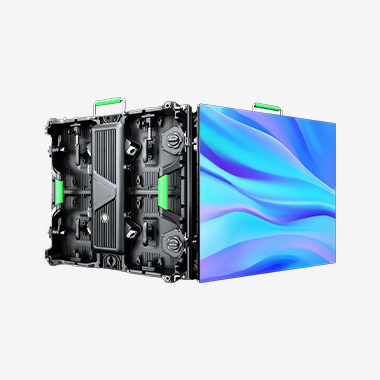
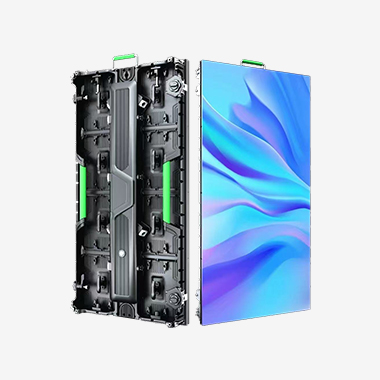
At the core of LED visual signage are the LED panels. The selection of LED panels is a critical decision that directly impacts the visual quality, performance, and durability of the signage. High - quality LED chips are the foundation of these panels. When choosing LED chips, factors such as brightness, color accuracy, viewing angle, and lifespan are carefully evaluated. For exhibition applications, LED chips with high brightness are essential to ensure that the signage is visible even in well - lit exhibition halls. They need to be able to produce sharp and vivid images that can attract attention from a distance.
Color accuracy is also of utmost importance as it determines the quality of the visual content. The LED chips should be capable of reproducing a wide range of colors with high fidelity, enabling accurate representation of brand colors, product images, and other visual elements. A wide viewing angle is necessary to ensure that the signage can be clearly seen from different positions within the exhibition space, allowing for maximum exposure to visitors. Long - lifespan LED chips are preferred to reduce the frequency of replacements and maintenance, ensuring that the signage remains operational throughout the exhibition without any disruptions.
The pixel pitch of the LED panels is another crucial consideration. The pixel pitch refers to the distance between adjacent pixels on the display. For exhibitions, where visitors may view the signage from relatively close distances, a smaller pixel pitch is often preferred to achieve high - resolution and detailed visuals. Smaller pixel pitches, typically ranging from 1.2mm to 3mm, are suitable for applications where sharpness and clarity are essential, such as product showcases or detailed information displays. However, for larger - scale signage or displays that will be viewed from a greater distance, slightly larger pixel pitches can be used to balance between visual quality and cost - effectiveness.
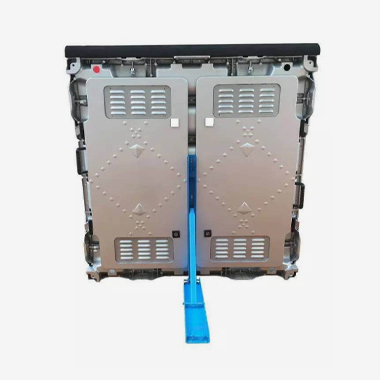
The enclosure of the LED panels is designed to protect the internal components from the rigors of exhibition use, including dust, accidental impacts, and potential damage during transportation and installation. Materials such as aluminum alloy or high - strength plastics are commonly used due to their lightweight yet sturdy nature. The enclosures are sealed to prevent the ingress of dust and moisture, and they may also feature shock - absorbing designs to withstand minor bumps and vibrations. Additionally, proper heat - dissipation mechanisms, such as heat sinks or ventilation holes, are incorporated to manage the heat generated by the LED panels during operation, ensuring their long - term reliability.
The control system of the LED visual signage is a sophisticated component that includes a video processor, a controller, and signal transmission devices. The video processor is responsible for receiving, processing, and optimizing the input video signals from various sources, such as media servers, laptops, or live cameras. It can perform functions like scaling, cropping, and color correction to ensure that the content is displayed in the best possible quality on the LED panels. The controller manages the communication between the video processor and the LED panels, sending precise control signals to adjust the brightness, color, and refresh rate of each individual LED. High - speed and reliable signal transmission cables, such as HDMI, SDI, or fiber - optic cables, are used to transmit the video and control signals, minimizing signal loss and interference, even over relatively long distances within the exhibition venue.
Assembly and Integration
The assembly process of LED visual signage begins with the careful installation of the individual LED panels. These panels are typically mounted on a sturdy frame or structure, which can be customized to fit the specific dimensions and layout requirements of the exhibition booth or display area. Specialized mounting brackets and fixtures are used to ensure a secure and stable installation, while also allowing for precise alignment of the panels to create a seamless display surface. In some cases, the LED panels may be integrated into the exhibition booth's design, becoming an integral part of the overall aesthetic.
Once the LED panels are installed, the control system is integrated. The video processor and controller are usually placed in a protected control cabinet or enclosure, which is located near the signage for easy access and maintenance. The signal transmission cables are meticulously connected between the source devices, the control system, and the LED panels. Rigorous testing is conducted at this stage to ensure that all connections are secure and that the signage can operate smoothly without any signal issues, such as lag, distortion, or dropped frames. Technicians also perform a series of tests to calibrate the display, adjusting the brightness, contrast, and color settings to optimize the visual quality based on the ambient lighting conditions and the specific requirements of the exhibitor.
In addition to the LED panels and control system, LED visual signage may also incorporate other components, such as audio systems, interactive touch - screens, or environmental sensors. Integration of these additional components requires careful planning and coordination to ensure seamless operation and a cohesive user experience. For example, an audio system can be integrated with the signage to play background music, product demonstrations, or promotional messages, enhancing the overall impact of the display. Interactive touch - screens can be added to enable visitors to interact with the content, providing a more engaging and personalized experience.
Customization
Customization is a key aspect of LED visual signage for exhibitions, allowing exhibitors to tailor the signage to their unique brand identity, exhibition goals, and the specific requirements of the event. Customization options include the size and shape of the signage. Signage can be designed in various shapes, such as rectangular, square, circular, or irregular shapes, to fit the available space in the exhibition booth and create a distinctive visual presence. The size of the signage can range from small - scale displays for intimate exhibition spaces to large - scale LED walls that dominate the booth and attract a large number of visitors.
The content displayed on the LED signage can be fully customized to match the exhibitor's marketing messages, product features, and brand story. Exhibitors can work with graphic designers, video producers, and content creators to develop unique and engaging visual content, including custom - made animations, high - definition product images, promotional videos, and interactive infographics. Additionally, the signage can be integrated with other exhibition elements, such as lighting, props, or interactive displays, to create a more immersive and memorable exhibition experience. For example, an exhibitor showcasing a new technology product could use the LED signage to display 3D product models that can be rotated and explored by visitors, while also synchronizing the signage's lighting with the overall booth lighting to create a more cohesive and impactful display.
The operation of LED visual signage for exhibitions is based on a combination of electrical, optical, and digital signal processing principles, which work in harmony to deliver high - quality, dynamic visual content that effectively communicates the exhibitor's message to the audience.
LED Operation and Light Emission
LED visual signage operates on the principle of electroluminescence. When an electric current is applied to the LED chips within the display panels, electrons and holes in the semiconductor material of the LED recombine. This recombination process releases energy in the form of photons, resulting in the emission of light.
For full - color displays, each pixel in the LED panel typically consists of multiple LED chips, usually red, green, and blue (RGB) LEDs. By precisely controlling the intensity of each color LED, a vast range of colors and shades can be created. The color of the emitted light depends on the energy bandgap of the semiconductor material used in the LED chip. Different semiconductor materials produce different colors, and through careful calibration and control of the LED driver circuits, the signage can achieve accurate color reproduction and a wide color gamut. This enables the creation of vivid and lifelike visuals, whether it's displaying a brand logo in its exact colors, showcasing product images with true - to - life colors, or presenting colorful promotional graphics.
Image Generation and Display
To generate an image on LED visual signage, digital video or data signals are first received by the signage's control system. These signals can originate from various sources, such as pre - recorded video files stored on a media server, live video feeds from cameras positioned around the exhibition area, or real - time data from exhibitor - specific software applications. The video processor within the control system decodes and processes these signals.
The video processor converts the input signals into a format that can be understood by the LED driver circuits of the individual panels. It divides the image or video into individual pixels and determines the intensity values for each color LED in each pixel. The LED driver circuits then control the current flowing through each LED chip in the display panels. By precisely adjusting the current, the brightness of each LED can be regulated, and the desired image or video is displayed on the signage.
The LED panels in the signage are arranged in a matrix pattern. The control system scans through each row and column of this matrix at high speeds to update the state of each LED in real - time. This rapid scanning, combined with the fast - switching capabilities of the LEDs, enables the display of smooth videos and dynamic animations without any noticeable flicker or lag. The high refresh rate of the LED panels ensures that the images remain sharp and stable, even when displaying fast - moving content, such as product demonstration videos or rapidly changing promotional graphics.
Signal Transmission and Control
The control system of the LED visual signage also manages the signal transmission between the input source and the LED panels. High - speed data cables, such as HDMI, SDI, or fiber - optic cables, are used to transmit the digital signals from the source devices to the video processor and then to the LED panels. These cables are designed to minimize signal loss and interference, ensuring that the video and control signals are transmitted accurately and in real - time, even over relatively long distances within the exhibition venue.
Standard communication protocols, such as SPI (Serial Peripheral Interface), DMX (Digital Multiplex), or proprietary LED control protocols, are used to ensure accurate and synchronized display of the content. These protocols define the format and timing of the data transmission, allowing the control system to precisely control the state of each LED in the signage, including its brightness, color, and switching frequency.
In addition, modern LED visual signage often incorporates wireless control capabilities. This allows exhibitors and exhibition staff to remotely manage and update the display content, adjust the display settings (such as brightness, contrast, and color temperature), and monitor the performance of the signage from a central location, such as the exhibition booth's control desk or a mobile device. Wireless control technologies, such as Wi - Fi, Bluetooth, or 5G, provide a convenient and efficient way to manage the signage during the exhibition, enabling quick adjustments and seamless integration with other exhibition systems.
Advantages
One of the most significant advantages of LED visual signage for exhibitions is its ability to attract and engage visitors. The bright, high - resolution, and dynamic visuals of LED signage can immediately capture the attention of passersby in a busy exhibition hall, drawing them to the exhibition booth. The ability to display a variety of content, including videos, animations, and interactive graphics, keeps visitors engaged and encourages them to spend more time exploring the exhibitor's products or services. This increased engagement can lead to higher conversion rates, such as generating more leads, sales, or business partnerships.
The flexibility in content management is another major benefit. Exhibitors have the freedom to update and change the content displayed on the LED signage in real - time, allowing for quick adaptations to different exhibition scenarios. For example, if an exhibitor notices that a particular product is generating more interest among visitors, they can immediately change the signage content to focus more on that product, providing more detailed information or special offers. This adaptability enables exhibitors to optimize their marketing messages and respond to market trends and customer feedback during the exhibition.
LED visual signage also offers excellent cost - effectiveness in the long run. Although the initial investment in purchasing and installing LED signage can be relatively high, the energy - efficiency of LED technology reduces the operational costs significantly. LED displays consume less power compared to traditional lighting and display solutions, resulting in lower electricity bills for the duration of the exhibition. Additionally, their long lifespan means fewer replacement costs and less maintenance required, making LED signage a more cost - effective choice over time compared to other display options.
From a branding perspective, LED visual signage provides a powerful platform for exhibitors to enhance their brand image. The ability to display high - quality, branded content, including logos, brand colors, and brand messages, consistently across the signage helps to reinforce brand recognition and recall among visitors. The dynamic and professional appearance of LED signage also conveys a sense of innovation and modernity, which can enhance the overall perception of the brand in the minds of the audience.
Challenges
Despite its many advantages, LED visual signage for exhibitions also faces several challenges. One of the primary challenges is the high initial cost. The purchase of high - quality LED panels, control systems, installation equipment, and professional installation services can be prohibitively expensive, especially for small - to - medium - sized exhibitors or those with limited budgets. This cost barrier can make it difficult for some exhibitors to invest in LED signage, forcing them to rely on more traditional and less impactful signage options.
Technical complexity is another issue. Installing and maintaining LED visual signage requires a certain level of technical expertise. Ensuring proper electrical connections, signal transmission, and calibration of the LED panels is crucial for achieving optimal visual quality. Any technical issues, such as pixel failures, signal dropouts, or color calibration problems, need to be addressed promptly by trained technicians, which can be time - consuming and costly, especially during the tight schedules of exhibition preparations. Moreover, keeping up with the latest advancements in LED technology and software for content management can be a challenge for exhibitors who may not have dedicated technical teams.
Another challenge is the content creation and management. Creating high - quality, engaging visual content that effectively communicates the exhibitor's message and showcases their products or services requires specialized skills in graphic design, video production, and digital content management. Exhibitors may need to invest in hiring professional content creators or training their staff to produce effective content, which adds to the overall cost and complexity of using LED signage. Additionally, managing and updating the content in real - time during the exhibition can be a complex task, especially if multiple LED signage units are in use across different exhibition areas.
Finally, there is the challenge of competition. As LED visual signage becomes increasingly popular in the exhibition industry, there is a growing number of exhibitors using similar technology to attract visitors. This means that exhibitors need to be more creative and innovative in their use of LED signage to stand out from the competition. Developing unique and eye - catching content, as well as finding innovative ways to integrate the signage with the overall exhibition booth design, becomes crucial for ensuring the effectiveness of the LED signage in a crowded exhibition environment.
Applications
In art exhibitions, LED visual signage offers a new and innovative way to display artworks. Artists can use LED displays to showcase digital art, video installations, and interactive art pieces. The dynamic and immersive nature of LED signage allows for a more engaging art - viewing experience, enabling visitors to explore the artworks from different perspectives and interact with them in new ways. Some art exhibitions even use LED signage to display information about the artists, the inspiration behind the artworks, and historical context, enriching the visitors' understanding and appreciation of the art.
In trade fairs, LED visual signage is a powerful tool for exhibitors to promote their products and services. It can be used to display product catalogs, special offers, and upcoming product launches. By incorporating interactive elements, such as touch - screen interfaces, visitors can easily access detailed product information, request quotes, or schedule meetings with sales representatives. This not only enhances the efficiency of the sales process but also provides a more personalized experience for potential customers. For example, in a furniture trade fair, exhibitors can use LED signage to showcase 3D models of their furniture collections, allowing visitors to visualize how the pieces would look in different settings and customize the designs according to their preferences.
Educational exhibitions also benefit greatly from LED visual signage. It can be used to present complex educational content in an accessible and engaging manner. For instance, in a science exhibition, LED displays can be used to demonstrate scientific concepts through animations and videos, making learning more interactive and fun. They can also display real - time data, such as weather information or astronomical phenomena, providing up - to - date knowledge to visitors. In historical exhibitions, LED signage can bring history to life by showing reenactments of historical events, displaying rare historical images, and providing audio - visual guides, enhancing the educational value of the exhibition.
Future Trends
One of the most significant future trends for LED visual signage in exhibitions is the integration of artificial intelligence (AI) and machine learning (ML). AI and ML algorithms can analyze visitor behavior, such as the time spent in front of a particular display, the areas of interest, and the interactions with the signage. Based on this analysis, the signage can automatically adapt the content to better suit the preferences of the visitors. For example, if the system detects that a large number of visitors are spending more time viewing a specific product category, it can prioritize related content and display more detailed information or special offers for those products. AI - powered content generation tools can also create dynamic and personalized content in real - time, reducing the burden on exhibitors for content creation.
The combination of virtual reality (VR) and augmented reality (AR) with LED visual signage will further revolutionize the exhibition experience. VR can be used to create virtual exhibition spaces, allowing visitors who cannot attend in person to explore the exhibition virtually. They can put on VR headsets and walk through a digital replica of the exhibition hall, interact with virtual exhibits, and even have virtual conversations with exhibitors. AR, on the other hand, can enhance the physical exhibition space by overlaying virtual elements onto the real - world environment. For example, when a visitor points their mobile device at an LED - displayed product, AR can show additional product details, user reviews, or 3D models that can be rotated and examined from all angles.
The development of more intelligent and energy - efficient LED panels is also on the horizon. Future LED panels will have even higher pixel densities, enabling ultra - high - definition displays with incredibly sharp and detailed visuals. They will also consume less power while maintaining or even enhancing the brightness and color quality. New materials and manufacturing techniques will be used to improve the durability and lifespan of LED panels, reducing the need for frequent replacements and maintenance. Additionally, self - healing LED technologies may emerge, where minor damages to the panels can be automatically repaired, ensuring the continuous operation of the signage.
The Internet of Things (IoT) will play an increasingly important role in LED visual signage for exhibitions. IoT - enabled signage can be connected to other devices and systems within the exhibition venue, such as lighting systems, temperature control systems, and security cameras. This connectivity allows for seamless integration and coordination. For example, the LED signage can communicate with the lighting system to adjust the ambient light according to the content being displayed, or it can work with security cameras to display emergency information in case of a security threat. Moreover, IoT - based sensors can be integrated into the signage to collect data on environmental conditions, visitor traffic, and the performance of the signage itself, providing valuable insights for exhibitors and exhibition organizers to optimize the exhibition experience.
Another trend is the increasing use of sustainable and eco - friendly LED visual signage. With growing environmental awareness, exhibitors and exhibition organizers will prefer signage solutions that have a lower environmental impact. This includes using LED panels made from recycled materials, developing energy - harvesting technologies for LED signage, such as solar - powered or kinetic - energy - powered displays, and implementing more sustainable manufacturing and disposal processes. Sustainable LED signage not only helps to reduce the carbon footprint of exhibitions but also enhances the brand image of exhibitors who are committed to environmental responsibility.
Conclusion
LED visual signage has emerged as a transformative force in the exhibition industry, offering a multitude of benefits that enhance the communication between exhibitors and visitors, elevate the overall exhibition experience, and provide a competitive edge in a crowded marketplace. Its ability to capture attention with vibrant visuals, offer flexibility in content presentation, enable interactivity, and provide cost - effective and energy - efficient solutions has made it an essential tool for various types of exhibitions.
Despite the challenges associated with high initial costs, technical complexity, content creation, and competition, the future of LED visual signage is filled with promise. The integration of emerging technologies such as AI, VR, AR, IoT, and the development of more intelligent, energy - efficient, and sustainable solutions will further expand its capabilities and applications. As the exhibition industry continues to evolve, LED visual signage will undoubtedly play an even more crucial role in creating immersive, engaging, and memorable exhibition experiences that meet the changing expectations of exhibitors and visitors alike. Exhibitors and industry stakeholders who embrace these trends and leverage the potential of LED visual signage will be well - positioned to succeed in the dynamic world of exhibitions.


Copyright © 2026 Shenzhen Cogo Technology Co.,Ltd.
All Rights Reserved

 Previous article