




 Chat Now
LED display RGB signage refers to a category of digital display solutions that leverage Red-Green-Blue (RGB) LED diodes to produce full-color, dynamic visuals for communication and branding. Unlike single-color (monochrome) LED signs (which only emit red, green, or blue light), RGB signage combines these three primary colors in varying intensities to create millions of distinct hues—enabling vivid images, videos, animations, and text that capture audience attention across indoor and outdoor environments.
Key defining features include color versatility (covering 90%+ of the sRGB color gamut for accurate color reproduction), adjustable brightness (300–10,000 nits, tailored to indoor lighting or outdoor sunlight), and modular design (allowing customization of size from small countertop signs to large video walls). These signs are widely used across industries, driven by the demand for engaging, flexible visual communication—whether in retail stores (showcasing product demos), corporate lobbies (displaying brand messaging), or outdoor billboards (running advertising campaigns).
The global market for LED display RGB signage has grown steadily, fueled by advancements in LED chip technology (smaller, more energy-efficient RGB diodes) and falling costs. From small businesses using compact RGB signs for promotions to large enterprises deploying RGB video walls for immersive experiences, this technology has become a staple in modern visual communication. Its ability to balance color quality, flexibility, and durability makes it suitable for both temporary events (e.g., trade shows) and permanent installations (e.g., building facades), solidifying its role as a versatile tool for connecting with audiences.
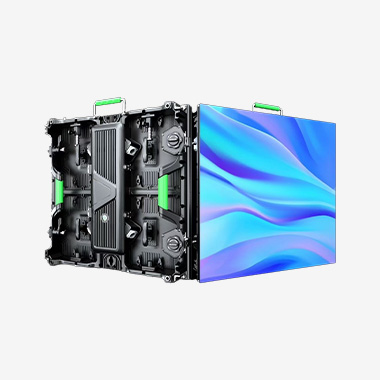
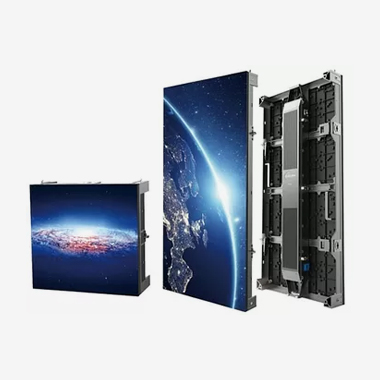
The design and construction of LED display RGB signage prioritize color accuracy, durability, and adaptability, with components engineered to optimize the performance of RGB LED technology. At the core of every RGB sign is the RGB LED module—the fundamental building block containing clusters of RGB diodes (typically 3-in-1 SMD chips, where red, green, and blue diodes are integrated into a single compact package). These modules vary in size (common dimensions: 160x160mm or 320x320mm) and are modular, allowing for easy assembly into custom sign sizes.
Pixel pitch is a critical design parameter: smaller pitches (1.2–5mm) are used for indoor RGB signs (e.g., retail counter displays, corporate meeting room screens) to ensure sharp details for close viewing, while larger pitches (10–30mm) suit outdoor RGB signs (e.g., billboards, stadium perimeters) where viewers are farther away. The LED chip quality directly impacts color performance—high-grade RGB chips (e.g., Epistar, Cree) deliver consistent color output and longer lifespans (50,000+ operational hours), avoiding color fading or mismatches over time.
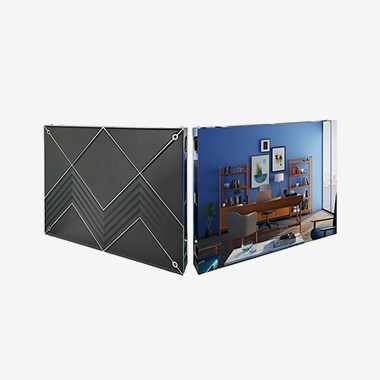
Construction varies by environment: indoor RGB signs use lightweight plastic or aluminum frames (2–4kg per module) for easy mounting, with slim profiles to fit tight spaces. Outdoor RGB signs feature rugged aluminum alloy frames, IP65/IP67 waterproof ratings (to resist rain and dust), and anti-UV coatings (to prevent color degradation from sunlight). For outdoor models, cooling systems (passive heat sinks or fans) are integrated to maintain optimal operating temperatures for RGB diodes, which are sensitive to overheating.
The control system is tailored to RGB color management: a sending card processes content to specify RGB intensity levels for each pixel, while receiving cards (mounted on each module) translate these signals into electrical current for the diodes. Calibration tools are included to ensure uniform color across the sign—critical for avoiding “color banding” (visible transitions between hues). Finally, power supplies feature surge protection to prevent voltage fluctuations from damaging RGB diodes, ensuring consistent color output and long-term reliability.
LED display RGB signage operates through a synchronized process of color mixing, signal processing, and pixel illumination—all designed to translate digital content into vibrant, full-color visuals. At its core, the technology relies on the principle of additive color mixing: by adjusting the brightness of red, green, and blue (RGB) diodes in each pixel, the sign can reproduce any color in the visible spectrum.
The process begins with content input and processing. Users upload digital content (images, videos, text) to a control computer running specialized RGB signage software (e.g., NovaLCT, Linsn Studio). This software analyzes the content and converts it into pixel-by-pixel color data, specifying the exact intensity (0–255) for the red, green, and blue diodes in each pixel. For example, to display a yellow pixel, the software sets red and green diodes to high intensity and blue to low; to create white, all three diodes are set to maximum brightness.
Next, signal distribution occurs. A sending card (connected to the control computer) splits the high-resolution color data stream into segments, one for each RGB module in the sign. These segments are transmitted to receiving cards (one per module) via Ethernet cables or wireless connections. Receiving cards convert the digital color data into analog electrical signals, which are sent to driver ICs (integrated circuits) on each module.
Driver ICs regulate the current flowing to each RGB diode cluster, ensuring the diodes emit light at the specified intensity. This precise control over individual RGB components is what enables the sign to display smooth color gradients, sharp text, and high-quality videos. A critical principle for RGB signage is color calibration: the control software periodically adjusts RGB intensity levels to account for diode aging, ensuring consistent color output across the entire sign over time.
For outdoor RGB signs, environmental adaptation is integrated: light sensors detect ambient brightness, and the control system adjusts overall RGB intensity to maintain visibility (e.g., boosting brightness in sunlight, dimming at night). Refresh rates (300–600Hz) are optimized to prevent flicker, which can distort color perception and cause viewer discomfort. Together, these principles ensure LED display RGB signage delivers accurate, dynamic color visuals in any environment.
LED display RGB signage offers significant advantages for visual communication, but it also presents unique challenges tied to color management, cost, and environmental performance.
Key Advantages:
Superior Color Quality and Visual Impact: Unlike monochrome LED signs, RGB signage produces rich, full-color visuals that stand out in cluttered environments. Its ability to reproduce millions of hues ensures accurate representation of brand colors, product details (e.g., fabric tones, cosmetic shades), and dynamic content (e.g., video ads, animations). Studies show RGB signs generate 2–3x more audience engagement than monochrome signs, making them ideal for retail promotions, advertising, and brand storytelling.
Flexibility and Content Versatility: RGB signage supports diverse content types—static images, videos, live feeds, and interactive elements—all customizable via software. Users can update content in real time (e.g., a restaurant changing RGB menu boards to reflect daily specials) or schedule playback (e.g., a retail store running holiday-themed RGB visuals during December). Modular design also allows for easy reconfiguration: a small RGB sign can be expanded into a larger video wall by adding more modules, adapting to changing needs.
Energy Efficiency and Long Lifespan: Modern RGB LED diodes are highly energy-efficient—using 40–70% less power than traditional color display technologies (e.g., fluorescent or LCD signs). For example, a 1m² indoor RGB sign consumes 50–100W, compared to 200–300W for an LCD sign of the same size. RGB diodes also have a lifespan of 50,000–100,000 operational hours (5–10 years of daily use), reducing replacement costs and minimizing electronic waste.
Durability for Diverse Environments: Outdoor RGB signs are built to withstand harsh conditions—IP65/IP67 waterproof ratings, anti-UV coatings, and temperature resistance (-30°C to 60°C) ensure reliable performance in rain, dust, and extreme heat. Indoor RGB signs are lightweight and scratch-resistant, making them suitable for high-traffic spaces like retail stores or airports. This durability ensures consistent performance with minimal maintenance.
Notable Challenges:
Higher Initial Cost Than Monochrome Signs: RGB signage is more expensive upfront than single-color LED signs— a small 0.5m² indoor RGB sign can cost \(500–\)1,000, while a large outdoor RGB video wall may exceed $10,000. The cost is driven by RGB diode technology and color management systems, which can be a barrier for small businesses or budget-constrained projects.
Color Calibration Complexity: Maintaining consistent color across large RGB signs or video walls requires regular calibration. Over time, RGB diodes may age at different rates, leading to color mismatches (e.g., one section appearing more red than others). Professional calibration tools and expertise are often needed, adding to maintenance costs. Poor calibration can reduce visual quality, undermining the sign’s effectiveness.
Outdoor Visibility Limitations in Extreme Light: While outdoor RGB signs have high brightness (up to 10,000 nits), they may struggle with visibility in extreme conditions—e.g., direct midday sunlight can wash out colors, or heavy rain can reduce contrast. Advanced anti-glare coatings and automatic brightness adjustment help mitigate this, but they add to the sign’s cost.
Content Creation Requirements: To maximize the impact of RGB signage, content must be optimized for color and resolution. Poorly designed content (e.g., low-resolution images, mismatched color schemes) can make the sign appear unprofessional. Creating high-quality RGB content requires design skills and software (e.g., Adobe Photoshop, After Effects), which may be a barrier for users with limited resources.
LED display RGB signage’s color versatility and flexibility have led to its adoption across diverse industries, while emerging technologies promise to expand its capabilities and redefine visual communication.
Key Applications:
Retail and Commercial Spaces: Retailers use RGB signage to enhance in-store experiences—small countertop RGB signs promote sales or new products, while large RGB video walls showcase product demos or fashion shows. Department stores use RGB signs for wayfinding (color-coded directional text) or to highlight seasonal collections (e.g., red-and-green RGB visuals for Christmas). Restaurants deploy RGB menu boards to display food images with vibrant colors, increasing customer orders by 15–20% compared to static menus.
Corporate and Public Buildings: Corporate lobbies use RGB signage to display brand logos, mission statements, or real-time company news—customizable colors align with brand identities (e.g., blue RGB visuals for a tech company). Government buildings and airports use RGB signs for public information: color-coded alerts (e.g., red for emergencies, green for updates) or multilingual text with color accents to improve readability. Hospitals use RGB signs for wayfinding (directing patients to departments) or to display calming visuals (e.g., blue-green nature scenes) in waiting areas.
Entertainment and Events: Stadiums and concert venues use large outdoor RGB signs for advertising, scoreboards, or live camera feeds—vibrant colors ensure visibility even in bright sunlight. Music festivals deploy portable RGB signs for stage backdrops, syncing colors with music to create immersive experiences. Trade shows use RGB signage in booths to attract visitors, with interactive RGB displays allowing attendees to explore products via touch or gesture control.
Outdoor Advertising and Urban Landscapes: Outdoor RGB billboards run dynamic advertising campaigns—brands use full-color videos or animations to stand out from static billboards. City centers use RGB signs for public art (e.g., color-changing building facades) or to display community messages (e.g., holiday greetings with seasonal colors). Highways use RGB signs for traffic alerts, with color-coded messages (e.g., yellow for caution, red for closures) to improve driver awareness.
Future Trends:
Higher Resolution and Micro-RGB Diodes: Manufacturers are developing RGB signs with smaller pixel pitches (0.5–1mm) and micro-RGB diodes (less than 100 micrometers), enabling ultra-high-definition visuals. These signs will be used for close-viewing applications (e.g., retail fitting room mirrors with RGB product recommendations) or for immersive experiences (e.g., 360-degree RGB video walls in theme parks).
AI-Driven Color Optimization: AI will play a key role in RGB signage—algorithms will analyze content and environment to optimize colors (e.g., adjusting RGB levels for indoor lighting or outdoor sunlight) or to match brand color palettes automatically. AI will also enable personalized content: RGB signs in retail stores may use camera data to detect customer demographics and display color-preferred visuals (e.g., brighter RGB colors for younger audiences).
Interactive and Immersive Features: Future RGB signage will integrate touch, gesture, or AR (augmented reality) capabilities—users can touch an RGB sign to change colors or explore product details, while AR integration will overlay 3D visuals on RGB displays (e.g., a furniture store’s RGB sign showing how a sofa would look in a customer’s home). 360-degree RGB signs will create fully immersive spaces, used in museums or exhibitions to transport visitors to virtual environments.
Sustainability and Energy Efficiency: As environmental concerns grow, RGB signage will adopt eco-friendly designs—energy-efficient micro-RGB diodes will reduce power consumption by 30–40%, while recyclable materials (e.g., aluminum frames, biodegradable cables) will minimize waste. Solar-powered outdoor RGB signs will become more common, using integrated solar panels to reduce reliance on grid electricity. Some RGB signs may also feature “self-healing” technology, where faulty diodes are automatically replaced by backups to extend lifespan.
Conclusion
LED display RGB signage has transformed visual communication by leveraging the power of red, green, and blue light to create vibrant, versatile visuals that engage audiences across industries. Its core strength lies in color versatility—enabling millions of hues to match brand identities, enhance content, and adapt to diverse environments—from small retail signs to large outdoor billboards. By replacing monochrome and static displays, RGB signage has set a new standard for dynamic, flexible communication, helping businesses, organizations, and cities connect with audiences in more meaningful ways.
While challenges like upfront costs and color calibration persist, they are being addressed by technological advancements—smaller, more efficient RGB diodes, AI-driven color optimization, and sustainable designs are making RGB signage more accessible and effective. The future of RGB signage is rooted in deeper interactivity and immersion, with innovations like AR integration and micro-RGB technology promising to expand its capabilities beyond traditional display boundaries.
In essence, LED display RGB signage is more than a visual tool—it is a catalyst for creativity and connection. As it continues to evolve, it will remain a cornerstone of modern visual communication, enabling more personalized, immersive, and sustainable experiences that resonate with audiences and drive meaningful outcomes. Whether in retail, entertainment, or public spaces, RGB signage will continue to shape how we see and interact with the world around us.


Copyright © 2026 Shenzhen Cogo Technology Co.,Ltd.
All Rights Reserved

 Previous article