




 Chat Now
In the dynamic landscape of visual communication, LED rental display walls have emerged as a versatile and cost - effective solution, catering to a wide array of events and applications. Unlike fixed - installation LED display walls, which are permanently integrated into a specific location, rental display walls are designed for temporary use, offering flexibility and convenience to event organizers, businesses, and individuals. These display walls leverage the same fundamental LED technology, but with a focus on portability, easy installation, and adaptability to diverse event requirements.
The core concept of LED rental display walls lies in their ability to provide high - quality visual displays without the need for a long - term investment. They are composed of modular LED panels that can be quickly assembled and disassembled, allowing them to be transported and installed at different venues. By combining red, green, and blue (RGB) LEDs, these display walls can generate vibrant colors, sharp images, and dynamic videos, making them suitable for various purposes, from advertising and entertainment to information dissemination.
The growing popularity of LED rental display walls can be attributed to several factors. Firstly, the increasing number of events, such as concerts, trade shows, corporate conferences, and weddings, has created a high demand for temporary visual display solutions. Event organizers often require eye - catching displays to enhance the event atmosphere, engage the audience, and convey their messages effectively. LED rental display walls offer a quick and efficient way to meet these needs without the burden of purchasing and maintaining a permanent display system.
Secondly, the cost - effectiveness of LED rental display walls is a major draw. Purchasing a large - scale LED display wall can be a significant financial investment, including costs for equipment, installation, and maintenance. In contrast, renting allows businesses and event planners to access high - quality display technology at a fraction of the cost, making it an attractive option, especially for those with limited budgets or one - time event requirements.
Moreover, advancements in LED technology have made rental display walls more accessible, reliable, and feature - rich. Improvements in panel design, connectivity, and control systems have made the installation and operation of these display walls more user - friendly, further fueling their adoption across different industries.
The design and construction of LED rental display walls are centered around portability, durability, and ease of installation. The design process begins with understanding the specific requirements of potential rental applications, such as the size of the event venue, the viewing distance, and the type of content to be displayed.
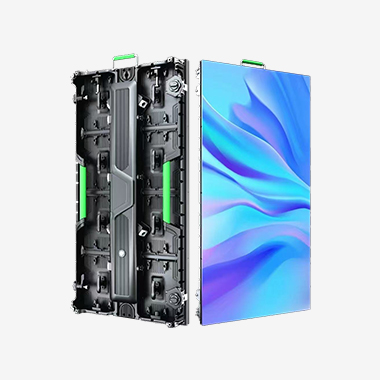
One of the primary design considerations is the modularity of the display wall. Rental display walls are typically composed of individual LED panels that are designed to be easily connected and disconnected. These panels are usually standardized in size and shape, allowing for seamless assembly into different sizes and shapes of display walls. The modular design not only simplifies the installation and disassembly process but also makes it easier to replace individual panels in case of damage during transportation or use.
The pixel pitch is another crucial design element. Similar to other LED displays, a smaller pixel pitch results in a higher resolution and sharper image, which is ideal for applications where the display will be viewed from a close distance, such as in small - scale corporate events or trade show booths. However, a smaller pixel pitch also increases the cost of the panels. Therefore, rental display wall providers often offer a range of pixel pitch options to meet different budget and visual quality requirements. For larger events with greater viewing distances, a slightly larger pixel pitch may be sufficient to balance cost and performance.
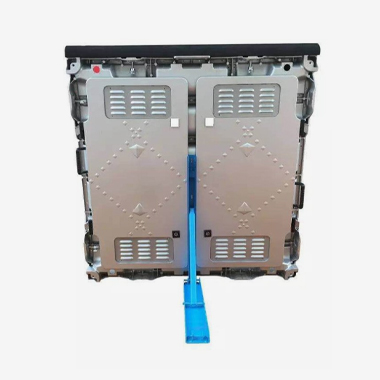
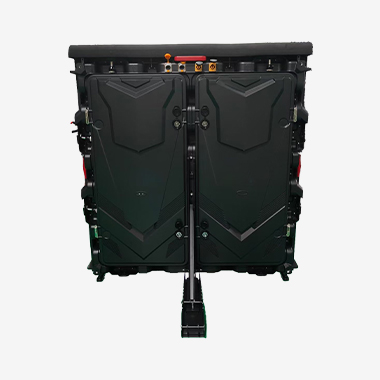
In terms of construction, LED rental display walls are built to withstand the rigors of transportation and frequent installation and disassembly. The panels are typically made from lightweight yet durable materials, such as aluminum frames and high - quality plastic covers, to reduce weight for easy handling while ensuring protection for the internal LED components. Specialized connectors and cabling systems are used to ensure secure and reliable connections between the panels, minimizing the risk of signal loss or power failure during operation.
The enclosures of the rental display walls are designed to be compact and stackable, facilitating efficient storage and transportation. Some rental display walls also come with protective cases or covers to shield the panels from dust, moisture, and physical damage during transit. Additionally, the design often incorporates features for quick and easy setup, such as snap - on connectors and intuitive control interfaces, enabling event staff to assemble and operate the display wall with minimal technical expertise.
The working principles of LED rental display walls are based on the same fundamental concepts as other LED display systems, involving the conversion of electrical energy into light and digital signal processing. The process starts with the input of digital content, which can be sourced from various devices such as computers, media servers, cameras, or video players. This digital content is first processed and formatted using specialized software to ensure compatibility with the display wall's control system.
The control system of the LED rental display wall is a critical component that manages the display of content. It typically consists of control cards and software that receive the processed digital data and convert it into electrical signals. These electrical signals are then transmitted to the individual LED panels within the display wall. Each LED in the panel is addressed separately, and the control system precisely regulates the current flowing through each LED, determining its brightness and color.
To display an image or video, the control system employs pulse - width modulation (PWM) technology. PWM rapidly switches the LEDs on and off at a high frequency, adjusting the duration for which each LED is on to control its brightness. By precisely controlling the PWM signals for each LED, the control system can create smooth and seamless visual transitions, resulting in high - quality images and videos with excellent clarity and detail.
In addition to controlling the LEDs, the control system also manages the synchronization of the entire display wall. This is crucial for ensuring that all the LED panels update simultaneously, preventing any visual artifacts or flickering. The control system can interface with external devices, such as audio systems for synchronized audio - visual experiences, or sensors for ambient light monitoring. Some advanced rental display walls also support wireless connectivity, allowing for remote control and content management, providing greater flexibility during event setup and operation.
Furthermore, the control system enables the display wall to support various input formats and content types. It can handle high - definition video, images, text, and even live - streaming feeds, making it suitable for a wide range of event applications, from product launches and presentations to live entertainment shows.
LED rental display walls offer numerous advantages that have made them a popular choice for a variety of events and applications. One of the most significant advantages is their flexibility. They can be customized in terms of size, shape, and resolution to fit the specific requirements of different events. Whether it's a small - scale indoor meeting or a large - scale outdoor festival, rental display walls can be assembled to create the desired visual impact, providing a tailored solution for each event.
Another major advantage is the cost - effectiveness. Renting LED display walls eliminates the need for a large upfront investment in purchasing and installing a permanent display system. Event organizers only pay for the rental period, which includes the cost of the equipment, delivery, installation, and technical support. This makes it an attractive option for businesses and individuals with limited budgets or those who only require the display for a short - term event.
LED rental display walls also offer high - quality visual performance. With advancements in LED technology, rental display walls can provide bright, vivid, and sharp images and videos, ensuring that the content is clearly visible and engaging to the audience. The ability to display dynamic content, such as videos and animations, adds to the visual appeal and can effectively capture the attention of the viewers.
However, LED rental display walls also face several challenges. One of the main challenges is availability. During peak event seasons, the demand for rental display walls can be extremely high, leading to limited availability. Event organizers need to plan and book the rental equipment well in advance to ensure that they can secure the desired display wall for their event.
Another challenge is technical support. While rental display walls are designed to be user - friendly, setting up and operating them still requires some technical knowledge. Event staff may need assistance with installation, calibration, and troubleshooting, especially for more complex events or when using advanced features. Ensuring that reliable technical support is available during the rental period is crucial to avoid any disruptions during the event.
The transportation and handling of rental display walls also pose challenges. The panels are delicate electronic devices that need to be carefully transported and handled to prevent damage. Any damage during transit can lead to delays in event setup and additional costs for repairs or replacements. Rental providers need to have proper packaging and transportation procedures in place to minimize these risks.
LED rental display walls have a diverse range of applications across various industries. In the event and entertainment industry, they are widely used for concerts, music festivals, award shows, and live performances. These display walls can be used as stage backdrops, creating immersive visual experiences that enhance the performance and engage the audience. They can also display artist information, lyrics, and special visual effects, adding to the overall production value of the event.
In the corporate sector, LED rental display walls are used for conferences, seminars, product launches, and trade shows. They can be used to display presentations, product demonstrations, company branding, and promotional videos, helping businesses to effectively communicate their messages and showcase their products or services to clients and stakeholders.
For weddings and social events, rental display walls can be used to create a personalized and memorable atmosphere. They can display photos, videos, and messages related to the event, adding a unique touch and enhancing the overall experience for the guests.
Looking to the future, several trends are expected to shape the development of LED rental display walls. One trend is the increasing integration of smart technologies. The use of the Internet of Things (IoT), artificial intelligence (AI), and machine learning (ML) will enable more intelligent and automated operation of rental display walls. For example, AI - powered systems could analyze the audience's behavior and preferences in real - time and adjust the displayed content accordingly, optimizing the effectiveness of the visual display. IoT sensors could be used to monitor the performance and health of the display wall, enabling predictive maintenance and reducing downtime.
Another trend is the development of more lightweight and portable LED panels. As the demand for more flexible and easy - to - handle rental display solutions grows, manufacturers are likely to focus on creating thinner, lighter, and more durable panels. This will make transportation and installation even more convenient, further enhancing the appeal of LED rental display walls.
The improvement of resolution and visual quality is also an ongoing trend. With the development of micro - LED and mini - LED technologies, rental display walls are expected to offer higher pixel densities, resulting in even sharper and more detailed images. This will provide event organizers with more options to create visually stunning displays that can meet the evolving expectations of audiences.
Conclusion
LED rental display walls have become an essential tool in the world of visual communication, offering flexibility, cost - effectiveness, and high - quality visual performance for a wide range of events and applications. Despite the challenges of availability, technical support, and transportation, the continuous advancements in LED technology and the integration of new smart features are driving the growth and evolution of this market.
As we move forward, the future of LED rental display walls looks promising. The integration of advanced technologies, the development of more portable and high - resolution panels, and the expansion of application areas will likely lead to more innovative and user - friendly rental display solutions. These display walls will continue to play a crucial role in enhancing the visual impact of events, enabling effective communication, and creating memorable experiences for audiences around the world.


Copyright © 2026 Shenzhen Cogo Technology Co.,Ltd.
All Rights Reserved

 Previous article