




 Chat Now
Outdoor fixed installation LED display walls are large-scale, permanent visual communication systems designed to thrive in harsh outdoor environments while delivering high-impact, dynamic content. Unlike portable LED screens or temporary setups, these walls are engineered for long-term, 24/7 operation—mounted on buildings, billboards, stadium facades, or dedicated structures in urban centers, transportation hubs, and public plazas. Their primary purpose is to engage large audiences with vibrant visuals, including advertising campaigns, public service announcements, live event streams, and real-time data (e.g., traffic updates, weather forecasts).
A defining feature of these display walls is their pixel configuration, which balances resolution and visibility. Depending on the viewing distance (ranging from 10 meters for small urban walls to 100+ meters for stadium-sized installations), pixel pitches typically range from P2.5 (2.5mm between pixels) for close-range viewing to P16 (16mm) for long-distance visibility. This flexibility ensures clear, undistorted content even in direct sunlight, thanks to high brightness levels—usually 5,000–10,000 nits—far exceeding indoor displays (1,000–2,000 nits).
Durability is another cornerstone. Outdoor fixed walls must withstand extreme weather: temperature fluctuations (-40°C to 60°C), heavy rain, dust, UV radiation, and even strong winds. To meet this demand, they adhere to strict IP (Ingress Protection) ratings, with most models boasting IP65 or IP67 certification—meaning they are dust-tight and protected against low-pressure water jets or temporary submersion.
In recent years, these display walls have evolved to prioritize energy efficiency. Modern models integrate high-efficiency SMD (Surface-Mount Device) LEDs, intelligent brightness control, and low-power power supplies, reducing energy consumption by 30–50% compared to older fixed installations. This shift aligns with global sustainability goals and helps operators lower long-term operational costs, a critical factor given their permanent, high-hour usage.
Adoption is driven by three key trends: urbanization (cities seeking to enhance public spaces with interactive visuals), the growth of digital advertising (brands demanding dynamic, updatable content), and advancements in LED technology (smaller pixels, higher brightness, and lower power use). Today, outdoor fixed LED display walls are no longer just “big screens”—they are integral parts of smart cities, connecting communities, driving commerce, and transforming urban landscapes into dynamic, engaging environments.
The design and construction of outdoor fixed installation LED display walls require a holistic approach that balances performance, durability, and long-term reliability. Every component—from LED modules to structural supports—is engineered to withstand outdoor stressors while delivering consistent visual quality, with no room for compromise given the permanent nature of the installation.
Core Design Principles
Two primary principles guide the design: environmental resilience and optimal visual performance. Environmental resilience starts with material selection: all components must resist corrosion, UV degradation, and temperature-induced expansion/contraction. Visual performance, meanwhile, focuses on pixel pitch, brightness, and color accuracy—ensuring content remains clear and vibrant across all viewing distances and lighting conditions.
Key Components and Construction Details
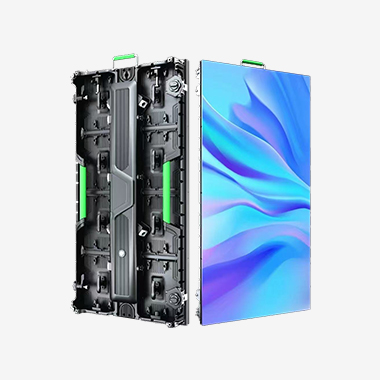
LED Modules: The building blocks of the display wall, each module consists of a grid of SMD RGB LEDs (red-green-blue) mounted on a heat-resistant PCB (Printed Circuit Board). PCBs are typically made of FR4 glass-reinforced epoxy, which withstands high temperatures and prevents warping. LEDs are coated with a UV-stabilized silicone encapsulant to protect against sunlight damage. Modules come in standard sizes (e.g., 320x160mm, 640x320mm) for easy assembly, and their pixel pitch is selected based on viewing distance—for example, a wall near a sidewalk might use P3.9 (3.9mm pitch), while a stadium facade uses P10 (10mm pitch).
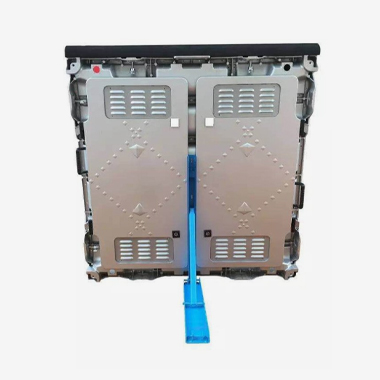
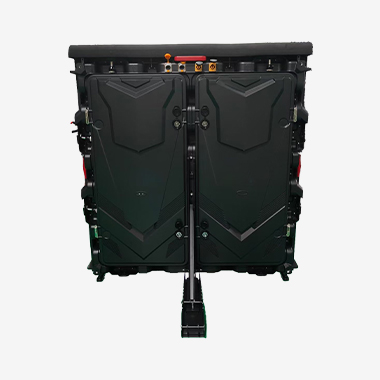
Enclosure and Protection: The enclosure houses the LED modules and acts as a barrier against the elements. It is constructed from aluminum alloy (lightweight, corrosion-resistant, and recyclable) or stainless steel (for high-traffic areas prone to impact). The front panel uses tempered glass or polycarbonate—both shatterproof and UV-resistant—to protect LEDs while maintaining clarity. All seams are sealed with IP65/IP67-rated gaskets, and drainage channels are integrated to channel rainwater away from internal components, preventing water damage.
Structural Support: Since the wall is fixed, structural supports must handle its weight (typically 20–50kg/m²) and resist wind loads (up to 150km/h in coastal areas). Supports are made of galvanized steel or aluminum, anchored to the building or a dedicated concrete foundation. Engineers conduct wind tunnel tests and load calculations during the design phase to ensure the structure can withstand extreme weather without shifting or collapsing.
Cooling System: LEDs generate heat during operation, and excessive heat reduces brightness and lifespan. Outdoor fixed walls use passive cooling systems as the primary solution—aluminum heat sinks attached to the back of each module draw heat away from LEDs and dissipate it into the air. For large walls (100+m²) or hot climates, additional cooling is added: perforated back panels for natural airflow, or in extreme cases, low-power fans (consuming <5W each) that activate only when temperatures exceed 40°C. This avoids the energy inefficiency of active cooling systems like air conditioners.
Power and Control Systems: Power supplies are high-efficiency switch-mode units (SMPS) with 90%+ efficiency and power factor correction (PFC ≥0.95) to minimize energy waste. They are mounted in weatherproof compartments, with redundant power paths—if one supply fails, others take over to prevent downtime. Control systems use low-power DC controllers (5–10W) connected to cloud-based software, enabling remote content updates, brightness adjustment, and performance monitoring. Cabling is UV-resistant and routed through the structural frame to protect against damage and exposure.
Manufacturing and Testing
All components undergo rigorous testing before installation: environmental chamber tests (simulating temperature, humidity, and UV exposure), vibration tests (to ensure durability during transportation), and brightness/color calibration (to ensure uniform performance across the wall). The final installation is inspected for IP rating compliance, structural stability, and visual consistency—ensuring the wall meets industry standards (e.g., ISO 9001 for quality, EN 62471 for light safety) and operates reliably for 50,000–100,000 hours.
Outdoor fixed installation LED display walls operate through four interconnected systems—LED illumination, power delivery, brightness control, and content management—each optimized to deliver clear, energy-efficient visuals in outdoor environments. Understanding these principles is key to appreciating how the wall maintains performance despite variable lighting, temperature, and weather conditions.
1. LED Illumination: Converting Electricity to Light
At the core of the display wall is the SMD RGB LED chip, which generates light through electroluminescence. Each LED chip contains three semiconductor dies—one red (emitting light at 620–660nm wavelength), one green (520–560nm), and one blue (440–480nm). When a low-voltage DC current (typically 5V or 12V) passes through the dies, electrons collide with electron holes, releasing energy as photons (light). By adjusting the current intensity of each die, the LED can produce millions of color combinations—enabling full-color content playback.
The efficiency of this process is measured by luminous efficacy (lumens per watt, lm/W). Modern SMD LEDs have an efficacy of 150–200 lm/W, meaning they produce more light per watt than older LED technologies (80–120 lm/W) or traditional lighting (e.g., neon tubes at 20–40 lm/W). This high efficacy is critical for outdoor walls, which need bright visuals (5,000–10,000 nits) without excessive energy use.
Heat management is integral to maintaining illumination efficiency. As mentioned earlier, passive cooling systems (heat sinks) draw heat away from the LED dies—if temperatures exceed 60°C, the LED’s efficacy drops by 10–20%, leading to dimmer content. The heat sinks, made of high-thermal-conductivity aluminum, ensure the dies remain at 30–45°C, preserving brightness and extending lifespan.
2. Power Delivery: Efficient Energy Distribution
The wall’s power system converts AC (alternating current) grid power to DC (direct current) for the LEDs, minimizing energy loss at every step. The process starts with switch-mode power supplies (SMPS), which replace inefficient linear power supplies used in older displays. SMPS use high-frequency switching (20–100kHz) to convert 110V/220V AC to 5V/12V DC, with an efficiency rating of 90%+—meaning only 10% of energy is lost as heat, compared to 20–30% for linear supplies.
To further improve efficiency, SMPS include power factor correction (PFC) circuits. The power factor (PF) measures how effectively the wall uses grid power—without PFC, the current waveform is distorted, leading to energy waste and potential penalties from utility companies. Outdoor fixed walls have a PF of 0.95 or higher, ensuring nearly all drawn power is used productively.
Power is distributed to LED modules via low-resistance copper cables. Copper has a conductivity of 58 MS/m (siemens per meter), minimizing I²R loss (energy lost as heat due to current flow through resistance). For large walls, power is split into zones—each zone powered by a dedicated SMPS—to prevent voltage drops (which cause dimming at the edges of the wall). For example, a 200m² wall might have 10 zones, each powered by a 200W SMPS, ensuring consistent voltage across all modules.
3. Brightness Control: Adapting to Outdoor Lighting
Outdoor lighting conditions vary drastically—from direct sunlight (100,000 lux) to night (10 lux)—so the wall must adjust brightness dynamically to maintain visibility while saving energy. This is achieved through light sensors (photodiodes) mounted on the wall’s edge, which measure ambient light levels in real time (updating every 1–5 seconds).
The control system uses sensor data to adjust LED brightness:
In sunlight (high ambient light), brightness is set to 8,000–10,000 nits to cut through glare.
At dusk/dawn (medium ambient light), brightness is reduced to 2,000–5,000 nits.
At night (low ambient light), brightness drops to 500–1,000 nits to avoid light pollution and save energy (reducing power use by 70–80% vs. daytime).
Some advanced walls use dynamic contrast adjustment, which dims individual pixels in dark areas of the content (e.g., black backgrounds) while keeping bright pixels at full intensity. This not only saves energy but also improves contrast ratio (up to 10,000:1), making content more vivid—critical for advertising and video playback.
4. Content Management: Delivering Dynamic Visuals
Content is managed by a central control system, consisting of a low-power DC controller (5–10W) and cloud-based software. The controller receives content (videos, images, text) from a remote server via Ethernet or 4G/5G, then sends signals to each LED module to display the content.
Key features of the control system include:
Remote Updates: Users can update content from anywhere via a web portal or mobile app, eliminating the need for on-site visits (a major advantage over static billboards).
Calibration: The system calibrates color and brightness across all modules to ensure uniformity—critical for large walls, where slight variations in LED performance can create visible “hot spots” (brighter areas) or “dead spots” (dimmer areas).
Monitoring: IoT (Internet of Things) sensors track the wall’s performance—temperature, power use, LED health—and send alerts if issues arise (e.g., a faulty module, overheating). This enables proactive maintenance, reducing downtime.
For live content (e.g., sports streams, concerts), the system uses low-latency protocols (e.g., NDI, SRT) to ensure content is displayed in real time (latency <100ms), avoiding delays that would disrupt the audience experience.
Outdoor fixed installation LED display walls offer unique benefits for businesses, cities, and organizations, but they also present challenges that must be addressed during planning and operation. Understanding these pros and cons is essential for making informed decisions about investing in this technology.
Advantages
High Visual Impact and Engagement: These walls deliver vibrant, high-brightness visuals (5,000–10,000 nits) that stand out in busy outdoor environments—capturing audience attention more effectively than static billboards or traditional signage. Dynamic content (videos, animations, real-time updates) increases engagement: studies show digital displays generate 3x more views than static billboards, and 70% of consumers report noticing digital outdoor ads more often. For brands, this translates to higher brand recall—critical for driving sales or awareness.
Long-Term Cost Efficiency: While upfront costs are higher than static signage, outdoor fixed LED walls offer significant long-term savings. Their lifespan of 50,000–100,000 hours (5–10 years of 24/7 operation) far exceeds static billboards (1–2 years before graphics need replacement). Energy efficiency further reduces costs: modern walls use 30–50% less energy than older LED installations, with a 100m² wall consuming 5,000–15,000 kWh/year (vs. 20,000–30,000 kWh/year for older models). At an average electricity rate of \(0.15/kWh, this saves \)750–$2,250/year—offsetting upfront costs over time.
Flexibility and Updatability: Unlike static billboards, which require physical graphic swaps (costing \(500–\)2,000 per update), LED walls allow remote content updates in minutes—via cloud-based software. This flexibility is ideal for time-sensitive content: advertising campaigns, public alerts (e.g., weather warnings, emergency notices), or live events (e.g., sports scores, concert lineups). For cities, this means the wall can adapt to changing needs—switching from ads during the day to public service announcements at night.
Durability and Reliability: Engineered for outdoor use, these walls withstand extreme weather: IP65/IP67 ratings protect against rain and dust, UV-stabilized components resist sun damage, and temperature-resistant materials handle -40°C to 60°C. Redundant power and control systems minimize downtime—if one module or power supply fails, others continue operating, and IoT monitoring alerts operators to issues before they escalate. Most manufacturers offer 3–5 year warranties, further ensuring reliability.
Sustainability: Modern walls prioritize eco-friendliness: high-efficiency LEDs reduce carbon footprints, recyclable materials (aluminum, steel) minimize waste, and many manufacturers offer take-back programs for end-of-life walls (recovering valuable components like copper and LEDs). For brands and cities aiming to meet sustainability goals (e.g., net-zero carbon targets), this makes LED walls a more responsible choice than traditional signage.
Challenges
High Upfront Costs: The initial investment for an outdoor fixed LED wall is significant—ranging from \(1,500–\)5,000 per square meter (depending on pixel pitch and quality). A 50m² wall (common for urban advertising) can cost \(75,000–\)250,000, plus installation costs (\(10,000–\)30,000) and structural modifications (if mounting on an existing building). This is a barrier for small businesses or organizations with limited budgets, even with long-term savings.
Installation Complexity: Installing a fixed LED wall requires specialized expertise: structural engineering (to ensure the support can handle weight and wind loads), electrical work (to install power supplies and cabling), and calibration (to ensure uniform brightness/color). Installation can take 2–4 weeks for a medium-sized wall, disrupting nearby businesses or public spaces. Permits are also required in most cities—adding time and cost to the process.
Maintenance Requirements: While reliable, the wall requires regular maintenance to ensure performance:
Cleaning: Dust, dirt, and bird droppings accumulate on the front panel, reducing brightness. Cleaning (done 2–4 times per year) requires specialized equipment (e.g., pressure washers with low-pressure nozzles) and trained technicians, costing \(500–\)1,500 per cleaning.
Component Replacement: Over time, individual LEDs or modules may fail (due to wear or weather damage). Replacing a module costs \(100–\)500, and finding matching modules (critical for uniformity) can be difficult for older walls (if the model is discontinued).
Software Updates: Control software requires regular updates to fix bugs and add features—failing to update can lead to compatibility issues or security vulnerabilities.
Light Pollution and Regulatory Restrictions: At night, bright LED walls can contribute to light pollution—disrupting sleep for nearby residents or interfering with wildlife. Many cities have regulations limiting nighttime brightness (e.g., maximum 1,000 nits in residential areas) or restricting display hours (e.g., off by 11 PM). Violations can result in fines, forcing operators to4. Advantages and Challenges of Outdoor Fixed Installation LED Display Wall (Continued)
adjust brightness or shut down early—reducing the wall’s operational hours and revenue potential for advertisers. In some cases, communities have opposed installations near residential areas, leading to project delays or cancellations.
Security Risks: As connected devices, outdoor fixed LED walls are vulnerable to cyberattacks. Hackers could gain access to the control system, altering content (e.g., displaying unauthorized ads or misleading information) or disrupting operation. While most modern systems include encryption and firewalls, ongoing security updates are required to mitigate risks—adding to maintenance costs and complexity.
Outdoor fixed installation LED display walls have expanded beyond traditional advertising to become versatile tools in urban planning, entertainment, and public services. Their future development will be shaped by technological advancements and evolving user needs, opening new possibilities for engagement and sustainability.
Key Applications
Digital Advertising and Branding: The largest application area, these walls dominate high-traffic urban locations (e.g., Times Square in New York, Shibuya Crossing in Tokyo) and shopping districts. Advertisers use them to run dynamic campaigns—showcasing video ads, interactive content, or user-generated content (e.g., social media posts tagged with a brand hashtag). For example, a fashion brand might display real-time runway footage during a launch event, or a restaurant chain could promote daily specials with mouthwatering visuals. Their ability to target audiences by time (e.g., commuter-focused ads during rush hour) makes them more effective than static billboards, driving higher return on investment (ROI) for brands.
Public Spaces and Smart Cities: Municipalities integrate these walls into smart city initiatives to enhance public services and community engagement. In city centers, they display real-time data: traffic updates (e.g., “Highway 5 closed—use alternate route”), weather forecasts, or public transit schedules (e.g., “Next bus arriving in 5 minutes”). During emergencies (e.g., natural disasters, public safety alerts), they act as critical communication tools—broadcasting evacuation routes or safety instructions to large crowds. Some cities also use them for cultural programming: projecting art installations, local history documentaries, or live feeds of city events (e.g., parades, fireworks) to foster community connection.
Stadiums and Entertainment Venues: Sports stadiums and concert arenas rely on large outdoor fixed LED walls to enhance the fan experience. For example, a football stadium might mount a wall outside to display pre-game highlights, player interviews, or live scores for fans waiting to enter. Concert venues use them to promote upcoming shows or stream live performances to crowds outside the venue—expanding the event’s reach. These walls are also integrated into venue exteriors as branding tools, displaying team logos or artist names to reinforce identity.
Transportation Hubs: Airports, train stations, and bus terminals use outdoor fixed LED walls to keep travelers informed. Airports display flight status updates (e.g., “Flight AA123 delayed by 1 hour”) or baggage claim information, while train stations show schedule changes or platform announcements. Some hubs also use them for advertising—targeting travelers with ads for hotels, rental cars, or local attractions—generating additional revenue for the facility.
Future Trends
Higher Resolution and Mini/Micro-LED Technology: The shift to mini-LED (pixel pitch <1.5mm) and micro-LED (pixel pitch <0.5mm) will enable outdoor fixed walls to deliver ultra-high-definition (UHD) visuals, even for close-range viewing. This will expand their use in areas like retail storefronts (where customers stand near the wall) or museum exteriors (where detailed art projections are needed). Micro-LEDs also offer higher brightness (up to 15,000 nits) and longer lifespans (100,000+ hours) than traditional SMD LEDs, while consuming 20–30% less energy—further improving sustainability.
Interactivity and Immersion: Advancements in sensor technology and AI will make outdoor fixed walls more interactive. Motion sensors will allow users to control content with gestures (e.g., waving a hand to change an ad), while touch-sensitive panels (for walls in high-traffic, accessible areas) will enable direct interaction—such as checking a city map or signing up for a brand newsletter. Augmented reality (AR) integration will take immersion further: users can scan the wall with a smartphone to overlay digital content (e.g., a 3D product model for a retail ad) onto the real world, creating a more engaging experience.
Sustainability Innovations: To align with global carbon reduction goals, future walls will prioritize even greater energy efficiency and eco-friendly materials. Solar-powered models will become more common—integrating thin-film solar panels into the wall’s enclosure to generate electricity, reducing reliance on the grid. Manufacturers will also use 100% recyclable materials (e.g., bio-based plastics for enclosures) and develop modular designs that allow individual components (e.g., LEDs, power supplies) to be replaced or upgraded without replacing the entire wall—reducing electronic waste. Some models may even incorporate energy storage systems (e.g., lithium-ion batteries) to store excess solar power for use at night.
AI-Driven Content and Maintenance: Artificial intelligence will automate two key aspects of wall operation: content optimization and maintenance. AI algorithms will analyze audience data (e.g., foot traffic, time of day) to deliver personalized content—for example, showing coffee ads to morning commuters or dinner ads to evening crowds. They will also monitor the wall’s performance in real time, predicting maintenance needs (e.g., “Module 12 will fail in 2 weeks”) based on usage patterns and sensor data. This proactive approach will reduce downtime and lower maintenance costs, making the walls more reliable for long-term use.
Transparent and Flexible Designs: Transparent LED walls (using transparent OLED or micro-LED technology) will gain popularity for building facades. These walls allow natural light to pass through while displaying content, preserving the building’s architectural integrity—critical for historic buildings or areas with strict design regulations. Flexible fixed walls (using bendable PCBs and substrates) will enable installation on curved surfaces (e.g., the facade of a circular building or a stadium’s archway), expanding design possibilities for architects and urban planners.
Conclusion
Outdoor fixed installation LED display walls have emerged as transformative tools in visual communication, blending high performance, durability, and sustainability to meet the needs of modern cities, businesses, and communities. From their ability to deliver vibrant, dynamic content in harsh outdoor environments to their role in smart city initiatives and digital advertising, these walls have redefined how we engage with public spaces—turning static landscapes into interactive, informative, and visually striking environments.
While challenges like high upfront costs, installation complexity, and regulatory restrictions exist, they are being addressed by technological advancements: mini/micro-LEDs reduce long-term costs through energy efficiency and longer lifespans, modular designs simplify installation and maintenance, and AI-driven systems automate content and monitoring to minimize operational hassle. As these technologies evolve, the barriers to adoption will continue to shrink, making outdoor fixed LED walls accessible to more users—from small businesses to small municipalities.
Looking ahead, the future of outdoor fixed installation LED display walls is tied to sustainability, interactivity, and innovation. As cities become smarter and consumers demand more engaging, eco-friendly experiences, these walls will play an even more integral role—whether as solar-powered communication hubs in smart cities, interactive retail displays, or immersive entertainment tools in stadiums. They are no longer just “big screens”—they are essential components of a connected, sustainable, and visually dynamic urban future.
For organizations considering investing in an outdoor fixed LED wall, the key is to balance short-term costs with long-term value: while the initial investment is significant, the savings in energy, maintenance, and content updates—paired with the ability to engage audiences more effectively—make it a worthwhile investment. As technology continues to advance, these walls will only become more efficient, versatile, and impactful, solidifying their place as a cornerstone of outdoor visual communication for decades to come.


Copyright © 2026 Shenzhen Cogo Technology Co.,Ltd.
All Rights Reserved

 Previous article