




 Chat Now
The LED fixed installation display wall has become an integral part of modern visual communication, revolutionizing the way information is presented and experiences are created in various settings. Unlike portable or temporary LED displays, fixed installation display walls are permanently installed in specific locations, such as commercial buildings, control rooms, entertainment venues, and public spaces. These display walls are designed to offer a large - scale, high - resolution, and consistent visual experience, making them ideal for applications that require long - term and reliable display solutions.
At the core of an LED fixed installation display wall is the use of light - emitting diodes (LEDs), which are semiconductor devices that convert electrical energy into light. By combining red, green, and blue (RGB) LEDs, a vast array of colors can be produced, enabling the display of vivid images, videos, and text with high clarity and color accuracy. The large - scale nature of these display walls allows for the creation of immersive visual environments, whether it's for advertising, information dissemination, or entertainment purposes.
The growing popularity of LED fixed installation display walls can be attributed to several factors. Firstly, the increasing demand for high - impact visual displays in both commercial and public sectors has driven the adoption of these display walls. Businesses are constantly seeking ways to stand out in a competitive market, and a large, high - quality LED display wall can effectively capture the attention of customers and convey brand messages. In public spaces, such as transportation hubs and city squares, LED display walls are used to provide real - time information, news, and public announcements, enhancing the functionality and interactivity of these areas.
Secondly, advancements in LED technology have made fixed installation display walls more accessible, energy - efficient, and reliable. Improvements in LED manufacturing processes have led to a reduction in production costs, while simultaneously enhancing the performance and lifespan of the displays. Additionally, the development of advanced control systems and software has made it easier to manage and operate these display walls, allowing for seamless content updates and customization.
Moreover, the versatility of LED fixed installation display walls makes them suitable for a wide range of applications. They can be customized in terms of size, shape, resolution, and functionality to meet the specific requirements of different projects, providing a flexible and scalable solution for visual communication.
The design and construction of an LED fixed installation display wall are complex processes that require a detailed understanding of the application, the installation environment, and the desired visual performance. The design phase starts with a comprehensive assessment of the space where the display wall will be installed, including factors such as the available area, the viewing distance, the ambient lighting conditions, and the structural support requirements.
One of the primary design considerations is the size and shape of the display wall. The size is determined based on the intended use and the viewing distance. For example, in a large auditorium, a larger display wall may be required to ensure that the content is visible to all audience members. The shape of the display wall can vary from traditional rectangular or square forms to more customized shapes, such as curved or irregular designs, depending on the architectural style and the creative vision of the project.
The pixel pitch is another crucial design element. A smaller pixel pitch results in a higher resolution and a sharper image, which is ideal for applications where the display will be viewed from a close distance, such as in control rooms or corporate lobbies. However, a smaller pixel pitch also increases the cost of the display wall. Therefore, a balance must be struck between the desired visual quality and the available budget.
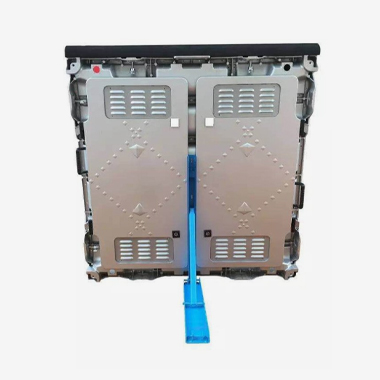
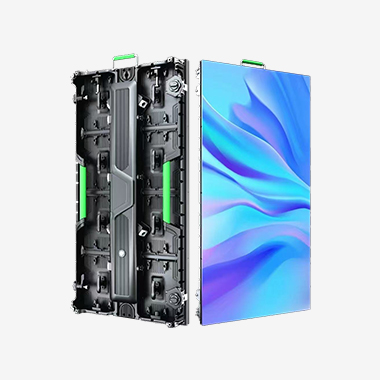
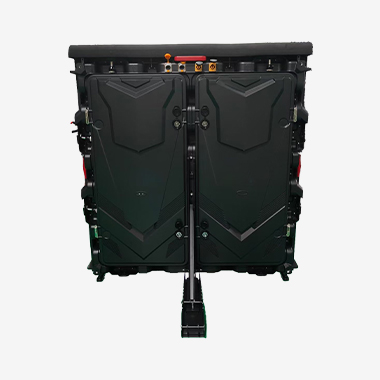
In terms of construction, LED fixed installation display walls are typically built using a modular design. The display modules, which are the building blocks of the wall, are composed of individual LED panels. These panels are carefully assembled and connected to form the larger display wall. The use of modular components allows for easy installation, maintenance, and replacement of individual parts, reducing downtime and ensuring the long - term reliability of the display wall.
The enclosure of the display wall is designed to protect the internal components from environmental factors such as dust, moisture, and physical damage. It is usually made from durable materials such as aluminum or steel, and is equipped with sealing gaskets and ventilation systems to maintain optimal operating conditions. Additionally, the display wall may incorporate features such as anti - glare coatings and temperature - control mechanisms to enhance the viewing experience and prolong the lifespan of the display.
The electrical and data connections within the display wall are also carefully engineered. To ensure stable operation, high - quality cables and connectors are used to transmit power and data between the display modules and the control system. The control system, which includes media servers, control cards, and software, manages the display of content, adjusts the brightness and color, and synchronizes the operation of the entire display wall.
The working principles of an LED fixed installation display wall are based on the fundamental operation of LED technology and digital signal processing. The process begins with the input of digital content, which can be sourced from various devices such as computers, media servers, cameras, or video players. This digital content is first processed and formatted to be compatible with the display wall's control system.
The control system, which is the brain of the display wall, receives the processed data and converts it into electrical signals. These electrical signals are then transmitted to the individual LED modules within the display wall. Each LED in the module is addressed separately, and the control system precisely regulates the current flowing through each LED, determining its brightness and color.
To display an image or video, the control system employs a technique called pulse - width modulation (PWM). PWM rapidly switches the LEDs on and off at a high frequency, adjusting the duration for which each LED is on to control its brightness. By precisely controlling the PWM signals for each LED, the control system can create smooth and seamless visual transitions, resulting in high - quality images and videos with excellent clarity and detail.
In addition to controlling the LEDs, the control system also manages the synchronization of the entire display wall. This is essential for ensuring that all the LED modules update at the same time, preventing any visual artifacts or flickering. The control system can also interface with external devices, such as sensors for ambient light monitoring or touch - screen controllers for interactive applications. This integration allows for real - time updates and dynamic content display, enhancing the functionality and interactivity of the LED fixed installation display wall.
LED fixed installation display walls offer numerous advantages that make them a preferred choice for many applications. One of the most significant advantages is their high - resolution and large - scale visual display capabilities. With a high pixel density and a large surface area, these display walls can present detailed and immersive visual content, making them highly effective for advertising, information display, and entertainment purposes.
Another major advantage is their durability and reliability. Since they are permanently installed, LED fixed installation display walls are designed to withstand continuous operation and environmental factors. The use of high - quality components and robust enclosures ensures a long lifespan, reducing the need for frequent maintenance and replacement. Additionally, the modular design allows for easy repair and upgrade of individual components, minimizing downtime.
In terms of energy efficiency, LED fixed installation display walls are relatively low - power compared to traditional display technologies. LEDs consume less energy while producing bright and vivid visuals, resulting in lower operating costs and a reduced environmental impact. The ability to adjust the brightness of the display wall according to ambient light conditions further enhances energy savings.
However, LED fixed installation display walls also face several challenges. One of the main challenges is the high initial cost. The purchase, installation, and setup of a large - scale LED display wall can be extremely expensive, including the cost of the LED modules, control systems, enclosures, and installation labor. This cost can be a significant barrier for some businesses and organizations, especially those with limited budgets.
Another challenge is the technical complexity involved in installation and operation. Installing an LED fixed installation display wall requires specialized knowledge and skills, including electrical engineering, video processing, and software programming. Any technical issues, such as faulty LED modules, data transmission problems, or software glitches, need to be addressed promptly by trained technicians. This can add to the overall cost and complexity of using these display walls.
The maintenance of LED fixed installation display walls also requires regular attention. Although they are durable, components may still fail over time, and the display wall may need to be cleaned and calibrated periodically to ensure optimal performance. Ensuring a stable power supply and protecting the display wall from environmental damage are also important considerations for long - term operation.
LED fixed installation display walls have a wide range of applications across various industries. In the commercial sector, they are commonly used for advertising in shopping malls, airports, and commercial buildings. Large - scale LED display walls can showcase high - impact visuals and dynamic advertisements, attracting the attention of customers and increasing brand awareness. In corporate offices, they are used for internal communication, wayfinding, and brand promotion, providing a modern and professional look to the workspace.
In the entertainment industry, LED fixed installation display walls are used as stage backdrops in concerts, theaters, and live events. They can create immersive visual experiences, enhancing the performance and engaging the audience. In control rooms of industries such as transportation, energy, and security, these display walls are used to monitor and display real - time data, providing operators with a comprehensive view of the situation.
In public spaces, LED fixed installation display walls are used for information dissemination, such as displaying traffic updates, news, and public service announcements. They can also be used to enhance the aesthetic appeal of the space, for example, by displaying art installations or cultural content.
Looking to the future, several trends are expected to shape the development of LED fixed installation display walls. One trend is the continuous improvement of resolution and visual quality. With the development of micro - LED and mini - LED technologies, higher pixel densities and more vivid colors will be achievable, providing even more immersive visual experiences.
Another trend is the integration of smart technologies. The use of the Internet of Things (IoT), artificial intelligence (AI), and machine learning (ML) will enable more intelligent and automated operation of LED display walls. For example, AI - powered systems could analyze the behavior and preferences of the audience and adjust the displayed content in real - time, optimizing the effectiveness of the communication.
The development of flexible and transparent LED fixed installation display walls is also on the horizon. These new forms will offer more design flexibility, allowing for creative and unique installations that can blend seamlessly with the architectural environment. Additionally, the miniaturization of components will lead to thinner and lighter display walls, reducing the installation space and weight requirements.
Conclusion
LED fixed installation display walls have become an essential part of modern visual communication, offering high - quality, large - scale, and reliable display solutions for a wide range of applications. Despite the challenges of high cost, technical complexity, and maintenance, the continuous advancements in LED technology and the integration of new smart technologies are driving the widespread adoption and evolution of these display walls.
As we move forward, the future of LED fixed installation display walls looks promising. The integration of advanced technologies, the improvement of visual quality, and the expansion of application areas will likely lead to more intelligent, immersive, and aesthetically pleasing display solutions. These display walls will continue to play an increasingly important role in shaping the way we communicate, inform, and entertain, offering endless possibilities for creativity and innovation in the field of visual display.


Copyright © 2026 Shenzhen Cogo Technology Co.,Ltd.
All Rights Reserved

 Previous article