




 Chat Now
Energy-saving exterior LED display signage is a game-changer in outdoor visual communication, blending high visibility with eco-friendly operation to address both cost concerns and global sustainability goals. Unlike traditional outdoor signage—such as neon tubes (which consume 200–300W/m²) or early LED displays (100–300W/m²)—modern energy-saving models use advanced tech to cut power use by 30–70%, typically operating at 50–150W/m².
Its core lies in two innovations: high-efficiency LEDs (like SMD RGB, mini-LED, or micro-LED) and intelligent power management. These displays thrive outdoors, withstanding -40°C to 60°C temperatures, rain, dust, and UV rays (via IP65+ ratings), ensuring 24/7 reliability. They deliver dynamic content—ads, public alerts, real-time data (weather, traffic)—updatable remotely via cloud platforms, unlike static billboards that need physical graphic swaps.
Key traits include adjustable brightness (1,000–10,000 nits) to adapt to sunlight or night, high contrast (10,000:1+), 50,000–100,000-hour lifespans, and IoT integration for energy monitoring. Adoption is driven by regulations (EU Energy Efficiency Directive, U.S. ENERGY STAR), cost savings (a 100m² display saves \(5k–\)10k/year in electricity), and brand sustainability demands. It’s now vital for retailers, cities, and transit hubs aiming to balance visibility with carbon reduction.
Design and construction prioritize three goals: energy efficiency, outdoor durability, and visual quality—with every component engineered for synergy.
For efficiency, high-efficacy SMD LEDs (150–200 lm/W) replace older, less efficient chips. Adaptive brightness control uses light sensors to dim at night (cutting power by 75%), while switch-mode power supplies (SMPS) with 90%+ efficiency and power factor correction (PFC ≥0.95) minimize energy loss.
Key components include:
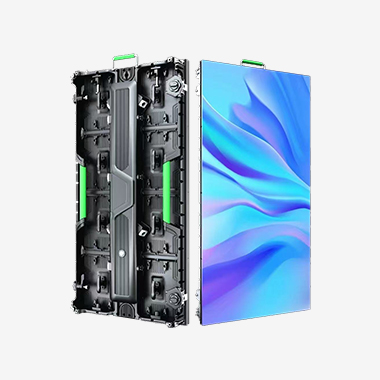
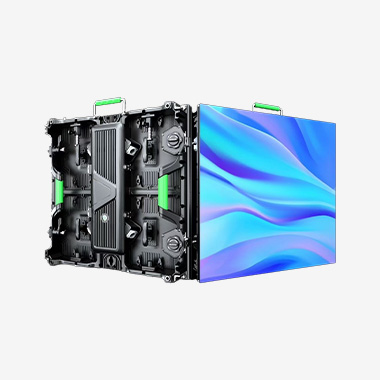
LED Modules: FR4 PCBs (heat-resistant) with UV-coated RGB SMD LEDs, sized 320x160mm–640x320mm for flexible assembly.
Enclosure/Frame: Lightweight aluminum (recyclable, corrosion-resistant) or stainless steel, with IP65-sealed seams, tempered glass/polycarbonate fronts, and drainage holes.
Cooling: Passive systems (aluminum heat sinks, perforated enclosures) avoid energy-hungry fans, keeping LEDs cool to maintain efficiency.
Controls: Low-power (5–10W) DC controllers with cloud integration for remote energy tracking and AI-driven content optimization (e.g., reducing pixel density at night).
Manufacturing follows strict standards (ENERGY STAR, IP65/IP67) and uses recycled materials, with take-back programs to reduce e-waste.
Four interconnected systems drive its efficiency and performance:
LED Illumination: RGB SMD LEDs use electroluminescence—semiconductor dies (red: 620–660nm, green: 520–560nm, blue: 440–480nm) emit light when current passes through. High luminous efficacy (150–200 lm/W) means less power for brightness. Passive cooling (heat sinks) prevents heat-related dimming, preserving efficiency.
Power Delivery: AC grid power is converted to DC via 90%+ efficient SMPS with PFC (syncs current to grid, avoiding waste). Low-resistance copper cables (minimizing I²R loss) distribute 5V/12V DC to modules. Large displays use zoned PSUs to prevent voltage drops.
Brightness/Energy Management: Light sensors adjust brightness in real time (e.g., 8,000 nits sunny, 1,000 nits night). Dynamic contrast dims individual dark pixels, saving energy without quality loss. Standby mode uses <0.5W, per ENERGY STAR.
Content Control: Low-power DC controllers run cloud-based software for remote content updates. AI optimizes resolution/color depth (e.g., lower density at night) to cut power, while IoT tools monitor usage and trigger maintenance alerts.
Advantages:
Cost Savings: 30–70% lower energy bills vs. traditional signage; 50k–100k-hour lifespans reduce replacement costs. A 50m² display saves ~\(2,500–\)5,000/year.
Sustainability: Low carbon footprints align with global climate goals; recycled materials and e-waste programs reduce environmental impact.
Performance: High brightness (visible in sunlight), dynamic content, and 24/7 reliability (IP65+ ratings) outperform static billboards.
Smart Integration: IoT monitoring enables proactive maintenance; remote updates save time vs. physical graphic swaps.
Challenges:
Upfront Cost: 20–30% higher than non-energy-saving LEDs, though payback is 2–3 years.
Durability Limits: Extreme weather (salt spray, -40°C) can degrade components; repairs need specialized tech.
Installation Complexity: Requires skilled teams for alignment and PSU zoning; integration with existing systems may need extra hardware.
Viewing Angles: Budget models have <120° angles (distortion for side viewers); wide-angle LEDs add cost.
Applications:
Retail/Advertising: Storefront signs (promote sales) and billboards (dynamic ads) replace static displays. Malls use them for wayfinding.
Public Sector: Cities deploy them for public alerts (weather, emergencies) and transit hubs (train/bus schedules). Airports use them for flight updates.
Events/Entertainment: Stadiums display scores; festivals use them for lineups—portable models suit temporary events.
Architecture: Building facades (branding, art) use transparent variants to maintain aesthetics.
Future Trends:
Higher Efficiency: Micro-LEDs (250+ lm/W) and self-healing substrates will extend lifespans.
Interactivity: Motion/sound sensors will let displays respond to audiences (e.g., change ads when someone walks by).
Sustainability: Solar-powered models and 100% recyclable enclosures will reduce grid reliance.
AI Integration: AI will automate content optimization (e.g., match ads to weather) and predict maintenance needs.
Transparency: Transparent LEDs will blend with building exteriors, expanding design options.
Conclusion
Energy-saving exterior LED display signage redefines outdoor communication by merging performance, cost-effectiveness, and sustainability. Its high-efficiency LEDs, smart power management, and durable design address traditional signage’s flaws—excessive energy use, short lifespans, and inflexible content.
While upfront costs and installation complexity exist, long-term savings (2–3 year payback) and regulatory support make it a wise investment. As micro-LEDs, AI, and solar tech advance, it will become more accessible and efficient, aligning with global sustainability goals.
For businesses, cities, and organizations, it’s not just a display—it’s a tool to reduce carbon footprints, engage audiences, and cut costs. As urbanization and eco-awareness grow, it will lead the shift to greener outdoor media, proving that visibility and sustainability can coexist.


Copyright © 2026 Shenzhen Cogo Technology Co.,Ltd.
All Rights Reserved

 Previous article