




 Chat Now
In the realm of visual display technology, high brightness fixed installation LED display walls have emerged as a dominant force, revolutionizing the way information is presented and experiences are crafted in diverse settings. These display walls are specifically engineered to deliver intense and vivid illumination, making them ideal for environments where visibility is paramount, such as outdoor public spaces, large - scale indoor arenas, and commercial establishments with high - ambient light conditions. Unlike standard fixed installation LED display walls, high brightness variants are designed to overcome the challenges posed by bright sunlight, strong indoor lighting, or large viewing distances, ensuring that the displayed content remains sharp, clear, and attention - grabbing.
At the core of high brightness fixed installation LED display walls lies the utilization of advanced LED technology. High - power LEDs, with enhanced luminous efficacy, are employed to produce a significantly higher amount of light output compared to regular LEDs. By integrating red, green, and blue (RGB) high - power LEDs, these display walls can generate a vast spectrum of vibrant colors with exceptional brightness, enabling the creation of stunning visual effects. Whether it's for showcasing advertisements, broadcasting live events, or presenting critical information, the high brightness feature ensures that the content can be easily seen and appreciated by a large audience, regardless of the surrounding lighting conditions.
The growing popularity of high brightness fixed installation LED display walls can be attributed to several factors. Firstly, the increasing demand for impactful and effective visual communication in both commercial and public sectors has fueled the adoption of these display walls. In a highly competitive market, businesses are constantly seeking ways to stand out and capture the attention of consumers. High brightness LED display walls offer a powerful solution by providing a large - scale, high - visibility platform for advertising and brand promotion. In public spaces, such as transportation hubs, city squares, and sports stadiums, these display walls are essential for disseminating real - time information, announcements, and entertainment content to a wide audience.
Secondly, advancements in LED manufacturing processes and materials have made high brightness fixed installation LED display walls more accessible, reliable, and energy - efficient. Through continuous research and development, manufacturers have been able to improve the performance of high - power LEDs, reduce production costs, and extend their lifespan. Additionally, the development of advanced control systems and heat - dissipation technologies has enhanced the overall functionality and stability of these display walls, making them a more practical and cost - effective choice for long - term installations.
Moreover, the versatility of high brightness fixed installation LED display walls allows them to be customized to meet the specific requirements of different projects. From size and shape to resolution and functionality, these display walls can be tailored to fit various architectural and design needs, providing a flexible and scalable solution for visual display applications.
The design and construction of high brightness fixed installation LED display walls are intricate processes that demand a meticulous approach, combining technical expertise with creative design. The design phase commences with a comprehensive assessment of the installation site, including factors such as the intended use, ambient light conditions, viewing distance, and available space.
One of the primary design considerations is the brightness level. For high brightness display walls, the luminous intensity is carefully calculated to ensure that the content remains visible and legible under different lighting conditions. In outdoor applications, where direct sunlight can be extremely intense, display walls with a brightness output of several thousand nits are often required. The brightness level also needs to be balanced to avoid causing discomfort or glare to the viewers, especially in indoor settings with close - range viewing.
The pixel pitch is another crucial design element. A smaller pixel pitch results in a higher resolution and a sharper image, which is essential for applications where the display will be viewed from a close distance, such as in retail stores or corporate lobbies. However, a smaller pixel pitch also increases the complexity and cost of the display wall. Therefore, a balance must be struck between the desired visual quality, the viewing distance, and the available budget. In large - scale outdoor installations, a slightly larger pixel pitch may be acceptable as long as the overall brightness and visibility are maintained.
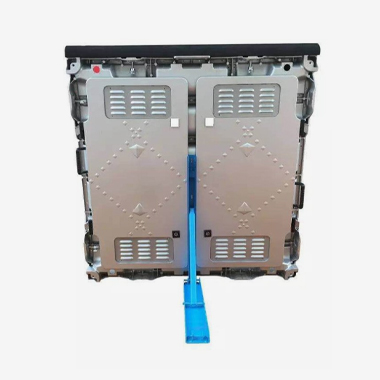
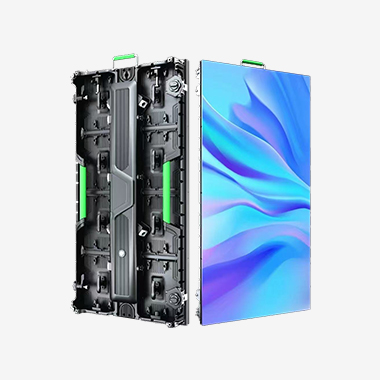
In terms of construction, high brightness fixed installation LED display walls typically adopt a modular design. The display modules, which are the building blocks of the wall, are composed of high - power LED panels. These panels are carefully assembled and connected to form the larger display wall. The modular design allows for easy installation, maintenance, and replacement of individual components, reducing downtime and ensuring the long - term reliability of the display wall.
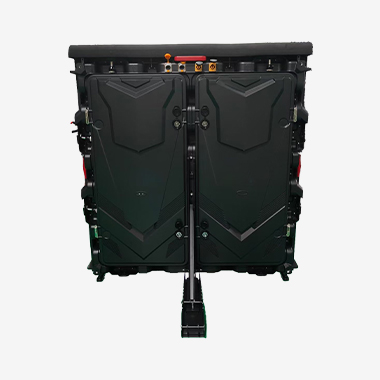
The enclosure of the display wall is designed to withstand harsh environmental conditions. For outdoor installations, the enclosures are usually made from durable materials such as aluminum alloy or stainless steel, which offer excellent protection against water, dust, impact, and corrosion. Special sealing techniques are employed to ensure that the internal components, including the LED modules, control systems, and power supplies, are well - protected. Efficient heat - dissipation systems, such as heat sinks, fans, or liquid - cooling mechanisms, are integrated into the design to manage the heat generated by the high - power LEDs, preventing overheating and ensuring optimal performance.
The electrical and data connections within the display wall are also carefully engineered. High - quality cables and connectors are used to transmit power and data between the display modules and the control system. The control system, which includes media servers, control cards, and software, manages the display of content, adjusts the brightness and color, and synchronizes the operation of the entire display wall. Additionally, the display wall may incorporate features such as anti - glare coatings, ambient light sensors, and automatic brightness adjustment functions to enhance the viewing experience and adapt to changing lighting conditions.
The working principles of high brightness fixed installation LED display walls are based on the fundamental operation of LED technology, coupled with sophisticated digital signal processing and control systems. The process begins with the input of digital content, which can be sourced from various devices such as computers, media servers, cameras, or video players. This digital content is first processed and formatted using specialized software to ensure compatibility with the display wall's control system.
The control system, often considered the brain of the display wall, receives the processed data and converts it into electrical signals. These electrical signals are then transmitted to the individual LED modules within the display wall. Each LED in the module is addressed separately, and the control system precisely regulates the current flowing through each LED, determining its brightness and color.
To achieve high brightness, high - power LEDs are used, and their operation is carefully managed. Pulse - width modulation (PWM) is a commonly employed technique in LED control. PWM rapidly switches the LEDs on and off at a high frequency, adjusting the duration for which each LED is on to control its brightness. By precisely controlling the PWM signals for each LED, the control system can create smooth and seamless visual transitions, while maintaining the high - brightness output required for the display wall.
In addition to controlling the LEDs, the control system also manages the synchronization of the entire display wall. This is crucial for ensuring that all the LED modules update simultaneously, preventing any visual artifacts or flickering. The control system can interface with external devices, such as ambient light sensors, which can detect the surrounding light levels and automatically adjust the brightness of the display wall. This feature helps to optimize energy consumption and ensure that the display remains visible and legible under different lighting conditions.
Furthermore, the control system enables the display wall to support various input sources and content formats. It can handle high - definition video, images, and text, and can also be programmed to display dynamic and interactive content. Advanced control systems may also incorporate features such as remote monitoring and management, allowing operators to update the content, adjust the settings, and troubleshoot issues from a remote location.
High brightness fixed installation LED display walls offer a plethora of advantages that make them a highly sought - after choice for a wide range of applications. One of the most significant advantages is their exceptional visibility. The high - brightness output ensures that the displayed content can be clearly seen even in bright sunlight or high - ambient light environments. This makes them ideal for outdoor advertising, where they can effectively capture the attention of passersby and convey messages with clarity. In indoor settings, such as large arenas or convention centers, the high brightness allows the content to be visible from a distance, ensuring that all audience members can enjoy the visual experience.
Another major advantage is their versatility. High brightness LED display walls can be customized to fit various shapes, sizes, and resolutions, making them suitable for a diverse range of applications. They can be used for advertising, information dissemination, entertainment, and even artistic installations. The ability to display dynamic and high - quality content, including videos, animations, and real - time data, adds to their versatility and makes them a powerful tool for communication and engagement.
In terms of energy efficiency, despite their high - brightness output, modern high brightness fixed installation LED display walls are designed to be relatively energy - efficient. High - power LEDs consume less energy compared to traditional high - intensity lighting sources, such as incandescent or halogen lamps. Additionally, features such as automatic brightness adjustment based on ambient light conditions further enhance energy savings, reducing the overall operating costs of the display wall.
However, high brightness fixed installation LED display walls also face several challenges. One of the main challenges is the high initial cost. The use of high - power LEDs, advanced control systems, and robust enclosures with efficient heat - dissipation mechanisms significantly increases the production cost of these display walls. The purchase, installation, and setup of a large - scale high brightness LED display wall can be a substantial investment, which may pose a barrier for some businesses and organizations, especially those with limited budgets.
Another challenge is the technical complexity involved in installation and operation. Installing a high brightness LED display wall requires specialized knowledge and skills, including electrical engineering, video processing, and software programming. Any technical issues, such as faulty LED modules, data transmission problems, or software glitches, need to be addressed promptly by trained technicians. This can add to the overall cost and complexity of using these display walls.
Maintenance is also a significant concern. The high - power LEDs and other components in high brightness display walls generate a significant amount of heat during operation. Over time, this heat can cause wear and tear on the components, potentially reducing their lifespan. Regular maintenance, including cleaning, component replacement, and system calibration, is required to ensure the optimal performance and longevity of the display wall. Ensuring a stable power supply and protecting the display wall from environmental damage, such as strong winds, heavy rain, or vandalism in outdoor settings, also adds to the maintenance challenges.
High brightness fixed installation LED display walls have a wide range of applications across various industries. In the advertising industry, they are extensively used for outdoor billboards, building - wrapped displays, and storefront signage. These large - scale, high - visibility displays can showcase high - impact advertisements, attracting the attention of a large audience and increasing brand awareness. In shopping malls and commercial centers, high brightness LED display walls are used to promote products, display promotional offers, and create an engaging shopping environment.
In the entertainment industry, high brightness LED display walls play a crucial role in concerts, sports events, and live shows. They are used as stage backdrops, creating immersive visual experiences that enhance the performance and engage the audience. In sports stadiums, these display walls are used to display real - time scores, player statistics, replays, and advertisements, adding to the excitement and atmosphere of the event.
In the transportation sector, high brightness LED display walls are used in airports, train stations, and bus terminals for wayfinding, information dissemination, and advertising. They can display flight schedules, train timings, platform information, and other important announcements, helping passengers navigate the transportation hubs and stay informed.
Looking to the future, several trends are expected to shape the development of high brightness fixed installation LED display walls. One trend is the continuous improvement of LED technology. Researchers are constantly working on developing new materials and manufacturing processes to increase the luminous efficacy of high - power LEDs, reduce power consumption, and extend their lifespan. This will make high brightness LED display walls even more energy - efficient and cost - effective in the long run.
Another trend is the integration of smart technologies. The use of the Internet of Things (IoT), artificial intelligence (AI), and machine learning (ML) will enable more intelligent and automated operation of high brightness LED display walls. For example, AI - powered systems could analyze audience behavior and preferences in real - time and adjust the displayed content accordingly, optimizing the effectiveness of advertising and communication. IoT sensors could be used to monitor the performance and health of the display wall, enabling predictive maintenance and reducing downtime.
The development of more advanced heat - dissipation technologies is also on the horizon. As the demand for higher brightness and smaller - sized LED display walls increases, more efficient heat - dissipation solutions will be required to ensure the reliable operation of the components. New materials and cooling methods, such as phase - change materials and micro - cooling technologies, are being explored to address this challenge.
Conclusion
High brightness fixed installation LED display walls have become an indispensable part of modern visual communication, offering unparalleled visibility, versatility, and energy efficiency in a variety of applications. Despite the challenges of high initial cost, technical complexity, and maintenance, the continuous advancements in LED technology and the integration of new smart technologies are driving the widespread adoption and evolution of these display walls.
As we move forward, the future of high brightness fixed installation LED display walls looks promising. The integration of advanced technologies, the improvement of LED performance, and the exploration of new applications will likely lead to more intelligent, efficient, and visually stunning display solutions. These display walls will continue to play a crucial role in shaping the way we communicate, advertise, and entertain, offering endless possibilities for creativity and innovation in the field of visual display technology.


Copyright © 2026 Shenzhen Cogo Technology Co.,Ltd.
All Rights Reserved

 Previous article