




 Chat Now
In the dynamic and creative world of stage performances, the LED display stage lighting screen has emerged as a revolutionary innovation, redefining the boundaries of stage design and audience experience. Combining the power of visual display and lighting effects, these screens have become an integral part of modern stage productions, from large - scale musicals and concerts to theater plays and dance performances. The integration of LED technology with stage lighting has opened up new possibilities for stage designers and directors, enabling them to create more immersive, dynamic, and visually stunning stage environments.
The evolution of LED display stage lighting screens can be traced back to the continuous advancements in LED technology. LEDs, or light - emitting diodes, have become increasingly popular in various fields due to their energy - efficiency, long lifespan, and high - quality light output. In the context of stage lighting, LEDs offer the ability to produce a wide range of colors, intensities, and lighting effects, which can be precisely controlled and programmed. When combined with display screens, they create a seamless blend of visual content and lighting, enhancing the overall storytelling and emotional impact of the performance.
The demand for LED display stage lighting screens has been steadily increasing in recent years, driven by several factors. Firstly, audiences today have higher expectations for visual experiences, and stage productions need to continuously innovate to meet these demands. LED display stage lighting screens provide a powerful tool for stage designers to create unique and captivating visual worlds that can transport the audience into the heart of the performance. Secondly, the versatility of these screens allows for greater creative freedom. They can be used to display a variety of content, such as backgrounds, projections, and real - time visual effects, and can be integrated with other stage elements, such as props, sets, and live performers, to create a more cohesive and engaging stage show.
Moreover, the cost - effectiveness and ease of use of LED display stage lighting screens have also contributed to their widespread adoption. Compared to traditional stage lighting and display technologies, LED - based solutions are more energy - efficient, require less maintenance, and offer more flexibility in terms of setup and operation. This makes them an attractive option for both large - scale professional productions and smaller community - based performances. According to market research, the global market for LED display stage lighting screens is expected to continue its growth in the coming years, as more and more stage productions embrace this innovative technology.
The design and construction of LED display stage lighting screens are complex processes that require a deep understanding of both stage design principles and LED technology. The design phase begins with a comprehensive assessment of the performance requirements, including the type of performance, the size of the stage, the audience capacity, and the creative vision of the director and stage designer. This information is crucial for determining the optimal size, shape, resolution, and configuration of the LED display stage lighting screen.
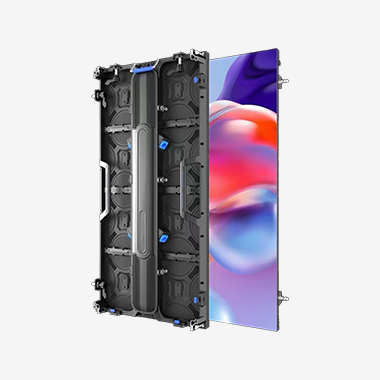
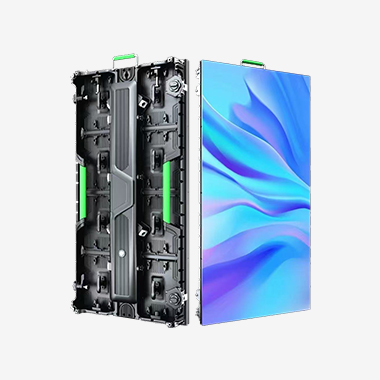
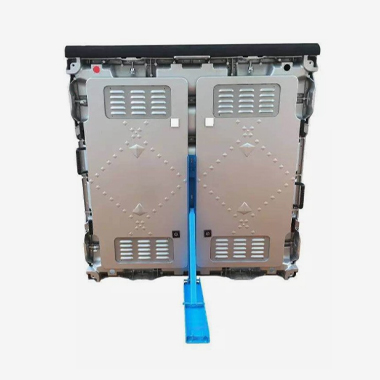
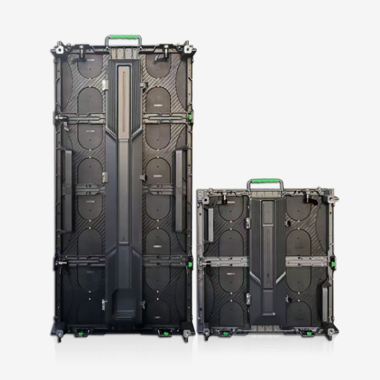
The structural framework of the LED display stage lighting screen is typically designed to be sturdy yet flexible. It needs to be able to support the weight of the LED modules and withstand the rigors of frequent setup and transportation. The frame is often constructed from lightweight yet durable materials such as aluminum alloy or steel, which provide the necessary strength while minimizing the overall weight of the screen. For larger screens, additional support structures, such as trusses or scaffolding, may be used to ensure stability during the performance.
The LED modules are the core components of the display stage lighting screen. High - quality LED modules are selected for their brightness, color accuracy, and reliability. Each module contains an array of red, green, and blue (RGB) LEDs, which work together to produce a wide spectrum of colors through additive color mixing. In addition to the RGB LEDs, some advanced LED modules may also include white LEDs or other color - specific LEDs to enhance the color range and lighting effects. The pixel pitch, which is the distance between adjacent pixels on the screen, is a critical design parameter. A smaller pixel pitch results in a higher - resolution display, which is ideal for close - up viewing and detailed visual content. However, for larger stages or when the viewing distance is greater, a larger pixel pitch may be sufficient.
The lighting design of the LED display stage lighting screen is another important aspect. Specialized lighting control systems are integrated into the screen to enable precise control of the LED lighting effects. These systems can adjust the brightness, color, and intensity of the LEDs in real - time, allowing for the creation of a wide range of lighting moods and atmospheres. For example, the screen can be used to create soft, ambient lighting for a romantic scene, or bright, flashing lights for an energetic dance number. The lighting control system can also be synchronized with the music, sound effects, and other stage elements to create a more immersive and coordinated performance.
In addition to the physical structure and lighting design, the LED display stage lighting screen also requires a sophisticated electrical and control system. The electrical system includes power supplies, cables, and connectors, which are designed to provide a stable and reliable source of power to the LED modules and lighting control system. The control system, on the other hand, is responsible for managing the display of content and the operation of the lighting effects. It typically includes media players, content management software, and lighting control consoles, which allow the stage crew to easily upload, edit, and control the content displayed on the screen and the lighting effects in real - time.
The construction process of the LED display stage lighting screen involves precise manufacturing techniques to ensure the quality and consistency of the final product. LED modules are carefully assembled and tested to ensure proper functionality before being integrated into the screen frame. The electrical and control systems are also rigorously tested to ensure reliable operation. Once constructed, the screen undergoes a series of quality control checks to verify its visual performance, lighting effects, and overall functionality. These quality assurance measures are essential to ensure that the LED display stage lighting screen meets the high standards expected in the stage production industry.
The working principles of LED display stage lighting screens are based on the fundamental properties of LEDs and the principles of digital signal processing for both display and lighting control. At the core of the display function, when an electric current is applied to an RGB LED, the red, green, and blue semiconductor regions within the LED emit light at specific wavelengths corresponding to the primary colors of light. By varying the intensity of each of these primary colors, a vast range of colors can be created through additive color mixing, enabling the reproduction of complex images, videos, and graphics on the screen.
The digital content, such as pre - recorded videos, live camera feeds, or computer - generated graphics, is first processed by a control system. This control system receives the digital video signal from a source, such as a computer, media server, or video switcher. It then decodes the signal and breaks it down into individual frames. Each frame is further divided into pixels, and for each pixel on the screen, the control system calculates the appropriate intensity values for the red, green, and blue LEDs based on the color information in the frame. The control system then sends electrical signals to the LED modules, instructing them to adjust the brightness of the red, green, and blue LEDs accordingly. These signals are transmitted at a high frequency, allowing the LEDs to rapidly switch on and off or change their intensity levels, creating the visual image on the screen.
For the lighting function, the working principle is centered around the control of the LED lighting elements. The lighting control system, which can be a dedicated lighting console or software - based control system, sends control signals to the LED modules. These signals can control various aspects of the LED lighting, such as brightness, color, color temperature, and lighting patterns. For example, the lighting operator can use the control console to dim the lights for a dramatic effect, change the color of the lights to match the mood of the scene, or create dynamic lighting patterns, such as chasing lights or strobe effects.
The synchronization between the display and lighting functions is a key aspect of the working principles of LED display stage lighting screens. Specialized synchronization technologies are used to ensure that the visual content displayed on the screen and the lighting effects are perfectly coordinated. This can be achieved through time - code synchronization, where a common time - code signal is used to trigger both the display and lighting systems, ensuring that they operate in unison. For example, during a musical performance, the lighting effects can be synchronized with the beats of the music, while the visual content on the screen can be changed to match the lyrics or mood of the song, creating a more immersive and engaging performance for the audience.
In addition, many modern LED display stage lighting screens also support advanced features, such as real - time content updates, interactive lighting control, and integration with other stage technologies. Real - time content updates allow for the incorporation of live events, such as audience reactions or real - time data, into the performance. Interactive lighting control enables the audience or performers to interact with the lighting effects, adding an extra layer of engagement to the performance. Integration with other stage technologies, such as projection mapping, sound systems, and robotic stage elements, further expands the creative possibilities of the stage production.
The use of LED display stage lighting screens in stage productions offers numerous advantages that have significantly enhanced the quality and impact of performances. One of the most significant benefits is the ability to create highly immersive and visually stunning stage environments. With their high - resolution displays, vibrant colors, and dynamic lighting effects, LED display stage lighting screens can transport the audience into a different world, enhancing the storytelling and emotional connection of the performance. The ability to display a wide range of visual content, from realistic backgrounds to abstract visual effects, allows stage designers to create unique and memorable stage settings that can complement and enhance the narrative of the performance.
Another major advantage is the flexibility and versatility of LED display stage lighting screens. They can be customized to fit the specific needs and creative vision of each stage production. Stage designers can choose the size, shape, and configuration of the screen, as well as the type and intensity of the lighting effects. The ability to easily update and change the content displayed on the screen and the lighting effects in real - time gives directors and stage crews the flexibility to adapt to changing performance requirements, experiment with different creative ideas, and make last - minute adjustments. This flexibility also allows for greater collaboration between different creative teams, such as directors, stage designers, lighting designers, and video designers, as they can work together to create a more cohesive and integrated stage production.
Energy efficiency is also a notable advantage of LED display stage lighting screens. Compared to traditional stage lighting technologies, such as incandescent and halogen lights, LED - based lighting systems consume significantly less energy. This not only reduces the operating costs of the stage production but also makes the production more environmentally friendly. Additionally, LED lights have a longer lifespan, requiring less frequent replacement and maintenance, which further reduces the overall cost of ownership.
However, the use of LED display stage lighting screens also comes with its own set of challenges. One of the main challenges is the high initial cost. The purchase, installation, and setup of a high - quality LED display stage lighting screen can be a significant investment, especially for smaller theaters or community - based productions. The cost includes not only the screen itself but also the associated equipment, such as media servers, lighting control consoles, and power supplies. This high cost can be a barrier for some organizations, limiting their ability to adopt this technology.
Another challenge is the technical complexity of LED display stage lighting screens. These systems require specialized knowledge and skills for installation, operation, and maintenance. Stage crews need to be trained in using the media players, content management software, and lighting control consoles, as well as troubleshooting any technical issues that may arise. Inadequate technical support can lead to downtime and disruptions during the performance, which can have a negative impact on the overall quality of the production.
Compatibility issues can also pose a challenge. LED display stage lighting screens need to be compatible with other stage technologies, such as sound systems, projection systems, and stage machinery. Ensuring that all these systems work together seamlessly can be a complex task, requiring careful planning and coordination. Additionally, the rapid pace of technological change in the LED display and lighting industry means that stage productions need to continuously update and upgrade their equipment to keep up with the latest advancements, which can add to the overall cost and complexity of the production.
The applications of LED display stage lighting screens in stage productions are diverse and have had a profound impact on various forms of performing arts. In musicals and concerts, these screens are used to create elaborate stage backdrops, display live video feeds of the performers, and synchronize lighting effects with the music. They can transform the stage into different settings, such as a magical forest, a futuristic city, or a historical landscape, enhancing the overall visual experience of the audience. The dynamic lighting effects can also be used to highlight the performers, create mood changes, and add energy to the performance.
In theater plays, LED display stage lighting screens are used to enhance the storytelling and create a more immersive environment. They can be used to display backgrounds, projections, and visual effects that help to set the scene, convey emotions, and advance the plot. For example, a screen can be used to display a changing sky to indicate the passage of time, or to project images that represent the inner thoughts and emotions of the characters. The lighting effects can also be used to create different atmospheres, such as a dimly lit room for a suspenseful scene or a brightly lit stage for a joyful celebration.
In dance performances, LED display stage lighting screens are used to create a dynamic and visually stimulating environment. The screens can display abstract patterns, colors, and movements that complement and enhance the choreography of the dance. The lighting effects can be used to create different shapes, shadows, and textures on the stage, adding depth and dimension to the performance. Additionally, the ability to synchronize the lighting effects with the music and the movements of the dancers creates a more cohesive and engaging performance.
Looking to the future, the LED display stage lighting screen industry is expected to witness several exciting trends. One of the major trends is the development of higher - resolution displays. As the demand for more detailed and immersive visual experiences grows, we can expect to see the widespread adoption of 8K and even higher - resolution LED display stage lighting screens. These high - resolution screens will enable stage designers to create more realistic and detailed visual worlds, enhancing the overall quality of the performance.
The integration of advanced technologies, such as virtual reality (VR), augmented reality (AR), and mixed reality (MR), is also set to transform the stage production industry. LED display stage lighting screens could be used in conjunction with these technologies to create more interactive and immersive stage experiences, allowing the audience to engage with the performance in new and innovative ways. For example, AR - enabled LED screens could be used to display virtual elements that interact with the live performers on stage, blurring the line between the real and the virtual.
The use of artificial intelligence (AI) and machine learning (ML) technologies is also expected to play an increasingly important role in the LED display stage lighting screen industry. AI - powered algorithms can be used to analyze the performance, audience reactions, and other data to optimize the lighting effects and visual content in real - time. ML can also be used to predict and prevent potential technical issues, ensuring the smooth operation of the stage production.
Another trend is the growing focus on sustainability in the LED display stage lighting screen industry. As environmental concerns become more prominent, there will be a greater emphasis on developing energy - efficient and eco - friendly LED display stage lighting solutions. This includes using LED screens with low power consumption, recycling and reusing old equipment, and reducing the carbon footprint associated with the production, transportation, and operation of the screens.
Conclusion
In conclusion, LED display stage lighting screens have become an essential and transformative element in modern stage productions. Their ability to combine visual display and lighting effects has opened up new creative possibilities, enhancing the quality, impact, and audience experience of performances across various forms of performing arts.
Despite the challenges of high initial cost, technical complexity, and compatibility issues, the numerous advantages of LED display stage lighting screens make them a highly valuable investment for stage productions. As technology continues to evolve, we can expect to see significant advancements in this field, with the development of higher - resolution displays, the integration of advanced technologies such as VR, AR, and AI, and the growing focus on sustainability.
By embracing these trends and leveraging the latest technologies, stage designers, directors, and producers can continue to push the boundaries of creativity and innovation, creating more immersive, engaging, and memorable stage experiences for audiences around the world. Whether it's a large - scale musical, a small - scale theater play, or a contemporary dance performance, LED display stage lighting screens will undoubtedly continue to play a crucial role in shaping the future of the stage production industry.


Copyright © 2026 Shenzhen Cogo Technology Co.,Ltd.
All Rights Reserved

 Previous article