




 Chat Now
In the dynamic landscape of modern events, LED display event screens have emerged as an indispensable element, revolutionizing the way events are presented and experienced. From large - scale music festivals and international sporting events to corporate conferences and product launches, these displays have become a cornerstone of event production, enhancing the visual appeal, engagement, and overall atmosphere of any event.
The rise of LED display event screens can be attributed to significant advancements in LED technology over the past few decades. LEDs, or light - emitting diodes, are semiconductor devices that emit light when an electric current passes through them. In the context of event screens, the use of RGB (red, green, blue) LEDs allows for the creation of a vast spectrum of colors, enabling the display of high - definition images, videos, and dynamic graphics with exceptional clarity and vividness. This technological progress has made LED event screens more reliable, energy - efficient, and cost - effective, leading to their widespread adoption across various event types.
The demand for LED display event screens has been steadily increasing due to several factors. Firstly, event organizers are constantly seeking ways to create more immersive and memorable experiences for attendees. LED screens offer the ability to display large - scale visuals, live event feeds, and engaging content, which can significantly enhance the overall event experience. Secondly, with the growth of social media and live streaming, the visual quality of events has become more important than ever. High - quality LED event screens ensure that the event can be captured and shared effectively, reaching a wider audience beyond the physical venue.
Moreover, the versatility of LED display event screens makes them suitable for a wide range of applications. They can be used as stage backdrops, providing a dynamic and visually stunning backdrop for performers. In sports events, they are used to display live game action, replays, scores, and advertisements. In corporate events, they can be used for presentations, product demonstrations, and brand promotions. The ability to customize the content and size of the screens also allows event organizers to tailor the displays to the specific needs and themes of each event.
According to market research, the global LED display market for events is expected to continue its growth in the coming years. The increasing number of events, the growing popularity of outdoor events, and the continuous innovation in LED technology are all contributing to this growth. Additionally, the adoption of LED event screens in emerging economies is also expected to drive market expansion.
The design and construction of LED display event screens are complex processes that require a combination of technical expertise, creative vision, and a deep understanding of event production requirements. The initial design phase begins with a thorough assessment of the event's objectives, audience size, venue layout, and budget. This information is crucial for determining the optimal size, resolution, and configuration of the LED screen.
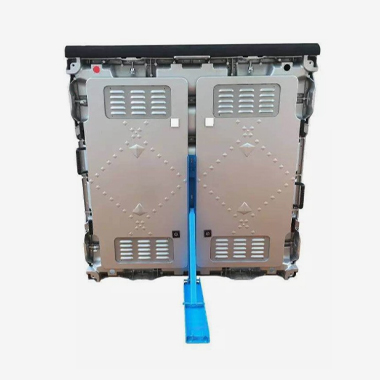
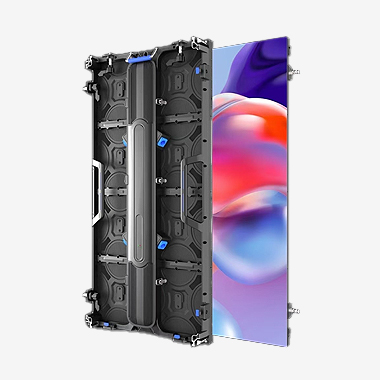
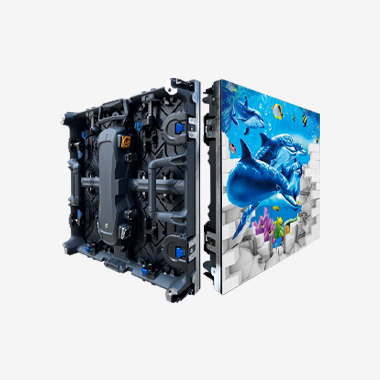
The structure of an LED display event screen typically consists of a frame, support system, and LED modules. The frame, often made of aluminum or steel, provides the necessary structural integrity to support the weight of the LED modules and withstand environmental factors such as wind, rain, and temperature fluctuations. For outdoor events, additional reinforcement may be required to ensure the stability of the screen in adverse weather conditions.
The support system of the LED screen depends on the size and location of the installation. For small - scale indoor events, the screen may be mounted on a wall or a portable stand. For larger outdoor events, a more robust support system, such as steel trusses or scaffolding, may be used. In some cases, the screen may be installed on a mobile trailer, allowing for easy transportation and setup at different event locations.
The LED modules are the core components of the display, each containing an array of RGB LEDs. The choice of LED modules is a critical factor in determining the visual quality of the screen. High - quality LED modules offer better brightness, color accuracy, and viewing angles, ensuring that the display can be seen clearly from different positions in the audience. The pixel pitch, which is the distance between adjacent pixels on the screen, is also an important consideration. A smaller pixel pitch results in a higher - resolution display, which is ideal for close - up viewing, while a larger pixel pitch may be sufficient for larger venues where the viewing distance is greater.
In addition to the physical components, LED display event screens also require a sophisticated electrical and control system. The electrical system includes power supplies, cables, and connectors, which are designed to provide a stable and reliable source of power to the LED modules. The control system, on the other hand, is responsible for managing the display of content. It includes media players, content management software, and signal processors, which allow event organizers to upload, edit, and control the content displayed on the screen in real - time.
The installation process of an LED display event screen involves several steps. First, the support system is assembled and installed at the event venue. Then, the LED modules are carefully mounted on the frame, ensuring that they are properly aligned and connected. After that, the electrical and control systems are installed and tested to ensure that the screen is functioning properly. Finally, the content is uploaded and configured on the screen, and a final test is conducted to ensure that the display meets the event's requirements.
The working principles of LED display event screens are based on the fundamental properties of LEDs and the science of color mixing. When an electric current is applied to an RGB LED, the red, green, and blue semiconductor regions within the LED emit light at specific wavelengths corresponding to the primary colors of light. By varying the intensity of each of these primary colors, a vast range of colors can be created through a process known as additive color mixing.
To display an image or video on the LED screen, the digital content is first processed by a control system. The control system receives the video signal from a source, such as a computer, media server, or live camera feed. It then breaks down the video signal into individual frames and further into pixels. For each pixel on the screen, the control system calculates the appropriate intensity for the red, green, and blue LEDs based on the color information in the frame.
The control system then sends electrical signals to the LED modules, instructing them to adjust the brightness of the red, green, and blue LEDs accordingly. These signals are transmitted at a high frequency, allowing the LEDs to rapidly change their state and create the desired image or video on the screen. The refresh rate of the LED display, which is the number of times the screen updates its image per second, is an important parameter that affects the smoothness of the displayed content. A higher refresh rate ensures that fast - moving images, such as those from live performances or sports events, appear smooth and without any noticeable flickering or ghosting.
In addition to basic image and video display, modern LED display event screens also support a range of advanced features. Many screens are equipped with real - time content update capabilities, allowing event organizers to integrate live event feeds, social media posts, and other real - time data into the display. Some screens also support interactivity, enabling attendees to engage with the content through mobile devices or touch - based interfaces. Additionally, LED event screens can be synchronized with other event elements, such as lighting and sound systems, to create a more immersive and coordinated event experience.
LED display event screens offer a multitude of advantages that have made them a popular choice for event organizers. One of the most significant advantages is their high - impact visual appeal. With their large size, high - resolution displays, and vibrant colors, LED screens can effectively capture the attention of the audience and create a visually stunning atmosphere at the event. They can display high - quality images, videos, and graphics, enhancing the overall production value of the event.
Another major advantage is the flexibility and versatility of LED display event screens. They can be customized to fit the specific needs and themes of each event. Event organizers can easily change the content displayed on the screen, allowing for real - time updates and adjustments. The screens can also be configured in different shapes and sizes, making them suitable for a wide range of event venues and layouts. Additionally, LED event screens can be used in combination with other event elements, such as lighting, projections, and stage designs, to create a more dynamic and engaging event experience.
Energy efficiency is also a notable advantage of LED display event screens. Compared to traditional display technologies, such as CRT or LCD screens, LED displays consume significantly less power. This not only reduces the operating costs of the event but also makes them more environmentally friendly. Moreover, LED displays have a longer lifespan, requiring less frequent maintenance and replacement, which further contributes to cost savings over the long term.
However, LED display event screens also face several challenges. One of the main challenges is the high initial investment cost. The purchase, installation, and setup of a large - scale LED display can be quite expensive, especially for high - resolution models with advanced features. This cost can be a barrier for some event organizers, particularly those with limited budgets.
Another challenge is the technical complexity of LED display event screens. These screens require specialized knowledge and skills for installation, operation, and maintenance. Event organizers need to ensure that they have access to trained technicians who can handle the technical aspects of the display, including troubleshooting and repairs. Inadequate technical support can lead to downtime and disruptions during the event, which can have a negative impact on the overall event experience.
Environmental factors also pose a challenge for outdoor LED display event screens. Exposure to sunlight, rain, dust, and extreme temperatures can affect the performance and lifespan of the screen. Special protective measures, such as waterproof enclosures, UV - resistant coatings, and temperature - controlled environments, are required to protect the screen and ensure its reliability in outdoor settings.
The applications of LED display event screens are diverse and widespread across various event types. In music festivals and concerts, LED screens are used as stage backdrops, displaying high - quality visuals, live performances, and artist information. They enhance the overall stage production, creating a more immersive and engaging experience for the audience. In sports events, LED screens are used to display live game action, replays, scores, and advertisements. They also provide important information to the audience, such as player statistics and event schedules.
In corporate events, such as conferences, seminars, and product launches, LED display event screens are used for presentations, product demonstrations, and brand promotions. They can display high - resolution images, videos, and graphics, effectively communicating the event's message to the audience. In addition, LED screens can be used to create interactive displays, allowing attendees to engage with the content and participate in the event.
Looking to the future, the LED display event screen industry is expected to witness several exciting trends. One of the major trends is the development of higher - resolution displays. As the demand for more detailed and immersive visual experiences grows, we can expect to see the widespread adoption of 8K and even higher - resolution LED event screens. These high - resolution displays will enable event organizers to create more realistic and engaging visuals, enhancing the overall event experience.
The integration of advanced technologies, such as virtual reality (VR), augmented reality (AR), and mixed reality (MR), is also set to transform the event industry. LED event screens could be used in conjunction with these technologies to create more interactive and immersive event experiences, allowing attendees to engage with the event in new and innovative ways.
Another trend is the development of more energy - efficient and sustainable LED display event screens. As environmental concerns become more prominent, there will be a growing demand for LED displays that consume less power and are made from more sustainable materials. Additionally, the use of renewable energy sources, such as solar power, to operate LED event screens is likely to become more widespread.
The use of artificial intelligence (AI) and machine learning (ML) technologies is also expected to play an increasingly important role in the LED display event screen industry. AI - powered algorithms can be used to analyze audience behavior and preferences, enabling event organizers to create more personalized and engaging event experiences. ML can also be used to optimize the performance of the LED screens, such as adjusting the brightness and color settings based on the ambient light conditions.
Conclusion
In conclusion, LED display event screens have become an essential part of modern event production, offering a wide range of advantages and applications. Their high - impact visual appeal, flexibility, and energy efficiency make them a valuable asset for event organizers across various industries.
However, challenges such as high initial costs, technical complexity, and environmental factors still need to be addressed. As technology continues to evolve, we can expect to see significant advancements in LED display event screen technology. The future holds great promise, with the development of higher - resolution, more energy - efficient, and more technologically advanced displays that will further enhance the event experience for attendees. Whether it's a music festival, a sports event, or a corporate conference, LED display event screens will continue to play a crucial role in shaping the future of the event industry.


Copyright © 2026 Shenzhen Cogo Technology Co.,Ltd.
All Rights Reserved

 Previous article